


Antique Cased Birds
These antique cased birds bring preserved specimens and natural history interiors into rooms through Victorian and Edwardian taxidermy cases, domes and framed displays.
Antique Cased Birds
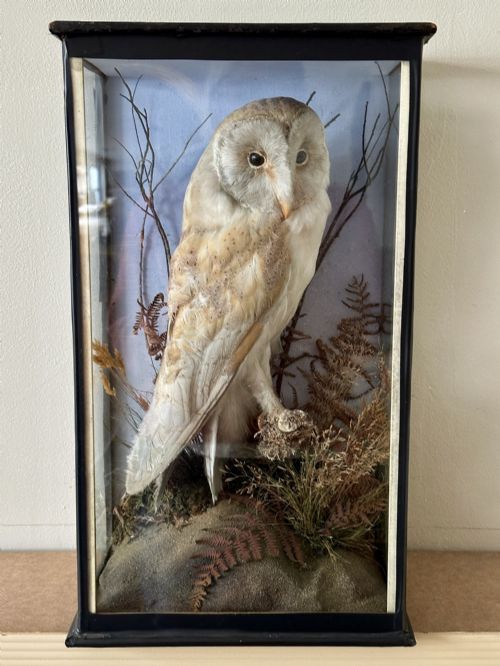
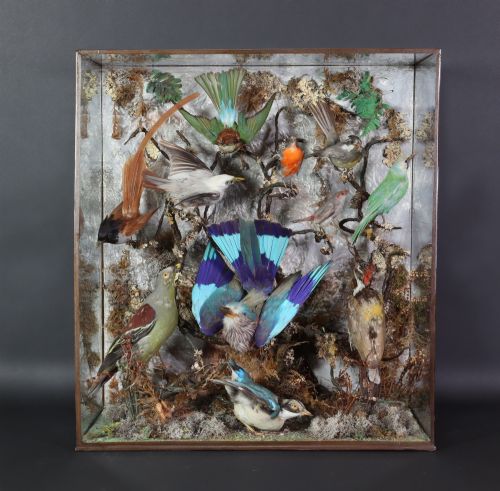
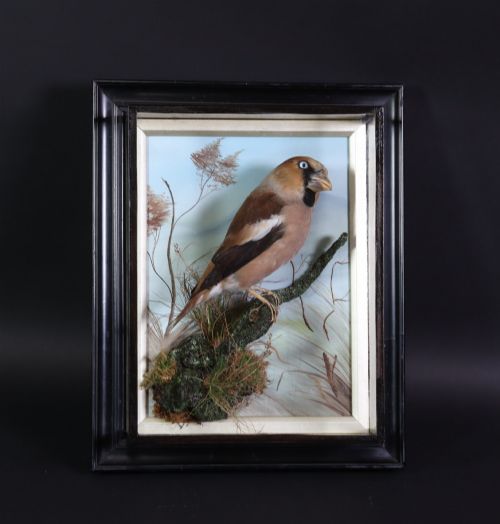
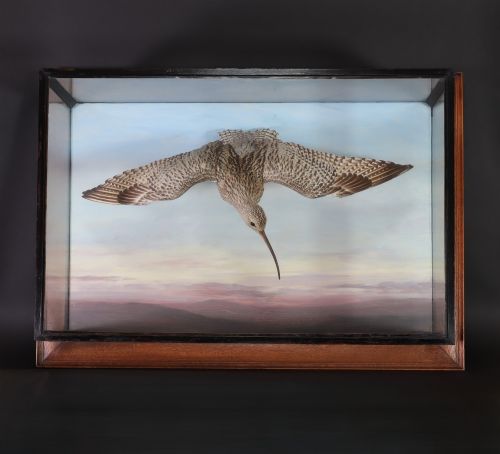
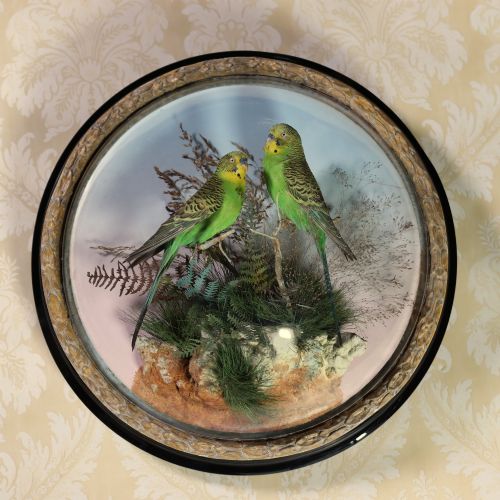
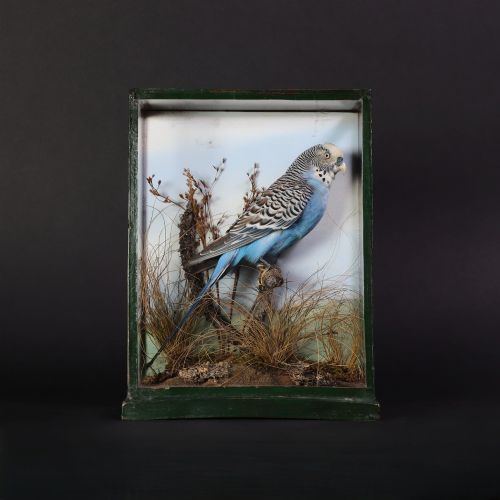
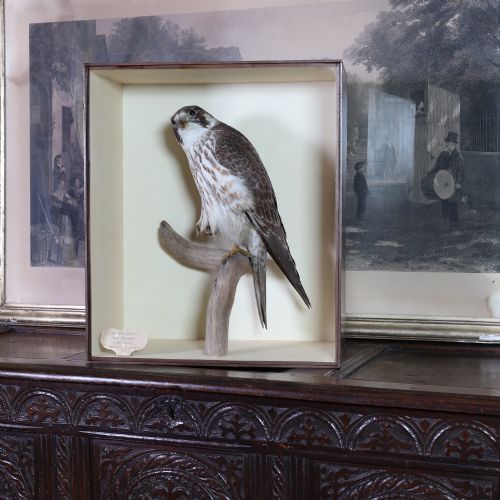
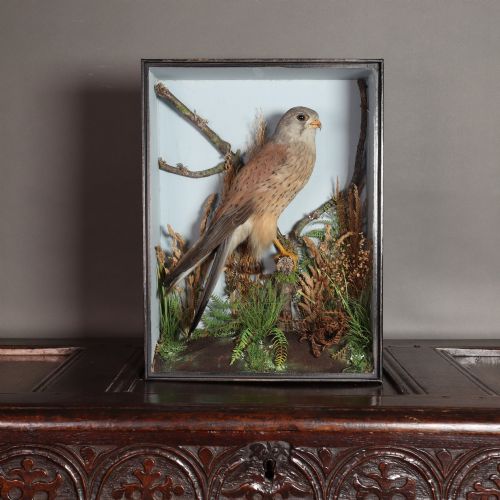
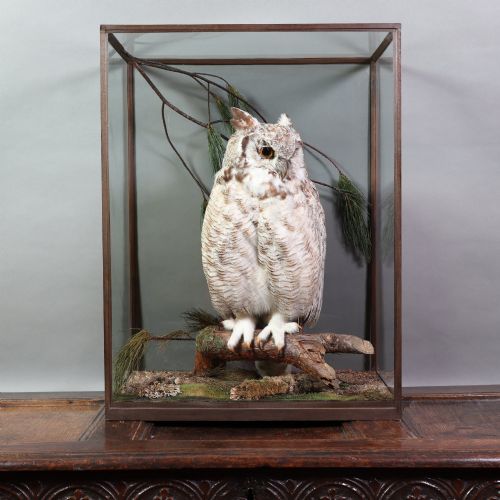
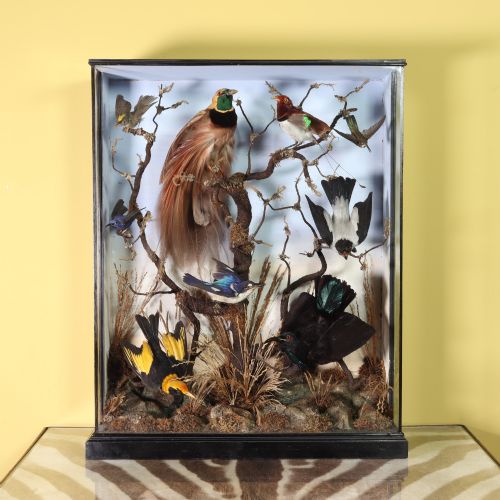
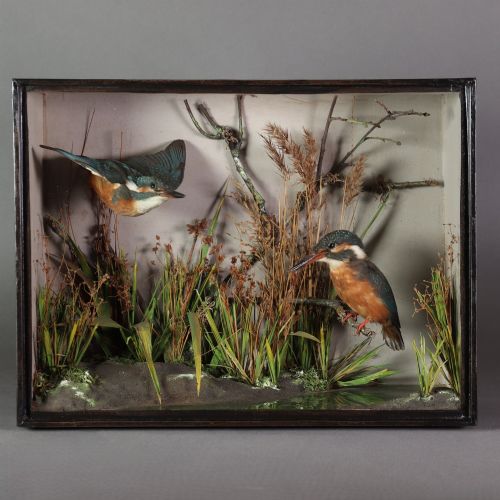
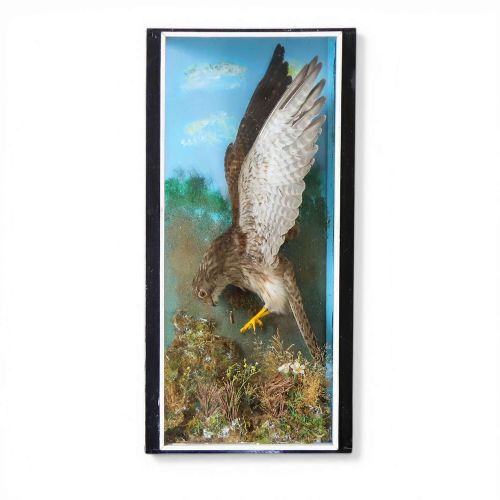
When you search for antique cased birds, you encounter preserved avian specimens mounted within glass fronts, wooden frames or glass domes. The most common format on this page is the Victorian taxidermy case containing single birds, pairs or mixed compositions arranged with natural elements.
The selection spans periods from the late nineteenth century into the early twentieth century, including Edwardian examples and pieces dated around 1870 to 1930. Forms range from flat-sided domes and picture frame cases to large painted wooden dioramas housing subjects such as kestrels, kingfishers, owls and exotic parrots.
Materials and construction methods
Makers constructed these displays using wood, glass and paper alongside preserved feathers, moss and plant materials to simulate natural habitats. Cases often feature painted backgrounds or snow scenes behind glass panes to protect the delicate taxidermy specimens from dust and handling.
Framing materials include oak and bird's-eye maple, whilst specialised mounting techniques secure the birds within flat-sided glass domes or wooden shadow boxes. Workshop practitioners combined carpentry and taxidermy skills to build these enclosed dioramas.
Antique Cased Birds Retail Price Guide 2026
Typical asking prices for cased birds among the pieces listed under this phrase on Sellingantiques today, from the lower quarter to the upper quarter. They describe what is for sale here now, not the wider market.
Listings feature Victorian and Edwardian taxidermy cases incorporating glass, wood, moss, paper and feathers across various avian species.
Assessing quality in taxidermy displays
Quality rests upon the naturalism of the taxidermy mount and the complexity of the composition. Skilled practitioners rendered posture, plumage condition and anatomical proportion with precision, creating lifelike subjects rather than stiff or distorted figures.
The integrity of the housing also dictates standing, with clean joinery in the wooden cases and clear, unblemished glass providing unobstructed views of the interior diorama. The inclusion of signed trade labels from recognised practitioners elevates the historical standing of a piece.
J Griffiths of Burford·Rowland Ward Ltd·T E Gunn·William Bazeley and Sons·James Gardner·W F Homer London
The Antique Cased Birds Glossary
- Taxidermy
- The art of preparing, stuffing and mounting the skins of animals for display. Practitioners utilised various preserving agents and internal armatures to shape avian specimens.
- Dome
- A rounded glass cover set upon a base, used to protect delicate items. Flat-sided variations appeared specifically for housing mounted birds.
- Diorama
- A three-dimensional scene depicting wildlife within a constructed natural habitat. These compositions often include painted backgrounds, moss and artificial snow.
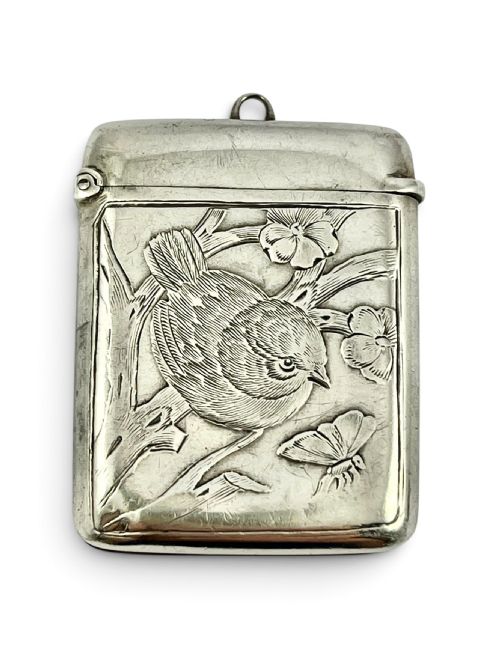
- Vesta case
- A small pocket box designed to hold matches. Silver examples frequently incorporated bird motifs or figural designs.
- Menu holder
- A tabletop accessory used during formal dining to display place cards or menu cards. Edwardian silver versions often took the form of grouse or other game birds.
Antique Cased Birds: Frequently Asked Questions
How do I clean antique glass taxidermy cases?
Clean the exterior glass using standard glass cleaner applied to a cloth rather than directly onto the surface to prevent moisture seeping into the wooden joints.
Avoid opening sealed cases or disturbing the internal specimens, as the fragile feathers and historic taxidermy materials require professional conservation if deep cleaning is necessary.
Where should I place cased birds at home?
Position these displays away from direct sunlight, high humidity and strong heat sources to prevent the fading of plumage and the warping of wooden frames and paper backings.
Sturdy console tables, mantelpieces or dedicated curiosity cabinets offer stable environments where the glass-fronted boxes or domes can be viewed safely.
How do I identify Victorian taxidermy cases?
Victorian examples frequently utilise heavy wooden framing, painted interior backdrops and hand-written trade labels pasted inside the case by period practitioners.
The specific choice of species, construction materials such as bird's-eye maple, and traditional taxidermy mounting styles help distinguish late nineteenth-century pieces from later reproductions.
What is the difference between a dome and a case?
A dome consists of a blown or curved glass cover resting on a circular or oval wooden base, designed for all-round viewing of specimens like owls or snow buntings.
A case is typically a rectangular wooden box with a glazed front and a painted interior background, functioning much like a three-dimensional picture frame.