

Antique Caryatids
Antique caryatids are sculptural female figures used as architectural supports, and collectors seek them for the dramatic classical presence they bring to interiors.
Antique Caryatids
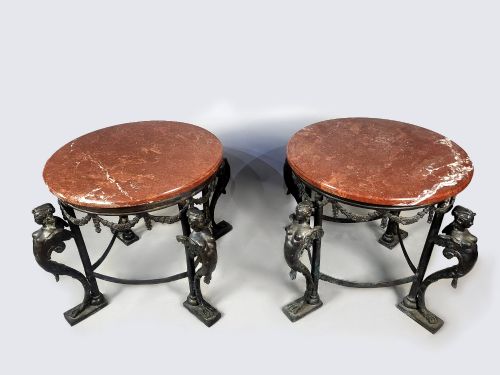
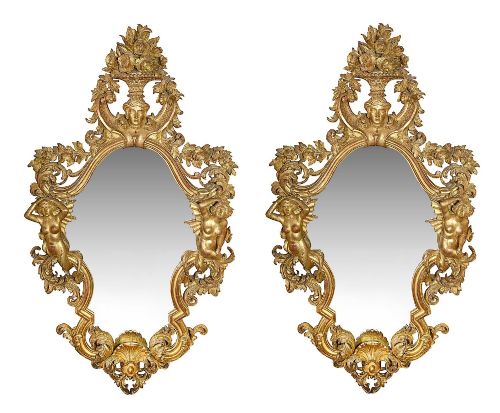
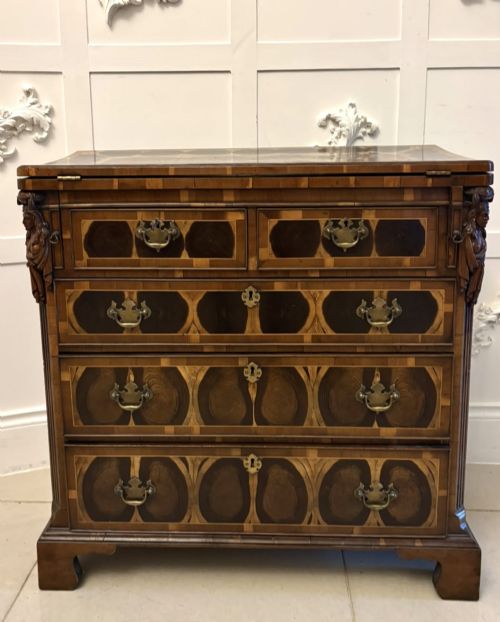
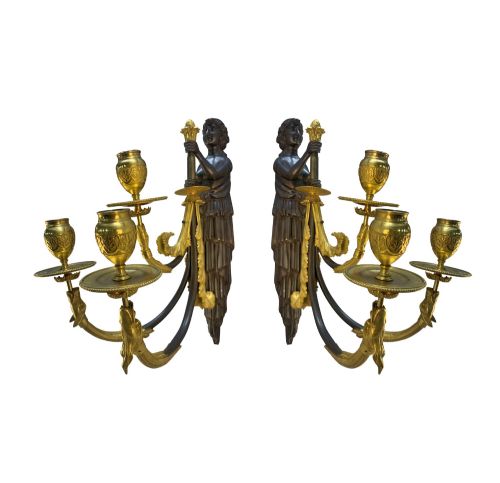
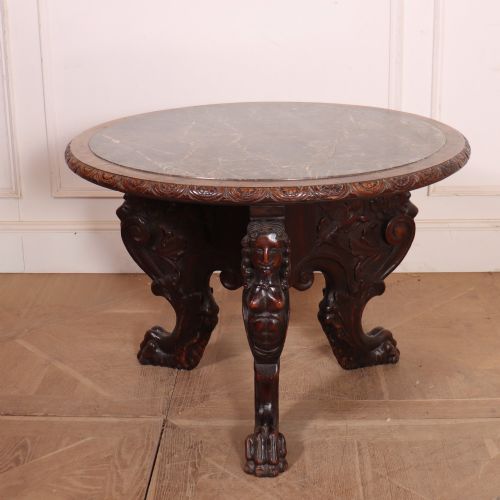
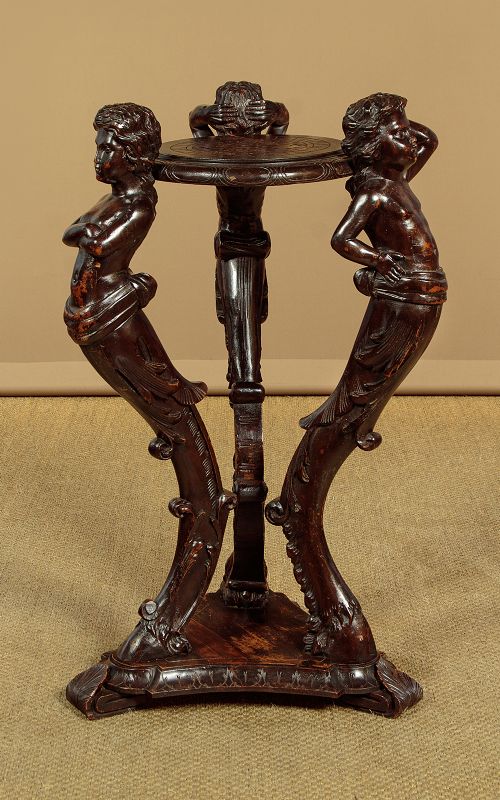
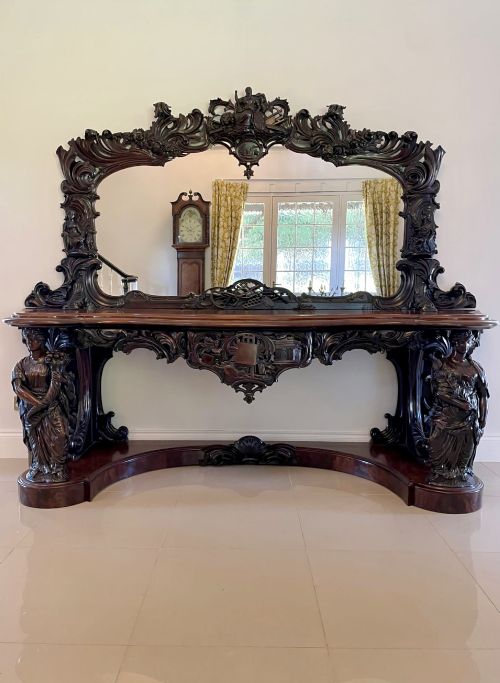
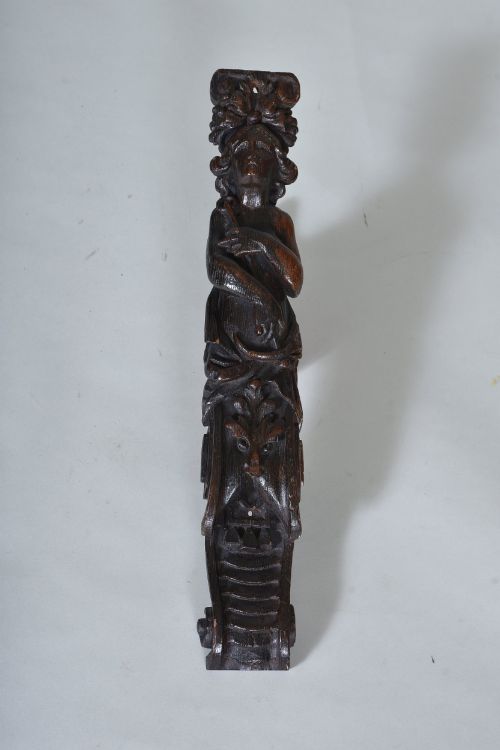
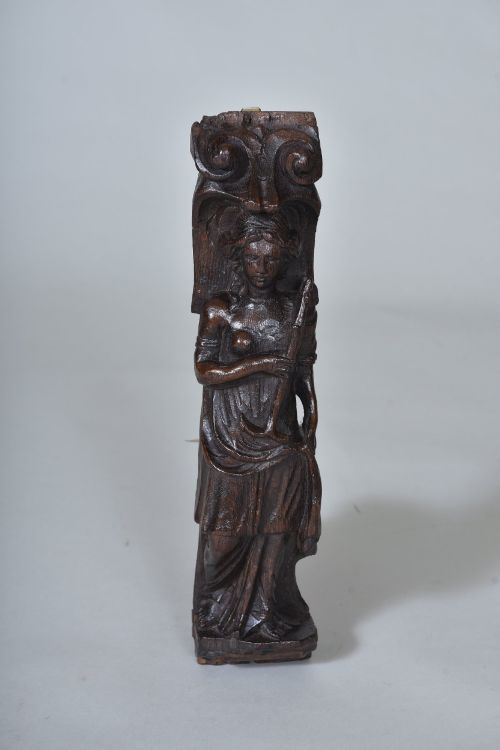
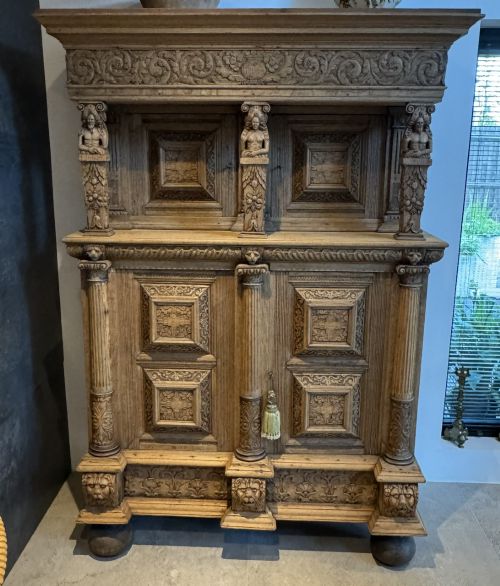
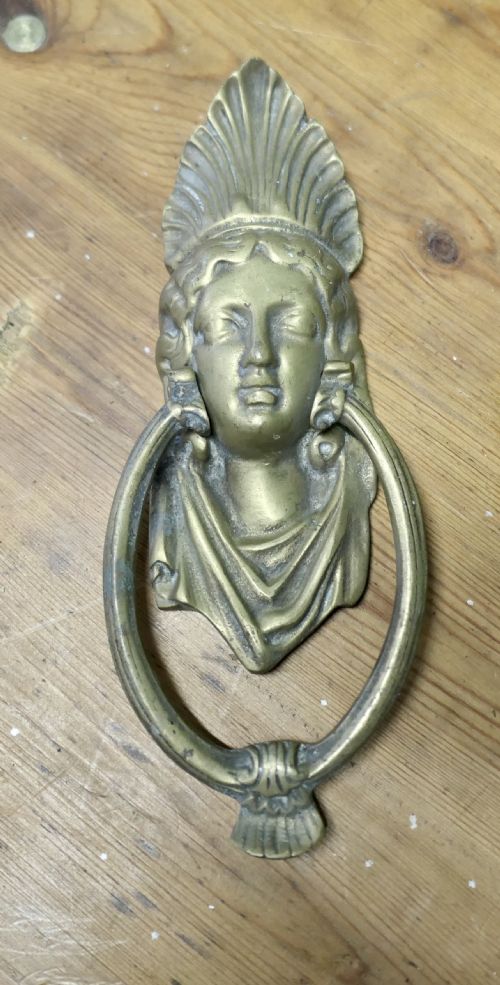
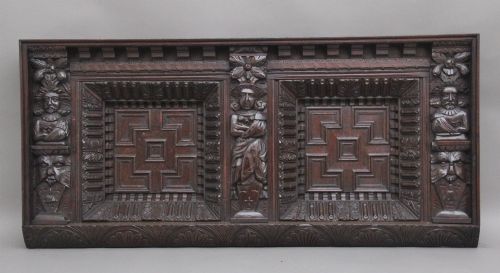
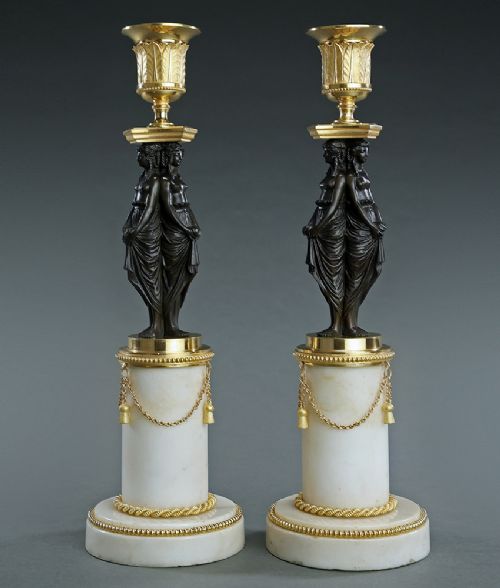
When you search for antique caryatids, you are looking at sculpted female figures functioning as structural or decorative elements in furniture, lighting, and architectural salvage. These pieces range from substantial carved oak pedestals and console tables to delicate gilt bronze candlesticks and door knockers.
You are most likely to meet 19th century interpretations on this page, particularly pieces created in French Empire, Neoclassical, and Renaissance Revival styles. These later iterations draw heavily on classical antiquity, adapting the ancient Greek architectural motif for domestic furniture and decor.
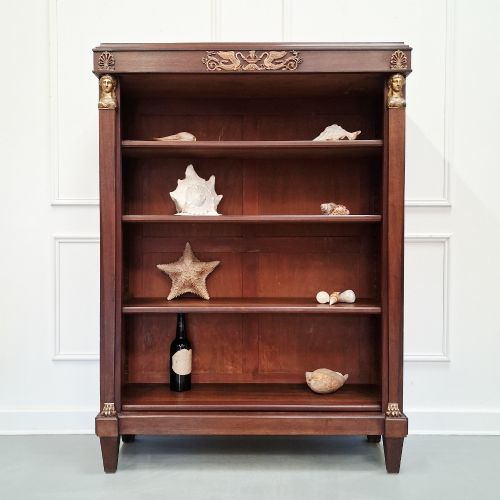
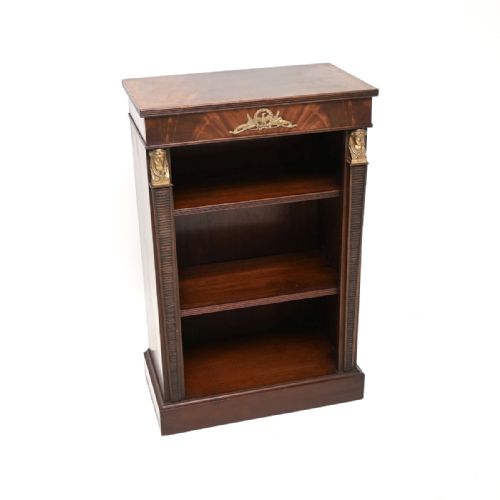
The forms vary widely depending on their original placement, appearing as supporting figures on bookcases, flanking mirror backs, or standing independently as lamp bases and wall sconces. Oak, mahogany, and cast metals such as bronze and ormolu form the primary mediums for these sculptural supports.
How They Were Made
Metal versions relied on foundry casting methods, utilising bronze, brass, and ormolu to achieve crisp detail in smaller items such as candlesticks, door knockers, and wall lights. Artisans frequently combined cast metal mounts with marble or crystal components, employing fire gilding to produce rich surface finishes on French Empire pieces.
Antique Caryatids Retail Price Guide 2026
Typical asking prices for caryatids among the pieces listed under this phrase on Sellingantiques today, from the lower quarter to the upper quarter. They describe what is for sale here now, not the wider market.
Victorian craftsmen even turned these ancient load-bearing ladies into door knockers, giving guests a rather formal reception.
What Varies in Quality
The distinction between ordinary and exceptional examples rests primarily on the anatomical precision and expressive depth of the carved or cast figure. Master carvers and skilled founders captured realistic proportions, fluid drapery, and subtle facial expressions, whereas lesser pieces display stiff limbs and rudimentary detailing.
Material selection and the integration of the figure into the host object dictate the upper tier of the range. Top-tier pieces unite high-grade timbers or fire-gilt bronze with robust joinery and structural harmony, ensuring the sculptural support feels integral to the design rather than merely applied.
The Antique Caryatids Glossary
- Caryatid
- A sculpted female figure used as a structural support in place of a column or pilaster. This classical architectural element dates back to ancient Greece.
- Ormolu
- Gilt bronze produced by applying a mercury and gold amalgam to cast bronze. The technique creates a durable, warm metallic finish common on French Empire pieces.
- Caquetoire
- A light, high-backed wooden armchair designed in sixteenth-century France to allow women to converse comfortably. Examples appearing in later periods revive this early form.
- Gueridon
- A small occasional table supported by a single central column or figural pedestal. Originating in seventeenth-century France, the form often incorporates classical motifs.
Antique Caryatids: Frequently Asked Questions
What is a caryatid?
A caryatid is a sculpted female figure serving as an architectural support, taking the place of a column, pier, or pilaster to hold up an entablature.
In furniture and decorative objects, these figures appear carved into the corners of cabinets or cast as the stems of candlesticks and lamps.
Where were caryatids used in historical homes?
Historical interiors featured caryatids on grand architectural elements such as fireplace overmantels, doorways, and structural corbels.
Over subsequent centuries, furniture makers adapted the motif for domestic pieces, placing them on the sides of bookcases, console tables, and pedestals.
How do I date antique caryatid pieces?
Dating relies on examining the wood species, cabinetmaking construction methods, and the stylistic vocabulary of the surrounding object.
Seventeenth-century pieces typically feature heavy hand-carved oak with high relief, while nineteenth-century revivals often combine mahogany or walnut with precise classical or Renaissance revival details.
How do I clean bronze caryatid mounts?
Bronze and ormolu mounts require only gentle dusting with a soft, dry brush to prevent the accumulation of dirt in recessed crevices.
Harsh chemical polishes must be avoided because they strip away historical patina and can permanently damage fire-gilt or patinated surfaces.