
Antique Carved Reading Chair
An antique carved reading chair brings solid timber and traditional seating design together for comfortable study or fireside rest.
Antique Carved Reading Chair
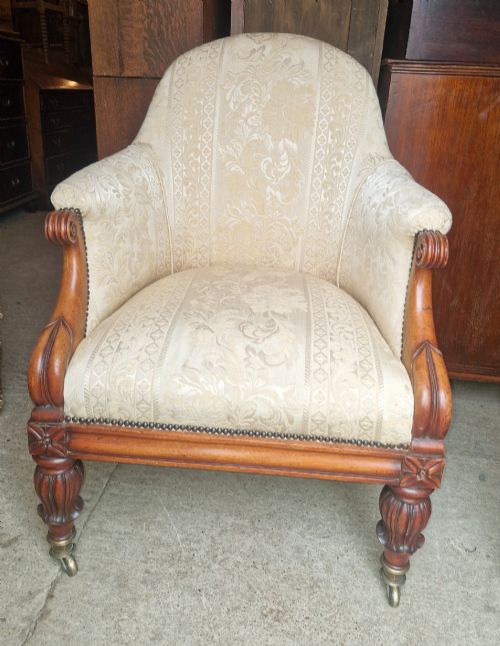
An antique carved reading chair offers substantial wooden framing and upholstered seating designed for libraries, studies, and drawing rooms. The pieces gathered here span several key eras, including the Georgian, Regency, and Victorian periods.
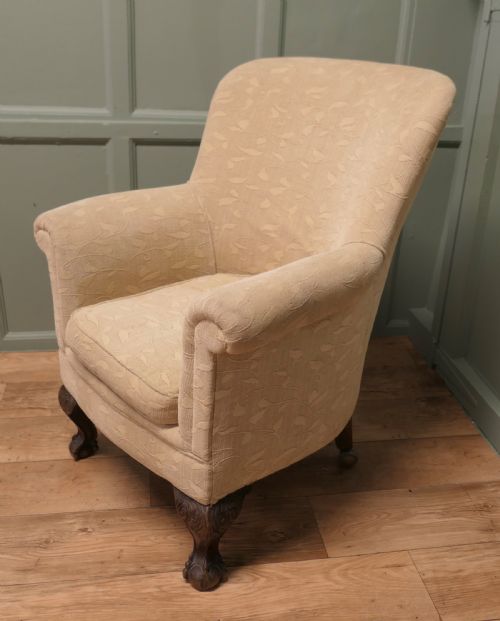
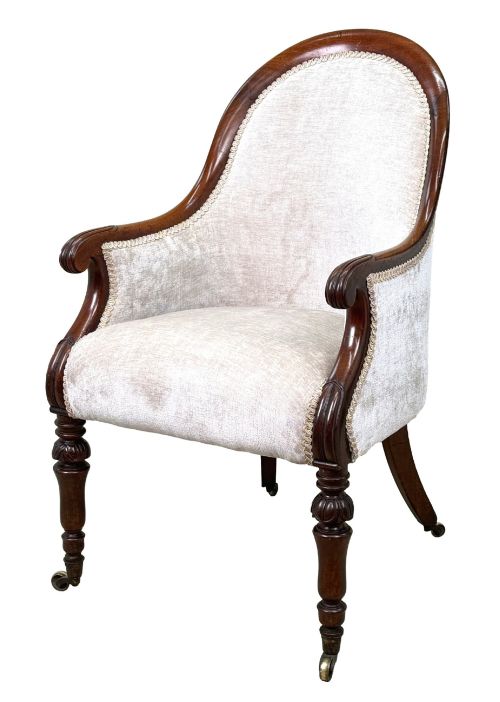
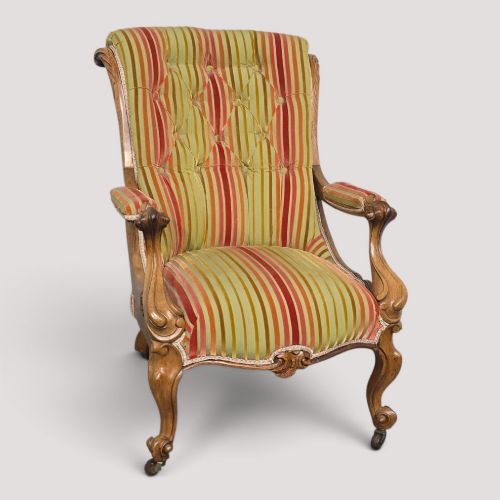
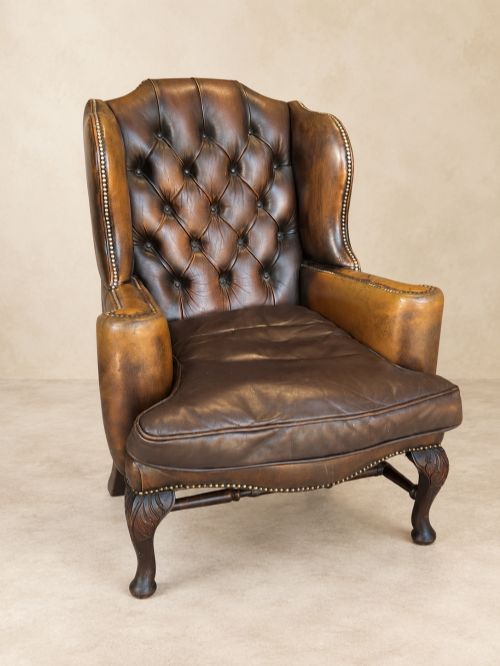
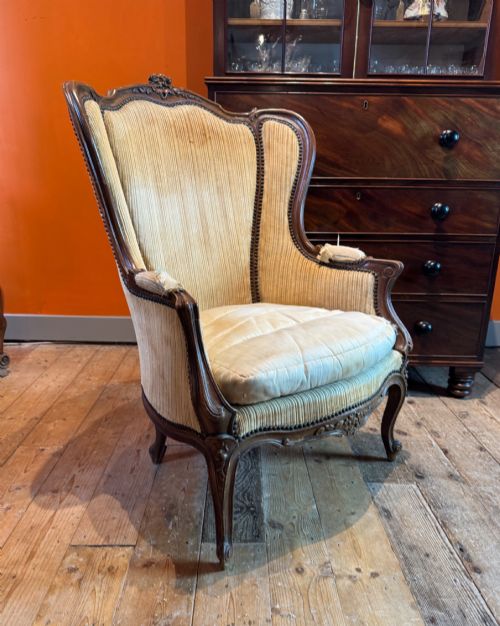
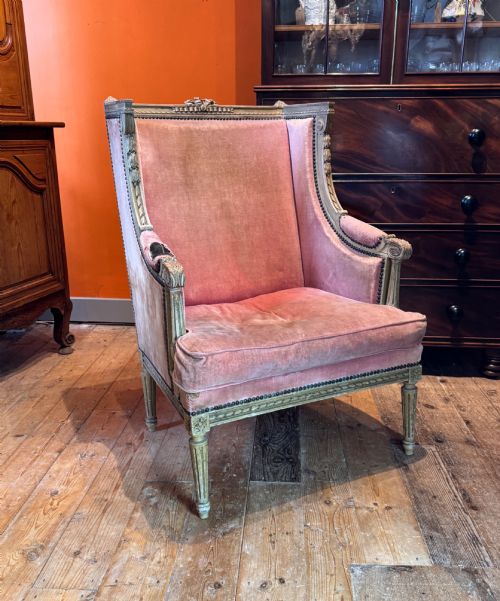
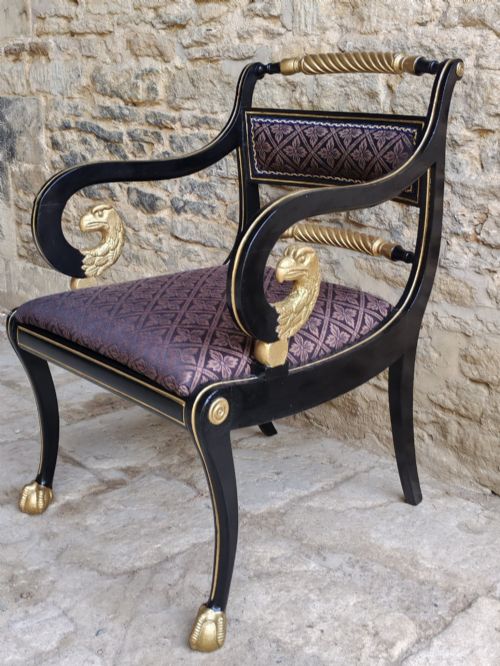
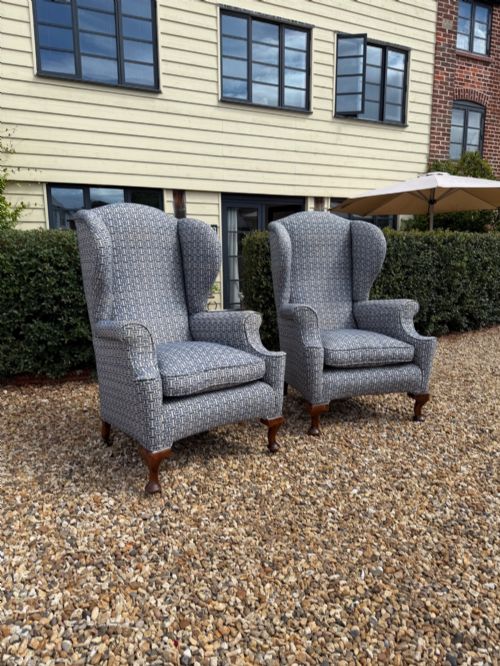
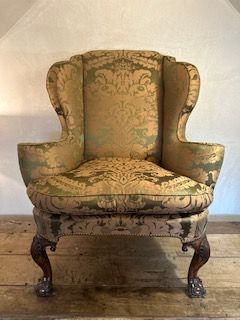
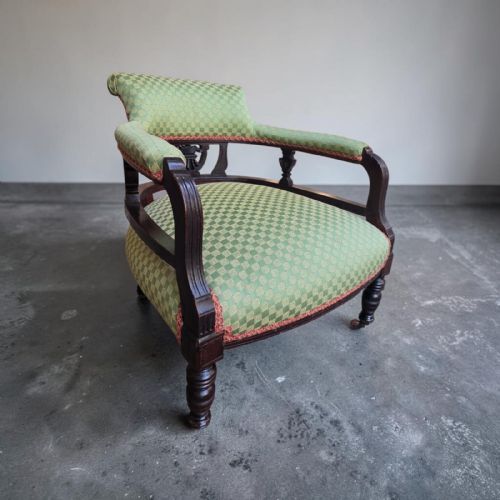
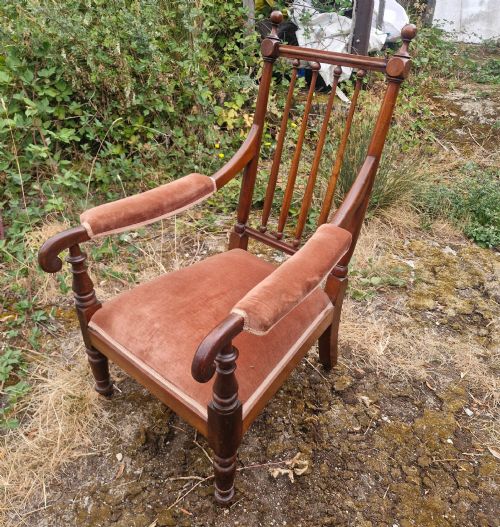
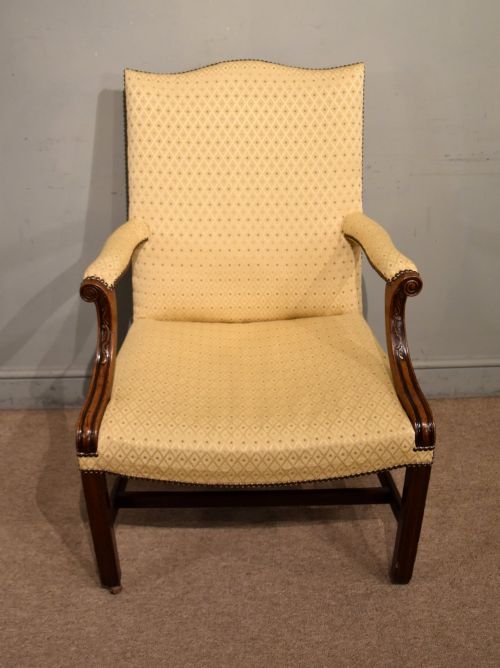
Buyers will encounter various forms across these listings, from mahogany Gainsborough armchairs and walnut wing chairs to low tub chairs and library armchairs. These seats often feature traditional arm supports, sturdy backrests, and distinct carved details on the woodwork.
Origins range across English workshops and French regional pieces, showing how cabinetmakers adapted seating forms for long periods of reading and writing. Each era brings specific proportions, from robust George II frames to more slender Edwardian interpretations.
Materials and construction
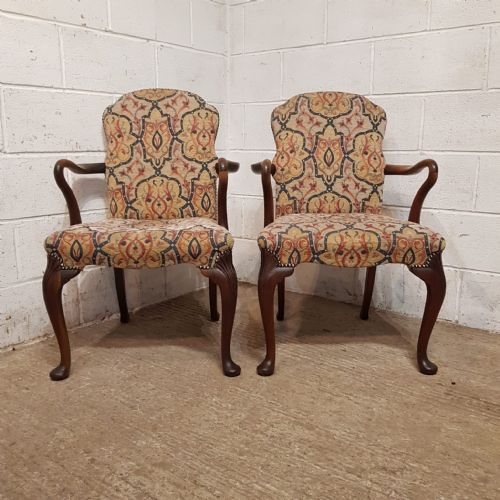
Cabinetmakers built these chairs primarily using dense hardwoods such as mahogany, walnut, oak, and rosewood to ensure the structural integrity needed for daily seating. Carvers applied detailed mouldings, blind fretwork, and cabriole legs directly into the timber frames.
Upholstery methods involved traditional stuffing materials enclosed by leather, velvet, fabric, hessian, and textile coverings secured with brass tacks. Structural joints relied on sturdy mortise and tenon techniques, while auxiliary materials like brass and cane added functional or decorative contrast.
Assessing quality in carved seating
Quality rests heavily on the depth and crispness of the timber carving, where sharper hand-chiseled details distinguish superior workshop output from simpler production. The selection of figured mahogany or rich walnut veneer directly influences the visual presence of the frame.
Proportion and stance dictate how successfully a chair balances comfort with architectural dignity, particularly in heavier wing or Gainsborough formats. Originality of components, including the integrity of the wooden underframe and the retention of period leather or textile coverings, shapes the character of the piece.
The Antique Carved Reading Chair Glossary
- Gainsborough armchair
- A wide-seated, open-armed easy chair originating in the mid-18th century, designed specifically for writing tables and reading desks.
- Wing armchair
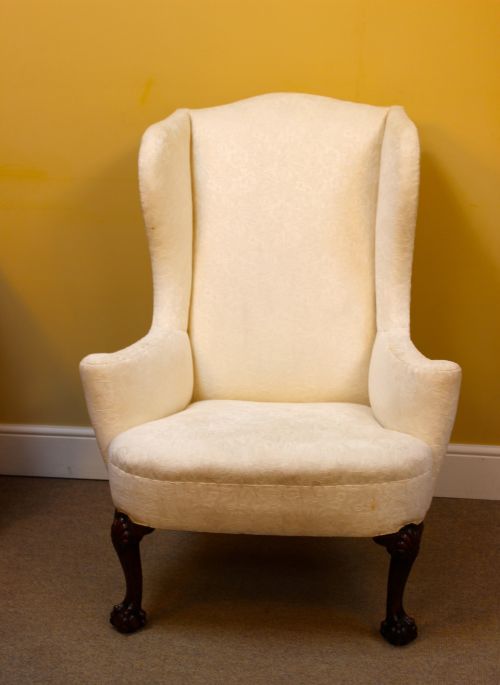
- A high-backed upholstered seat featuring protective side panels designed to block drafts and retain warmth from an open fire.
- Tub armchair
- A compact seating form with a continuous curved back and armrests that wrap around the sitter in a semicircular shape.
- Bergère
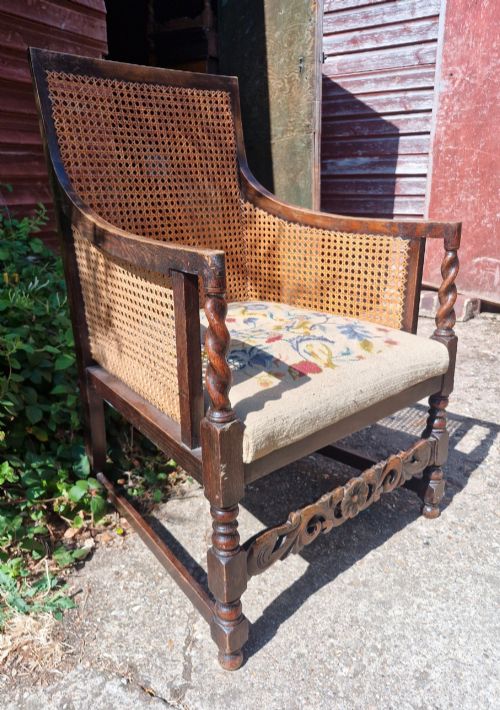
- An enclosed upholstered armchair with exposed wooden framing and woven cane panels lining the sides or back.
- Cabriole leg
- A furniture leg that curves outward in a convex arc before tapering inward to a pad or claw foot, common on Georgian and revival pieces.
Antique Carved Reading Chair: Frequently Asked Questions
Where should I place a reading chair?
These chairs suit studies, libraries, and quiet corners where focused tasks or relaxation take place. Their substantial wooden frames and upholstered backs also anchor open living spaces effectively.
Positioning the seat near natural light or a bookshelf highlights the carved timber details and creates a functional spot for prolonged reading sessions.
How do I identify a Georgian reading chair?
Georgian examples generally display dense mahogany or walnut construction with characteristic design markers like blind fretwork, cabriole legs, or straight carved arm supports. Proportions tend to be generous and sturdy to accommodate heavy tailoring.
Comparing the stretcher arrangement and underframe joinery helps distinguish these 18th-century forms from later Victorian and Edwardian revivals.
Are these chairs comfortable for daily use?
Traditional construction methods provide firm, supportive seating designed for long hours spent reading or writing at a desk. Many examples utilise supportive springing and traditional stuffing materials.
Modern users often find their upright posture and structured arm height well-suited to focused tasks rather than slouching.