

Antique Carved Planter
An antique carved planter brings tactile stone, heavy bronze, and figured timber indoors or out to hold living greenery.
Antique Carved Planter
When you search for an antique carved planter, you encounter vessels built to hold plants and flowers across several centuries of domestic and garden design. The selection ranges from robust outdoor stone troughs and lead urns to refined indoor walnut jardiniere tables and bronze vessels.
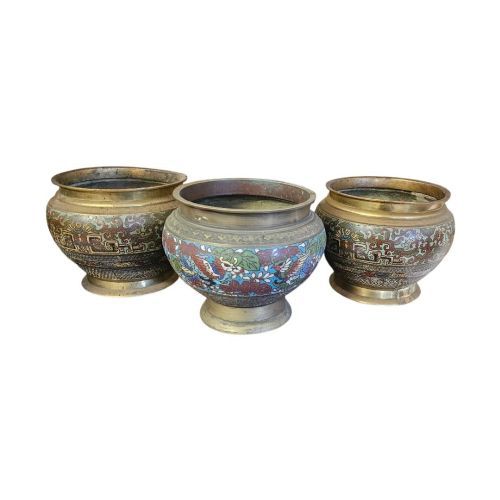
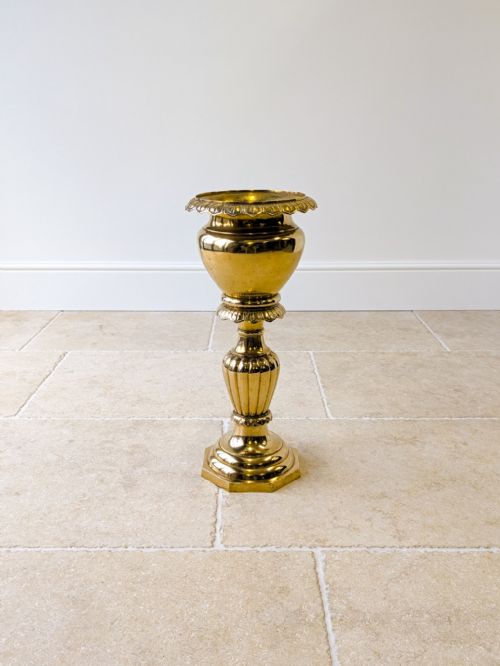
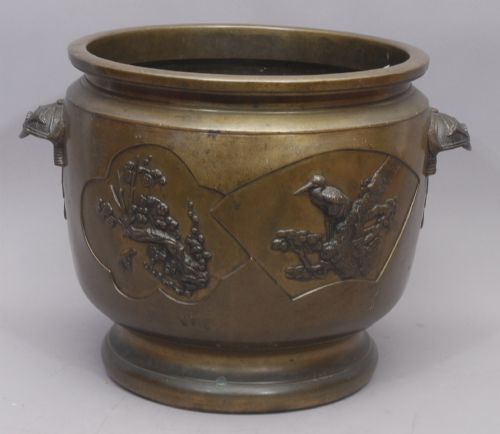
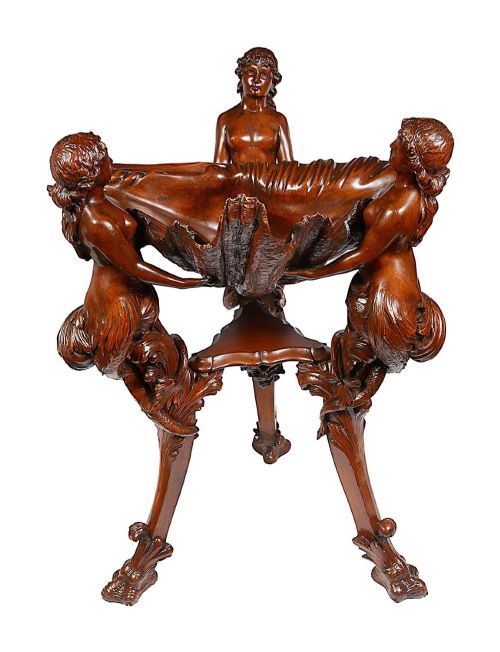
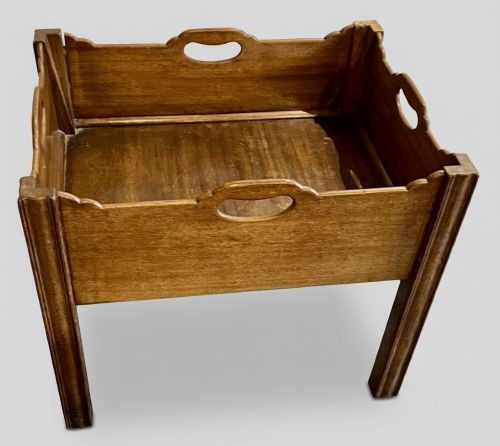
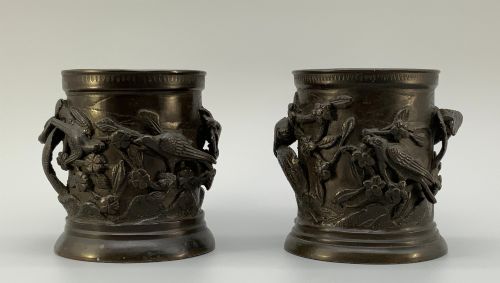
The pieces appearing on this page span diverse cultural origins and aesthetic movements, including Japanese Meiji bronze vases, French walnut tables, and Chinese cast vessels. Garden planters and plant stands sit alongside indoor table variants designed with liners or galleried tops.
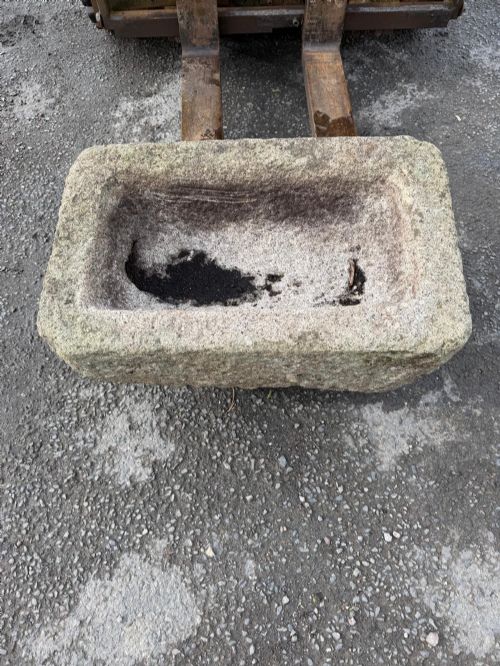
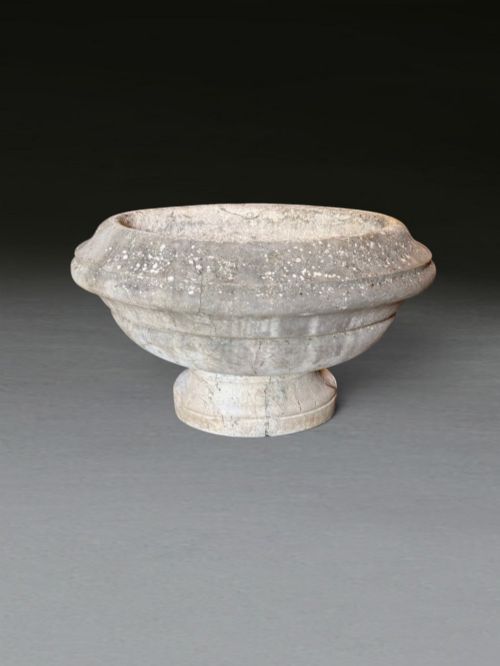
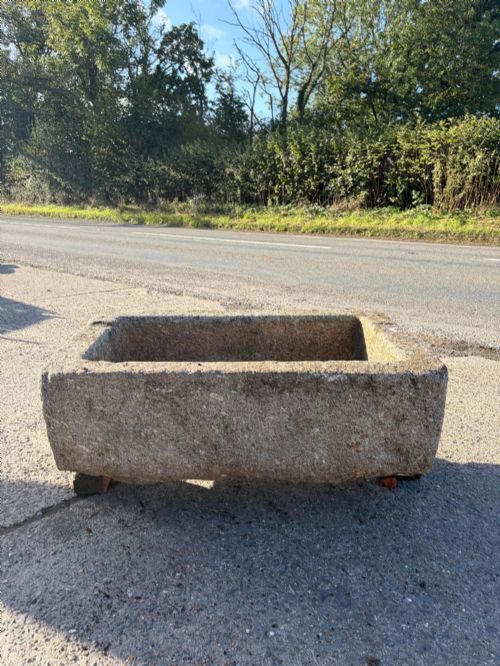
Periods represented stretch from early examples in Italian marble and oak up through Georgian, Victorian, and Edwardian creations. Buyers frequently meet cast stone campana urns, granite troughs, and carved wooden stands meant to elevate foliage.
How they were made
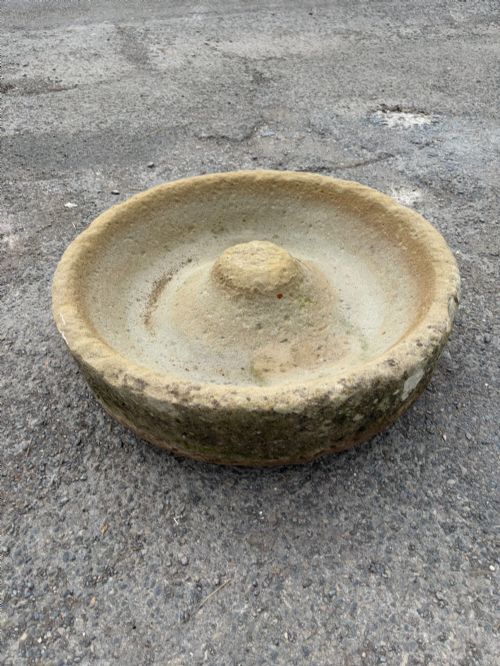
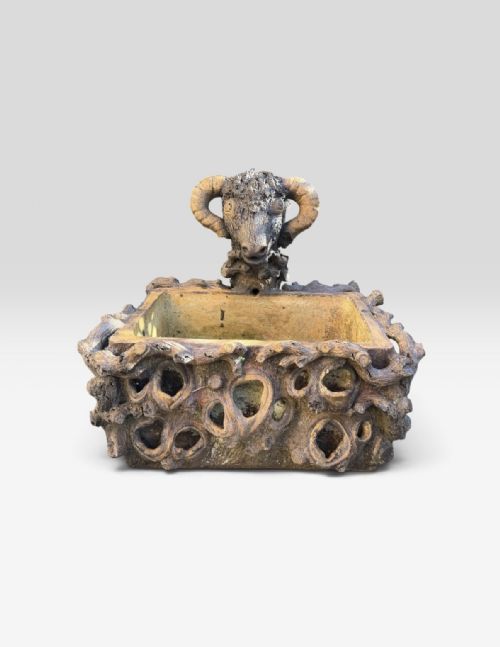
Craftsmen utilised durable outdoor mediums like granite, sandstone, lead, terracotta, and cast stone, shaping them through chiselling and casting to withstand the elements. Indoor variants rely on cabinet timbers such as walnut, mahogany, and oak, often paired with metal liners to hold moisture.
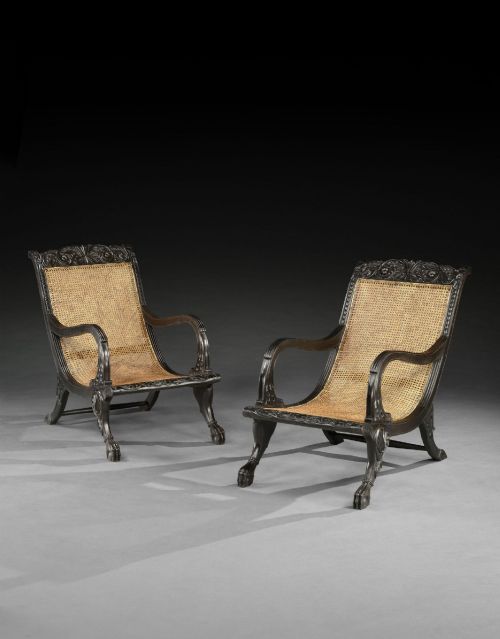
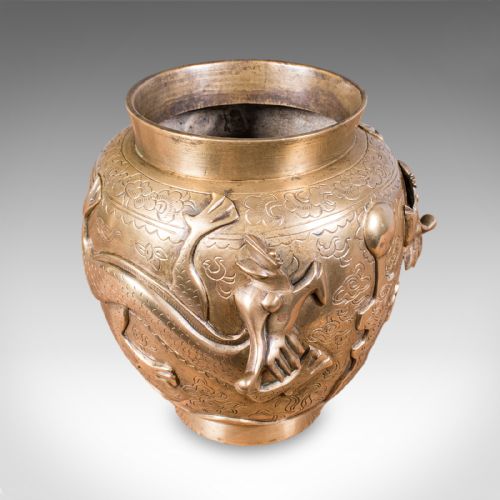
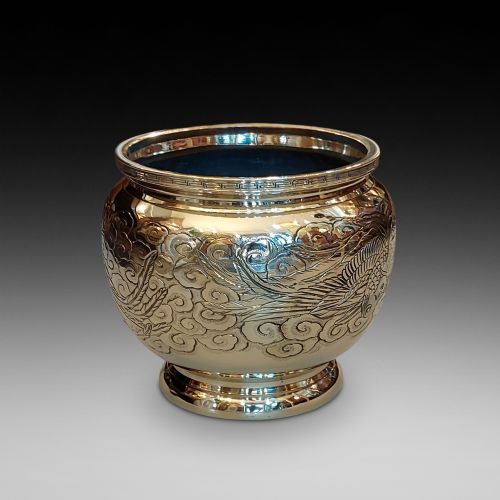
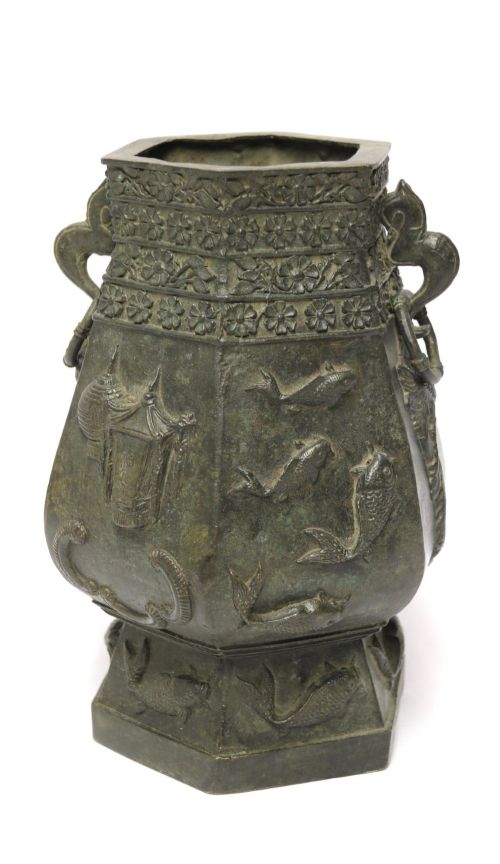
Metal vessels in brass and bronze display intricate casting, chasing, and patination techniques, sometimes featuring applied dragon motifs or botanical reliefs. Wood and giltwood pieces incorporate carved detailing, cane work, and turned elements reflecting periods from the seventeenth century onward.
Antique Carved Planter Retail Price Guide 2026
Typical asking prices for carved planter among the pieces listed under this phrase on Sellingantiques today, from the lower quarter to the upper quarter. They describe what is for sale here now, not the wider market.
Forms on this page include garden campana urns, Japanese hibachis, oak plant stands, and French walnut jardiniere tables.
What varies in quality
The standard of an antique carved planter rests upon the crispness of its chisel work, the integrity of its material, and the natural weathering accumulated over time. Hand-carved stone and detailed bronze casting show a depth of execution that mechanical reproduction cannot replicate.
Proportion and structural survival dictate desirability, particularly in functional items exposed to moisture, soil, and garden use. Walnut and mahogany jardiniere tables depend on sound joinery and well-preserved surface patination, while stone troughs rely on honest age and mineral texture.
The Antique Carved Planter Glossary
- Campana Urn
- A bell-shaped garden vessel originating in classical antiquity. They are commonly cast in stone, terracotta, or lead for exterior display.
- Hibachi
- A traditional Japanese heating device or bowl often utilised as a planter. They appear in materials like wood and heavy bronze.
- Trough
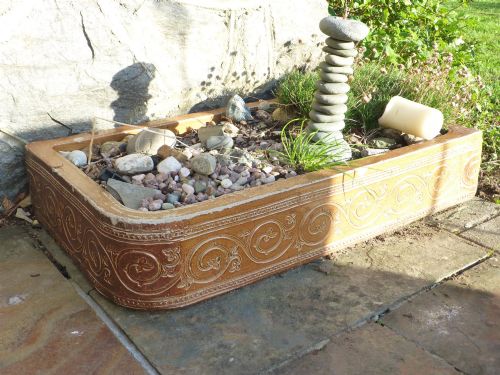
- A long, narrow receptacle used for feeding animals or growing plants. Granite, sandstone, and salt-glazed ceramic examples appear frequently.
- Giltwood
- Timber treated with gold leaf or gesso preparation. This finish is typical of decorative interior stands and boxes.
Antique Carved Planter: Frequently Asked Questions
Can these planters be used outdoors?
Many stone, terracotta, lead, and cast stone pieces are designed to withstand exterior weather conditions in gardens or on terraces.
Wooden and giltwood items, however, require sheltered interior settings to protect their polished surfaces and joinery from moisture damage.
How do I care for a bronze jardiniere?
Bronze vessels require minimal maintenance beyond gentle dusting to preserve their historic patination and surface detail.
Avoid using harsh chemical polishes that strip away the aged finish accumulated over centuries of existence.
What is the difference between an urn and a trough?
Urns typically feature a pedestal base and a rounded, elevated bowl shape suited for formal garden placement.
Troughs offer a linear, elongated volume historically utilised for planting or utilitarian purposes.
How do I date a stone planter?
Dating relies upon tool marks, weathering patterns, geological composition, and stylistic motifs corresponding to specific periods.
Earlier examples often display hand-chiselled stone surfaces, whereas later pieces utilise cast stone or industrial production methods.