

Antique Carved Lions
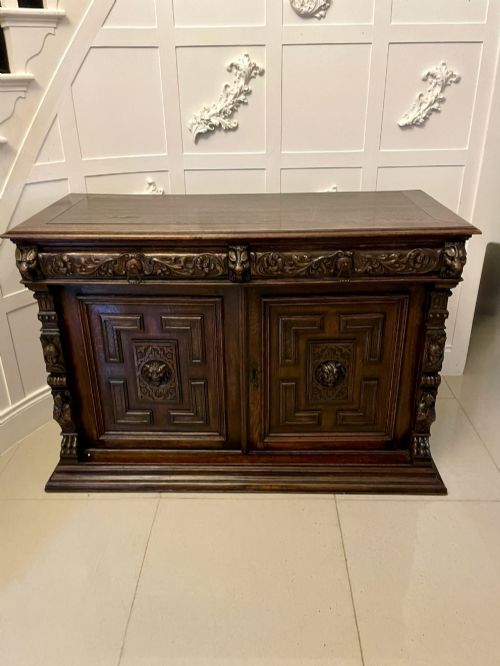
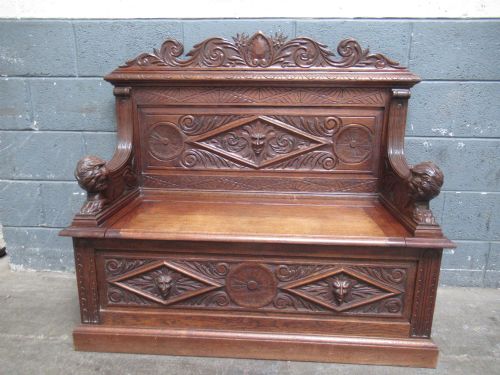
These antique carved lions range from vigorous oak bench supports and marble figures to detailed console table feet, bringing presence and historical weight to a room.
Antique Carved Lions
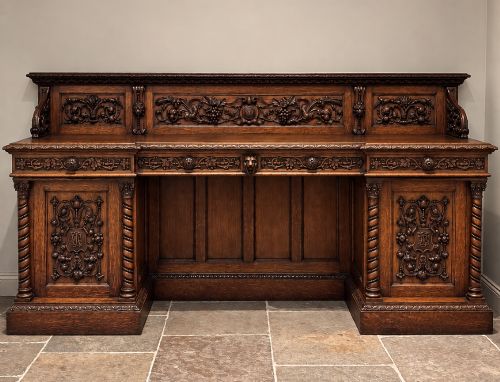
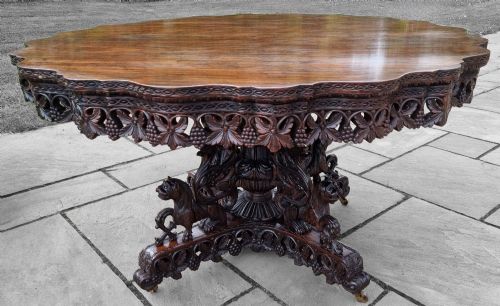
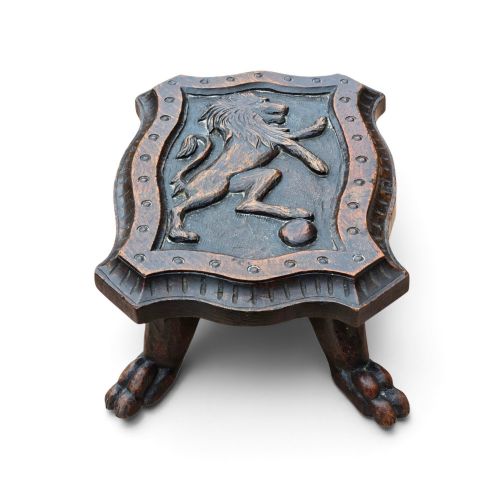
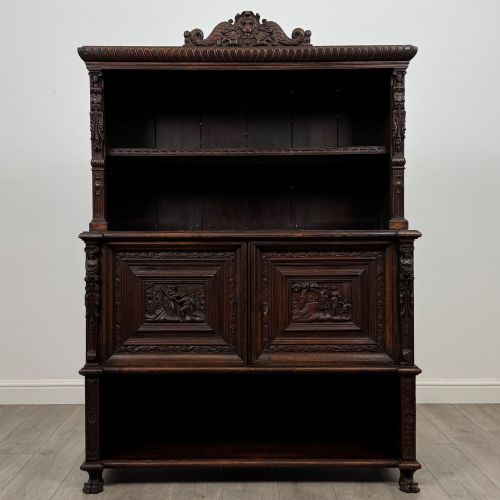
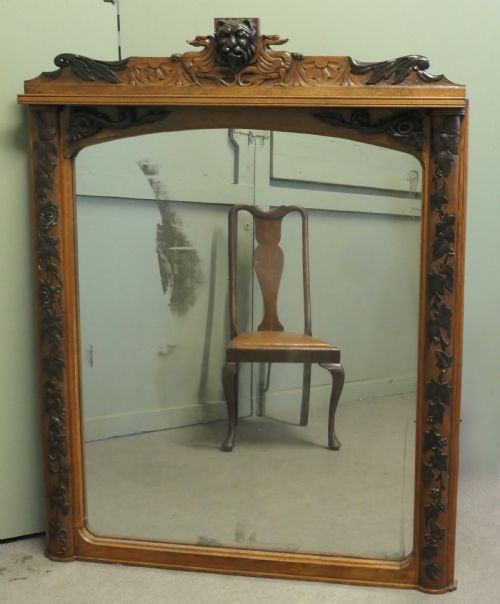
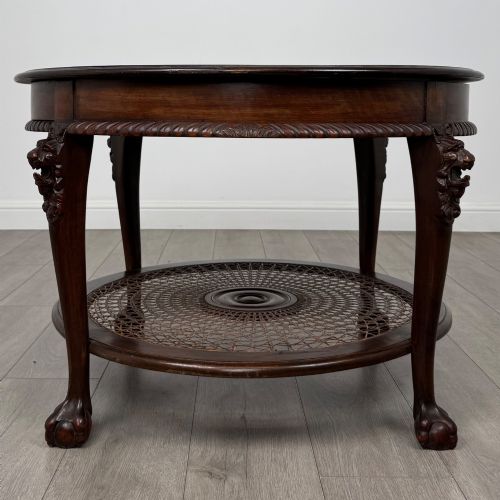
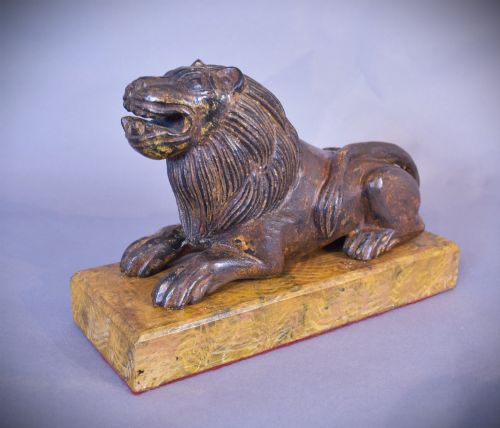
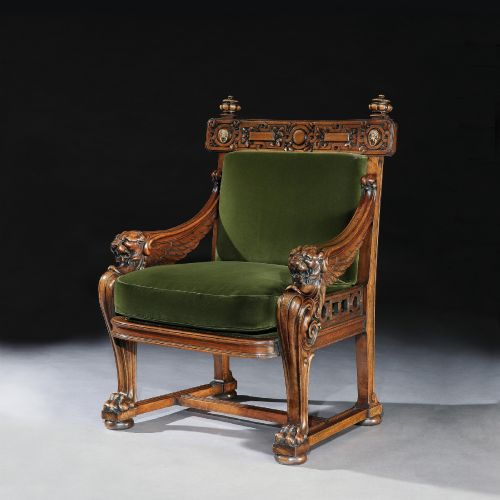
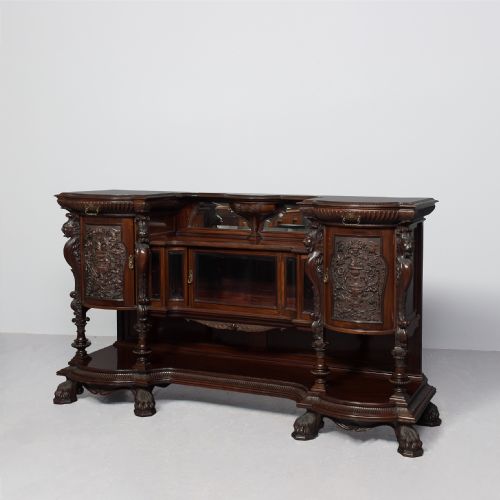
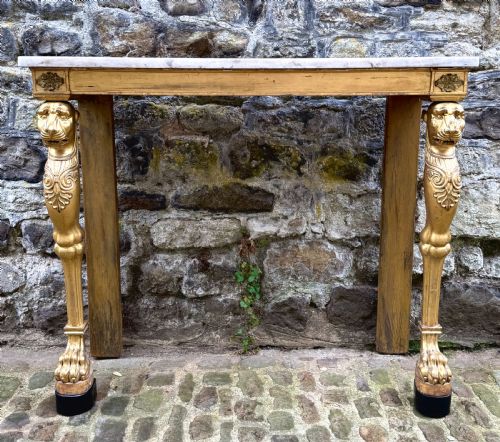
When you search for antique carved lions, you encounter figures, furniture supports and architectural elements drawn from seventeenth-, eighteenth- and nineteenth-century traditions. The pieces on this page appear as freestanding animal sculptures, monumental console table supports, library table paw feet and prominent masks carved into oak sideboards and armchairs.
Victorian and nineteenth-century interpretations dominate the selection, often drawing on earlier Renaissance Revival, Regency or Baroque styles. You will find items originating from British workshops, continental Europe, and international centres including China, India and Ceylon, reflecting diverse cultural depictions of these beasts.
Forms vary widely from utilitarian hall benches and partners desks featuring fierce lion heads to decorative marble Grand Tour souvenirs and temple guardians. The creatures appear standing, recumbent, or shaped into monopodia supports that merge animal anatomy with classical furniture design.
How they were made
Makers shaped these items primarily from dense hardwoods like oak, mahogany, padauk and ebony, alongside softer decorative woods finished with giltwood or lacquer. Skilled artisans used hand chisels and gouges to define muscular haunches, facial expressions and flowing manes directly into the timber.
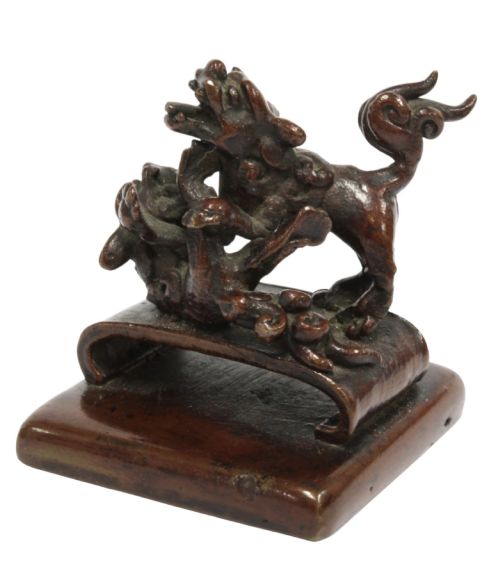
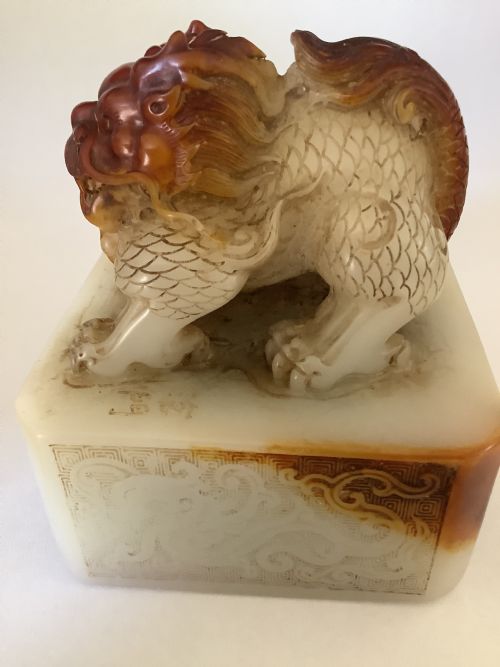
Stone and metal examples rely on alternative traditions, utilising carved serpentine marble, cast iron and bronze for figures such as scholar seals or architectural models. Surface treatments include gesso decoration, painted leather upholstery, and polished marble tops paired with wooden bases.
One seventeenth-century piece records a solitary wooden lion's head with a full mane, carved purely as a standalone curiosity.
What varies in quality
The distinction between ordinary and superior pieces lies in the anatomical precision of the carving and the depth of relief. Master carvers captured the tension in a sinewy paw or the individual locks of a mane with convincing weight, whereas lesser work remains stiff and formulaic.
Integration between the carved lion and the host object dictates the success of a piece. When a console table support or chair arm flows naturally from the structural timber rather than appearing as an applied afterthought, the standard of craftsmanship rises significantly.
Thomas Hope·Giles Grendey·George Smith·Bruce Talbert·Gillows
The Antique Carved Lions Glossary
- Monopodia
- A furniture support consisting of a single animal leg and foot, often terminating in a lion's paw. This classical form supports tables and armchairs from the Regency period onward.
- Caryatid
- A sculpted human or animal figure serving as an architectural support instead of a column or pilaster. In these listings, lions frequently take this structural role on sideboards and cabinets.
- Shishi
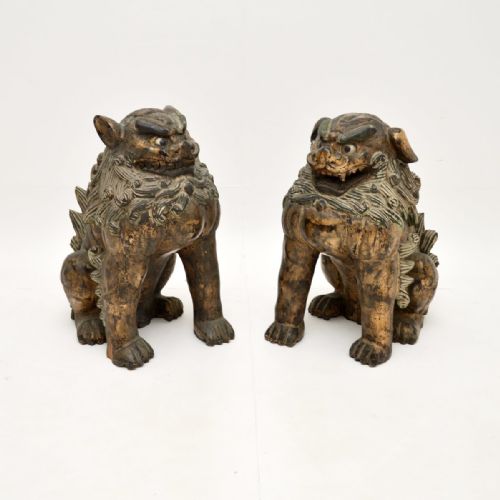
- A traditional East Asian guardian lion, also known as a foo dog. These mythical beasts appear in carved wood, bronze and stone across temple guards and scholar items.
- Treen
- Small handmade wooden objects produced from the sixteenth century onward. Examples include carved lion heads and decorative moulds.
- Grand Tour
- A nineteenth-century cultural excursion across Europe that inspired tourists to acquire souvenir models of famous sculptures, such as serpentine marble lions.
Antique Carved Lions: Frequently Asked Questions
What are lion monopodia?
Lion monopodia are furniture supports shaped like a single animal limb, typically featuring a detailed leg that terminates in a carved paw. They are characteristic of Regency and nineteenth-century classical revival designs.
Craftsmen integrated these supports into the corners of library tables, console tables and armchairs to project strength and classical authority.
Where were carved stone lions placed?
Carved stone and marble lions served as decorative architectural ornaments, fireplace supports or commemorative Grand Tour souvenirs. Collectors displayed them on desks, mantelpieces and side tables.
Larger weathered pairs often stood outdoors to guard entrances, while smaller serpentine marble pieces decorated nineteenth-century drawing rooms.
What is a Buddhist lion?
A Buddhist lion, or shishi, is a traditional guardian creature depicted in Chinese and Asian art. These figures symbolise protection and authority in temple and domestic settings.
Carved from wood, bronze or stone, they often appear as pairs guarding entrances, holding seals or standing alert on plinths.