
Antique Carved Lady
Antique carved lady figures and portraits span seventeenth-century oak panels, Victorian walnut chairs, and classical marble busts.
Antique Carved Lady
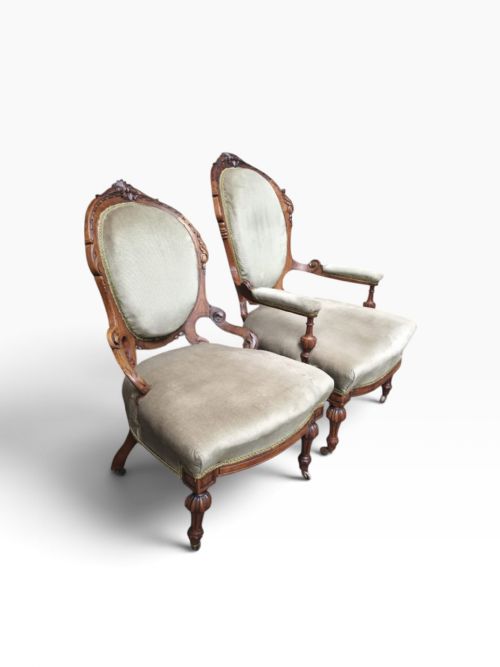
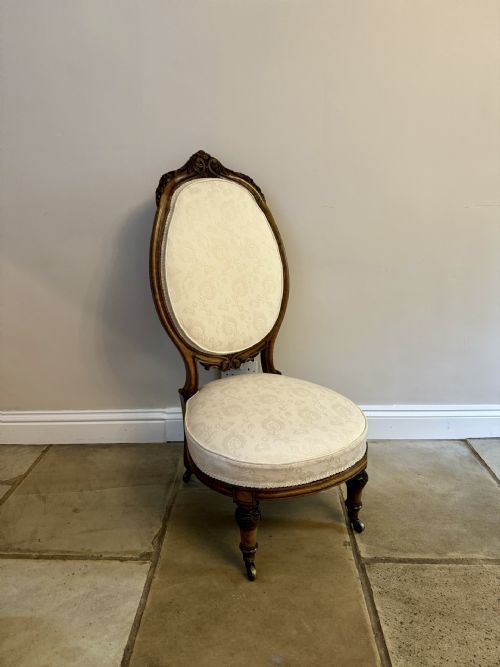
The term antique carved lady covers a diverse selection of objects ranging from seventeenth-century architectural woodwork to nineteenth-century portraiture and sculpture. You will frequently encounter carved walnut Victorian chairs designed specifically for female proportions, alongside oak panels and stone busts.
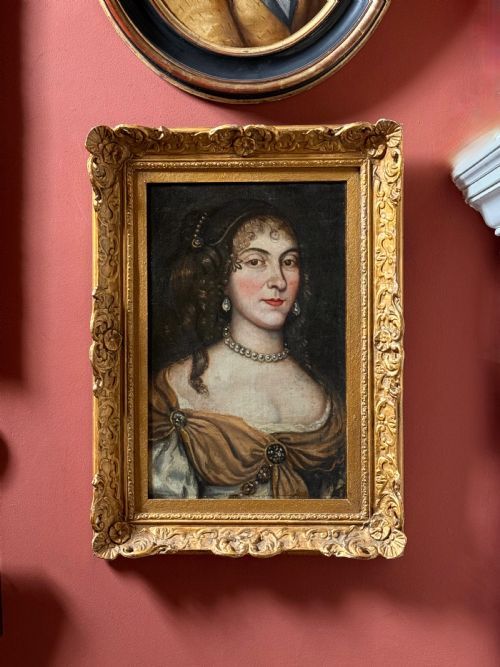
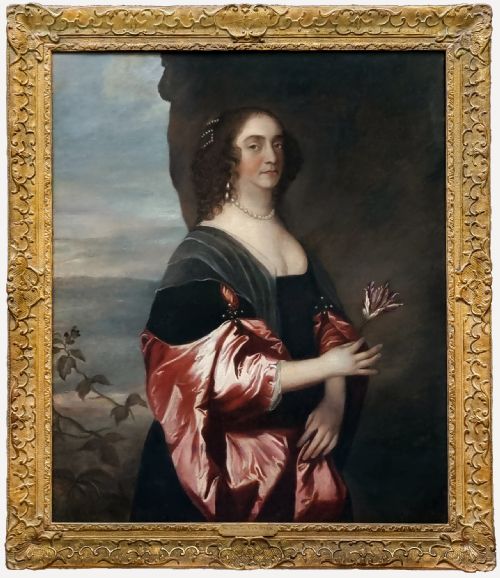
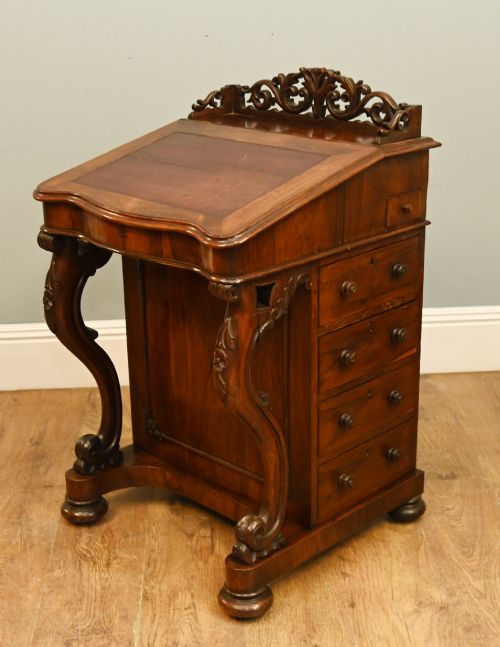
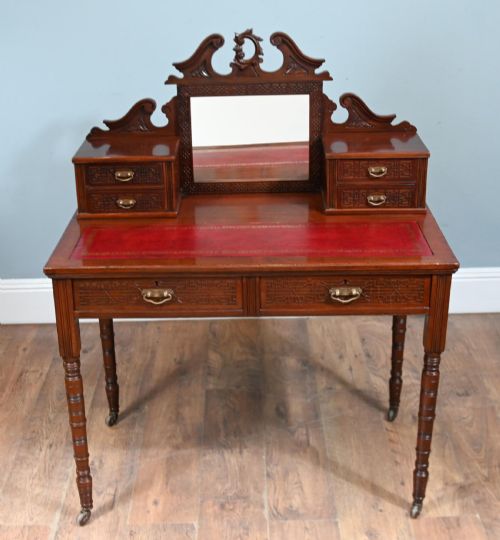
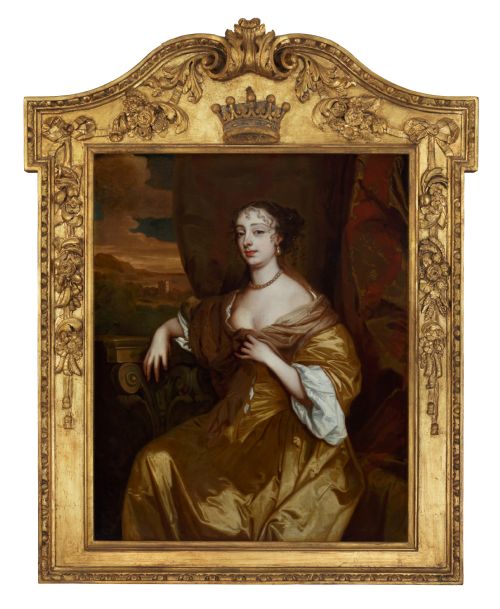
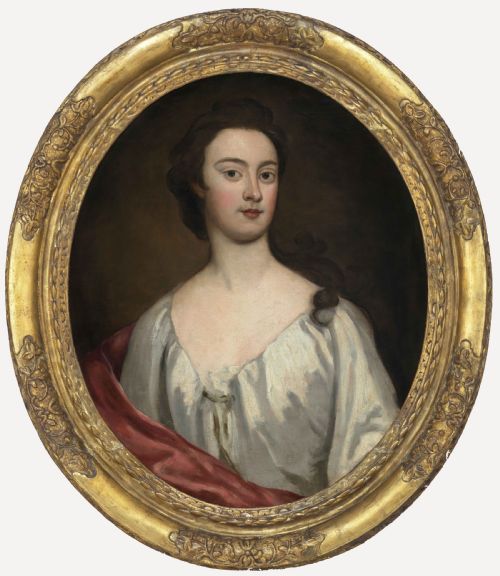
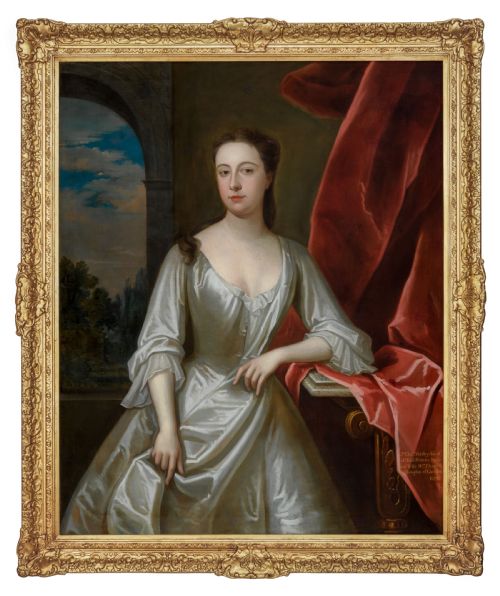
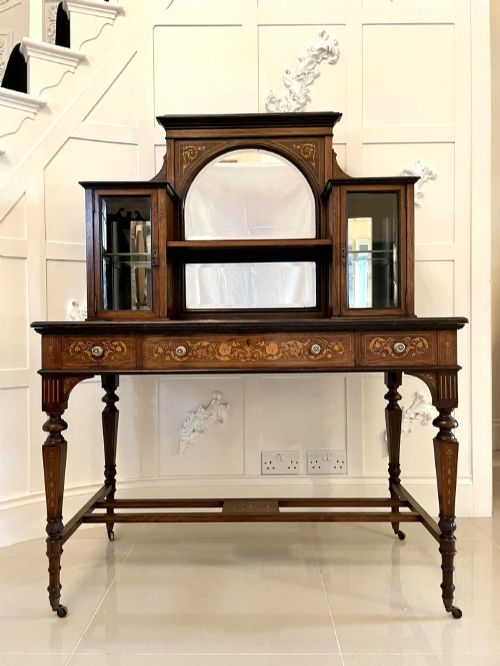
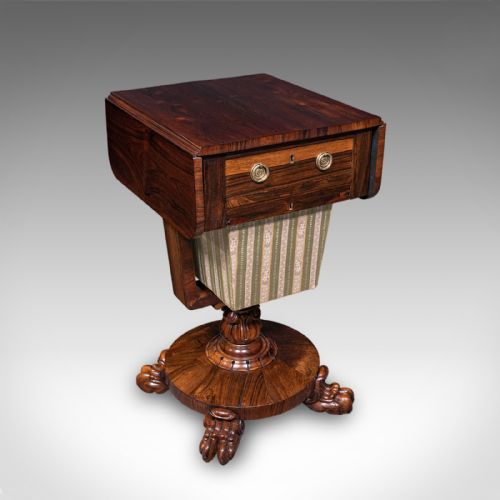
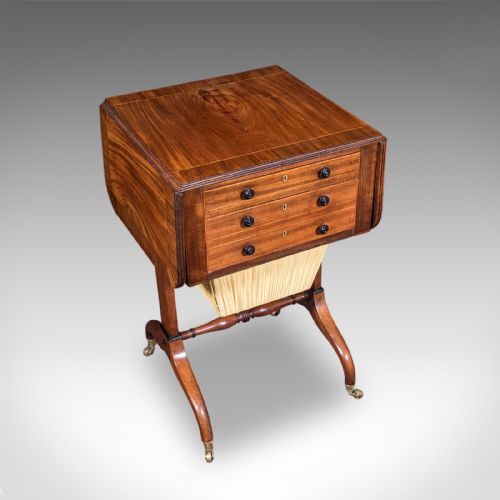
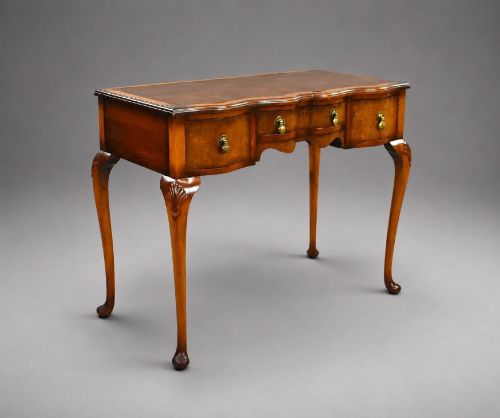
Writing furniture designed for women forms a distinct category within these listings, including burr walnut Davenport desks and kidney-shaped writing tables. Alongside these furnishings, oil paintings on canvas depict female subjects from various European schools across the seventeenth and eighteenth centuries.
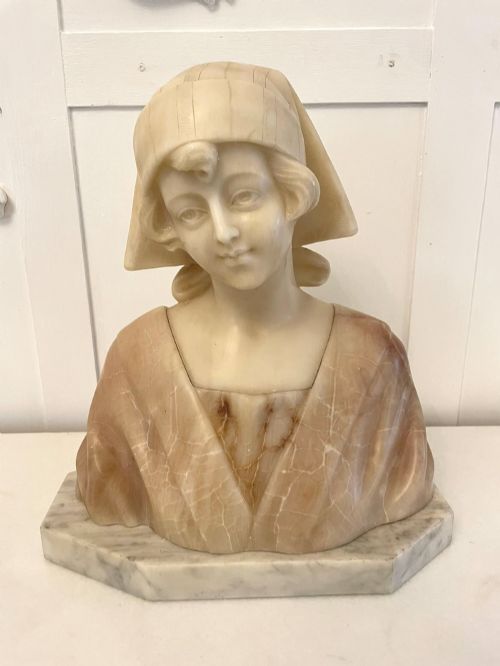
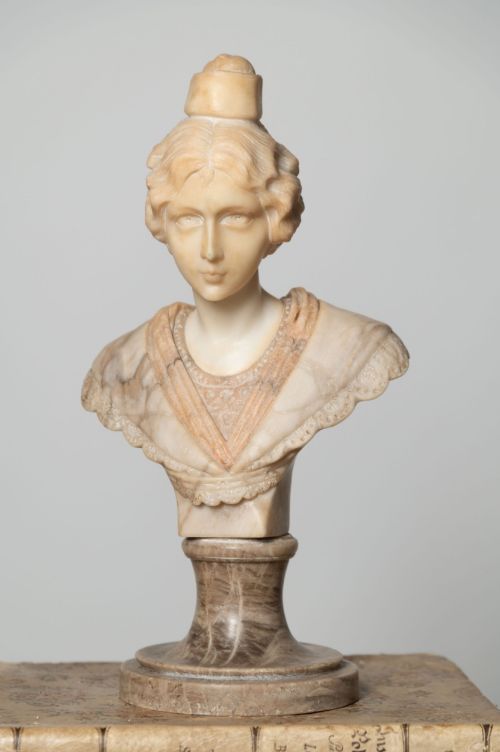
Sculptural works in alabaster and Carrara marble capture female forms from the nineteenth century, while smaller personal items incorporate carved shell cameos and coquilla nut snuff boxes. This mixture reflects domestic taste across multiple historical periods.
What varies in quality
The distinction between ordinary and exceptional pieces lies in the crispness and depth of the hand carving, whether executed in solid oak or imported marble. Sculptural works and wooden caryatids show superior artistry when facial expressions and drapery folds display natural movement rather than stiff execution.
Surface finish and timber selection heavily influence overall quality, with figured burr walnut and flame mahogany demanding greater skill from the cabinetmaker. Original patination, untouched frames on oil paintings, and intact marquetry inlay elevate the standing of any piece.
A double snuff shoe stores tobacco inside a carved wooden slipper, complete with a tiny painted portrait of a lady tucked under the lid.
Sir Godfrey Kneller·Henry Pickering·Sir Anthony Van Dyck·Nicolaes Maes·Sir Joshua Reynolds·François Jouvenet·Eugene Aizelin
The Antique Carved Lady Glossary
- Caryatid
- A sculpted female figure serving as an architectural support instead of a column or pilaster. This form appears frequently on seventeenth-century European woodwork.
- Bonheur du Jour
- A small, light lady's writing desk featuring a tiered superstructure with shelves or drawers above the main writing surface. These desks gained popularity during the eighteenth and nineteenth centuries.
- Cameo
- A gemstone, shell, or hardstone carved in relief to present a raised design against a contrasting background. Shell cameos often depict female profiles mounted in brooches or lockets.
- Davenport
- A compact writing desk featuring a sloping, leather-lined desktop with drawers accessed from the side. Victorian examples frequently utilise burr walnut and satinwood interiors.
- Coquilla nut
- The large, hard seed of an exotic palm native to South America, utilised for small turned and carved items like snuff boxes. Artisans carved intricate miniature details onto the dense brown shell.
Antique Carved Lady: Frequently Asked Questions
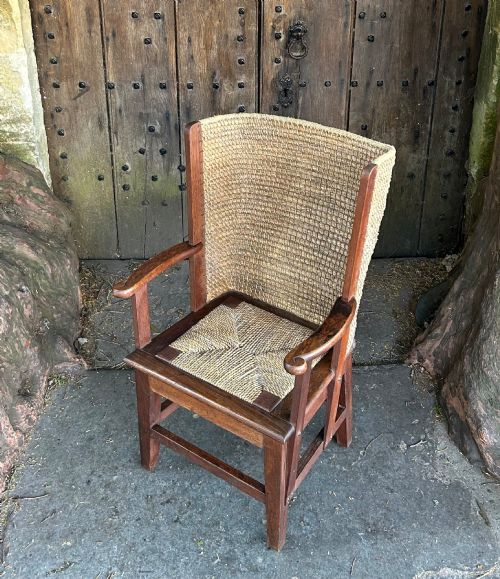
What is an Orkney chair?
An Orkney chair is a traditional Scottish seating form characterised by a high straw-backed frame woven from oat straw over a wooden structure. These chairs often feature low wooden hoods and small drawers beneath the seat.
Versions tailored for female use appear in twentieth-century examples, combining vernacular straw-work with sturdy timber framing designed for domestic comfort.
How are Davenport desks used?
Davenport desks provide a compact writing station with a sloping top that lifts to reveal stationery storage. The side drawers pull out to hold correspondence and writing implements.
Placed in drawing rooms or studies during the Victorian period, these desks offered a private writing space that occupied minimal floor area.
How do you identify marble busts?
Marble busts are carved from stone blocks, utilising materials like Carrara marble or alabaster to portray classical or historical female figures. The weight and cold density of the stone differentiate true marble from plaster casts.
Signatures or dates carved into the base often indicate the nineteenth-century sculptor and the specific stylistic influence, such as Neoclassical or Grecian.