


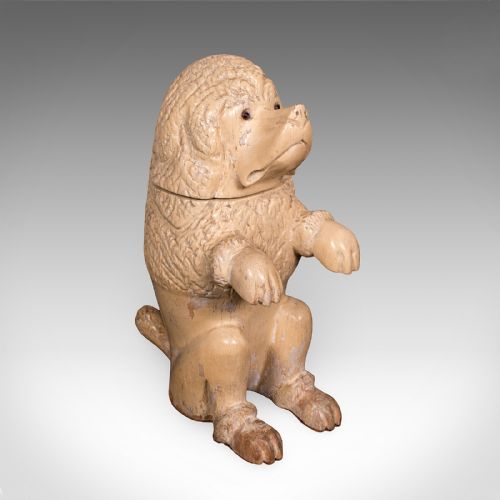


Antique Carved Jar
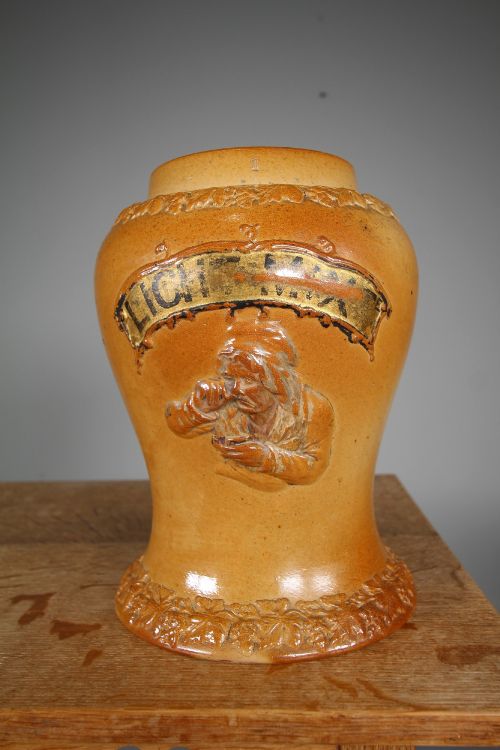
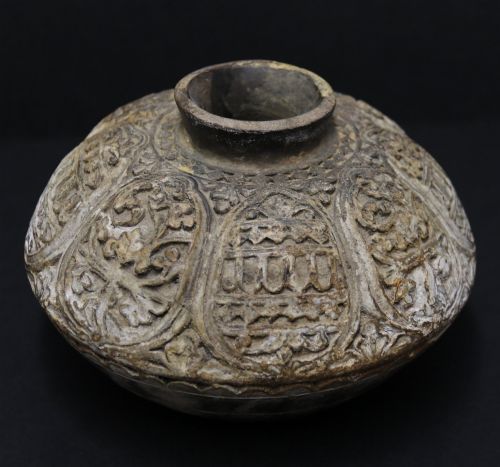
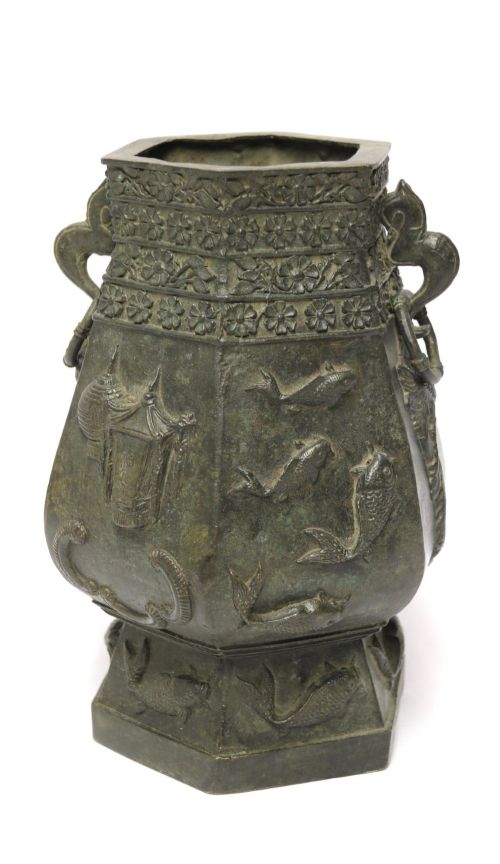
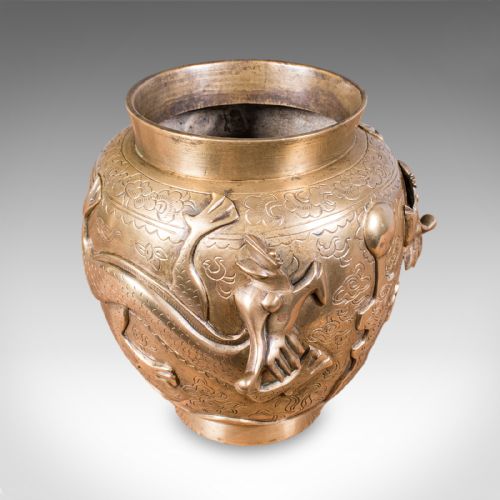
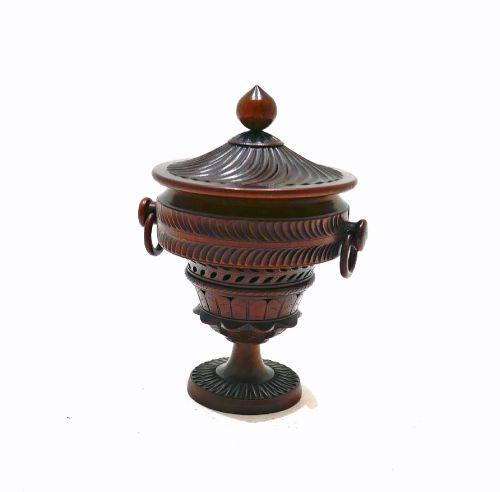
These antique carved jar examples bring together turned timber, moulded porcelain and cast metal from the nineteenth century and earlier.
Antique Carved Jar
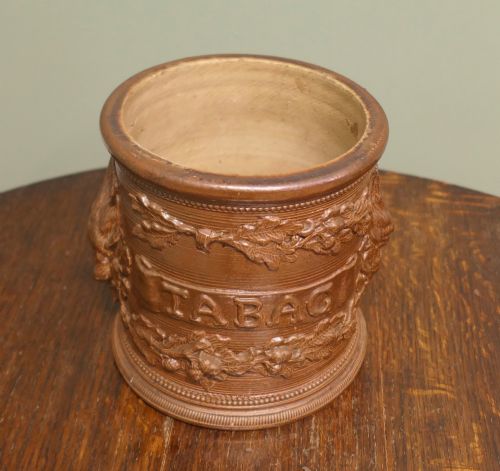
When you search for an antique carved jar, you find containers that served specific domestic purposes, including tobacco storage, biscuit barrels and tea caddies. The examples appearing on this page span the nineteenth century and earlier periods, originating from European workshops, British colonial regions and Chinese export centres.
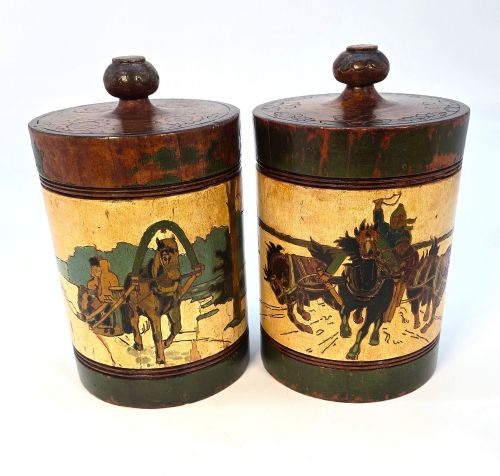
The most common forms on this page include wooden tobacco holders from Black Forest workshops and lidded vessels carved from fruitwood or oak. Alongside these timber pieces, the selection encompasses porcelain vases, bronze urns and coconut shell containers.
Makers utilised various materials to shape these vessels, ranging from linden wood and walnut to solid bronze and ceramic. Each object reflects the functional demands of its period, whether for keeping tobacco moist or serving dry biscuits at the Victorian table.
How they were made
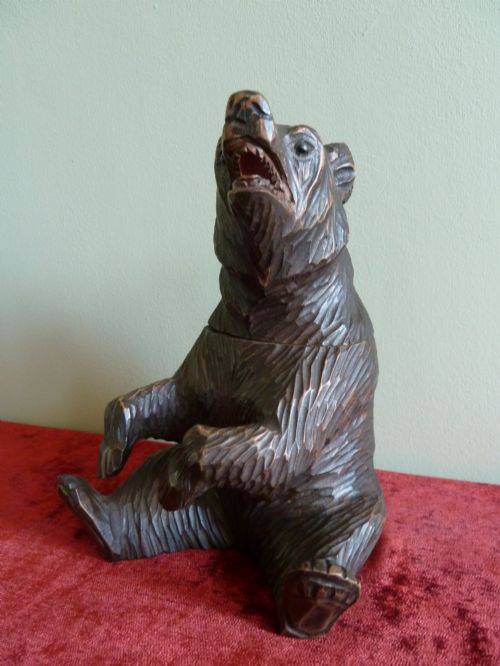
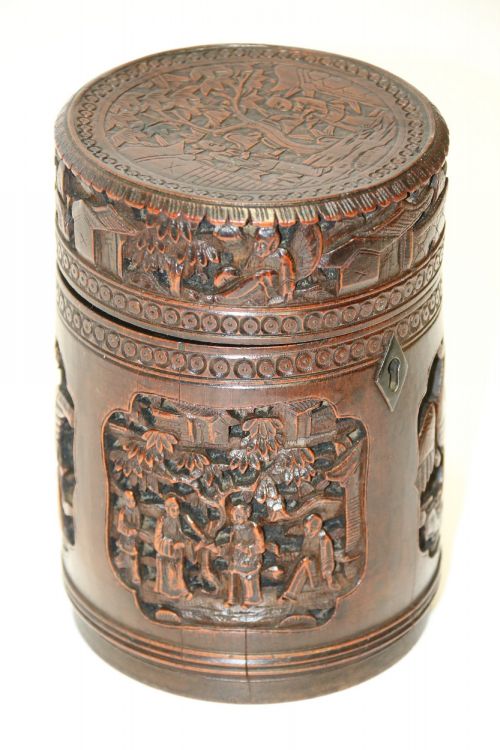
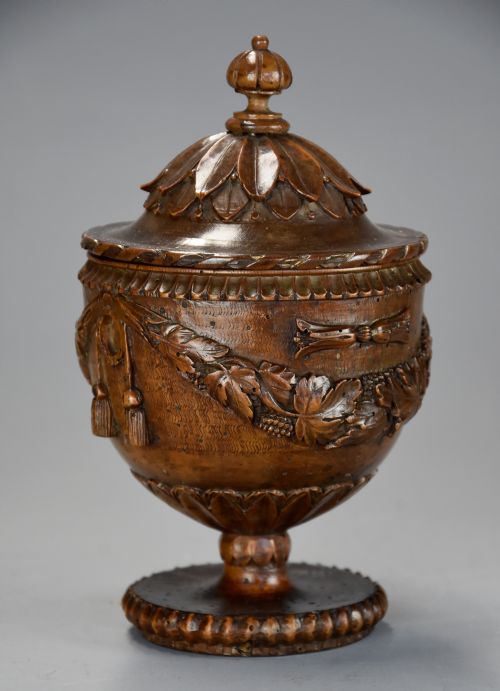
Carpenters and carvers shaped these pieces using dense timbers such as oak, fruitwood, walnut and pollard birch, employing hand chisels to create detailed figural or geometric motifs. Black Forest pieces demonstrate deep relief carving in linden wood, depicting bears and dogs with glass eyes.
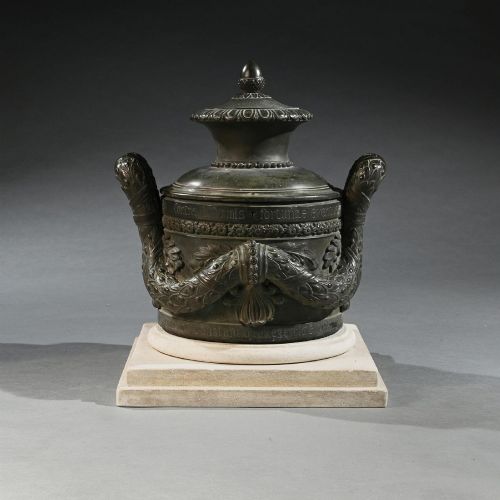
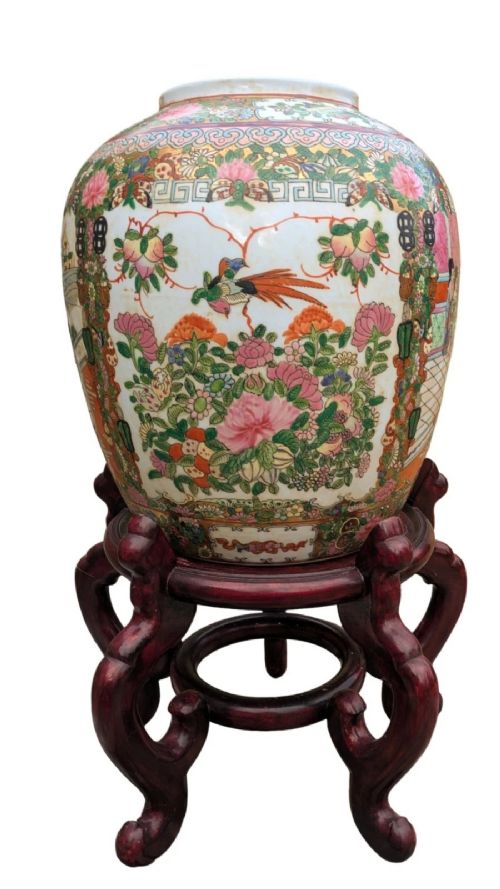
Metal vessels on this page rely on casting techniques in bronze and brass, sometimes complemented by silver plate mounts or intricate embossing. Ceramic jars and vases utilise porcelain bodies decorated with underglaze blue, enamel or cinnabar lacquer overlays.
Antique Carved Jar Retail Price Guide 2026
Typical asking prices for carved jar among the pieces listed under this phrase on Sellingantiques today, from the lower quarter to the upper quarter. They describe what is for sale here now, not the wider market.
Listings span the 18th century, 19th century and Edwardian periods, featuring materials from bronze and porcelain to fruitwood, coconut shell and cinnabar lacquer.
What varies in quality
The depth and crispness of the carving dictate the distinction between standard turned containers and superior sculptural pieces. Animal figures with glass eyes and expressive faces demonstrate a higher degree of sculptural competence than plain turned boxes.
Material selection and finish also define the tier of the piece, from simple oak and silver plate combinations to finely chased solid bronze or deeply carved red cinnabar lacquer.
The Antique Carved Jar Glossary
- Treen
- Small handmade wooden objects for domestic use. This term covers everything from turned lidded cups to carved spice containers.
- Humidor
- A moisture-controlled container designed for storing tobacco. These often take sculptural animal forms in Black Forest carvings.
- Cinnabar
- A red mineral pigment applied in multiple layers to a core material and then carved. Chinese pieces utilise this technique on lacquer.
- Biscuit barrel
- A lidded ceramic or wooden container used for holding dry biscuits at the dining table. Many Victorian examples feature silver plate mounts.
- Imari
- A style of Japanese porcelain decorated in underglaze blue and iron red with added gold. These pieces appear frequently among nineteenth-century vases.
Antique Carved Jar: Frequently Asked Questions
What were these jars used for?
These containers held domestic commodities such as tobacco, biscuits, tea leaves and spices. Their forms directly reflect these utilitarian purposes within nineteenth-century households.
Many featured tight-fitting lids to preserve the contents, while others served purely decorative functions as urns or potpourri holders.
How do I date a wooden carved jar?
Dating relies on identifying the timber species, tool marks left by the carver and the prevailing stylistic period. Nineteenth-century pieces often show distinct hand-chiselling beneath fitted lids.
Comparing the hardware, such as hinges or silver-plated mounts, with known manufacturing periods helps narrow down the decade of production.
Where were Black Forest jars made?
These carved wooden containers originated in the mountainous Brienz region of Switzerland during the nineteenth century. Local woodcarvers specialised in rendering bears, dogs and forest animals with realistic detail.
Exported widely to Britain and Europe, these items satisfied Victorian demands for novelty domestic wares.
How should I clean an antique wooden jar?
Maintenance requires gentle dusting with a dry, soft cloth to prevent dirt accumulation in the carved recesses. Avoid using modern chemical polishes or water on aged timber.
Applying a traditional beeswax sparingly helps preserve the natural sheen of woods like oak, walnut and fruitwood.