


Antique Carved Display Stand
An antique carved display stand elevates ornaments, plants and books, bringing period timber and sculpture into a room.
Antique Carved Display Stand
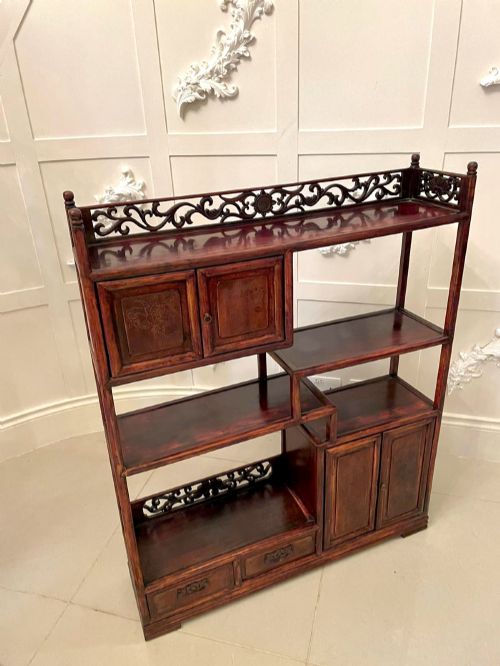
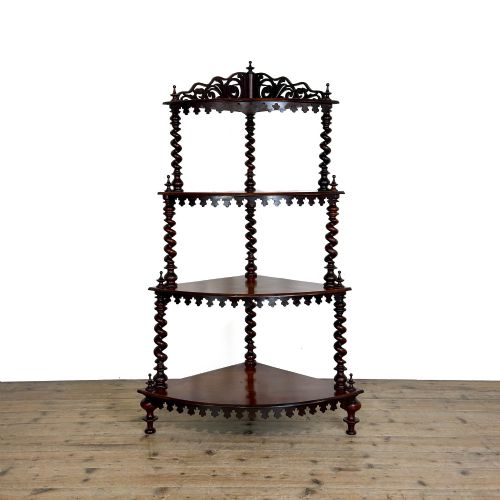
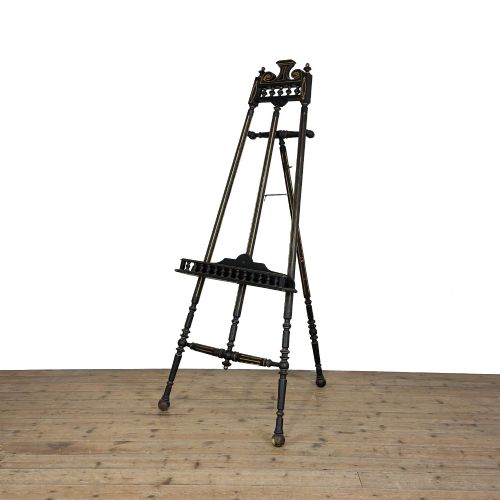
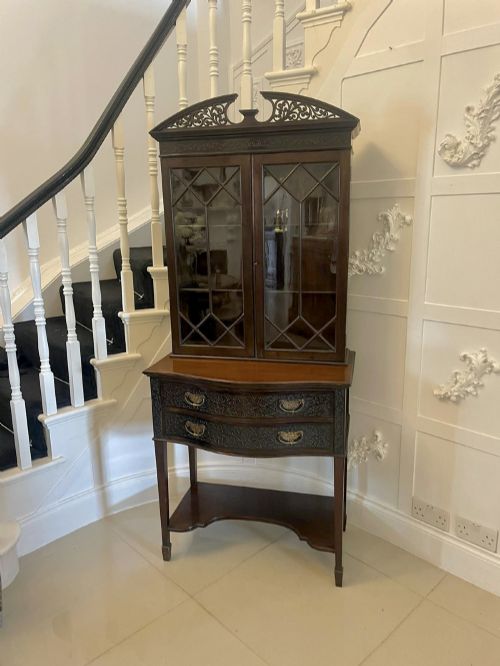
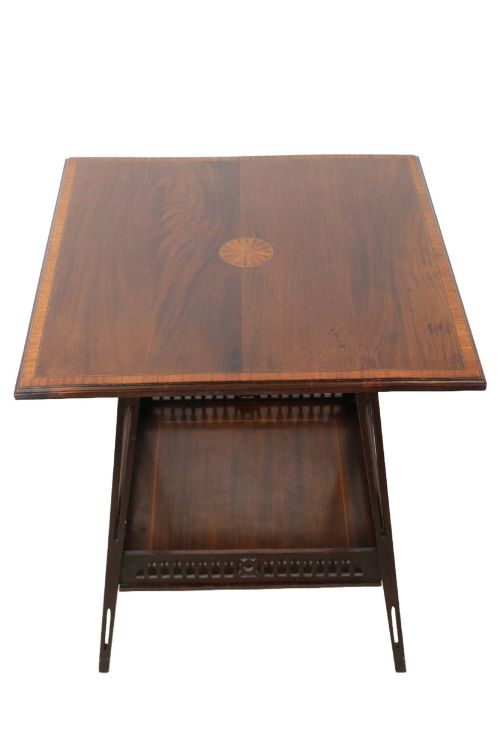
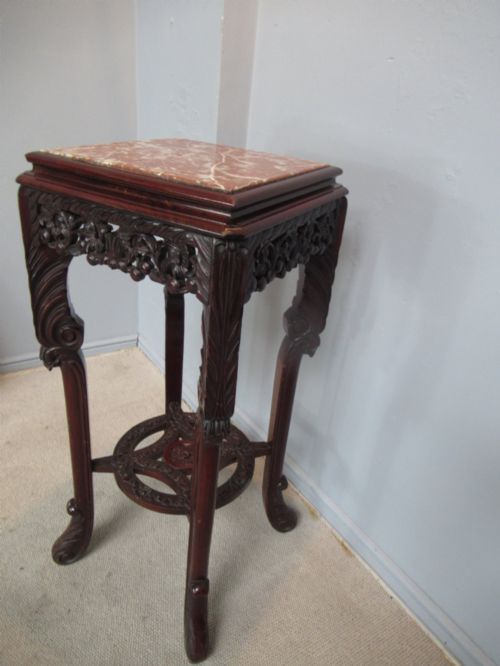
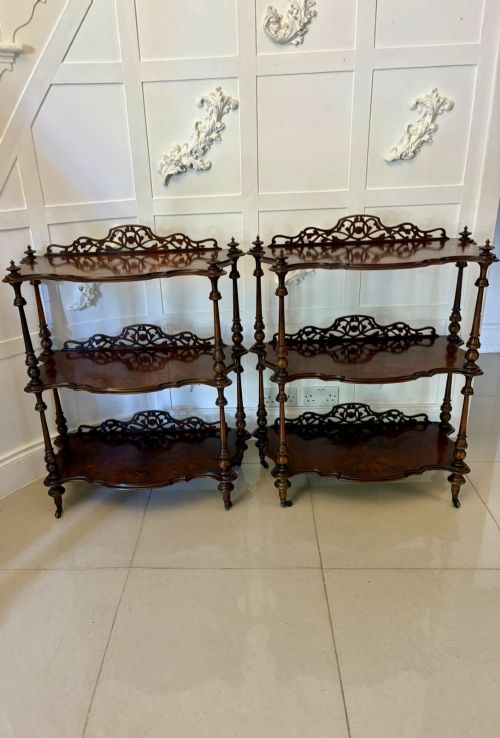
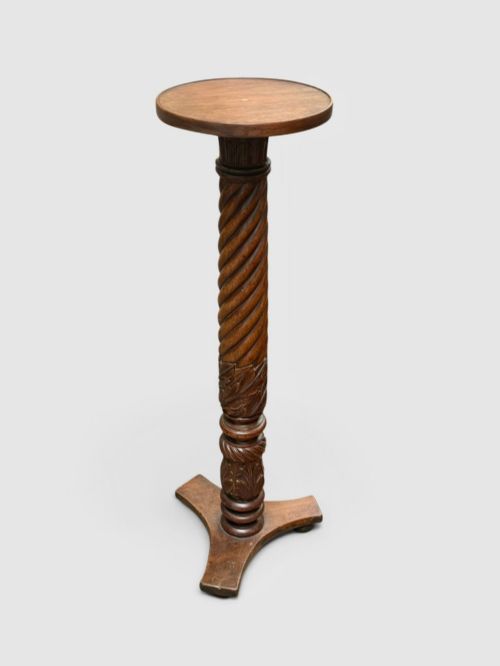
An antique carved display stand encompasses tiered whatnots, tall pedestals, plant stands and corner cabinets designed to showcase prized objects. You encounter Victorian mahogany pieces alongside Edwardian oak tiers, walnut etageres and oriental hardwood designs.
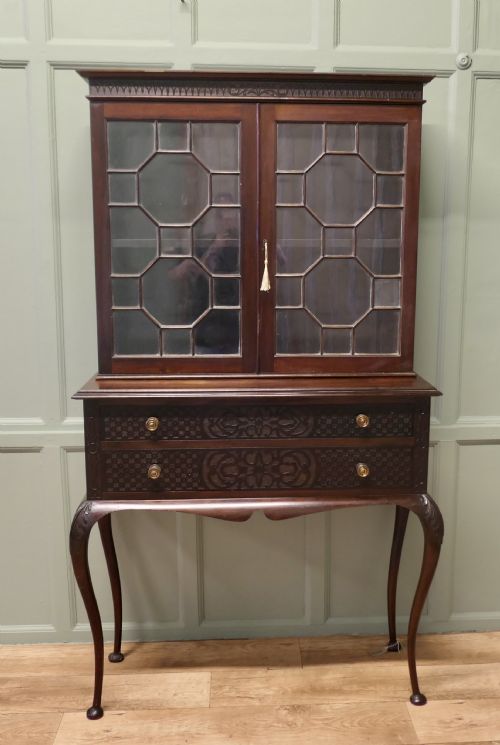
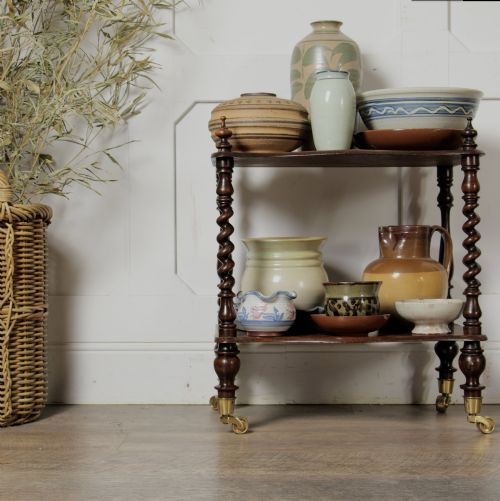
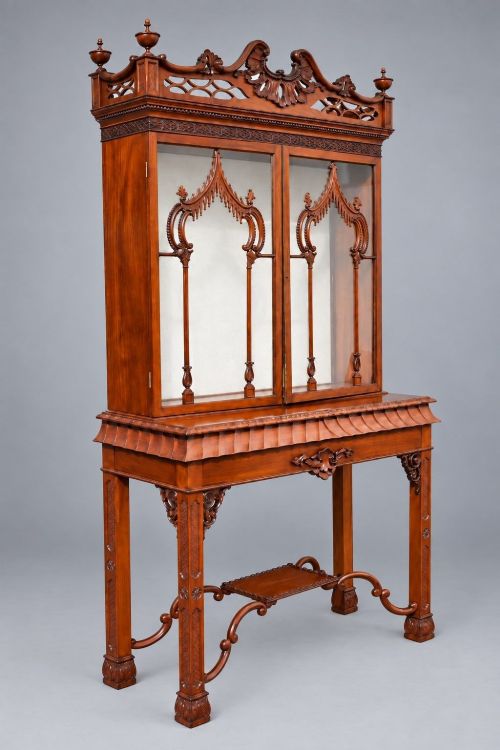
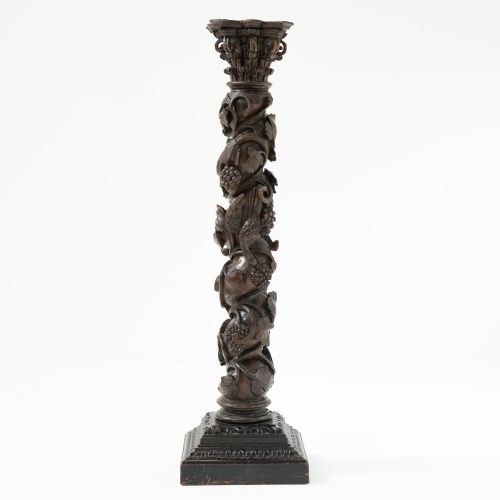
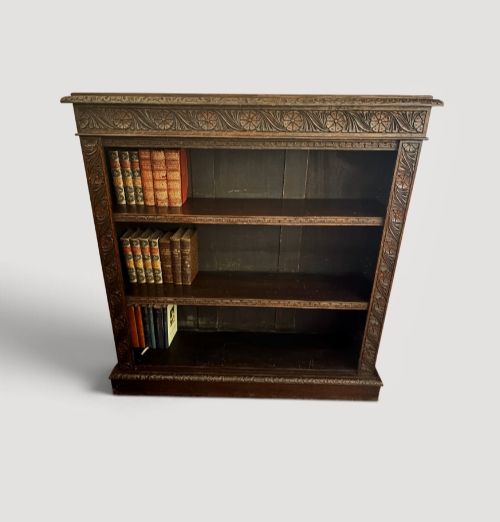
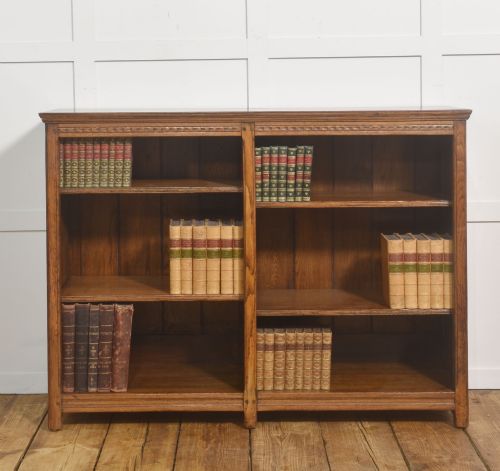
The selection ranges from barley twist plant stands and torchere columns to glazed display cabinets and open bookcases. Most examples date from the nineteenth century, spanning Victorian and Edwardian periods.
Forms vary from compact corner shelves and side tables to substantial floor-standing music cabinets and pedestals. Each piece serves to elevate decorative items using traditional joinery and carved timber.
Materials and construction
Cabinet makers utilised dense hardwoods including mahogany, walnut, burr walnut, oak and teak, often finished with detailed hand carving. Secondary materials such as brass, glass, marble and mother of pearl inlay appear across tables, cabinets and stands.
Construction techniques involve mortise and tenon joints for structural stability, turned columns like barley twists, and glazed doors with astragal bars. Surfaces display ebonised finishes, figural carvings and intricate inlay work suited to display furniture.
Periods represented span the eighteenth century, nineteenth century, Victorian, Edwardian, 1880, 1890, 1900, 1910, 1920 and 1930.
Distinctions in quality
The standard of carving determines much of the distinction, separating crisp, deep sculptural work from flat or mechanical execution. Superior pieces exhibit well-figured timber veneers like burr walnut and robust structural joints that endure daily weight.
Refinement in secondary details, such as matched grain patterns, bevelled glass panels and original brass hardware, elevates an item from utility to fine cabinet work.
Trevor Page and Co·Gabriel Viardot·Maple and Co
The Antique Carved Display Stand Glossary
- Torchere
- A tall stand or pedestal originally designed to hold a light source, now used for displaying plants, urns or vases. They often feature carved columns and circular tops.
- Étagère
- A piece of furniture consisting of a set of open shelves for displaying small objects. Originating in France, these tiered stands utilise walnut, mahogany or rosewood.
- Astragal glazed
- A window or cabinet door divided into smaller panes by narrow wooden bars called astragals. This technique frames the glass display area securely.
- Solomonic
- A helical or spiral column twisting along its vertical axis. This classical architectural form appears on pedestals and display stands.
Antique Carved Display Stand: Frequently Asked Questions
What is an antique whatnot used for?
A whatnot provides multiple tiered shelves for holding decorative objects, ornaments and books within a living space.
Victorian homes utilised these open stands in parlours and drawing rooms to display collections of porcelain and silver.
How do I use a torchere stand at home?
A torchere serves as a tall column to elevate plants, lamps, urns or sculptural vases in corners and empty spaces.
Their narrow footprint allows them to add height and architectural interest without occupying much floor area.
How do I distinguish Victorian from Edwardian stands?
Victorian pieces frequently employ dense mahogany or burr walnut with heavier carvings, barley twists and dark finishes.
Edwardian items often favour lighter oak or inlaid mahogany with simpler Arts and Crafts or revival lines.
What woods are common in these display pieces?
Mahogany and walnut dominate the listings, frequently appearing with figured veneers like burr walnut or polished surfaces.
Oak, teak, padauk and various oriental hardwoods also feature alongside marble tops and brass fittings.