



Antique Carved Cross
An antique carved cross brings centuries of devotion and craftsmanship into a room, offering tactile connection to historical ritual and domestic prayer.
Antique Carved Cross
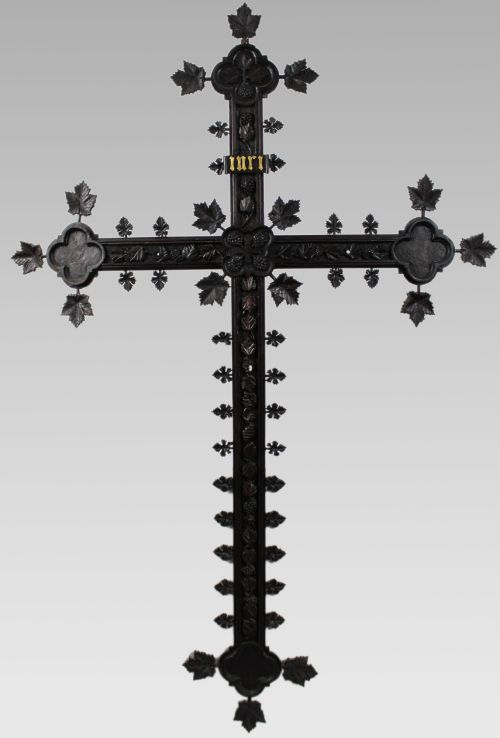
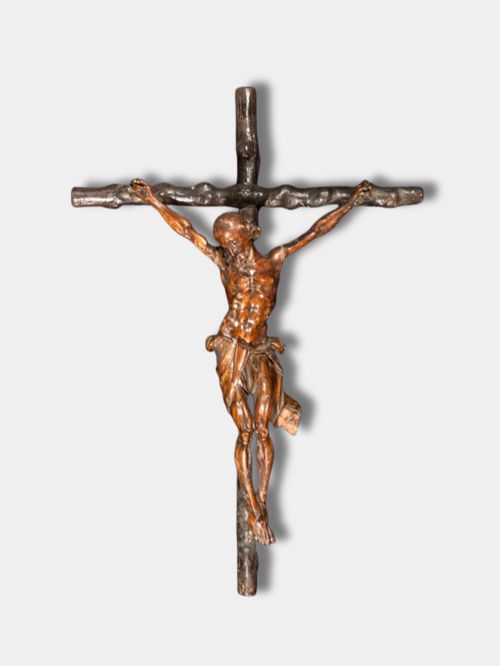
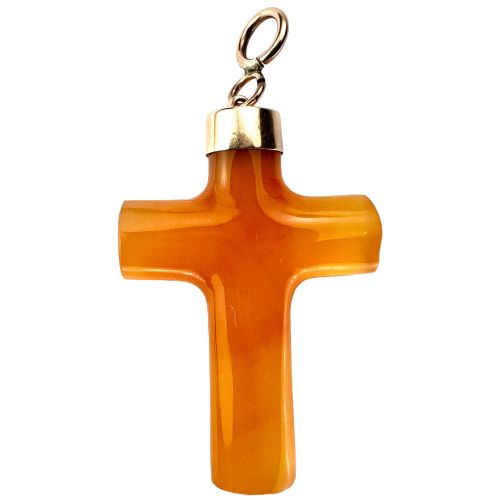
An antique carved cross encompasses devotional sculptures, hanging pendants, and architectural fixtures produced across several centuries of European craftsmanship. These items range from diminutive personal items worn on chains to substantial wall-mounted sculptures and table-standing crucifixes.
The versions most frequently encountered on this page date from the nineteenth century, often reflecting Victorian or Gothic Revival tastes, alongside earlier continental examples. Artisans shaped these pieces from various timbers and metals, incorporating detailed figures of Christ and intricate surface decoration.
Collectors seek these devotional works for their sculptural presence and the solemnity they bring to an interior. Their forms vary from simple wooden frameworks to elaborate gilt and gesso creations intended for private chapels or domestic contemplation.
How they were made
Carvers shaped these objects using dense hardwoods such as oak, walnut, mahogany, and olive wood, relying on traditional hand chisels and gouges to define the corpus and the grain of the timber. Some pieces incorporate softer woods like boxwood or pine beneath gesso and gilt layers.
Metal components, including brass and silver, were cast or worked by hand to form pendants, mounts, and structural reinforcements. Surface finishes range from polished natural wax on oak and walnut to ebonised treatments and applied gold leaf.
The archive records Spanish, French, and British origins alongside Gothic and Neoclassical styles.
What varies in quality
Material selection and structural integrity also divide the range, with solid native hardwoods and heavy cast metals outlasting veneered or composite substitutes. The preservation of original surface treatments, such as genuine gilding and untouched patination, elevates an item's integrity.
Miles & Edwards·Gillows
The Antique Carved Cross Glossary
- Corpus Christi
- The sculptural figure of Christ affixed to the cross. This representation forms the central devotional focus of the object.
- Giltwood
- Timber that has been coated with a thin layer of gold leaf or gold paint over a prepared ground. It provides a luminous surface often seen on devotional and neoclassical furnishings.
- Gesso
- A plaster-like mixture applied to wood surfaces to create a smooth base for gilding or painting. It allows for sharp relief moulding.
- Prie Dieu
- A devotional prayer desk or chair featuring a sloping shelf for books and a padded ledge for kneeling. These domestic chapel pieces date frequently from the nineteenth century.
- Crucifix
- A cross bearing a representation of the figure of Christ. It differs from a plain cross by the inclusion of the corpus.
Antique Carved Cross: Frequently Asked Questions
How do I date an antique cross?
Dating relies upon examining the tooling marks, wood species, and stylistic indicators such as Gothic Revival motifs or Victorian proportions. Fasteners, construction methods, and the natural ageing of the timber provide further chronological clues.
Comparative analysis with documented devotional objects from the seventeenth, eighteenth, and nineteenth centuries helps narrow the period of origin. Specialists also look at the wear patterns on the reverse and mounting points.
What woods were commonly used?
Carvers utilised dense timbers capable of holding fine detail, with oak, walnut, and mahogany appearing frequently in domestic pieces. Olive wood and boxwood were often selected for smaller, highly detailed continental carvings.
Secondary woods and applied finishes like ebonising or giltwood further characterise the regional traditions of the makers. Each timber responds differently to carving, influencing the crispness of the final relief.
How were these crosses displayed?
Larger examples were designed for wall mounting in domestic interiors or chapels, serving as focal points for daily prayer. Table-standing versions featured weighted bases to remain upright on altars, desks, or mantels.
Smaller items, such as pendants, were worn upon chains as personal testaments of faith. Domestic devotional spaces often integrated these pieces alongside prayer chairs and small tables.
Are these items purely decorative?
While many possess high sculptural and aesthetic value, they originated as sacred objects intended for active religious devotion. Their craftsmanship reflects the spiritual importance placed upon them by their original makers and owners.
Today, collectors appreciate them both for their historical significance and their ability to anchor a contemplative interior scheme. Their presence bridges sacred art and historical domestic furnishing.