




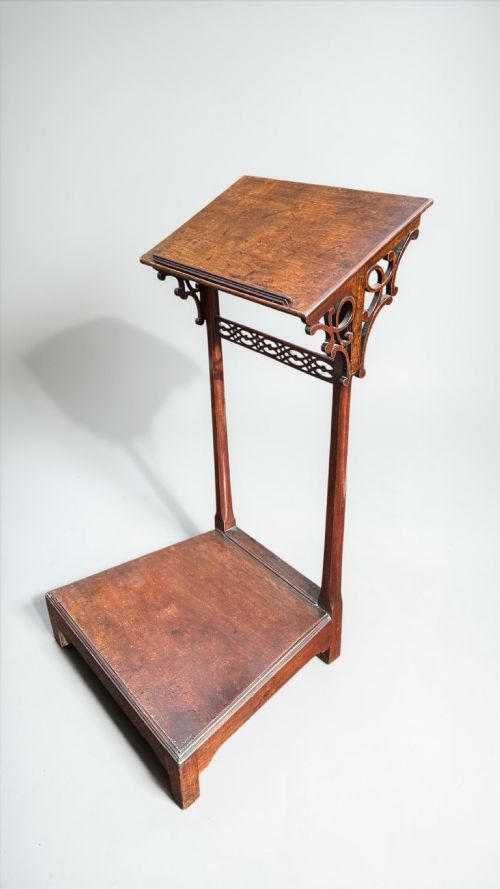
Antique Devotional Carving
An antique devotional carving brings centuries of private faith into a room, taking the form of wooden figures, saints, and household altars.
Antique Devotional Carving
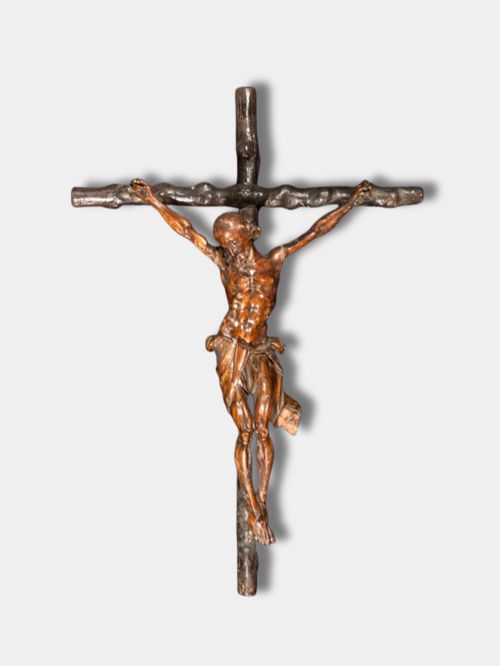
When you search for an antique devotional carving, you encounter objects shaped by centuries of religious practice across Europe. These pieces range from substantial Spanish and German corpus Christi figures to small folk art statues and miniature portraits of saints.
The material record spans from the fifteenth century through the Victorian era, bringing together domestic prayer furniture such as oak and mahogany prie-dieus alongside carved olive wood, boxwood, and lindenwood sculptures.
Most items reflect regional European traditions, particularly Italian, Spanish, and French craftsmanship. You also find household altars, reliquary mirrors, and processional figures intended for personal or communal worship.
Materials and Technique
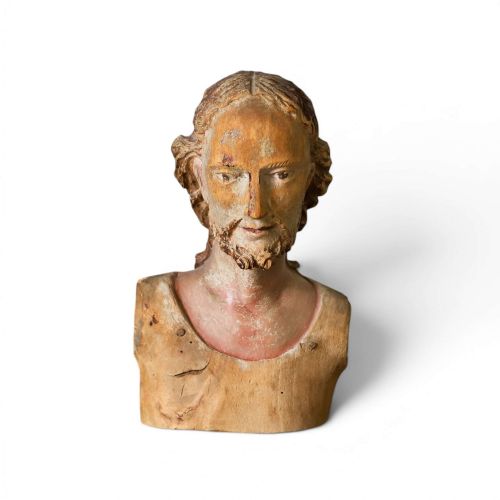
Makers shaped these devotional objects primarily from native hardwoods, employing oak, boxwood, lindenwood, and olive wood. Carvers worked the grain to achieve fine facial expressions and drapery folds on figures of the Madonna and saints.
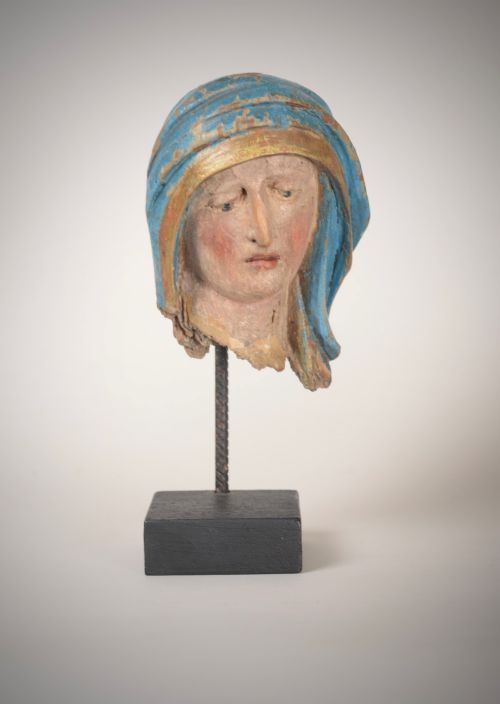
Many surfaces received layers of gesso, polychrome paint, or gold leaf to enhance the visual impact of the carving. Artisans applied pigments directly to wood or stone to render lifelike flesh tones and coloured garments.
Metals such as brass and gold appear alongside carved shell and mother-of-pearl in smaller wearable items like pendants and medals. Furniture pieces integrate upholstered elements like green velvet within ebonised or rosewood frames.
A tiny cowrie shell from the nineteenth century carries the entire Lord's Prayer carved across its curved surface by a remarkably steady hand.
Assessing Quality
Quality rests upon the anatomical precision and expressive depth of the carving. Superior figures display careful hand-chiseled detail in the hair, hands, and drapery, whereas lesser examples rely on hurried execution or crude folk styling.
The preservation of original surface treatments marks a distinction between pieces. Surviving polychrome pigment and intact gold leaf elevate an object's integrity above stripped or heavily repainted surfaces.
Construction methods determine the standard of larger items like prayer chairs and home altars. Solid timber frames and traditional joinery separate durable church and domestic furniture from compromised pieces.
Juan Ruiz Soriano Circle·Benvenuto Tisi Follower
The Antique Devotional Carving Glossary
- Corpus Christi
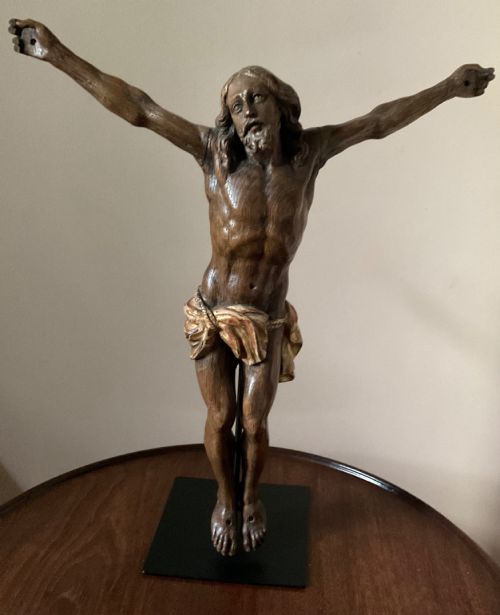
- A sculptural depiction of the body of Jesus Christ on the cross. These figures appear in various sizes carved from boxwood, olive wood, or lindenwood.
- Prie Dieu
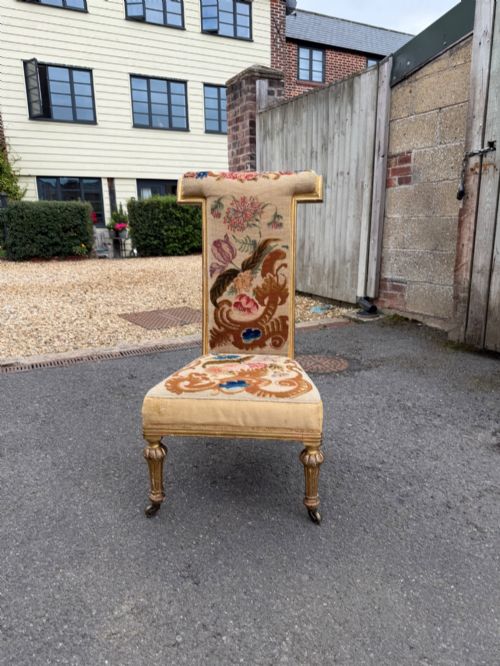
- A kneeling desk or prayer chair designed for personal devotion. Examples from the Victorian era often feature carved oak, rosewood, or ebonised frames paired with upholstered rests.
- Polychrome
- A decoration style using multiple colours applied to wood, stone, or plaster surfaces. This technique brings realism to devotional statues and household altars.
- Reliquary
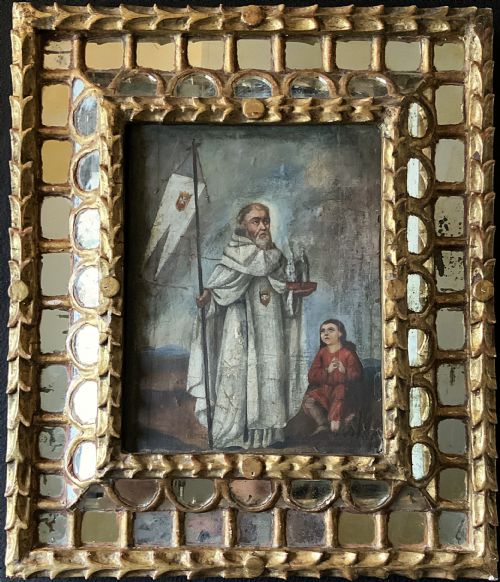
- A container or mirror frame designed to house or display a sacred relic. These items often incorporate giltwood, brass, and carved ornamentation.
- Santos
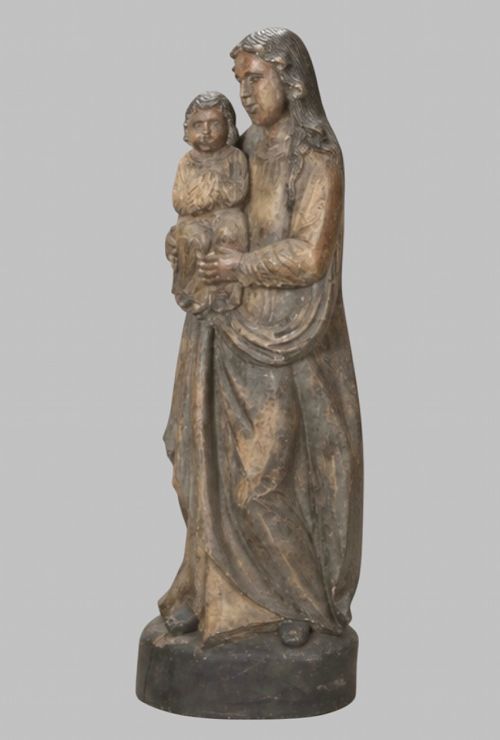
- A carved figure representing a saint or holy person used in processional or domestic settings. These statues frequently originate from Spanish and Italian folk traditions.
Antique Devotional Carving: Frequently Asked Questions
How do I identify a corpus Christi?
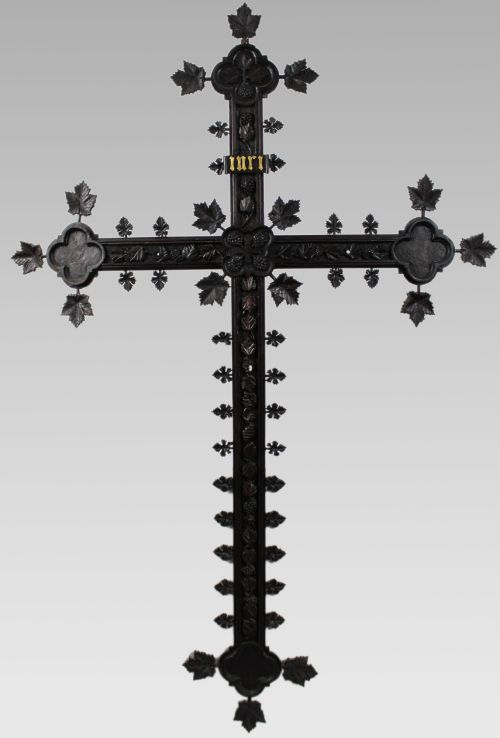
A corpus Christi represents the physical figure of Christ affixed to a cross. These range from small handheld carvings to large altar pieces.
They appear in materials like boxwood and ivory, often showing distinct regional carving traits from Spanish or German workshops.
What is polychrome wood?
Polychrome wood refers to carved wooden objects painted with multiple colours, often over a prepared gesso layer. This technique gave statues of saints and the Madonna a lifelike appearance.
Original pigment layers distinguish untouched devotional carvings from later restorations.
Where were these carvings made?
Devotional carvings originate predominantly from European workshops, with strong representation from Italy, Spain, France, and Germany. Regional folk traditions shaped local materials into distinct liturgical forms.
Master carvers and local artisans produced these items for churches, monasteries, and private household altars.
What is a home altar?
A home altar provides a focal point for domestic religious observance, housing small statues, paintings, or reliquaries. These wooden structures often feature architectural elements like pediments and carved doors.
Spanish folk art examples frequently incorporate painted panels and shelves for devotional figures.