


Antique Carved Bowl
An antique carved bowl brings centuries of craft into a room, offering tactile warmth and historic utility through turned wood, heavy bronze, and carved stone.
Antique Carved Bowl
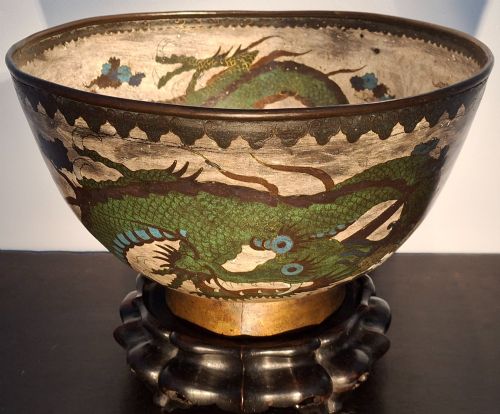
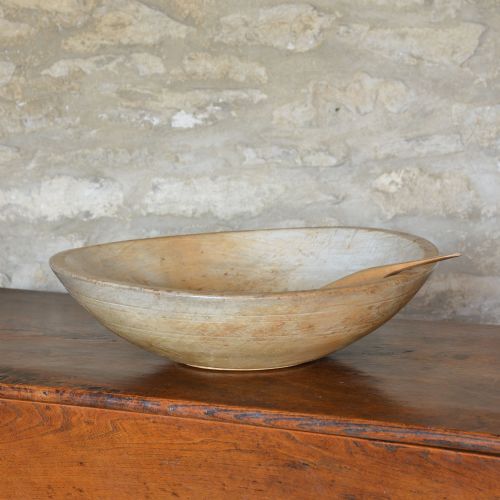
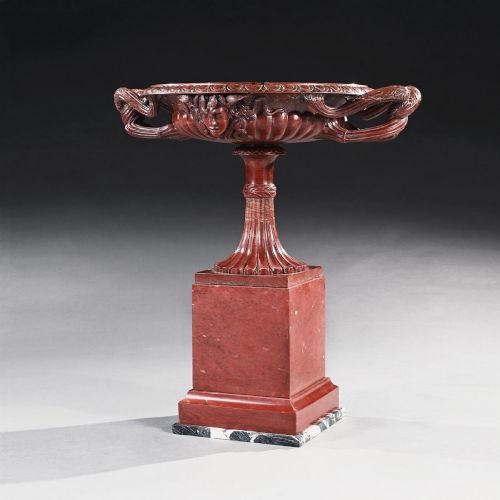
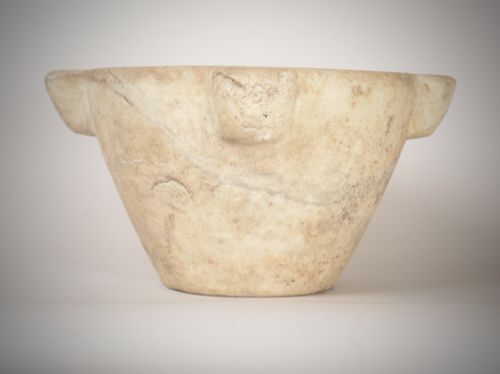
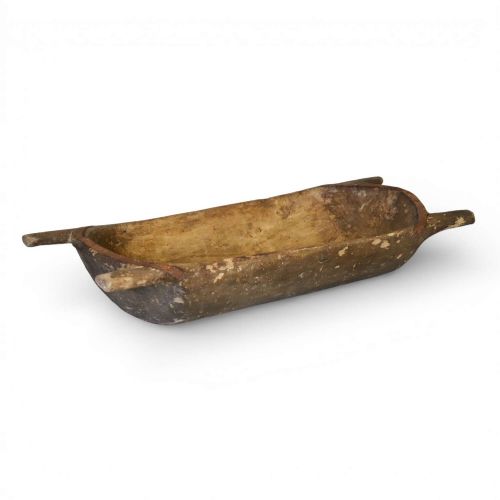
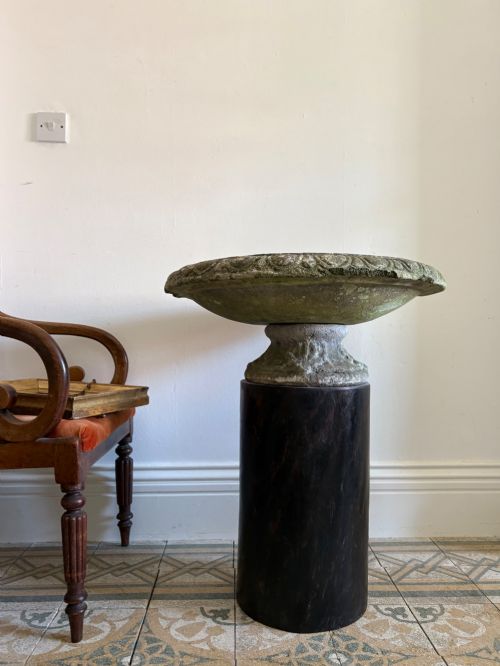
When you search for an antique carved bowl, you encounter a remarkably varied group of vessels spanning domestic treen, kitchen mortars, and ritual Asian bronzes. The forms range from simple dairy sycamore bowls and painted Scandinavian timber to grand Italian marble tazza and Chinese archaic vessels.
The domestic wooden examples, including French dough troughs and Swiss fruit bowls, show the practical utility of timber in past centuries. At the same time, decorative bronze and marble pieces demonstrate how skilled carvers and metalworkers applied intricate relief panels and classical motifs to ceremonial vessels.
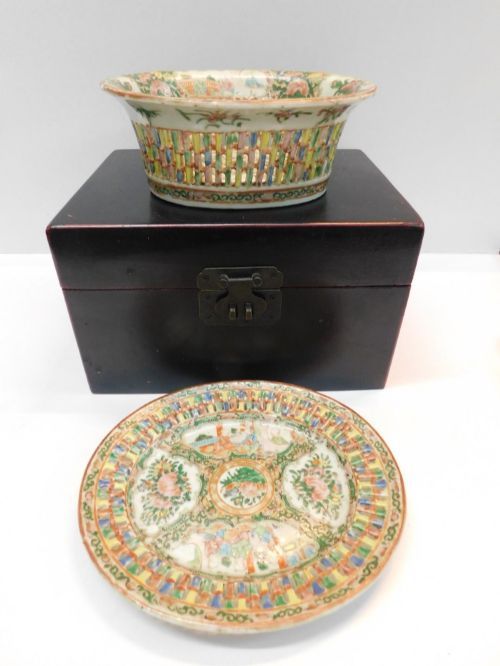
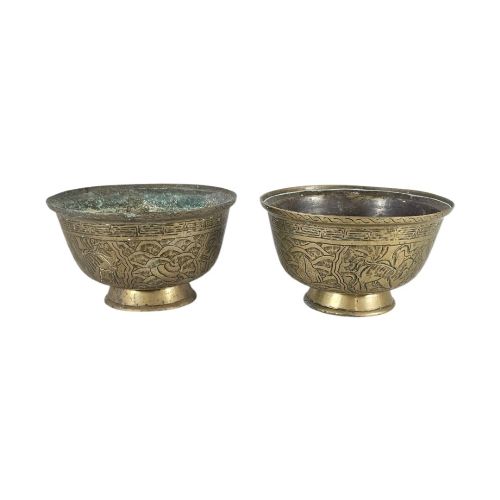
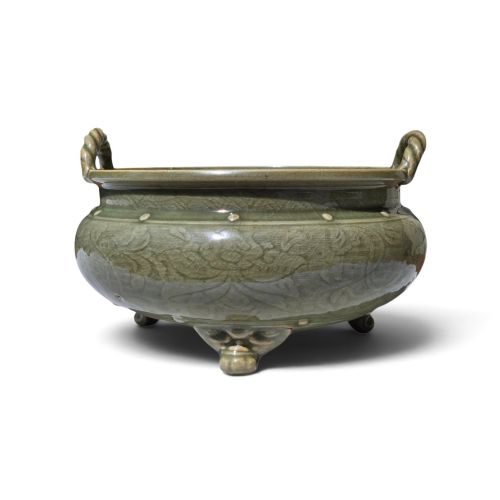
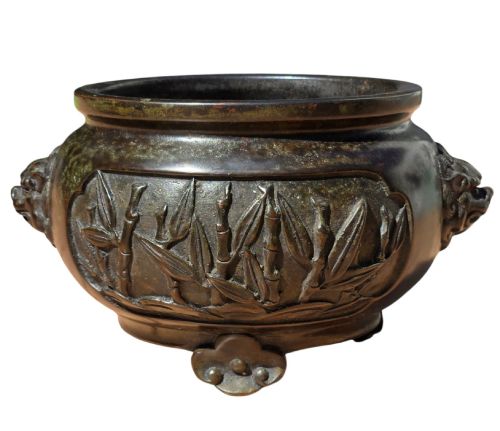
You will also find Asian ceramics and bronze censers featuring incised floral motifs and dragon designs alongside European neoclassical stone planters. Each piece reflects the specific material culture of its origin, whether carved from a single block of marble or turned on a lathe from local hardwoods.
How they were made
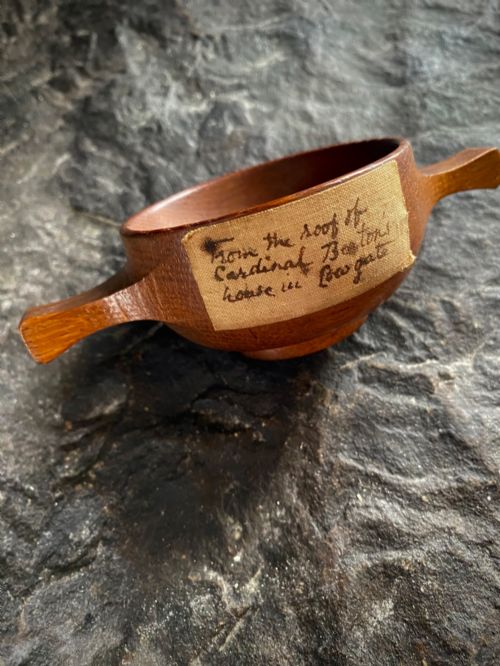
Wood is shaped using traditional turning and carving techniques, utilising dense timbers like sycamore, oak, and burr walnut to create durable domestic dairy bowls and fruit centerpieces. Artisans often left tool marks or applied painted finishes to protect the grain while enhancing the visual character of the timber.
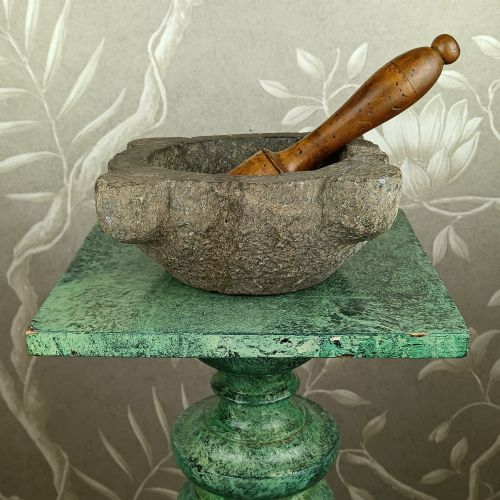
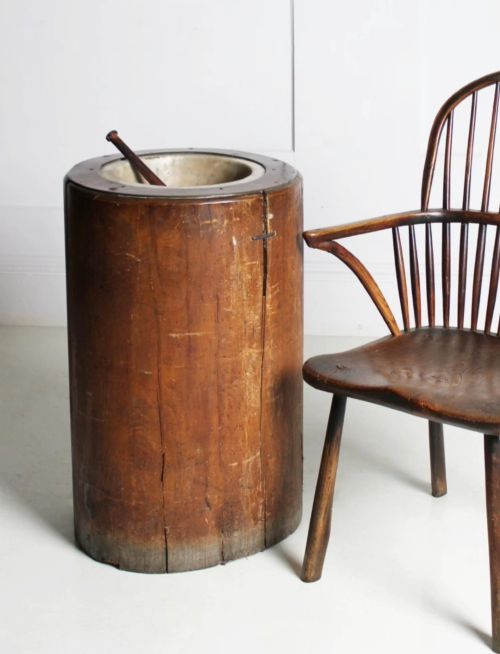
Stone and marble pieces, such as heavy mortars and Grand Tour tazza, are painstakingly carved and polished from solid blocks of alabaster, basalt, or rosso antico. Bronze and brass vessels utilise casting methods, sometimes incorporating applied relief panels like the three friends of winter or dragon motifs.
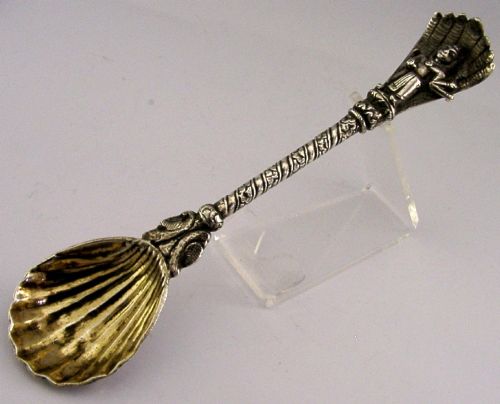
Silver and ormolu mounts are frequently added to wooden or ceramic bodies, requiring precise metalwork to secure handles, rims, and pedestals. These mixed-media constructions combine the organic warmth of natural shells and timber with the durability of cast metal.
Antique Carved Bowl Retail Price Guide 2026
Typical asking prices for carved bowl among the pieces listed under this phrase on Sellingantiques today, from the lower quarter to the upper quarter. They describe what is for sale here now, not the wider market.
Periods represented across these bowls span from the 16th century through the Georgian, Victorian, and Edwardian eras up to the 1930s.
What varies in quality
The caliber of an antique carved bowl depends heavily on the crispness of the relief work and the natural figure of the material chosen by the maker. Highly figured marbles, dense burr woods, and deeply chased bronze details elevate a vessel far above basic utilitarian output.
Proportion and balance dictate the success of stone tazza and wooden fruit centerpieces, where symmetrical turning and careful wall thickness reveal the artisan's skill. Pieces retaining their original patination, unaltered surfaces, and early mounts command greater appreciation among collectors than heavily restored examples.
Benedetto Boschetti
The Antique Carved Bowl Glossary
- Tazza
- A shallow saucer-shaped vessel or bowl mounted on a stem and foot, frequently carved from marble or alabaster during the Grand Tour period.
- Censer
- A vessel designed for burning incense, often cast in bronze or brass with intricate relief panels and tripod supports.
- Treen
- Small handmade wooden domestic objects and utensils, including bowls, spoons, and turned vessels made before the widespread adoption of plastics.
- Mortar
- A heavy bowl made of stone, marble, or basalt, used with a pestle to crush and grind ingredients in kitchens and apothecary shops.
- Patina
- The surface sheen and coloration developed through years of handling, polishing, and natural ageing on wood, metal, and stone.
Antique Carved Bowl: Frequently Asked Questions
What were antique wooden bowls used for?
Domestic wooden bowls served daily functions such as kneading dough, skimming dairy, or holding fruit and bread on farmhouse tables. Sycamore and turned timber provided clean, functional surfaces for food preparation before modern ceramics and metalware took over.
Over decades of use, these utilitarian objects absorbed oils and developed rich patinas that now define their decorative appeal in modern interiors.
How do I care for an antique marble tazza?
Marble and alabaster tazza require gentle dusting with a dry microfibre cloth to protect their polished surfaces and delicate carved edges. Avoid harsh chemical cleaners and moisture, which can stain or pit porous stone.
Place them on stable, level surfaces away from direct sunlight and heat sources to prevent thermal shock or accidental tipping.
What is a Grand Tour souvenir bowl?
Grand Tour souvenir bowls and tazza were carved in Italy during the nineteenth century by local artisans replicating ancient classical antiquities for wealthy travellers. They utilised regional stones like rosso antico and alabastro egiziano to create miniature architectural ornaments.
These carved pieces allowed collectors to bring classical sculpture and Mediterranean stonecraft back to British and European homes.
How can I tell the age of a bronze censer?
The age of a bronze censer is indicated by the casting quality, the style of any cast marks, and the depth of the metal's patina. Early dynastic pieces often feature archaic ritualistic forms and crisp relief panels like the three friends of winter.
Handling wear, surface oxidation, and the specific composition of the bronze alloy also help distinguish centuries-old examples from later revival pieces.