

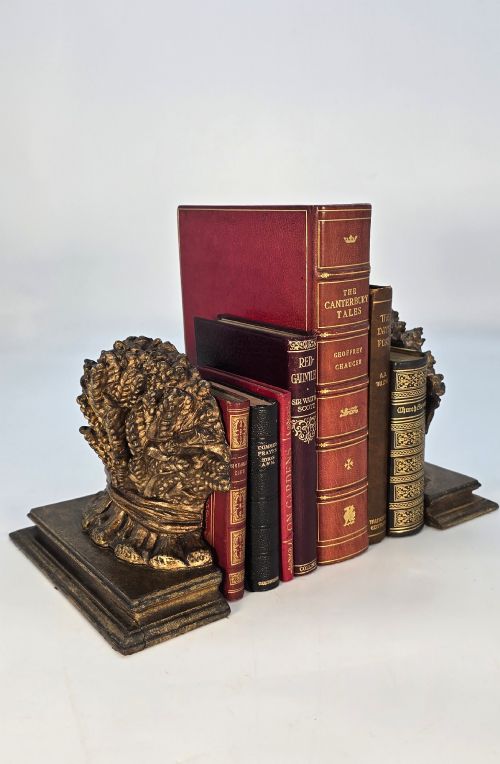


Antique Carved Bookends
Antique carved bookends hold volumes upright on the shelf while bringing animal figures, architectural motifs and regional woods into the room.
Antique Carved Bookends
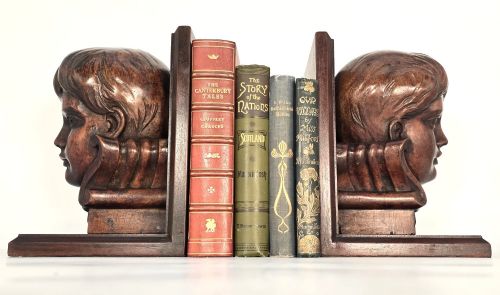
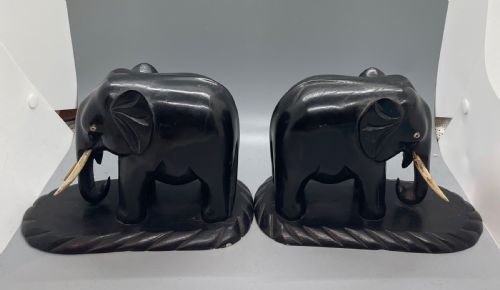
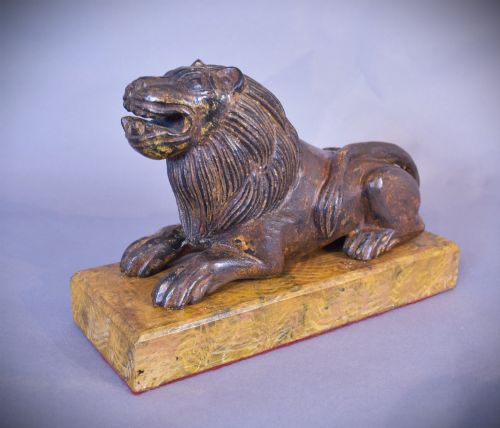
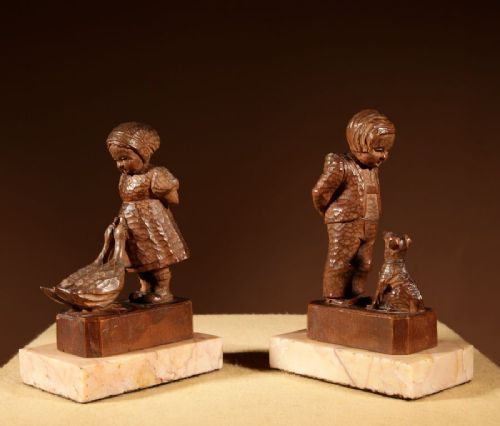
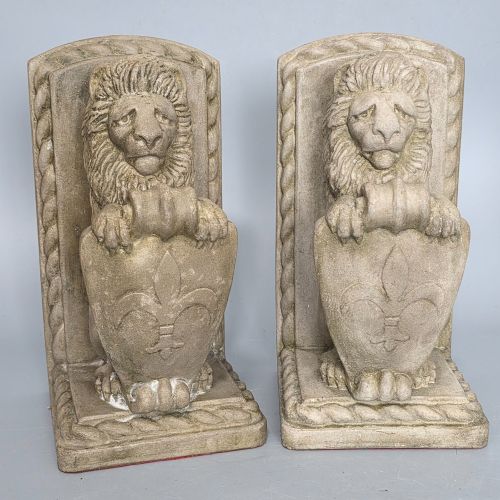
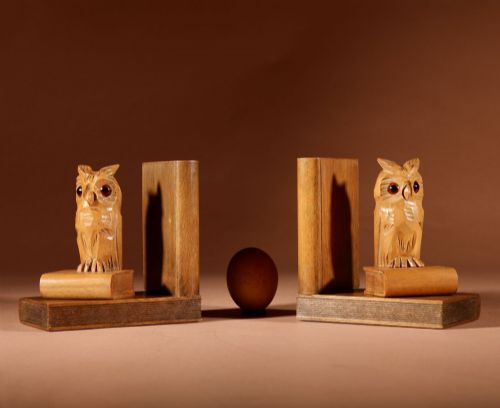
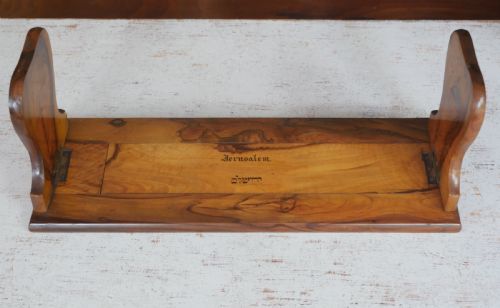
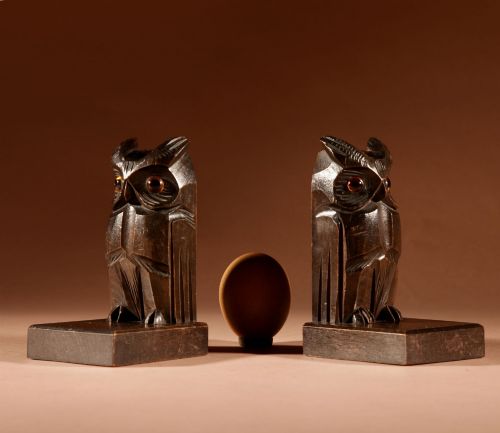
Antique carved bookends appear across nineteenth- and twentieth-century domestic interiors in forms ranging from heavy stone lions to whimsical wooden owls. When a buyer searches for antique carved bookends, they encounter functional shelf supports alongside extending book slides and carved panels adapted for library use. Black Forest carvings and Art Deco animal figures dominate the selection available on this page.
The materials span indigenous European oak and linden wood to exotic hardwoods like ebony, coromandel and olive wood, alongside marble, serpentine and alabaster. Victorian and Edwardian examples sit alongside pieces from the nineteen-twenties and nineteen-thirties, reflecting stylistic shifts from Gothic Revival severity to clean modernist lines.
Materials and Techniques
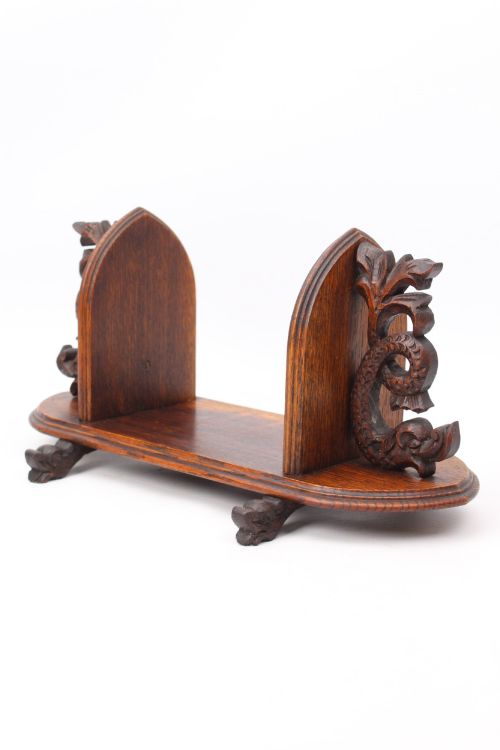
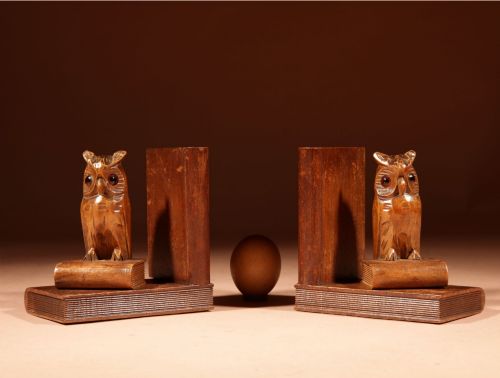
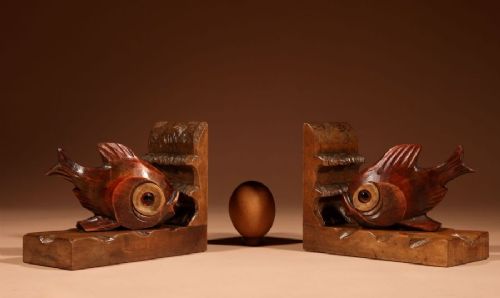
Makers shaped these objects using traditional hand-carving techniques on dense timbers such as oak, mahogany, beech and linden wood. Sculptors rendered animal subjects, from owls and elephants to dogs and bears, with varying degrees of anatomical precision, often highlighting the natural grain of the wood.
Stone variants relied on turning, chiselling and polishing green serpentine marble, alabaster and jade marble to create substantial weight for holding heavy folios. Artisans combined carved wooden elements with metal fittings on extending book slides or integrated metal supports into alabaster bases.
Current listings feature materials ranging from organic bone and linden wood to heavy marble and alabaster.
Judging Quality and Execution
The choice and integrity of the material dictate overall excellence, with dense hardwoods, unblemished marble and well-matched pairs retaining greater visual balance. Mismatched weights or clumsy repairs diminish the stability and aesthetic cohesion required for high-grade desk accessories.
The Antique Carved Bookends Glossary
- Black Forest
- A style of wood carving originating in Switzerland, known for realistic representations of animals such as bears, owls and chamois. These pieces often utilise linden wood and display deep texture.
- Book slide
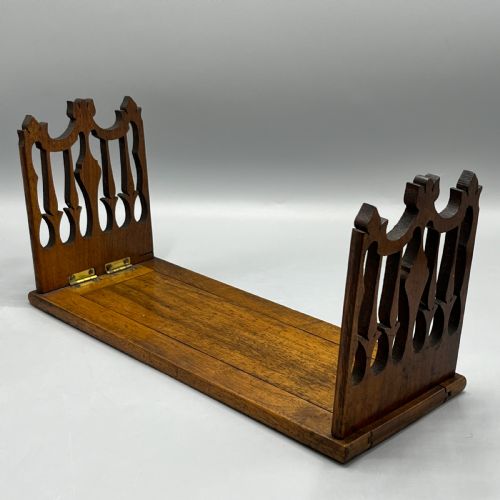
- An extending desk or shelf accessory designed to hold varying quantities of books between two sliding or stationary ends. Many incorporate folding actions or decorative wooden panels.
- Serpentine
- A group of green silicate minerals used for decorative carvings and architectural ornaments, prized for its mottled appearance. Italian workshops frequently employed this stone for Grand Tour figures.
- Dog of Fo
- A traditional Chinese guardian lion depicted with stylised mane and paws, often carved in pairs from jade marble or soapstone. Victorian collectors favoured these Oriental motifs for home libraries.
- Gothic Revival
- An architectural and decorative style drawing inspiration from medieval forms, featuring pointed arches, tracery and heavy oak construction. Victorian examples reflect this ecclesiastical aesthetic.
Antique Carved Bookends: Frequently Asked Questions
How do I clean wooden bookends?
Dust gently with a dry, soft cloth to prevent dirt accumulation in the carved recesses of the wood.
Avoid applying modern polishes or water, which can damage aged finishes and dry timber over time.
Are these heavy enough for large books?
Many pairs utilise dense hardwoods, stone or weighted bases designed specifically to support heavy volumes without slipping.
Lighter wooden or bamboo pairs suit smaller novels and lighter shelf displays.
What periods do these pieces span?
The selection ranges from mid-nineteenth-century Victorian and Gothic Revival pieces to Art Deco designs from the nineteen-thirties.
Edwardian and early twentieth-century Black Forest animal carvings form a significant portion of the available range.
How can I tell if a pair is matched?
Examine the grain, carving depth and exact dimensions of both ends to verify they were carved as a pair by the same hand.
Slight variations in hand-carved items are normal, but true pairs share consistent proportions and material characteristics.