



Antique Carved Bear
When you handle an antique carved bear, you hold a piece of regional folk art shaped from timber by carvers who observed nature closely.
Antique Carved Bear
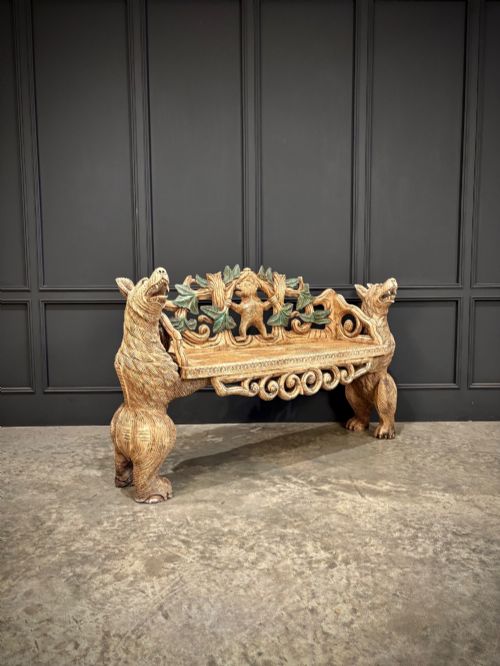
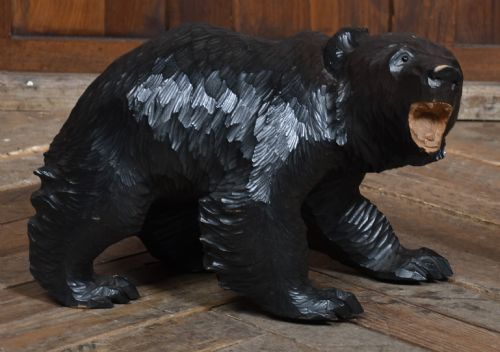
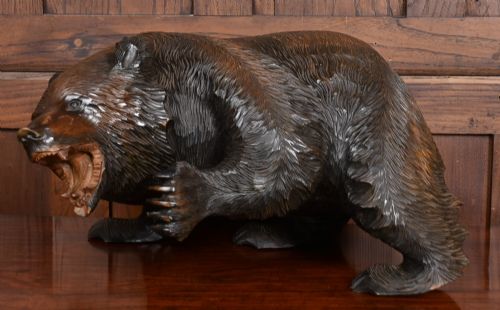
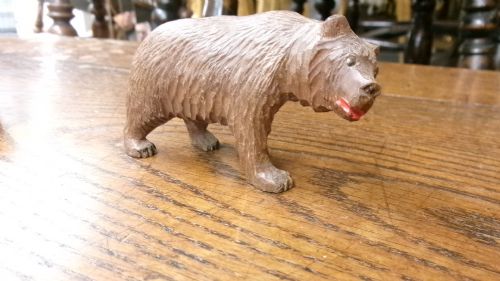
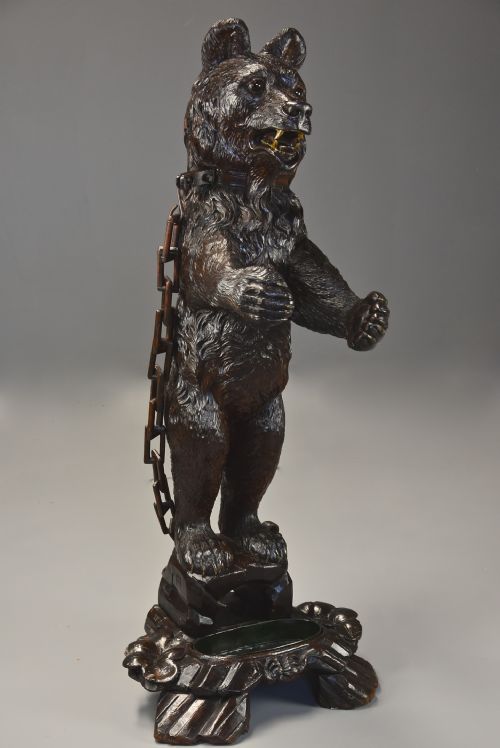
An antique carved bear typically takes the form of a functional object or a sculptural figure originating from European regional workshops and Japanese traditions. You will encounter small decorative figures alongside large hall stands, benches, and umbrella holders.
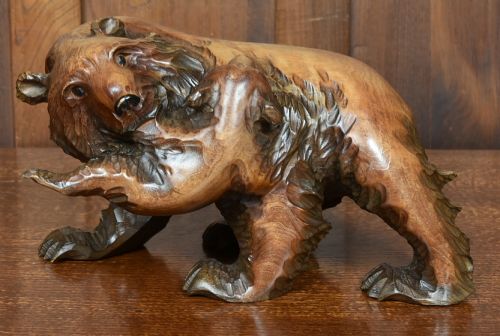
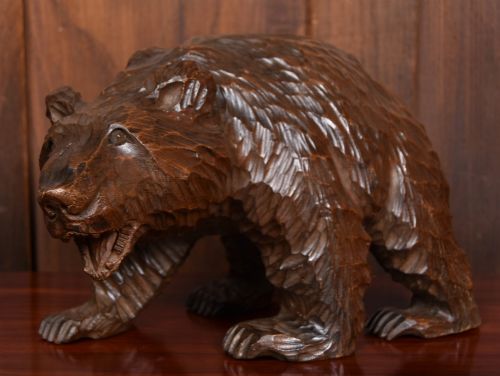
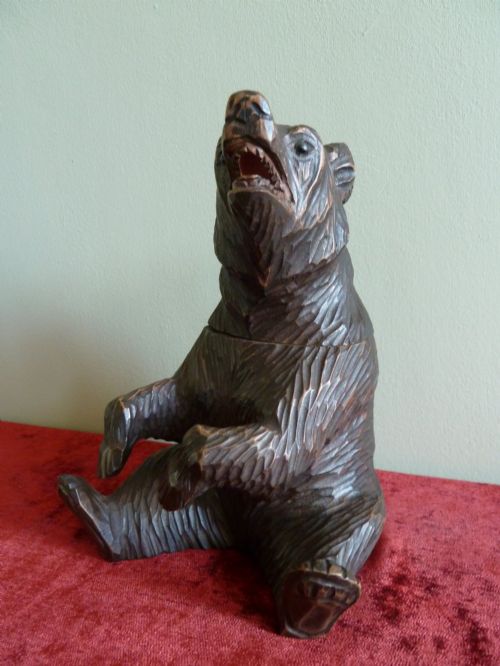
The Black Forest style dominates the selection, bringing European linden wood carvings into domestic spaces as tobacco holders, inkstands, and lamps. Japanese folk art pieces, known as Kibori Kuma, appear frequently with distinctive cedar and linden carving methods.
Makers produced these objects across the nineteenth century and into the early twentieth century, spanning Victorian and Edwardian periods. Pieces range from miniature table sculptures to substantial furniture items integrated with animal forms.
Materials and carving techniques
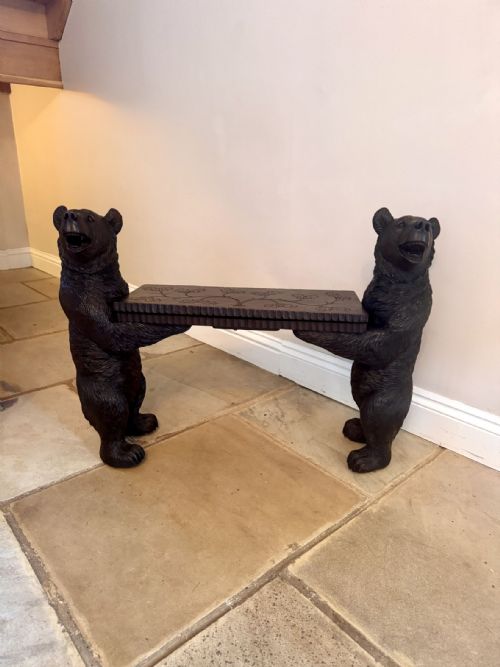
Artisans combined structural timber with carved animal elements on larger furniture such as hall stands and benches, securing wooden components with traditional joinery. Surface finishes preserved the natural tone of the wood through wax or polish rather than heavy paint.
Antique Carved Bear Retail Price Guide 2026
Typical asking prices for carved bear among the pieces listed under this phrase on Sellingantiques today, from the lower quarter to the upper quarter. They describe what is for sale here now, not the wider market.
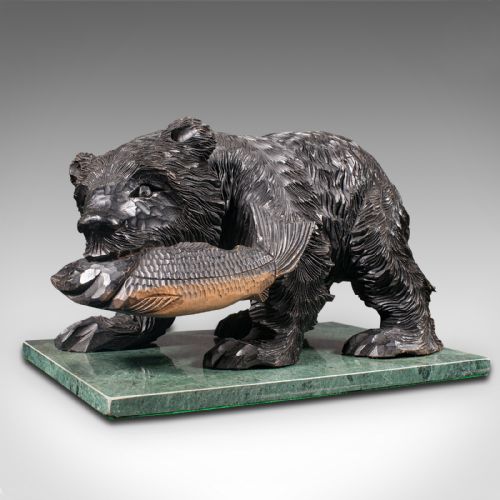
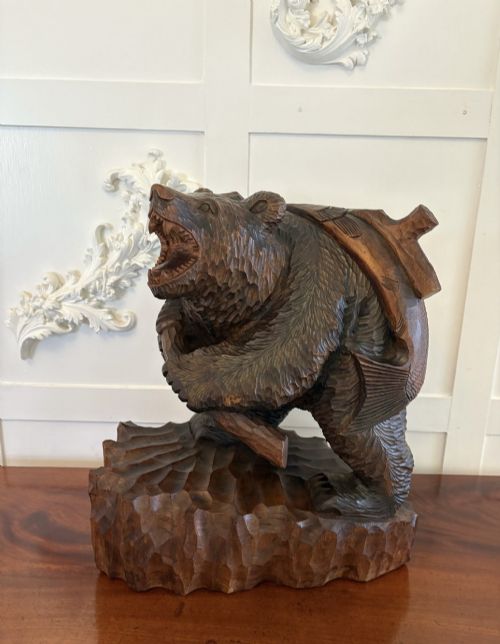
Several bears carry fish, hold umbrellas, or double as musical seats and tobacco dispensers.
Assessing detail and execution
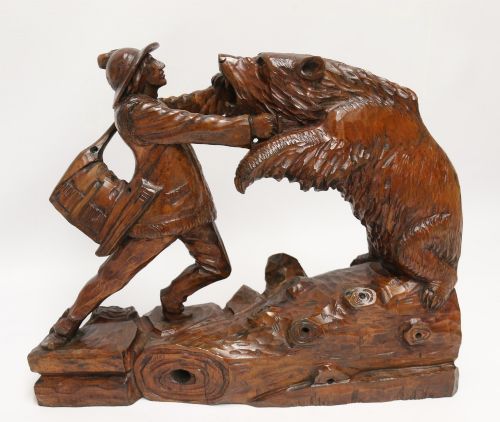
Quality rests upon the depth of the carving and the naturalism of the bear's posture, expression, and musculature. Superior examples display intricate texturing in the fur and careful anatomical proportions rather than plain, rounded surfaces.
Scale and complexity also divide standard items from exhibition pieces, particularly where figures are integrated into functional furniture like hall stands or musical seats. The handling of glass eyes and small accessories alters the visual impact of the finished object.
The Antique Carved Bear Glossary
- Black Forest
- A style of wood carving originating from central Europe during the nineteenth century, famous for realistic animal sculptures and rustic furniture. It draws its name from the wooded mountain region in Germany where the craft flourished.
- Kibori Kuma
- A style of Japanese wooden bear sculpture originating from Hokkaido folk art traditions. Carvers use these cedar and wood mediums to produce rustic figures, often depicted carrying fish.
- Linden wood
- A pale, fine-grained timber favoured by European wood carvers for its uniform texture and lack of prominent grain. It allows for crisp detail in deep relief work.
- Hall stand
- A piece of hallway furniture designed for coats, hats, and umbrellas, frequently incorporating carved animal figures and stick stands in nineteenth-century designs.
- Humidor
- A specialised box or container designed to keep tobacco moist, often carved in the shape of a brown bear with a hinged compartment.
Antique Carved Bear: Frequently Asked Questions
What are antique carved bears made from?
These pieces are predominantly carved from linden wood, walnut, and cedar. Artisans selected these timbers for their workability and grain structure.
Makers utilised domestic European woods for Black Forest pieces and specific regional timbers for Japanese folk art carvings.
How do I date an antique carved bear?
Dating relies on stylistic indicators, construction methods, and the period characteristics associated with nineteenth and early twentieth-century production. Pieces often reflect Victorian or Edwardian taste.
Examine the joinery, the wear on the wood, and any accompanying labels to establish a reliable timeframe for the object's creation.
Where were these carvings originally displayed?
Larger items like hall stands and benches stood in entrance halls to hold outdoor garments, sticks, and umbrellas. Smaller figures served as desk accessories, inkstands, or table lamps.
Domestic interiors in the nineteenth century frequently incorporated these wooden animal figures into everyday living spaces for both utility and decoration.
How do I care for wooden bear carvings?
Maintain the wood by keeping the sculpture away from direct heat sources and fluctuating humidity levels. Gentle dusting preserves the surface finish.
Apply a light application of neutral wax only when the timber appears dry, following the natural grain of the carved fur.