


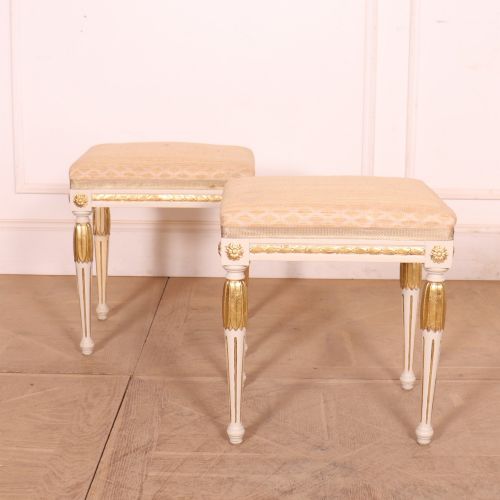

Antique Carved Accent Stool
An antique carved accent stool brings centuries of solid craftsmanship and compact utility into a room.
Antique Carved Accent Stool
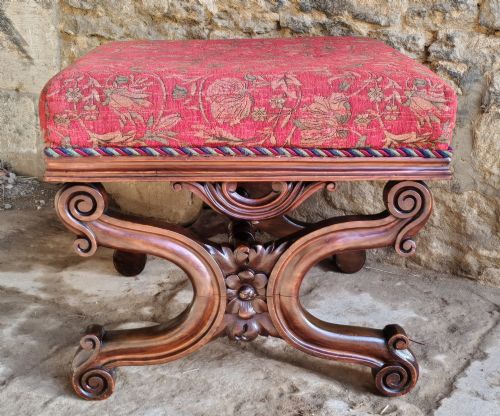
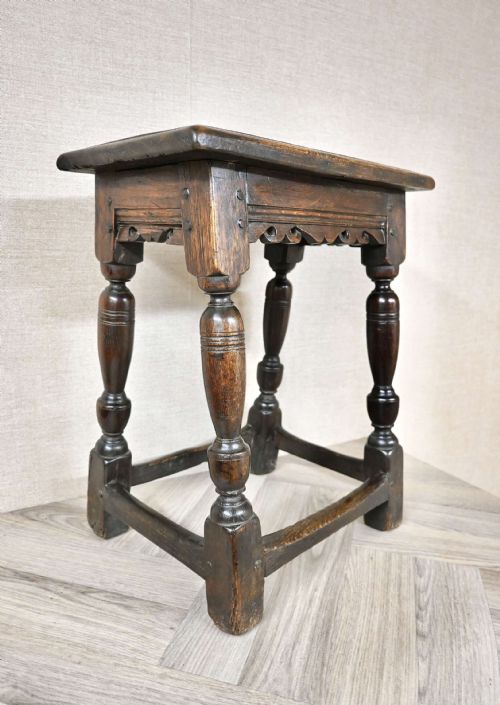
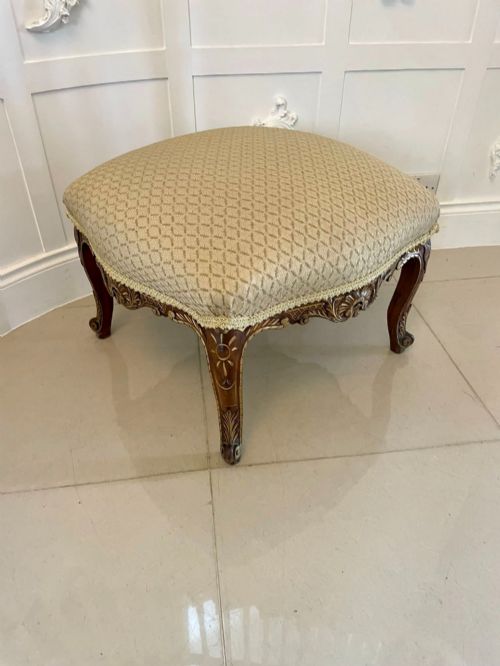
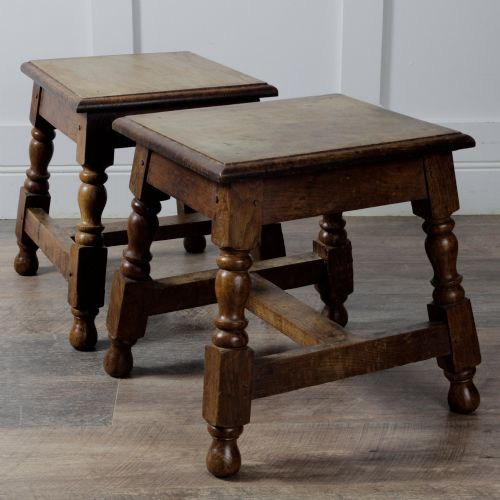
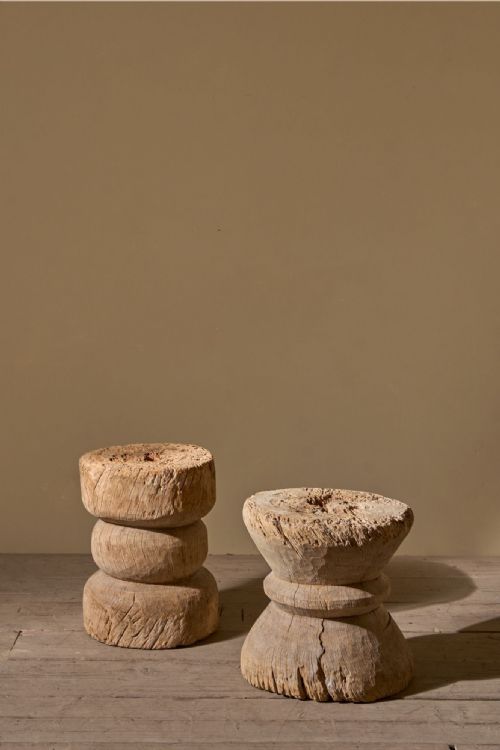
When you search for an antique carved accent stool, you are looking at low seating forms that span several centuries, with heavy representation from seventeenth century joint stools and Victorian walnut or oak designs. These pieces function easily as small seats, bedside surfaces, or plant stands within modern rooms.
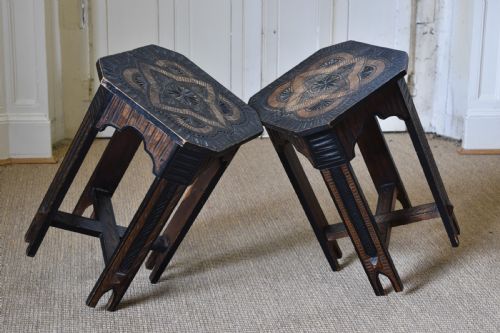
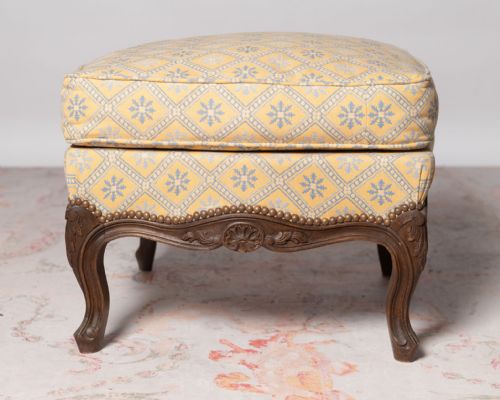
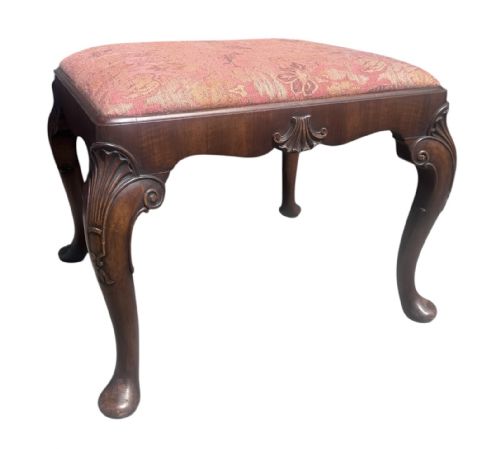
The selection ranges from sturdy joined oak frames bearing simple chip carving to elaborate Victorian revival pieces featuring cabriole legs and giltwood details. Alongside standard stools, the inventory includes related low seating and occasional tables that share the same compact footprint and carved decoration.
Materials and construction methods
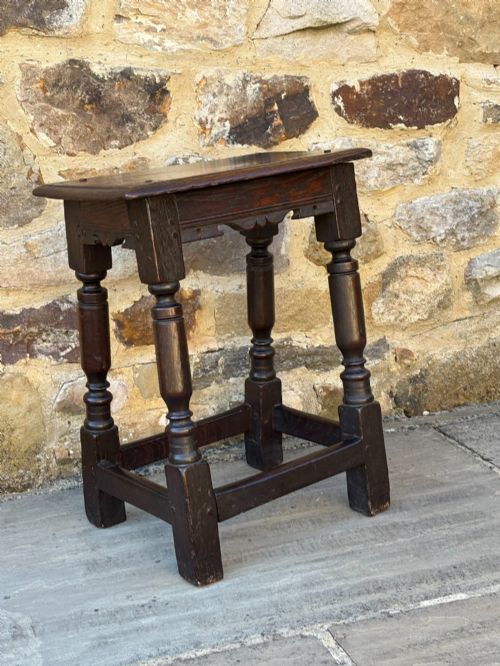
Cabinetmakers relied heavily on oak and walnut for these frames, utilising mortise and tenon joints to build durable structures that endure for centuries. Hardwoods such as rosewood and Asian timbers appear alongside these native British woods in various regional examples.
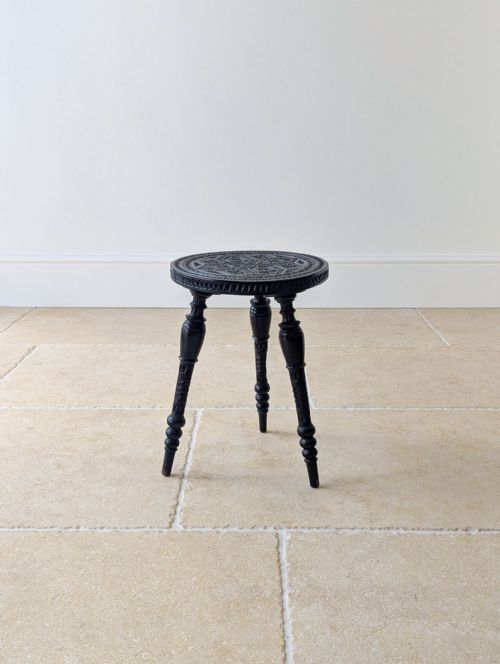
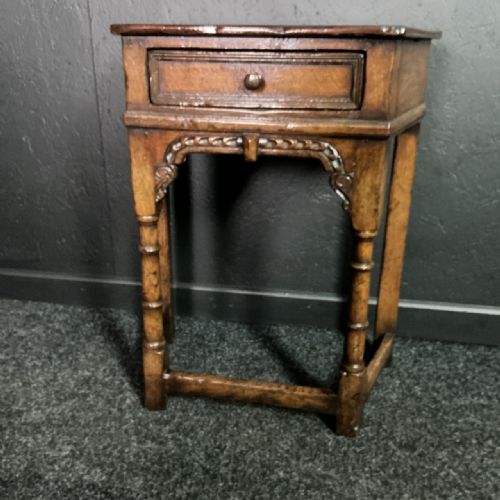
Carving techniques vary from simple chip carving and geometric patterns to deep relief work and turned bobbin legs. Upholstery, where present, often uses traditional textile covers or leaves the frame ready for new fabric.
Periods represented range from the seventeenth century through the Victorian era into the early twentieth century.
Judging quality and character
Quality rests primarily in the crispness of the hand carving and the structural integrity of the joints rather than mere age. Pieces retaining their original surface patination and untouched timber show a superior depth of character compared to heavily stripped examples.
The balance of proportions and the sophistication of the turning on legs and stretchers separate standard utility items from finer workshop output. Robust construction without excessive modern intervention preserves the historical value of each stool.
The Antique Carved Accent Stool Glossary
- Joint stool
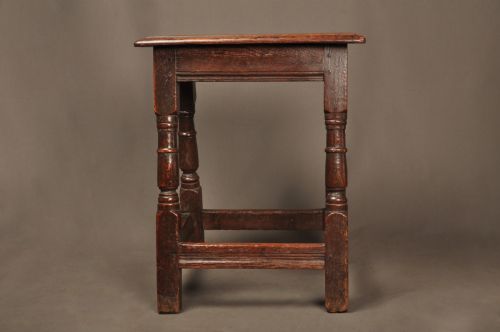
- A sturdy wooden stool constructed with pegged mortise and tenon joints rather than traditional turning. These seventeenth-century forms were frequently used for sitting or serving food.
- Chip carving
- A technique where small chips are removed from the surface of the timber to create geometric patterns. It appears frequently on rustic and vernacular seating.
- Cabriole leg
- A furniture leg that curves out and then bends inward, terminating in a foot. This style became popular during the eighteenth and nineteenth centuries.
- Bobbin turning
- A method of lathe-turning wood to resemble a series of spools or bobbins strung together. It is a common decorative feature on seventeenth and nineteenth-century frames.
- Curule stool
- An ancient Roman magistrate form featuring intersecting curved legs that create an X-shape. Later revival periods adopted this profile for formal seating.
Antique Carved Accent Stool: Frequently Asked Questions
How were joint stools originally used?
Seventeenth-century joint stools served multiple household purposes, functioning primarily as portable seating around the dining table. Their sturdy construction also allowed them to act as small side tables or platforms for household tasks.
Because they were easily moved, families deployed them wherever extra surface space or seating was required in the room.
How do I care for antique wood?
Maintain antique timber by keeping it away from direct heat sources and rapid humidity changes that cause wood to split. Regular dusting with a dry, soft cloth preserves the natural wax finish without building up residue.
Avoid modern liquid polishes containing silicone, which can penetrate porous historic finishes and damage the underlying patina.
Can I use these stools for daily seating?
Most antique stools remain structurally sound enough for regular use, provided the joints are firm and secure. Oak joint stools and solid hardwood frames easily bear everyday weight.
Victorian upholstered pieces may require checking the internal webbing and padding before regular sitting.
How do I distinguish 17th-century oak from later revivals?
Seventeenth-century oak exhibits distinct tool marks, hand-split timber grain, and dry, dense patination accumulated over centuries of exposure. Iron nails are typically absent or hand-forged, replaced instead by wooden pegs.
Nineteenth-century revival pieces often display machine-sawn timber characteristics, regular machine turning, and modern fixings hidden within the frame.