






Antique Carolean Seating
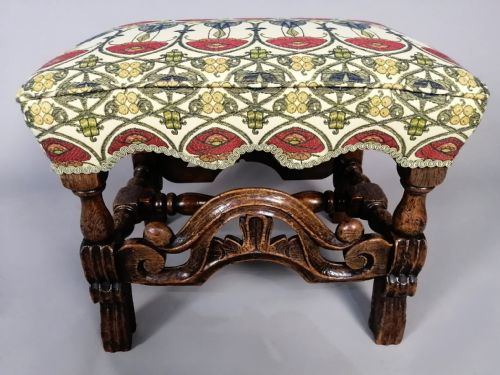
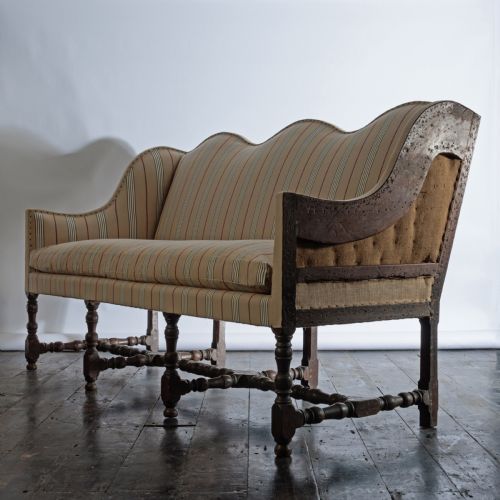
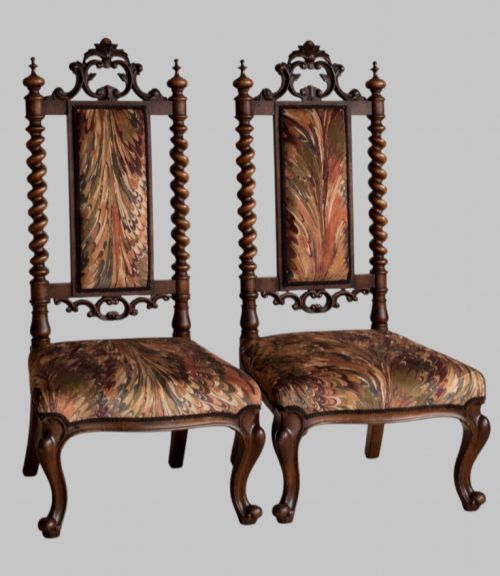
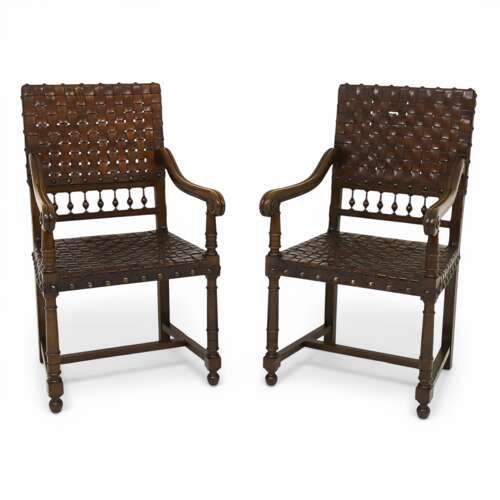
Antique carolean seating brings vigorous 17th-century carved frames and turned supports into a room, offering robust dining chairs, armchairs, and settees.
Antique Carolean Seating
Antique carolean seating encompasses dining chairs, armchairs, hall chairs, settles, and settees originating from the 17th century through to later revival periods. Buyers frequently encounter 19th-century and early 20th-century revival pieces alongside original 17th-century examples.
The forms range from single side chairs and matched sets of dining chairs to large throne chairs, footstools, and expansive bergere suites. Frames display characteristic high backs, carved wooden details, and substantial structural proportions.
Origins span English workshops of the 17th century as well as later Victorian and Edwardian revival furniture makers working in oak and walnut. Occasional pieces show provincial or transatlantic influence, including American regional interpretations.
Materials and construction methods
Joiners and cabinetmakers utilised dense native hardwoods, predominantly solid oak and walnut, supplemented by rarer timbers such as laburnum for framing. These woods were shaped using hand tools to create robust mortise and tenon joints.
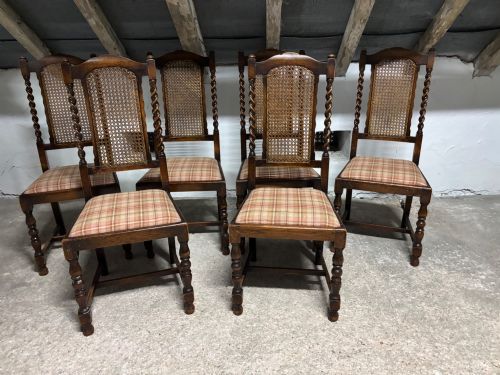
Backs and seats frequently incorporate woven cane, rattan, or leather secured to the wooden framework, alongside upholstered elements finished in textiles or fabric. Structural supports often feature turned wood, including barley twist legs and carved stretchers.
Listings feature oak and walnut frames alongside cane, rattan, and leather materials across 17th-century and 19th-century revival periods.
Distinctions in quality and execution
The depth and crispness of the hand carving separate standard commercial workshop output from superior items. Finely carved foliage, scrolls, and cresting rails display deliberate chisel work rather than soft, repetitive machine profiling.
The integrity of the structural timber and the retention of original woven cane or leather elements influence the character of the piece. Superior examples maintain tight joints, well-proportioned turned supports, and honest patination on the oak or walnut surfaces.
The Antique Carolean Seating Glossary
- Barley twist
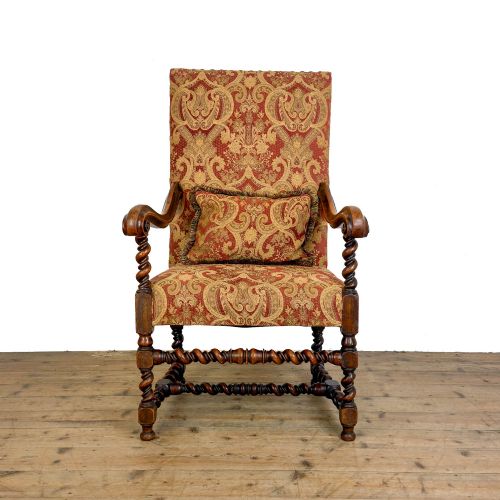
- A turned wooden furniture leg or stretcher carved in a helical screw pattern resembling a twisted rope. This turned detail appears frequently on 17th-century furniture and its later revivals.
- Caning
- A seating material woven from peeled rattan or cane strips to form a light, permeable panel for chair backs and seats. It requires careful handling to prevent splitting over time.
- Wainscot chair
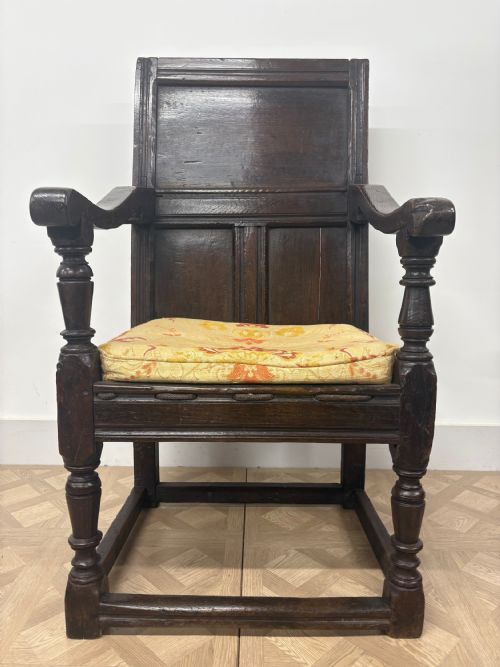
- A heavy wooden armchair constructed primarily of oak with a solid panelled back, prominent arms, and a box seat. These pieces represent some of the earliest domestic seating forms.
- Bergere
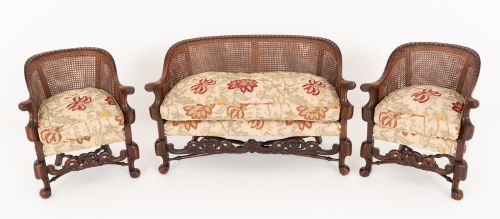
- An enclosed upholstered armchair featuring cane or wicker work integrated into the wooden sides and back. This French-inspired form provides a generous seat.
- Settle
- A wooden bench featuring a high solid back designed to block draughts, often incorporating enclosed storage beneath the seat. They served as communal seating near hearths.
Antique Carolean Seating: Frequently Asked Questions
How do I spot a revival piece?
Revival seating produced during the 19th and early 20th centuries often exhibits machine-cut elements, standardised timber dimensions, and specific secondary woods characteristic of later industrial cabinetmaking. Closer inspection of tool marks, peg construction, and wear patterns helps distinguish these later interpretations from genuine 17th-century originals.
Examination of the finish and fixings further clarifies the timeline. Original 17th-century frames display distinct hand- adzed surfaces and period-appropriate iron or wooden fixings, whereas revival pieces utilise contemporary manufacturing techniques hidden within the joinery.
Can I use these chairs daily?
Robust oak and walnut frames provide stable everyday seating if the joints remain firm and secure. Dining chairs and armchairs built with solid timbers accommodate regular domestic use without compromising their structural integrity.
Care should be applied to pieces featuring original woven cane or delicate leather panels. Weight distribution and protective pads help preserve fragile historical materials during daily use.
How do I care for antique cane?
Cane panels require regular dusting with a soft brush and occasional light moisture applied with a damp cloth to prevent the natural fibres from becoming brittle. Keeping these chairs away from direct heat sources stops the rattan from drying out and cracking.
Avoid placing excessive localized weight on caned seats or backs. Gentle handling ensures the woven strands maintain their tension over decades of domestic placement.
What defines the carolean style?
The style emerged during the reign of King Charles II, drawing heavily on continental baroque design influences. Furniture from this period is characterised by rich walnut and oak timbers, exuberant scrollwork, crown and cherub motifs, and turned structural supports.
Later Victorian and Edwardian makers revived these extravagant decorative elements for grand dining rooms and libraries. This revival work perpetuated the dramatic silhouettes and pierced cresting rails of the 17th century.