

Antique Carolean Furniture
Antique carolean furniture comprises sturdy oak and walnut seating, tables, and geometric chests originating primarily in the seventeenth century.
Antique Carolean Furniture
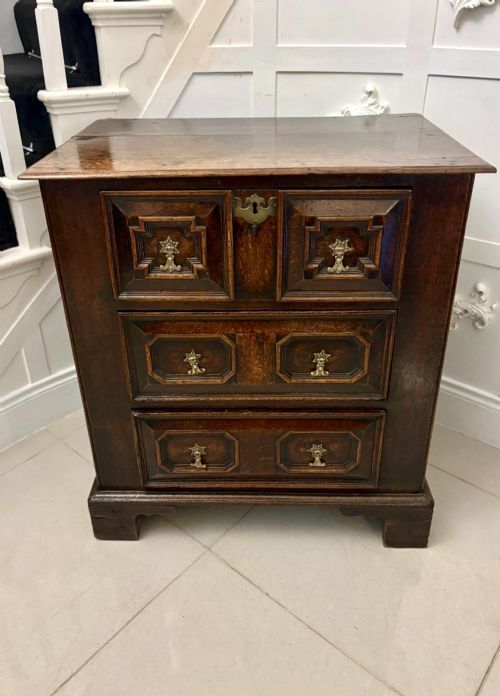
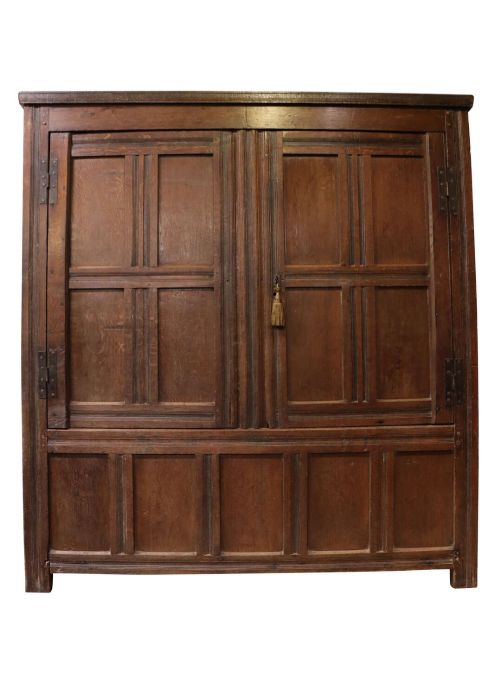
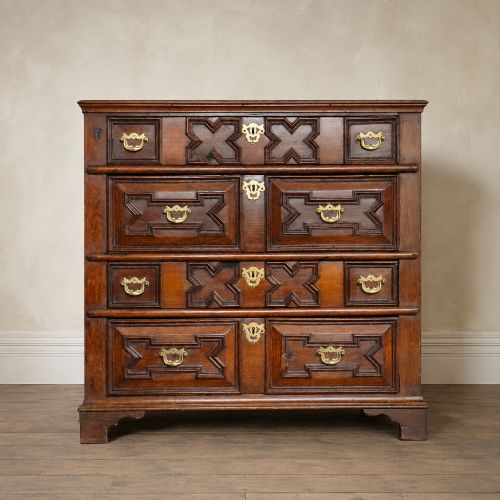
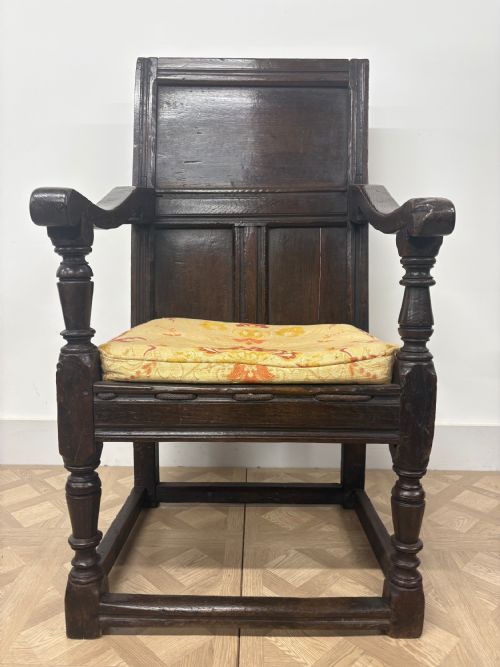
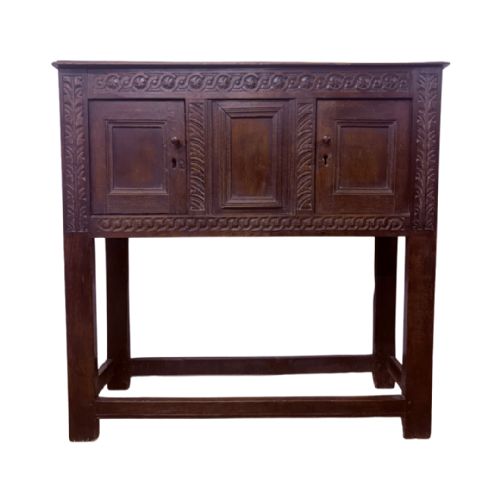
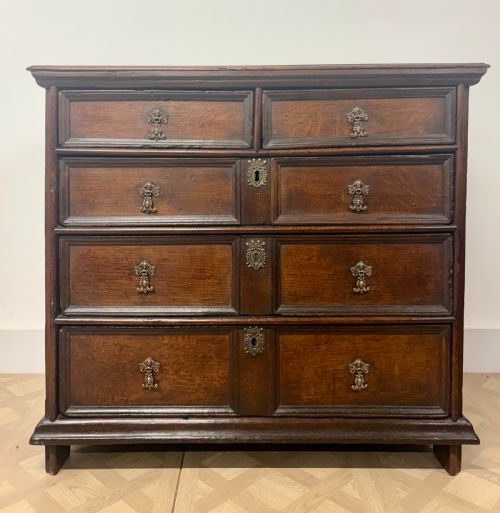
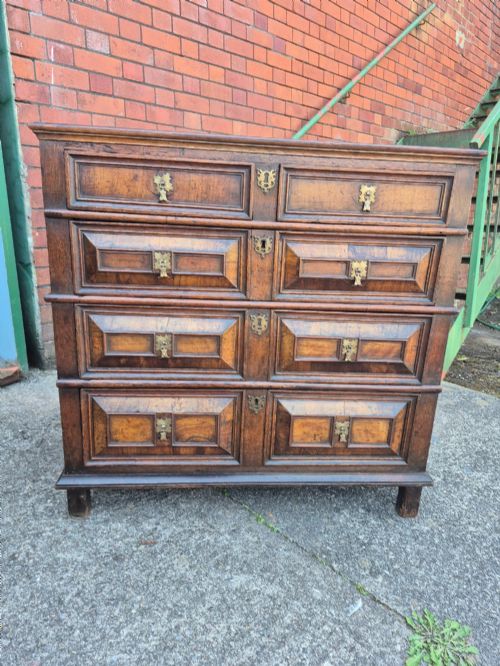
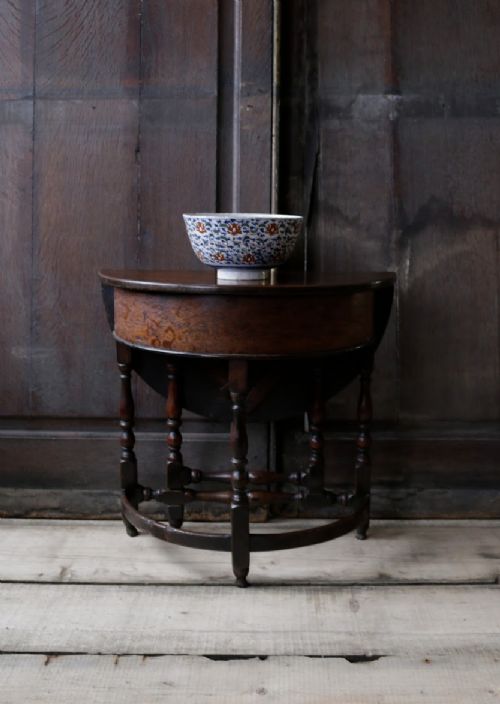
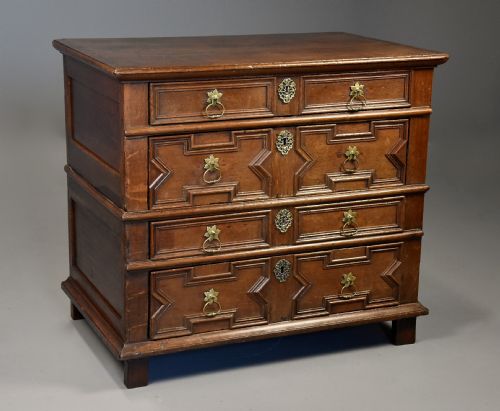
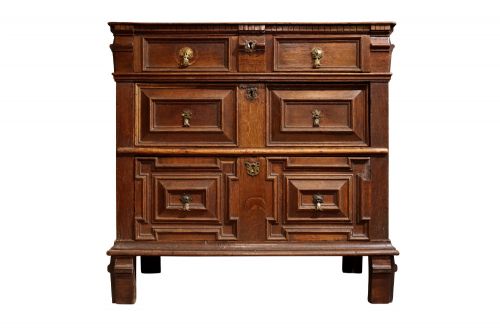
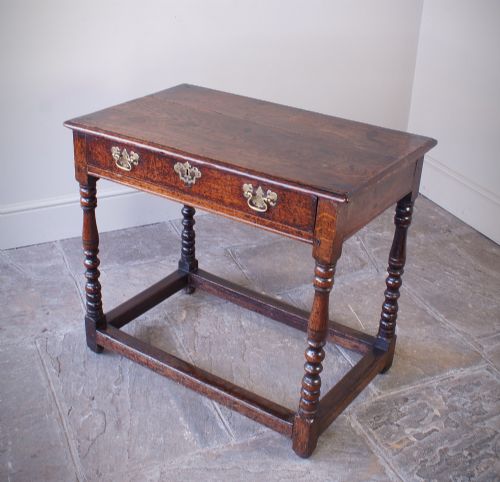
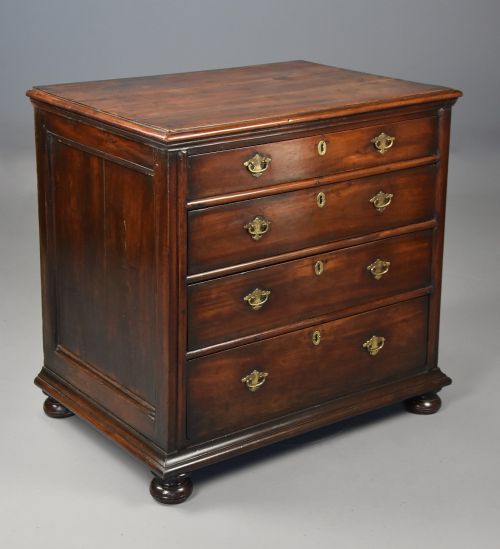
When buyers search for antique carolean furniture, they encounter pieces originating largely in the seventeenth century, spanning the Jacobean, Charles II, and William and Mary periods. These survivors include joined oak chests of drawers with moulded fronts, side tables, gateleg dining tables, and wainscot armchairs.
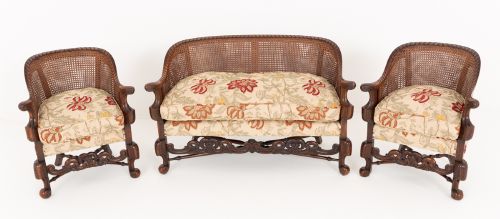
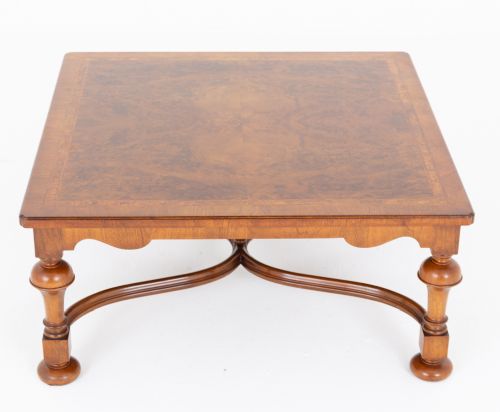
The selections also encompass later nineteenth and early twentieth century revival pieces built in the Carolean style, such as coffee tables, desks, and bergere suites. Original pieces typically display the robust construction of seventeenth century English craftsmanship.
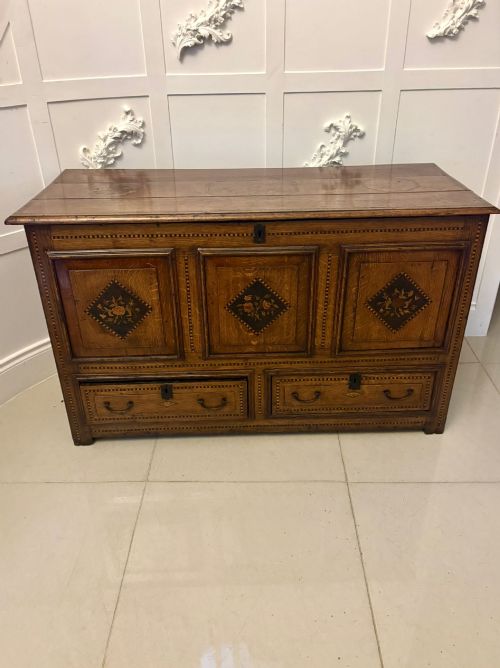
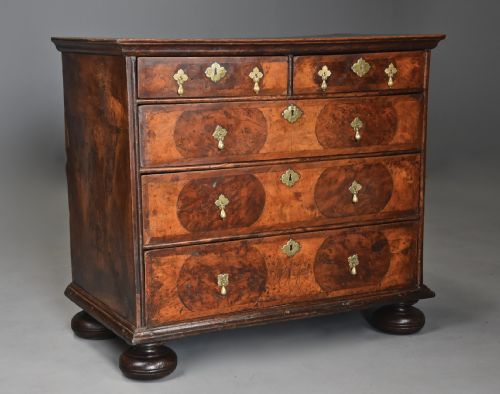
Chest of drawers forms dominate the selection, often featuring geometric panelling, oyster veneers, and marquetry inlay executed in fruitwood, snakewood, or walnut.
How they were made
Makers relied on solid oak and walnut as primary structural timbers, supplemented by fruitwood, yew, and iron or brass hardware. Joinery techniques involved pegged mortise and tenon joints, creating rigid frames without modern adhesives.
Surface ornamentation included geometric mouldings applied to drawer fronts, bobbin turnings on table legs, and intricate marquetry inlay. Caning, fabric upholstery, and oyster veneers provided contrasting textures on chairs, stools, and chests.
Antique Carolean Furniture Retail Price Guide 2026
Typical asking prices for carolean furniture among the pieces listed under this phrase on Sellingantiques today, from the lower quarter to the upper quarter. They describe what is for sale here now, not the wider market.
Materials span native English oak and walnut alongside decorative fruitwood, snakewood, iron, brass, and fabric upholstery.
What varies in quality
Quality rests upon the integrity of the timber, the crispness of the geometric mouldings, and the survival of an honest surface patina. Pieces retaining their original panelled construction and timber boards without excessive replacement demonstrate superior craftsmanship.
The sophistication of the decorative elements distinguishes finer examples, such as carefully matched oyster veneers, detailed marquetry inlay, and precise bobbin turning on table and chair legs.
The Antique Carolean Furniture Glossary
- Carolean
- Pertaining to the reign of King Charles II, characterised by rich ornamentation and the introduction of walnut into English furniture making.
- Wainscot armchair
- A heavy wooden armchair constructed with panelled backs and solid wooden seats, typical of seventeenth century domestic interiors.
- Gateleg table
- A table with hinged flaps supported by swing legs that pull out like a gate to hold the leaves upright.
- Oyster veneer
- Thin slices of wood cut crosswise from small branches or roots, arranged in circular patterns resembling oyster shells.
- Geometric moulding
- Raised wooden mouldings applied to drawer fronts and panels in rectilinear or geometric patterns.
Antique Carolean Furniture: Frequently Asked Questions
What is carolean furniture?
Carolean furniture dates from the seventeenth century reign of Charles II, alongside related Jacobean and William and Mary eras. These pieces are typically built from oak and walnut with geometric mouldings.
Buyers also encounter later nineteenth and early twentieth century revivals built in this distinct seventeenth century style.
How do I identify seventeenth century oak?
Seventeenth century oak exhibits heavy timber construction joined with pegged mortise and tenon joints rather than modern metal screws. Surfaces often show pronounced wood grain, hand tool marks, and aged patination.
Original items frequently feature moulded drawer fronts, panelled backs, and turned legs characteristic of early English joinery.
Where were these pieces made?
Most original items originate from seventeenth century English workshops, including regional centres like South Yorkshire. Master joiners utilised locally available timbers such as oak, fruitwood, and yew.
Later revival items from the Victorian and Edwardian eras recreate these traditional English forms using similar hardwoods.
How do I care for antique oak?
Keep antique oak furniture away from direct heat sources and dramatic humidity fluctuations to prevent timber splitting. Maintain the wood by applying traditional beeswax sparingly to nourish the aged surface.
Avoid modern liquid polishes that can degrade the historic patina built up over centuries of use.