



Antique Carnelian Jewellery
Antique carnelian jewellery brings together warm orange-red chalcedony and golden mounts, offering centuries of wearable history from Georgian seals to Art Deco necklaces.
Antique Carnelian Jewellery
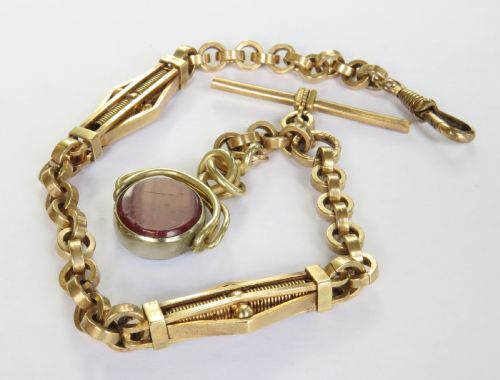
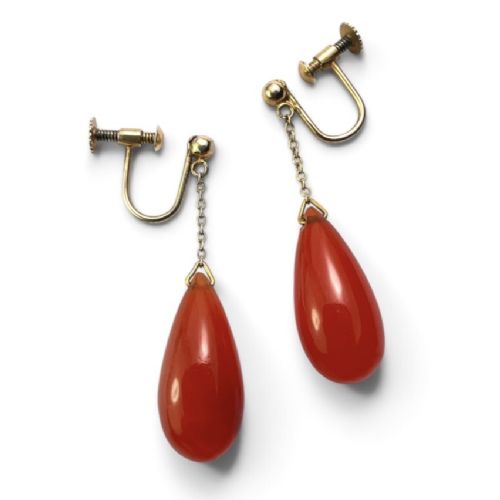
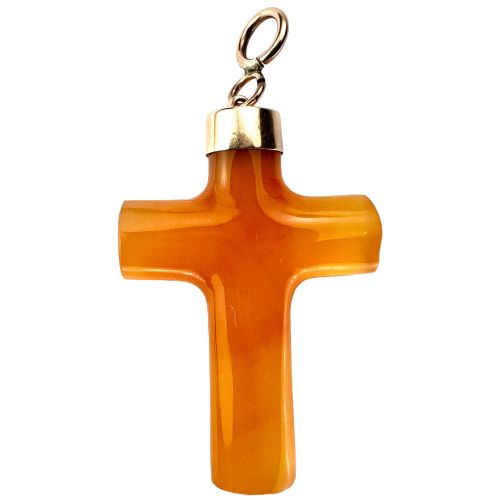
When you search for antique carnelian jewellery, you encounter pieces spanning the Georgian, Victorian, Edwardian and Art Deco periods. The selection includes rings, drop earrings, brooches, necklaces and a high proportion of pocket watch fobs.
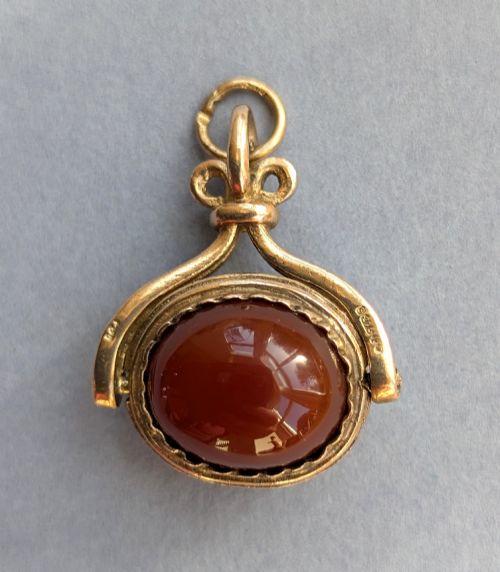
You are most likely to meet 9ct rose and yellow gold mounts holding polished carnelian and red agate stones, often shaped as spinning fobs or engraved intaglios. Alongside British mainstream styles, regional pieces such as Central Asian tribal ornaments appear in the listings.
Materials and Techniques
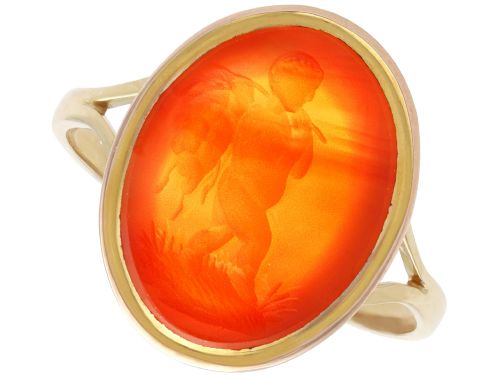
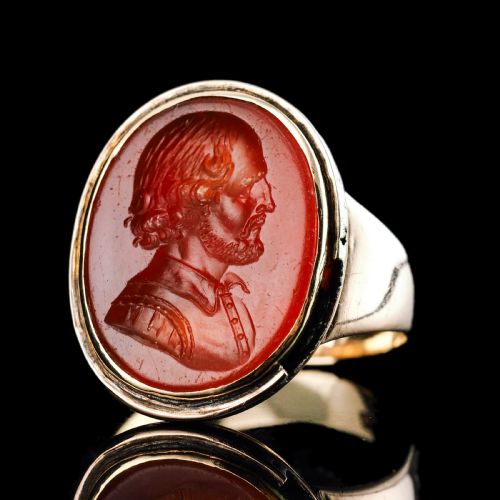
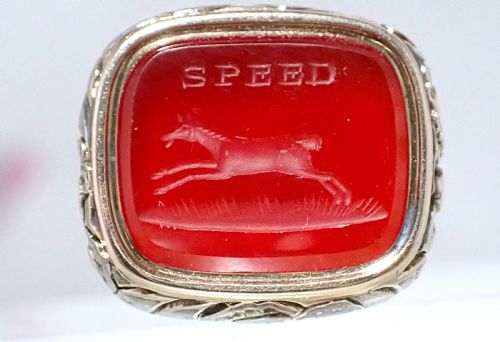
Goldsmiths utilised 9ct and 18ct gold, silver, gilt metal and rolled gold to set the stones. Gem-engravers hand-carved classical figures, crests and portraits directly into the carnelian and agate surface to create intaglios.
Metalwork techniques combined bezel settings and swivel mounts with pierced details, filigree and chain construction. Hardstone cutting required steady skill to shape the quartz minerals before polishing them to a smooth gloss.
Assessing Quality
Quality rests on the crispness of the stone carving and the depth of colour in the chalcedony. Finely executed intaglios with detailed classical portraits stand apart from plain polished cabochons.
The integrity of the gold or silver mount and the complexity of the piece, such as a multi-stone charm bracelet or a pivoting fob seal, define the upper tier of craftsmanship.
The Antique Carnelian Jewellery Glossary
- Intaglio
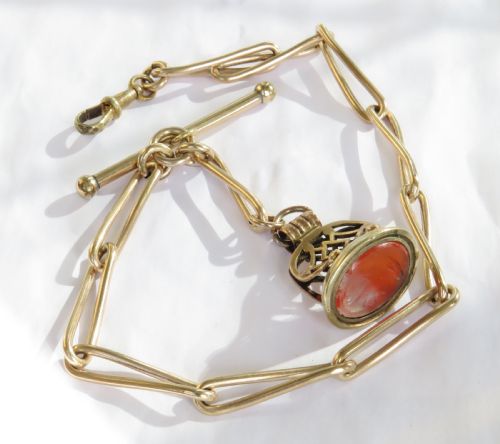
- A gem or stone carved with a depressed design so that an impression can be raised in wax. These were commonly used as seals on signet rings and watch fobs.
- Fob
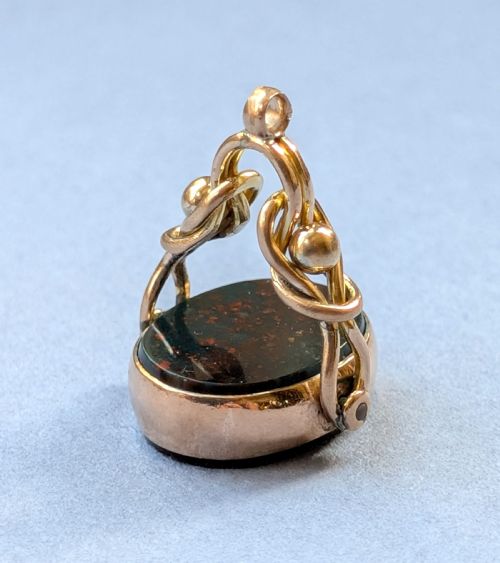
- A short chain, ribbon or pendant attached to a pocket watch. Many survive independently as charms or pendants set with carnelian and bloodstone.
- Cabochon
- A gemstone shaped and polished with a smooth, rounded surface rather than faceted. This cut displays the natural translucence of carnelian.
- Hardstone
- A term for semi-precious stones used in jewellery and decorative objects, including carnelian, agate and bloodstone. Lapidaries carved these durable minerals into seals and ornaments.
Antique Carnelian Jewellery: Frequently Asked Questions
What is a carnelian fob?
A carnelian fob is a small pendant that hung from a pocket watch chain, often featuring a swivel mechanism or an engraved intaglio base used for sealing letters with wax.
Today, these pieces are frequently removed from their chains and worn as pendants on necklaces or gathered onto charm bracelets.
How do I date antique carnelian rings?
Dating relies on the style of the gold setting, the mounting technique, and the subject matter of any carved intaglio. Georgian pieces often display closed-back foils and neo-classical motifs, while Victorian examples shift to bolder signet seals.
Examining hallmark stamps, where present, provides a more precise indication of the year and assay office of manufacture.
Is carnelian durable for daily wear?
Carnelian is a variety of quartz with a hardness rating that makes it suitable for regular wear in rings and brooches. Care should still be taken to avoid harsh knocks against hard surfaces.
Historic gold mounts require gentle treatment, so removing rings before heavy manual tasks preserves both the stone and the fragile prongs or bezels.
What is the difference between carnelian and agate?
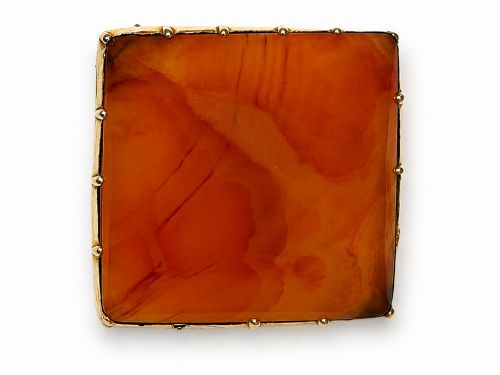
Carnelian is a solid reddish-orange chalcedony coloured by iron oxide impurities. Agate typically exhibits visible banding or stripes of different colours within the stone.
Both minerals share the same quartz family and appear frequently together in Georgian and Victorian hardstone jewellery.