


Antique Card Marker
An antique card marker brings dining room tables and games nights together with small silver figures, enlivened by enamel and ceramic details.
Antique Card Marker
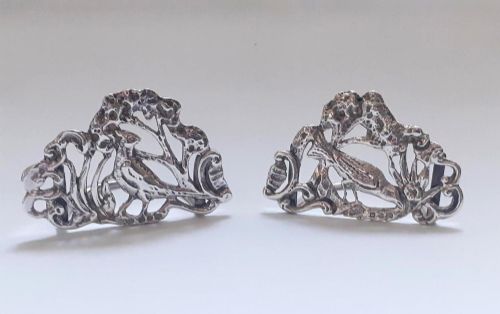
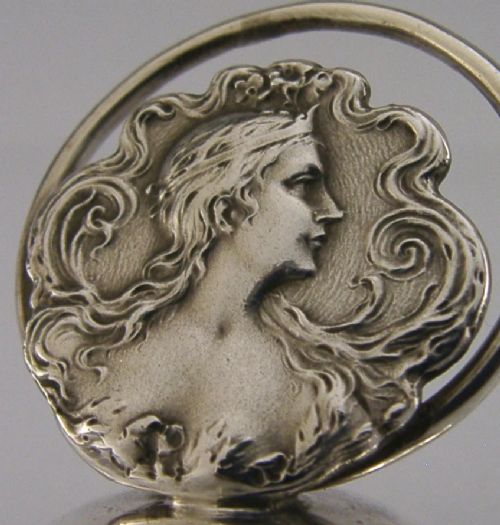
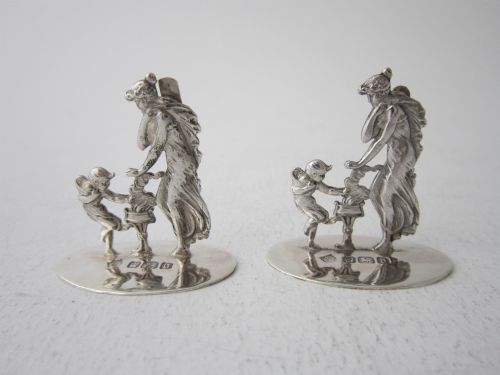
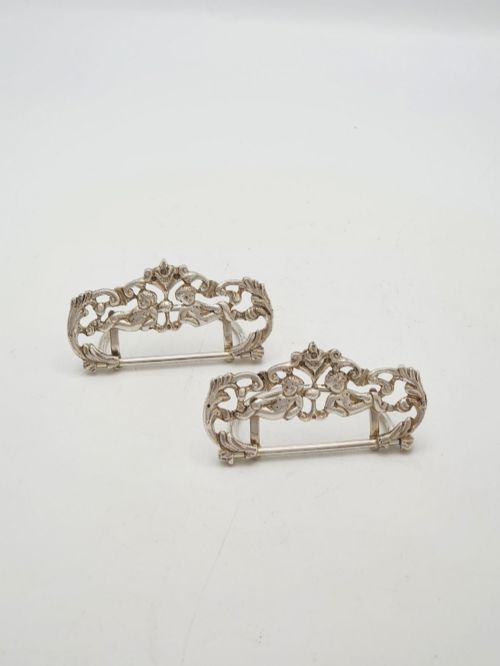
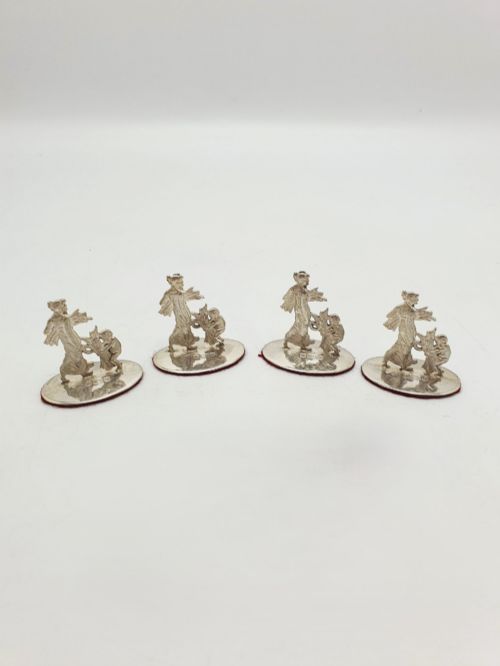
The pieces appearing on this page most often take the form of sterling silver menu holders and place card markers fashioned during the Edwardian and Victorian periods. Collectors also encounter porcelain and ceramic gaming tokens, brass-bound games boxes, and silver-plated trump markers.
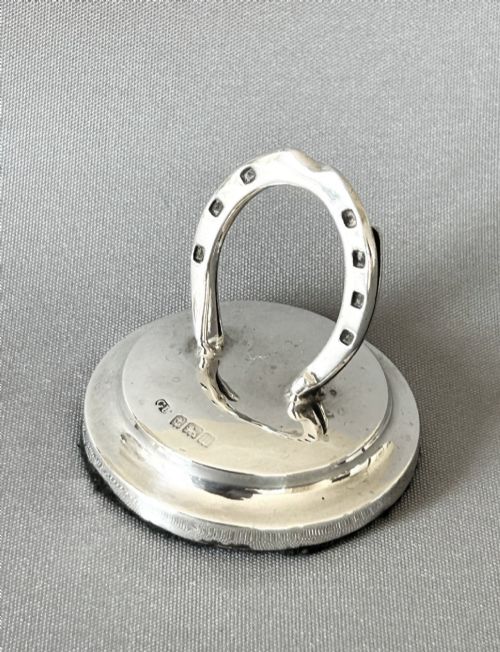
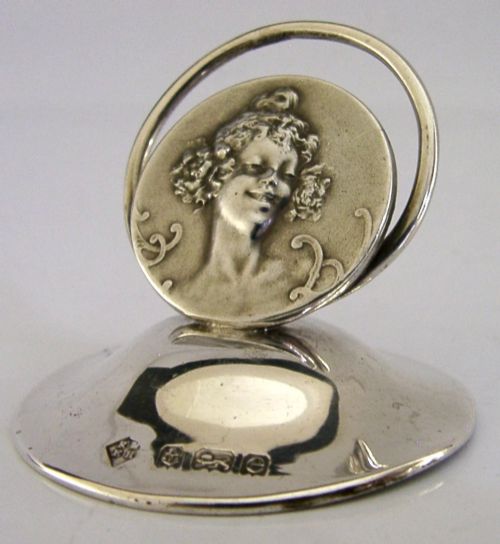
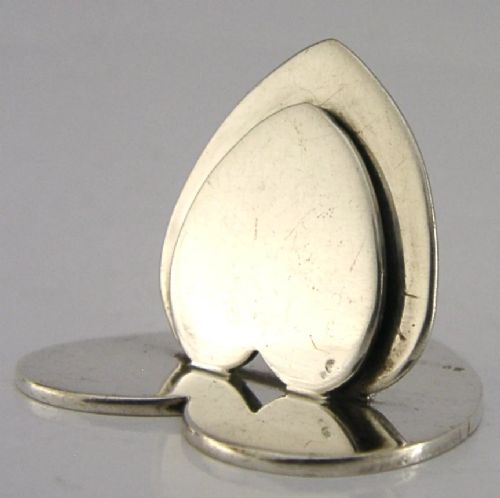
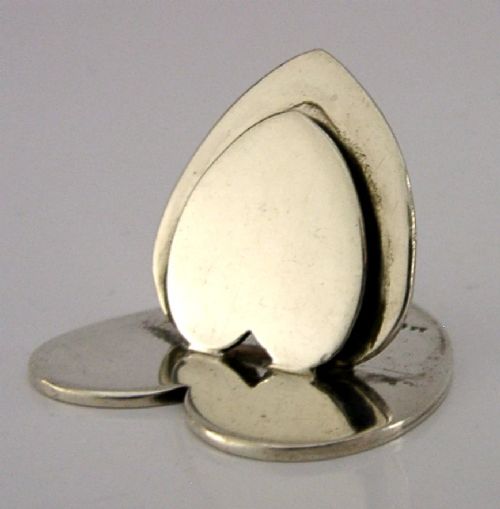
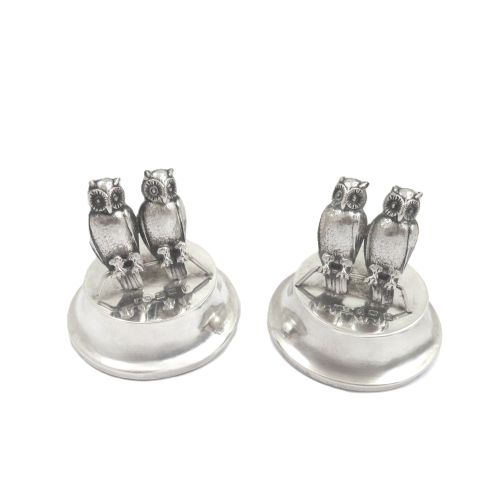
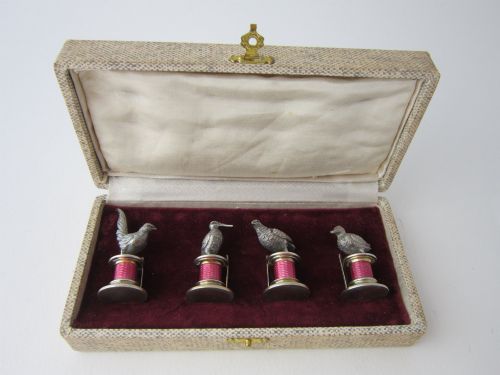
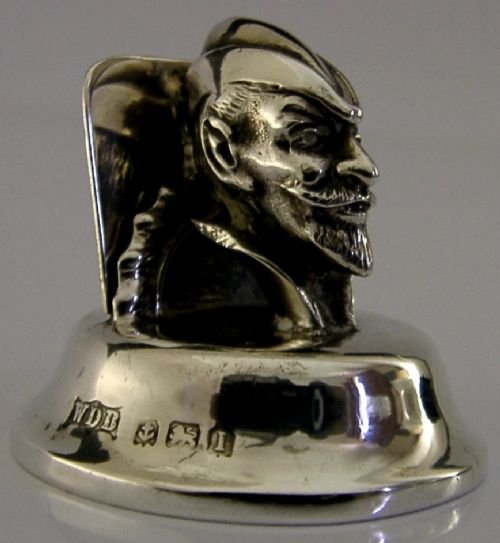
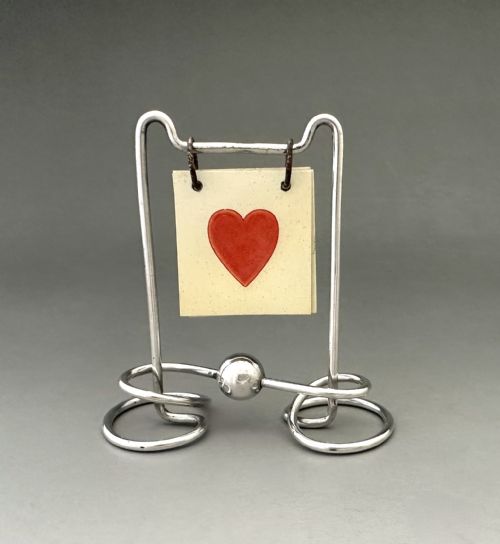
Makers shaped these items into figural forms such as owls, grouse, horses heads, cherubs, maidens, and love hearts, drawing on Art Nouveau, Scottish Revival, and Equestrian styles. They mark formal dinners and parlour games from the nineteenth and early twentieth centuries.
What varies in quality
Quality rests in the crispness of the casting and the distinctness of the chased details upon the sterling silver figures, separating standard production from finer work. The presence of undamaged enamel work and complete sets rather than single examples elevates a piece.
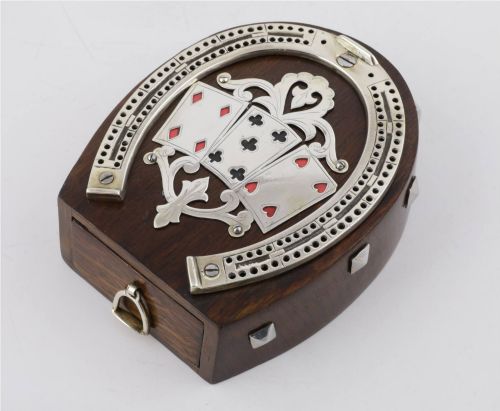
The joinery and materials of the housing boxes dictate their standard, with figured walnut and solid oak bound in brass sitting above simpler constructions. Original leather boxes and fitted velvet linings preserve the integrity of enclosed ceramic gaming tokens and whist counters.
Antique Card Marker Retail Price Guide 2026
Typical asking prices for card marker among the pieces listed under this phrase on Sellingantiques today, from the lower quarter to the upper quarter. They describe what is for sale here now, not the wider market.
Even card players needed charming referee figures, evidenced by silver owls and grouse solemnly watching over the dining table.
Sampson Mordan·George Betjemann·Liberty
The Antique Card Marker Glossary
- Place card holder
- A small weighted stand designed to display a guest's name card at a formal dinner table. These items frequently match the themes of menu holders.
- Whist counter
- A mechanical or manual device used to keep score during card games. They often appear as porcelain counters housed in leather boxes.
- Menu holder
- A decorative upright clip or frame placed upon dining tables to present the evening's menu. Silversmiths often modelled these as figural animals and romantic symbols.
- Trump marker
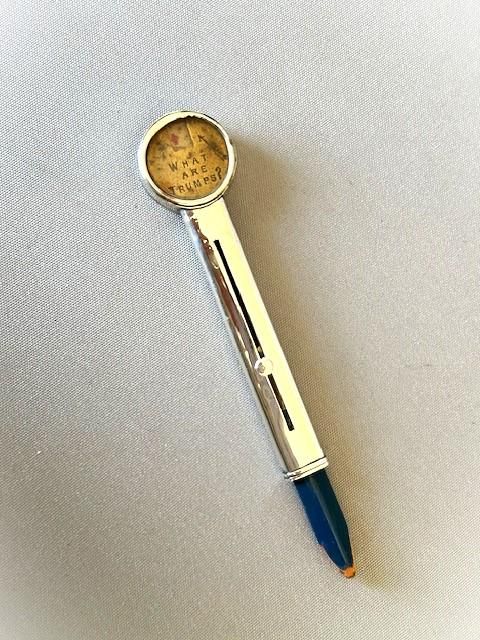
- A small accessory utilised during card games to indicate the trump suit for the current hand. Silver plate and sterling silver versions survive from the early twentieth century.
Antique Card Marker: Frequently Asked Questions
What is an antique card marker?
An antique card marker encompasses small table accessories and scoring devices used during nineteenth and early twentieth-century parlour games and dinners. They include trump markers, whist counters, and gaming tokens.
These pieces were produced in sterling silver, porcelain, and ceramic, often housed in original leather boxes or wooden card cases.
How were place card holders used?
Place card holders were placed on dining tables during formal meals to indicate where guests should sit. Their designs matched the decorative themes of menu holders.
Hostesses utilised matching sets shaped as animals, birds, or figural subjects to complement the table setting.
What materials are common in games boxes?
Games boxes typically feature solid oak or figured walnut construction reinforced with brass mounts and hinges. Interiors often include velvet or silk linings.
These compartments safely stored playing cards, cribbage boards, and ceramic counters.
How do I date a silver menu holder?
Dating a silver menu holder involves checking the hallmarks stamped into the sterling silver by the assay office. These marks reveal the exact year of manufacture.
Stylistic cues like Art Nouveau curves or Edwardian figural motifs also help identify the period.