

Antique Card Accessories
Antique card accessories span table markers, chatelaines and pocket cases crafted in silver, enamel and leather during the Victorian and Edwardian eras.
Antique Card Accessories
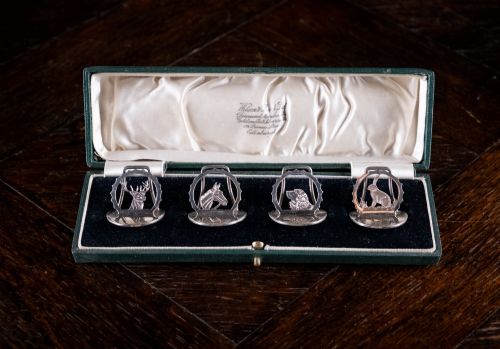
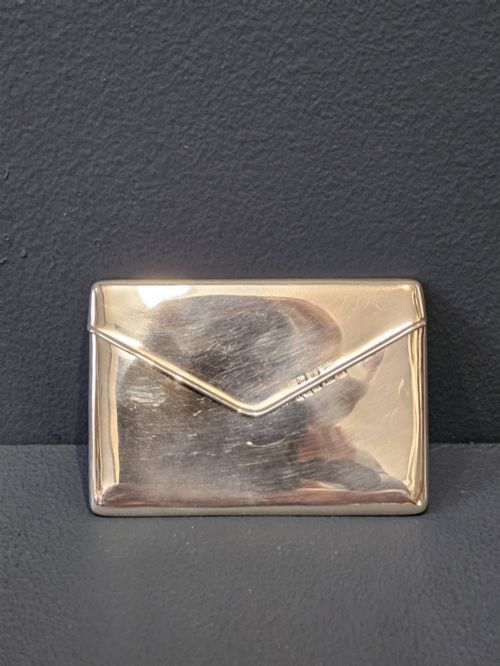
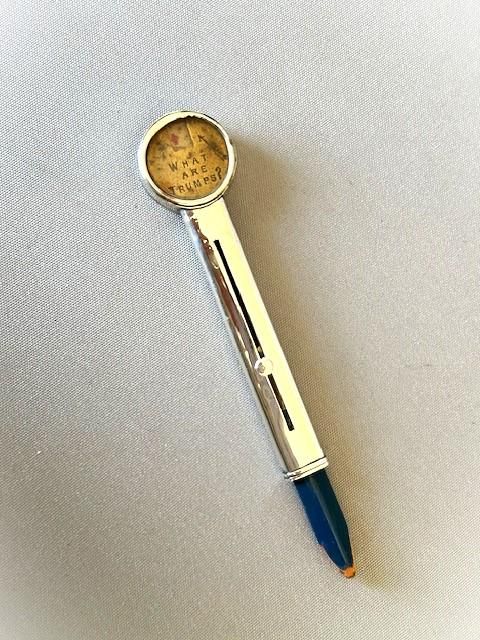
Antique card accessories comprise a varied group of small items designed for social tables, dining rooms and personal carriage. You will encounter menu holders, place card holders, card cases, and whist counters among the selections here. The forms span the nineteenth century into the middle twentieth century, with a strong concentration of Edwardian and Victorian pieces.
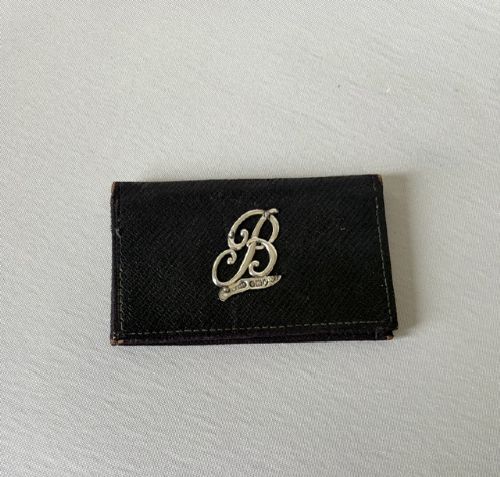
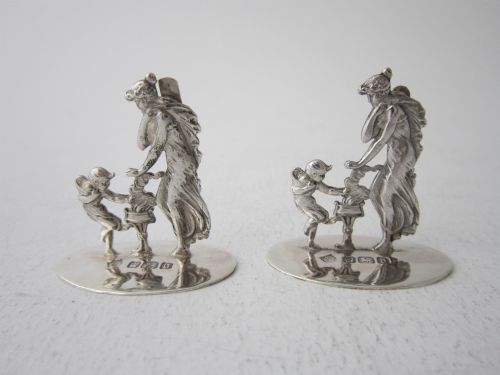
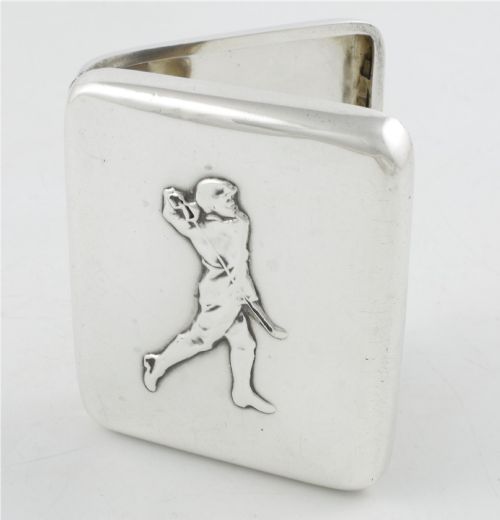
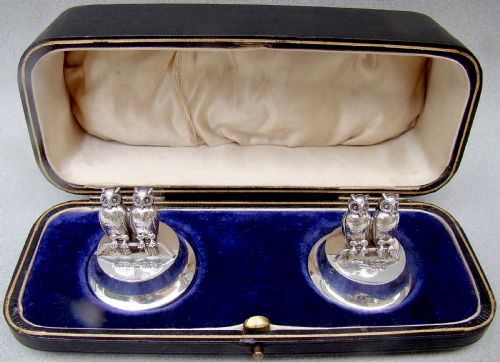
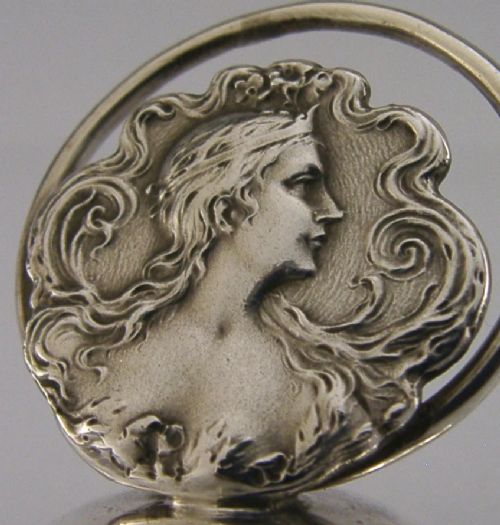
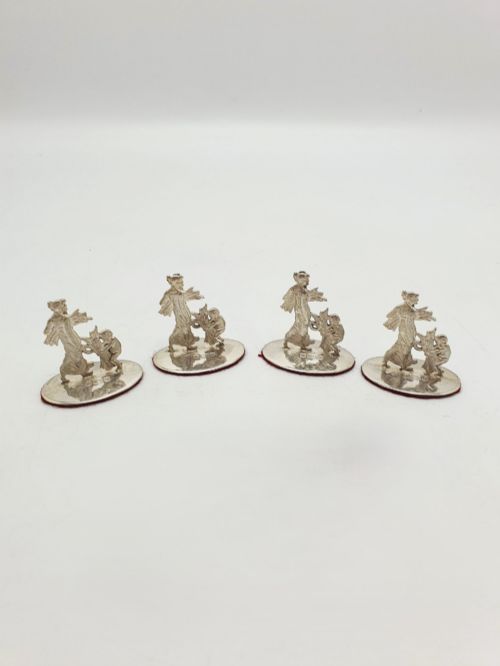
Table pieces such as menu holders and place card markers frequently take figural forms including owls, swans, cherubs, and animals like monkeys and foxes. Pocket versions include card cases, cigarette cases, aide memoires, and wallets lined with silk or velvet. These items served functional roles in formal dining and card games while displaying decorative craftsmanship.
How they were made
Makers shaped sterling silver and continental silver alloys through casting, stamping, and hand-chasing to achieve detailed figural subjects and architectural motifs. Silver-gilt surfaces, blue cabochons, and hand-painted enamel decorate many of the cigarette cases and menu markers from the Art Deco and Art Nouveau periods.
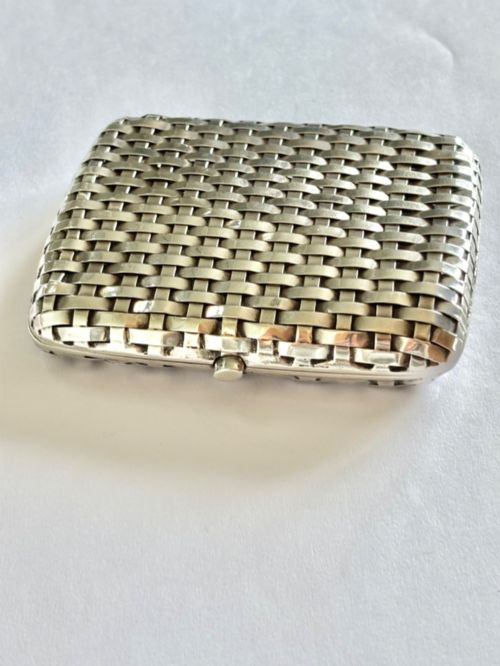
Internal components of pocket accessories incorporate structural elements of bone, leather, velvet, and silk to hold cards, stamps, and notes securely. Exterior surfaces often employ basket weave patterns, engine turning, or engraved scrollwork executed by specialist silversmiths.
Antique Card Accessories Retail Price Guide 2026
Typical asking prices for card accessories among the pieces listed under this phrase on Sellingantiques today, from the lower quarter to the upper quarter. They describe what is for sale here now, not the wider market.
Listings feature sterling silver, enamel, leather, silk, bone, and gemstone materials across Victorian, Edwardian, and Art Deco periods.
What varies in quality
The integrity of applied details, such as intact enamel work, secure gemstone cabochons, and well-preserved silk or velvet linings, distinguishes finer examples. Maker marks and clear silver hallmarks add provenance and confirm the standard of the metal used.
Sampson Mordan·William Comyns And Sons·Fritz Bemberg·Levi And Salaman·A Wilcox·Cartier·Wright And Davies·Edward Edwards·Ludwig Krumm
The Antique Card Accessories Glossary
- Menu holder
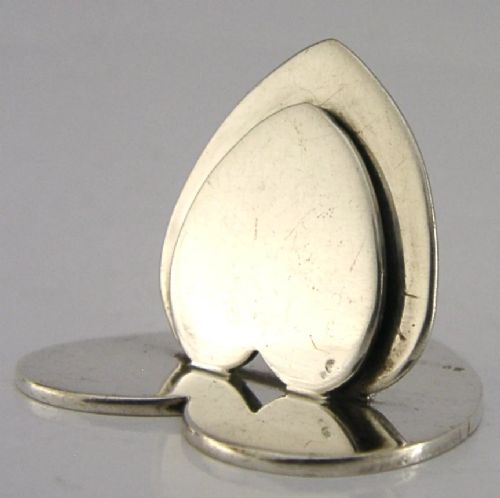
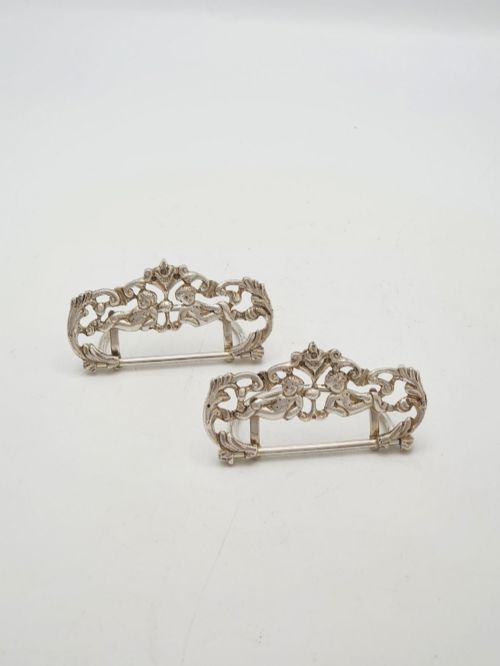
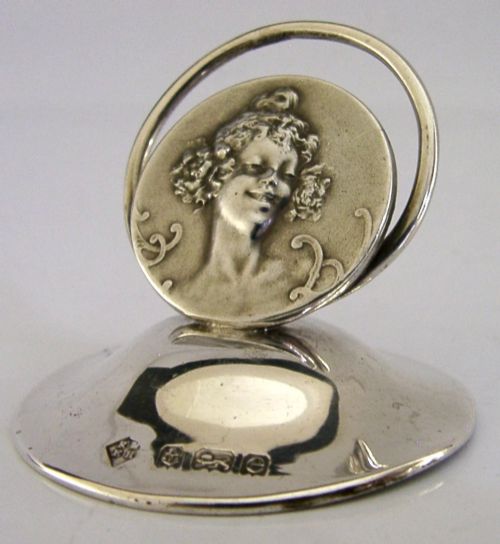
- A small weighted stand designed to hold a menu card upright on a formal dining table. These often match place card holders in sets.
- Aide memoire
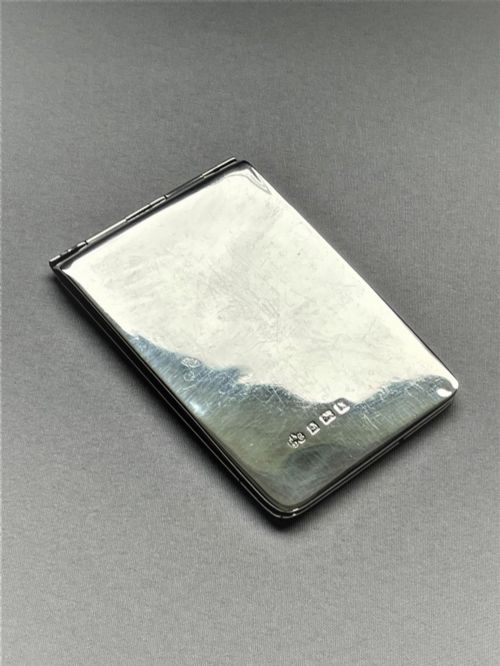
- A small pocket notebook or memorandum pad fitted with a silver pencil and internal leaf pages for jotting notes. They frequently feature decorative silver covers.
- Chatelaine
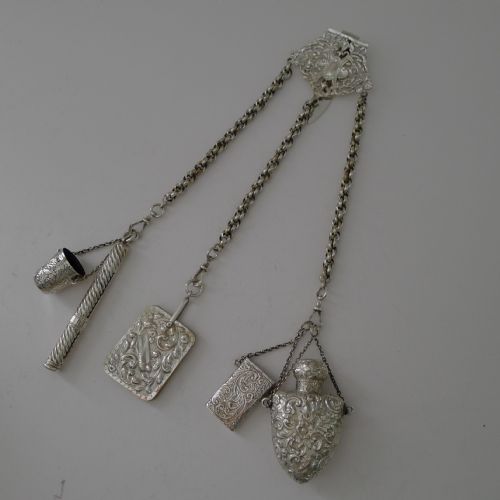
- A decorative belt hook worn at the waist with suspended chains holding useful household items such as purses, card cases, and aide memoires.
- Cabochon
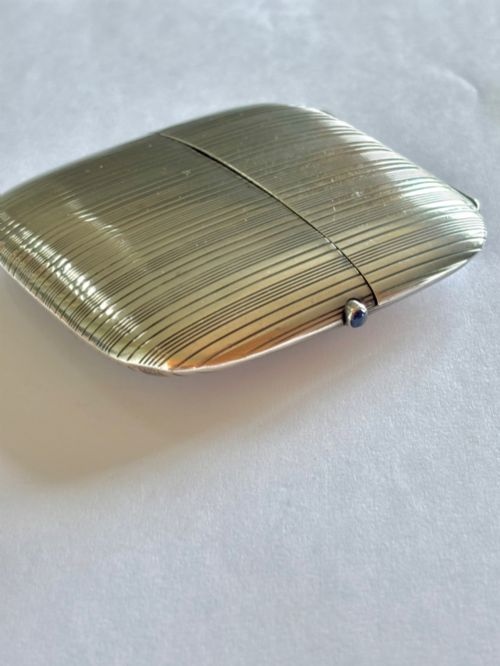
- A gemstone shaped and polished with a smooth convex dome rather than faceted cuts. These are commonly set into the clasps of cigarette and card cases.
- Engine turning
- A mechanical engraving technique that etches precise geometric patterns into the surface of metal objects like silver card cases.
Antique Card Accessories: Frequently Asked Questions
How do you use an aide memoire?
An aide memoire served as a pocket memorandum book for recording social engagements, card scores, or daily reminders. They typically included a small removable pencil and paper leaves.
Carried in pockets or suspended from chatelaines, they offered a portable writing surface before the advent of modern pocket devices.
What are whist counters?
Whist counters were small mechanical or manual devices used by card players to keep score during card games. They were housed in specialised boxes made of wood, leather, or porcelain.
Players turned dials or moved markers on the counters to track points won during an evening of card playing.
How do I date a silver card case?
Silver card cases can be dated by examining the hallmarks stamped into the metal, which indicate the assay office, metal standard, and a specific date letter. British pieces carry distinct letters corresponding to the year of assay.
Stylistic cues such as Art Nouveau floral lines or geometric Art Deco patterns also help narrow down the decade of manufacture.