







Antique Canine Figure
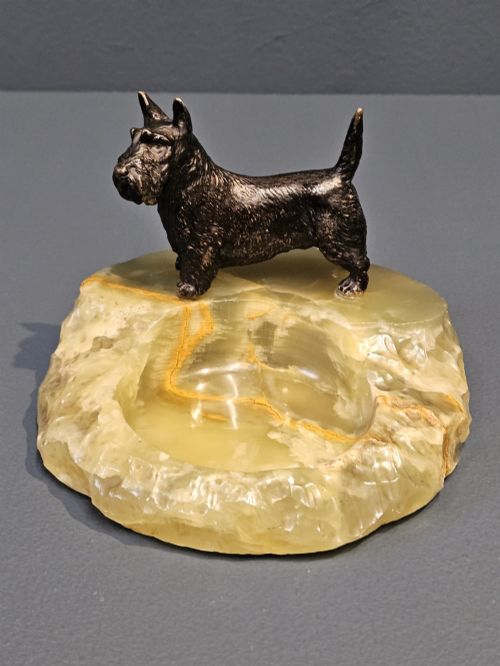
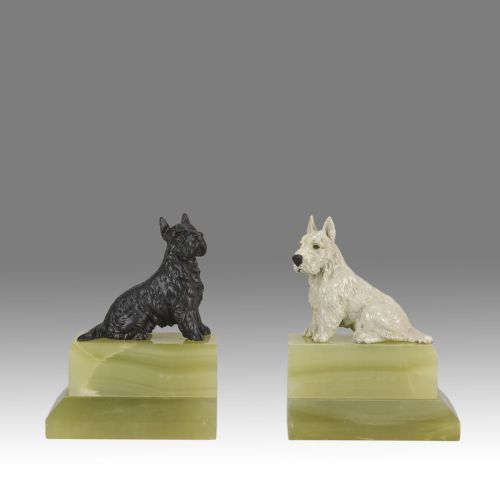
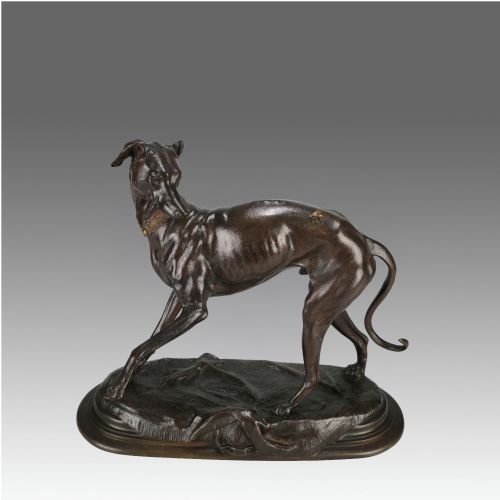
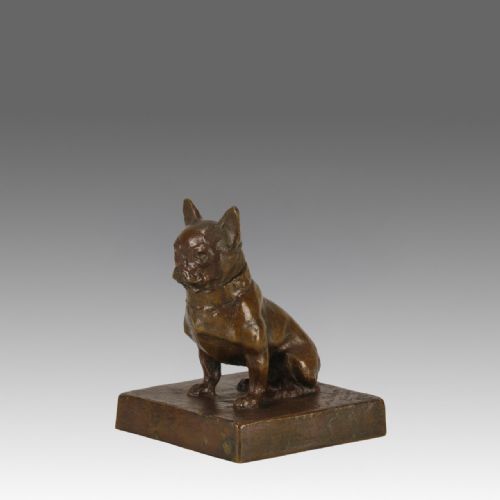
An antique canine figure captures the character of hounds, terriers and gundogs in bronze, porcelain, terracotta and marble.
Antique Canine Figure
When searching for an antique canine figure, a buyer examines sculptures, figurines, bookends and decorative objects spanning the Georgian period through the early twentieth century. The selection ranges from small desk studies to life-size sculptures and functional items like inkwells and doorstops.
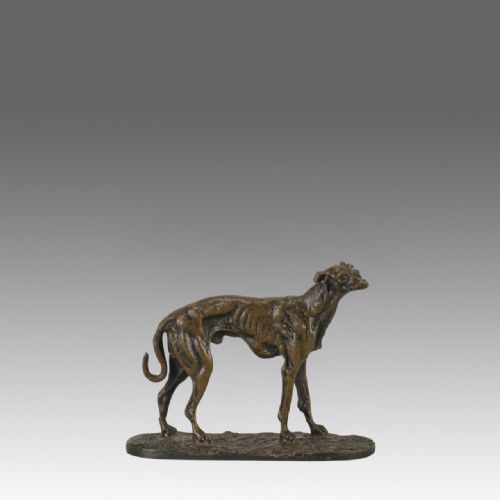
The most common examples on this page are animalier bronzes depicting hounds, greyhounds and terriers produced in nineteenth-century France and Britain. Porcelain models from German and Continental factories also appear regularly alongside terracotta and spelter representations.
Materials and Techniques
Metals dominate the physical record, principally cast bronze with cold-painted details or a dark patina, alongside spelter and composition. Foundry work utilises lost-wax casting methods to render muscular forms and fur textures with precision.
Ceramic pieces rely on porcelain, earthenware and terracotta, sometimes finished with white blanc de chine glazes or hand-painted pigments. Marble is also employed, particularly for carved sculptural bases and Grand Tour animal studies.
Antique Canine Figure Retail Price Guide 2026
Typical asking prices for canine figure among the pieces listed under this phrase on Sellingantiques today, from the lower quarter to the upper quarter. They describe what is for sale here now, not the wider market.
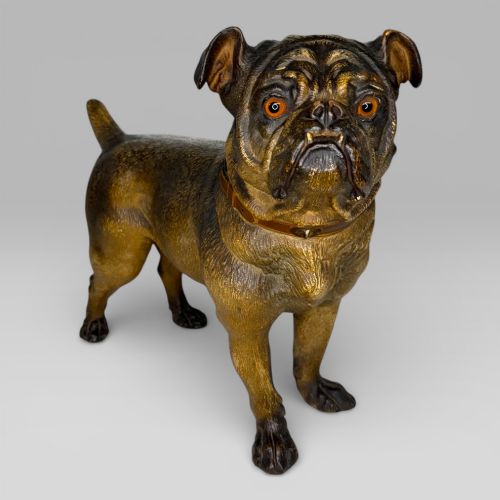
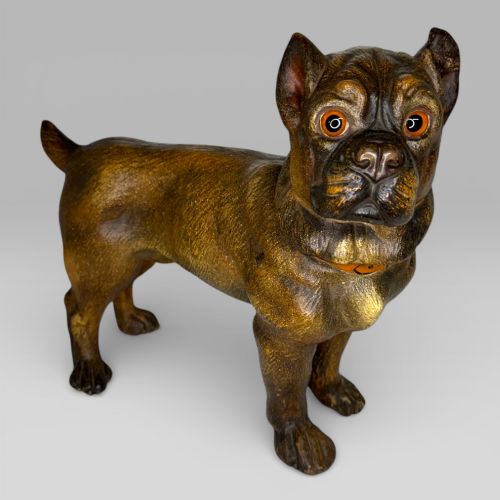
A life-size terracotta pug sits patiently among the bronzes, waiting to guard the hallway.
Distinctions in Quality
The standard of an antique canine figure depends on the fidelity of the anatomy and the crispness of the casting or modelling. Superior examples display careful observation of the animal's posture and movement, whether in a seated pose or mid-stride.
Surface finish separates finer works from mass-produced items, showing deliberate chisel work on bronzes or careful brushwork on painted porcelain. Maker signatures and foundry marks further distinguish atelier pieces from commercial items.
Alfred Barye·Dora Heber·P J Mêne·Prosper Lecourtier·Pierre Jules Mene·Edith Parsons·Arthur Waagen·P.de Soete·Joseph Francois Victor Chemin·Franze Bergman·Louis Riche·Barbedienne
The Antique Canine Figure Glossary
- Animalier
- A nineteenth-century artistic movement dedicated to the realistic depiction of animals, particularly predators and hounds. Sculptors in this tradition studied live specimens in menageries.
- Cold-painted bronze
- A technique where bronze sculptures receive paint applied without heat, often leaving delicate surface details that require careful handling over the decades.
- Blanc de chine
- A French term for white Chinese porcelain, later adopted by European potteries to describe unglazed or clear-glazed white porcelain figures.
- Spelter
- A zinc alloy frequently used as a cheaper alternative to bronze for decorative figures, often painted to imitate heavier metal finishes.
Antique Canine Figure: Frequently Asked Questions
What periods do these dog figures come from?
The pieces span from the Georgian era through the Victorian and Edwardian periods up to the Art Deco years of the 1920s and 1930s.
Most examples date from the nineteenth and early twentieth centuries, reflecting the high popularity of animalier sculpture during that era.
How were these canine figures used originally?
Many served purely as decorative mantle sculptures or cabinet figurines, capturing beloved pets or working gundogs.
Others fulfilled practical household roles as bookends, doorstops, table lamps, inkwells and advertising display pieces.
Which materials are most common for these antiques?
Bronze is the predominant medium, often featuring rich patinas or cold-painted surfaces.
Ceramic materials like porcelain, terracotta and earthenware also appear frequently, alongside marble and cast composition.
How do I identify an animalier bronze?
Animalier bronzes focus on dynamic or resting animal subjects created with close attention to naturalistic anatomy and movement.
They frequently bear the signature of the sculptor on the bronze base alongside foundry stamps.