


Antique Caned Furniture
Antique caned furniture brings together light seating and sturdy stands formed from materials like cane, bamboo, mahogany, and cast iron across periods from the Regency to the Edwardian era.
Antique Caned Furniture
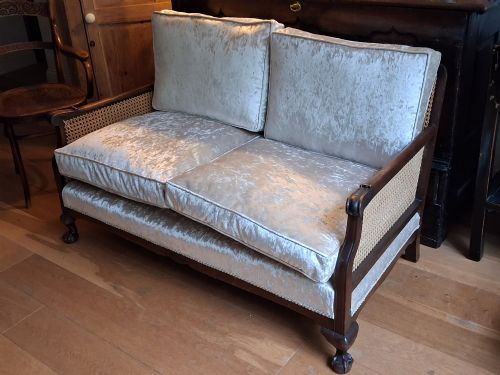
When people search for antique caned furniture, they find a diverse array of domestic objects spanning seating, resting forms, and hall storage. The selection includes armchairs, bergères, daybeds, and sofas alongside practical umbrella and stick stands.
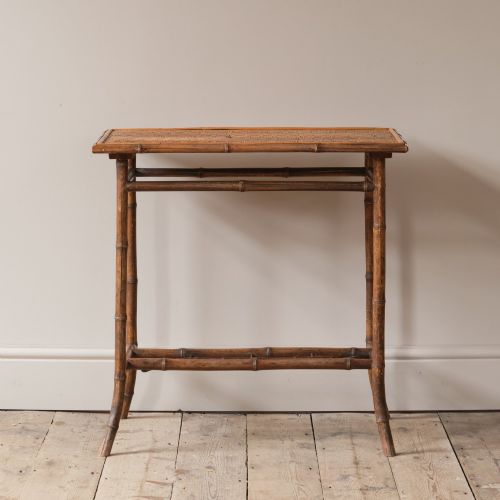
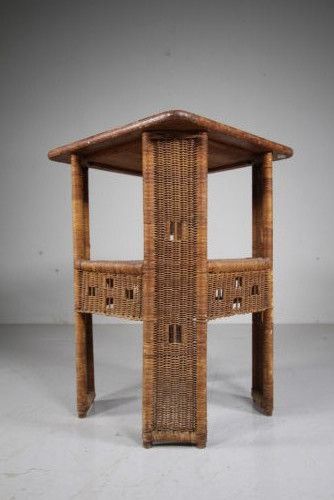
The pieces on this page originate from the 19th century, Victorian, Edwardian, and Regency periods, reflecting design movements such as Aesthetic Movement, Arts and Crafts, and Anglo-Indian styles. Buyers encounter everything from formal library armchairs to bamboo tables and cast iron hallway stands.
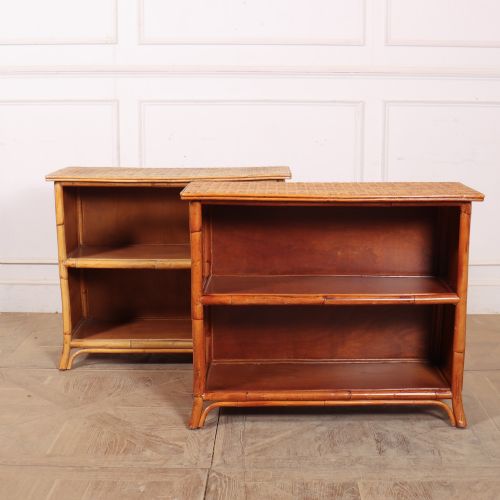
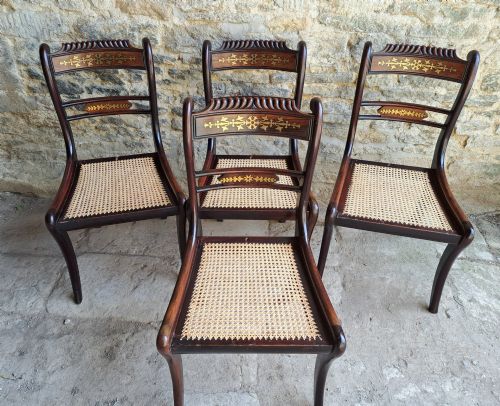
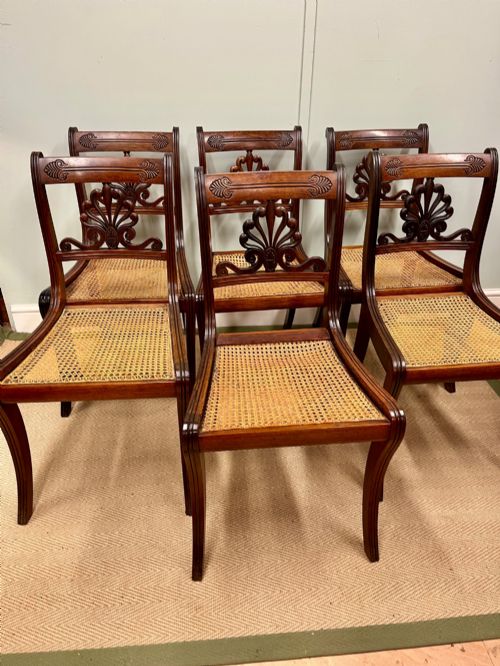
Seating forms often integrate woven cane panels into wooden frames made from mahogany, satinwood, walnut, or ebony. Meanwhile, hall furniture combines metalwork, oak, and bamboo to create durable umbrella stands suited to nineteenth-century domestic life.
How these pieces were made
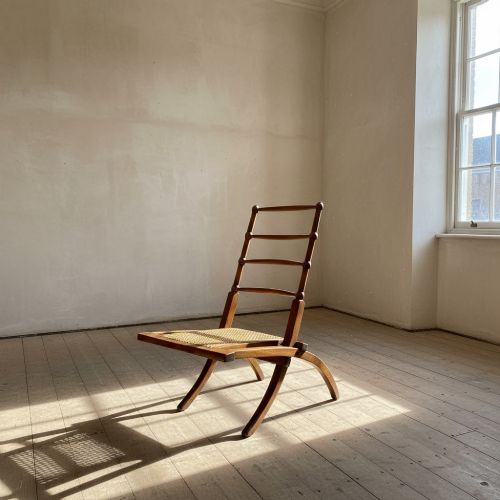
Craftsmen built the wooden frameworks of these chairs and daybeds using traditional timbers like mahogany, oak, rosewood, and padouk, often shaping them with carved or turned details. Caned sections required skilled artisans to thread split rattan through drilled holes in the timber frame to create a resilient, flexible mesh.
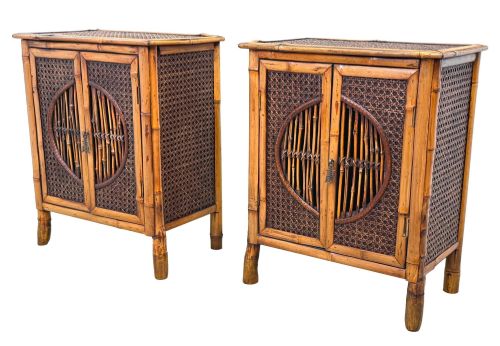
Other items rely on structural metals such as cast iron and brass, frequently combined with drip trays for umbrella storage or incorporated into bamboo frameworks. Artisans also utilised ebonisation, lacquer, and paint finishes to achieve specific aesthetic effects, from French-inspired bergères to Aesthetic Movement bamboo pieces.
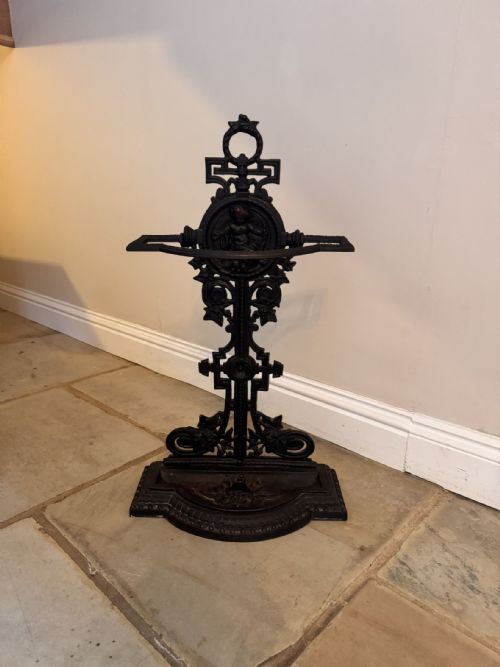
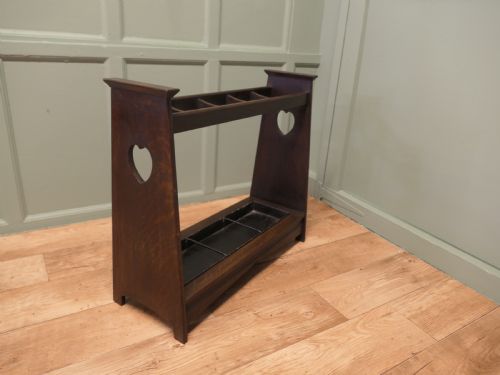
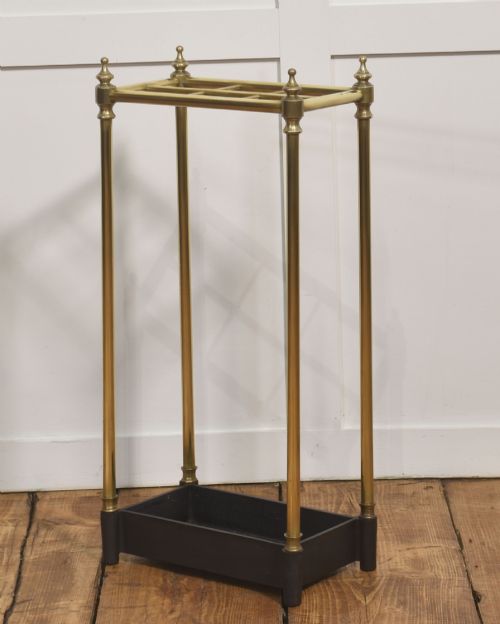
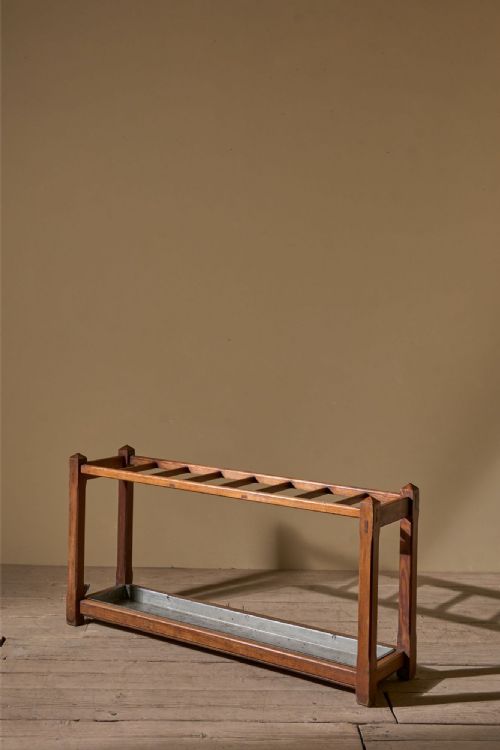
Listings feature 19th-century hall stands combining cast iron, brass, oak, and bamboo for storing walking sticks and umbrellas.
What varies in quality
The standard of a piece rests heavily on the tightness and uniformity of the cane work, where evenly woven strands demonstrate superior handcrafting. Solid timber selection, such as dense ebony, figured mahogany, or solid oak, also distinguishes standard production from finer workshops.
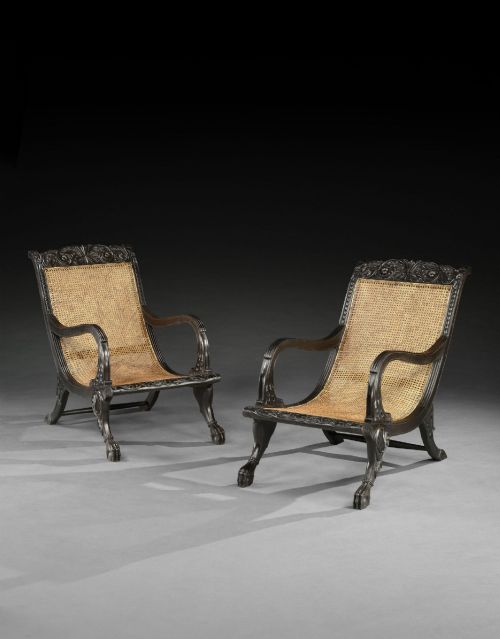
Execution of carved details and metal castings marks another division in quality. Crisp carving on Anglo-Indian armchairs or refined brass inlay on Regency dining chairs indicates higher workshop standards compared to simpler, mass-produced items.
E.W Godwin·Dryad of Leicester·Heals of London
The Antique Caned Furniture Glossary
- Bergère
- An enclosed armchair with upholstered or caned sides and a fitted seat cushion. This French seating form became popular in various English and continental revivals.
- Campaign chair
- Portable furniture designed for military officers on campaigns, often featuring folding or dismantling frames made from durable hardwoods.
- Ebonisation
- A finishing process applied to cheaper timbers like beech or pine to imitate solid ebony. This dark finish appears frequently on 19th-century seating and daybeds.
- Aesthetic Movement
- A late 19th-century design style that emphasised decorative arts for their own sake, often incorporating Japanese-inspired bamboo and ebonised surfaces.
- Padouk
- A heavy, durable tropical hardwood with reddish tones utilised in Anglo-Indian furniture production. Makers valued it for its capacity to hold intricate carved details.
Antique Caned Furniture: Frequently Asked Questions
What is a bergère chair?
A bergere is an enclosed upholstered armchair characterised by solid sides filled with cane work rather than open wooden arms. They often include loose seat cushions and padded backs.
Originating in France, these chairs appeared in various revival styles through the nineteenth and early twentieth centuries, prized for their combination of formal elegance and comfortable seating.
How do I care for cane seats?
Cane requires moderate humidity to prevent the natural rattan fibres from becoming brittle and snapping under pressure. Keeping pieces away from direct heat sources preserves the material.
Washing cane gently with warm water and mild soap helps maintain flexibility, while avoiding harsh chemical cleaners protects the historic surface finish.
Where were umbrella stands used?
Umbrella and stick stands sat in hallways, vestibules, and entrance lobbies of nineteenth-century homes to catch water dripping from wet outdoor gear. They provided a designated space for walking sticks and parasols.
Materials varied from heavy cast iron and brass to oak, bamboo, and pine, reflecting the functional needs and interior design tastes of Victorian and Edwardian households.
How do I date an antique daybed?
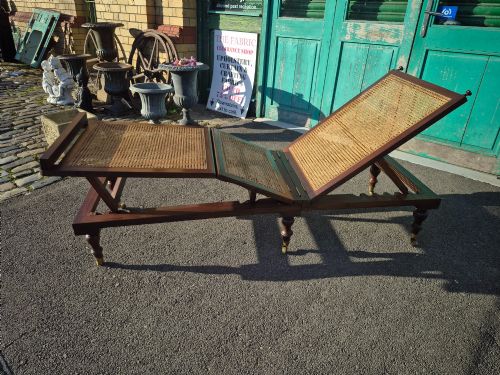
Dating a daybed involves examining the underlying timber, turning styles, and construction methods used in the frame. Regency examples display classical influences, while 19th-century versions often feature ebonised finishes or bamboo structures.
Comparing the joinery and any incorporated caning patterns to documented pieces from specific periods helps narrow down the decade of manufacture.