

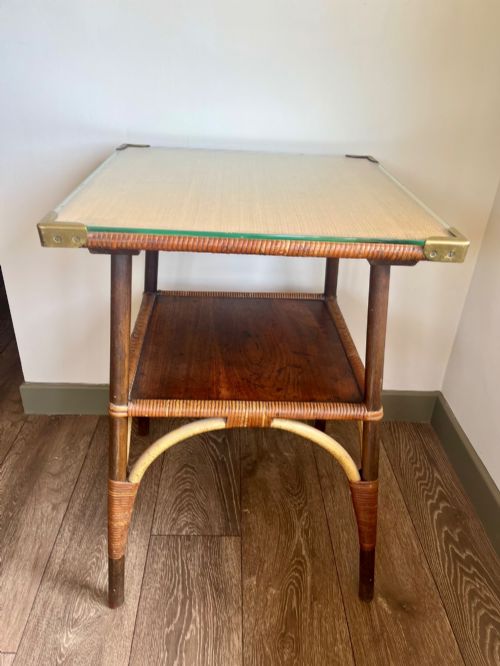


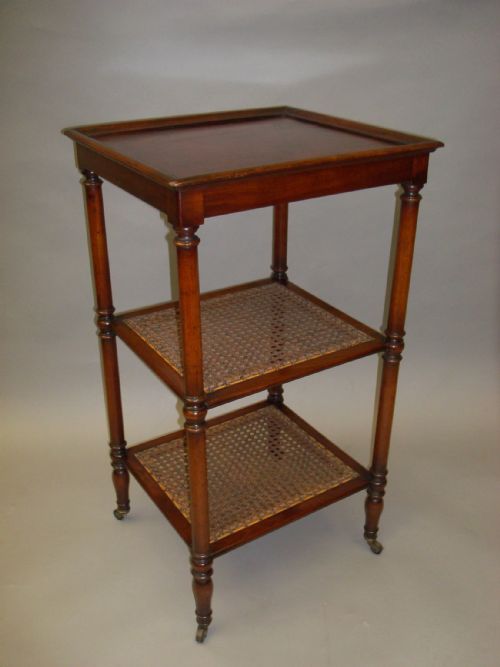


Antique Cane Tier Table
An antique cane tier table brings lightness and natural texture to a room, offering functional surface space across multiple levels.
Antique Cane Tier Table
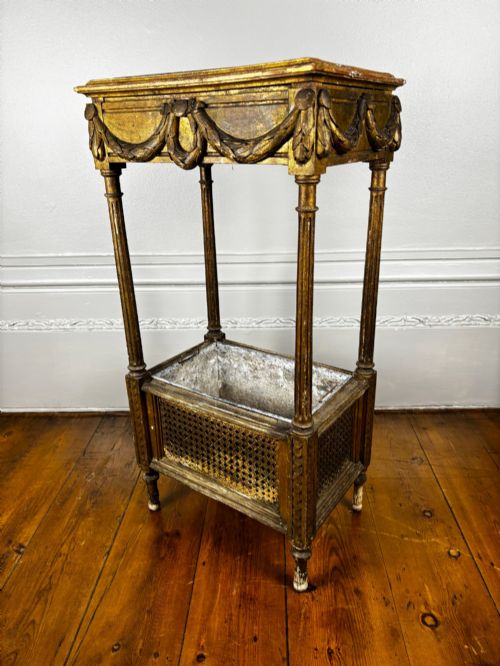
When you search for an antique cane tier table, you are looking at multi-level occasional, side, and coffee tables that incorporate woven elements or bamboo structures across several distinct periods. The examples found here span the nineteenth century and the Edwardian era, encompassing British production alongside French and Anglo-Indian designs.
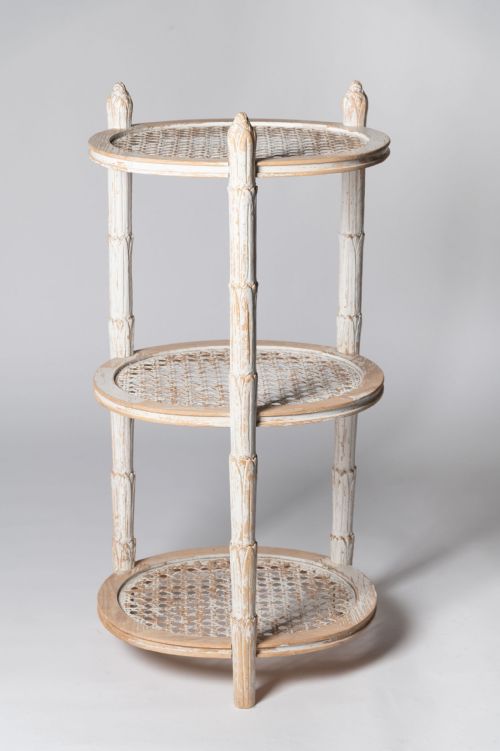
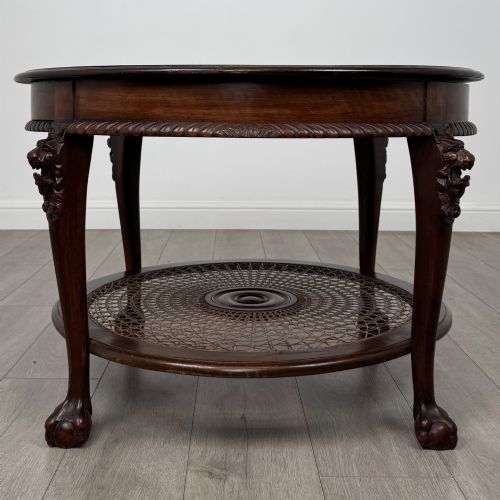
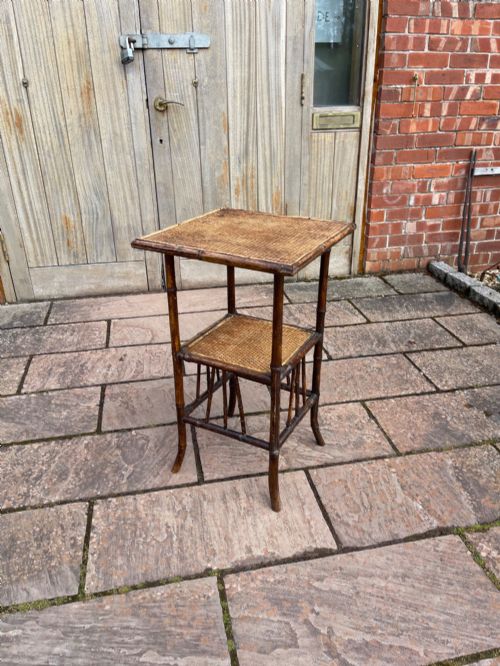
The most common versions you will meet on this page utilise bamboo frameworks combined with cane or woven reed panels, often arranged in two or three tiers. Alongside these lighter exotic designs, you will also encounter heavier mahogany and oak pieces featuring traditional tiers, marble inserts, and canework.
Forms range from compact occasional tables and coffee tables to taller étagères and gueridons. These pieces served historically as tea tables, lamp stands, or display surfaces in drawing rooms and parlors, bringing tiered utility to domestic spaces.
How they were made
Construction relies on natural materials such as bamboo, rattan, and woven cane, frequently paired with cabinet timbers like mahogany and oak. Makers shaped and bent bamboo poles over heat to form the upright supports and structural framing of lighter pieces.
Canework and woven reed are painstakingly threaded through drilled frames or inset panels to create durable, flexible surfaces on upper and lower shelves. Heavier French and revival examples incorporate turned mahogany supports, hand-carved details, and inset marble tops alongside traditional joinery.
Antique Cane Tier Table Retail Price Guide 2026
Typical asking prices for cane tier table among the pieces listed under this phrase on Sellingantiques today, from the lower quarter to the upper quarter. They describe what is for sale here now, not the wider market.
Some nineteenth-century tables incorporated leather tops alongside woven reed, ensuring your teacup sat upon a surface fit for an empire.
What varies in quality
Quality in an antique cane tier table rests upon the tightness and regularity of the weaving, the stability of the structural frame, and the precision of the joinery. Tightly bound rattan and uniform cane panels indicate superior craftsmanship compared to loose or unevenly tensioned weaving.
The selection of materials also dictates standing, with fine-grained hardwoods like mahogany and properly cured bamboo showing greater longevity than softer, more pliable substitutes. Furthermore, documented maker attribution, such as work associated with Liberty & Co., elevates the standing of a piece within the market.
Liberty & Co.
The Antique Cane Tier Table Glossary
- Tier table
- A multi-level table featuring two or more horizontal surfaces stacked vertically for display and storage. These tables provide increased surface area while maintaining a small footprint.
- Canework
- Woven material typically made from peeled rattan cane, used to create flexible and decorative surfaces for seats and table tiers. It requires skilled manual labour to thread and tension correctly.
- Bamboo
- A woody grass utilised extensively for structural framing and decorative turned legs in nineteenth-century occasional furniture. Its natural flexibility allowed makers to create lightweight yet resilient pieces.
- Étagère
- A French freestanding piece of furniture consisting of a set of open shelves or tiers for displaying small objects. They often feature delicate woodwork, marble inserts, or glazed panels.
- Gueridon
- A small French round table supported by one or more columns, popular during the nineteenth century. These tables frequently incorporate multiple tiers and decorative marble tops.
Antique Cane Tier Table: Frequently Asked Questions
What is an antique cane tier table used for?
These tables provide practical surface space across multiple levels, making them suitable for displaying decorative objects, holding lamps, or serving tea in a living area.
Their open tiers allow for both display and compact storage within smaller rooms without dominating the floor plan.
How do I identify a Victorian bamboo table?
Victorian bamboo tables typically feature heat-bent bamboo stems forming the legs and frame, often combined with woven cane or reed shelves and panels.
They frequently date from the late nineteenth century and reflect the period's widespread interest in exotic and Anglo-Indian aesthetic styles.
How should I care for woven cane surfaces?
Woven cane requires gentle dusting with a soft brush and occasional light conditioning to prevent the natural fibres from drying out and becoming brittle.
Keeping these tables away from direct heat sources and excessive moisture preserves the tension and strength of the cane.