



Antique Cane Bed
An antique cane bed brings lightness and texture to a bedroom, combining sturdy timber frames with woven natural panels.
Antique Cane Bed
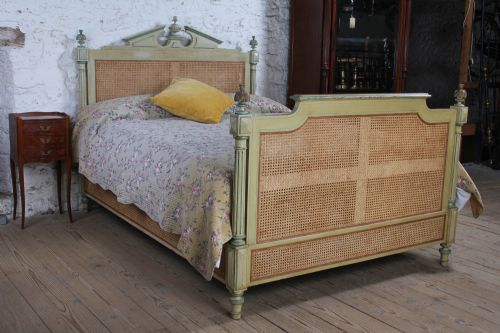
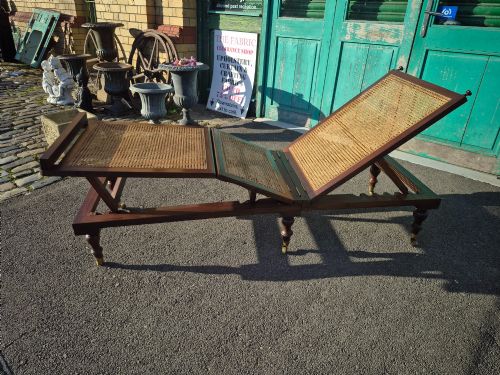
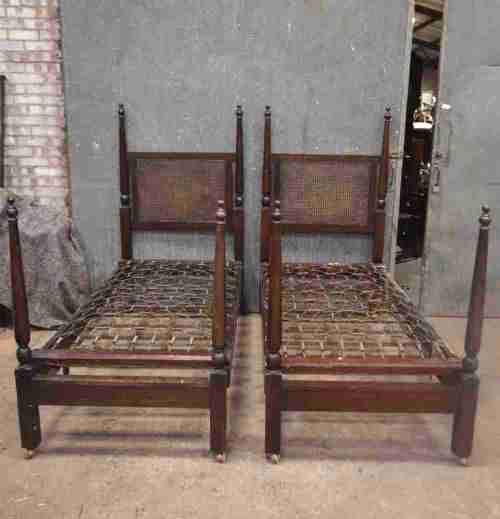
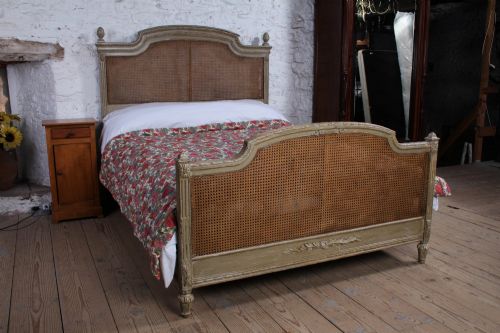
When you search for an antique cane bed, you encounter a variety of sleeping furniture and daybeds spanning from the nineteenth century into the early twentieth century. These pieces range from compact single beds and folding campaign daybeds to grand king size frames and matched bedroom suites.
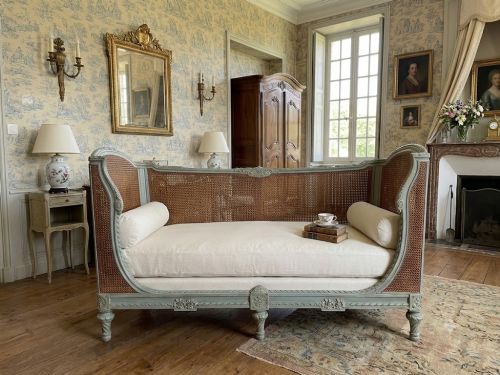
The selection on this page leans heavily towards French Louis XVI style designs, Edwardian pieces, and nineteenth century campaign furniture. Alongside standard double and single beds, you will find related forms such as daybeds, day bed long stools, and chaise longues that incorporate woven panels.
Origins vary across French chateau pieces, English institutional or retail makers, and colonial workshops, reflecting diverse regional tastes. Whether rendered in painted finishes, polished mahogany, or rich rosewood, the defining characteristic remains the woven natural material integrated into the headboard, footboard, or sides.
Materials and construction
Frames rely on hardwoods such as mahogany, beech, satinwood, and solid Rio Rosewood, alongside secondary timbers like oak. Some examples receive painted, ebonised, or polychrome finishes, occasionally accented with gold leaf.
The signature element is cane or rattan, meticulously hand-woven into open or closed patterns within structural wooden channels. Brass hardware appears frequently on campaign items, providing functional folding mechanisms and corner braces.
Listings feature items from the 1890s, 1900, 1910, 1920, and the Victorian and Edwardian eras, constructed from cane, mahogany, brass, paint, beech, wood, rattan, and gold leaf.
Assessing quality
Quality reveals itself in the tightness and uniformity of the cane weave, as well as the crispness of the carved wood details on the frame. Finer pieces demonstrate seamless joinery and superior selection of timbers like figured mahogany or satinwood.
The presence of hand-painted portrait panels, gilding, or signature maker details elevates a piece from standard utility to high craftsmanship. Structural integrity in folding mechanisms and weight-bearing rails also distinguishes superior examples.
Leveson and Sons·Maple and Co·Heals and son
The Antique Cane Bed Glossary
- Cane
- Woven material made from the outer skin of rattan palms, utilised for flexible and breathable panel inserts in furniture. It provides both structural support and decorative lightness.
- Bergere
- A type of enclosed upholstered armchair or bed frame with wooden sides filled with cane work. This French style offers an airy aesthetic while maintaining robust support.
- Campaign furniture
- Portable pieces designed for military officers to dismantle or fold for travel. These items incorporate sturdy brass fittings and collapsible frames.
- Canapé Corbeille
- A French basket-shaped sofa or daybed featuring curved back and arm rails. They frequently incorporate carved woodwork and caned panels.
- Ebonised
- Timber treated with a chemical stain or finish to imitate ebony. This dark, formal treatment was popular during the nineteenth century.
Antique Cane Bed: Frequently Asked Questions
What is an antique cane bed?
An antique cane bed is a bed frame featuring woven rattan or cane panels integrated into the headboard, footboard, or sides. These pieces combine wooden framing with light, breathable woven sections.
They appear in various styles from the nineteenth and early twentieth centuries, including French revival designs, Edwardian pieces, and campaign furniture.
How were campaign cane beds used?
Campaign cane beds were built for military officers and travellers on the move. Their folding frames and modular parts allowed for straightforward transport across long distances.
Today, these collapsible items function well in guest rooms or studies where flexible furniture placement is useful.
How do I care for cane panels?
Cane panels require gentle cleaning with a damp cloth to remove dust from the woven strands. Keeping the material lightly moisturised prevents it from drying out and snapping.
Avoid placing these beds near direct heat sources or in overly dry rooms to maintain the flexibility of the natural fibres.
How can I date an antique cane bed?
Dating relies on examining the timber species, joinery methods, and stylistic cues present in the frame. Regency and Victorian examples show heavier mahogany and rosewood, while Edwardian and 1910s pieces often feature painted finishes and Louis XVI revival motifs.
Maker stamps and retail labels also provide precise chronological markers when present on the wood.