


Antique Candelabra Stand
These substantial antique candelabra stand pieces bring vertical presence and sculptural light to a room, drawing the eye with period metals and stone.
Antique Candelabra Stand
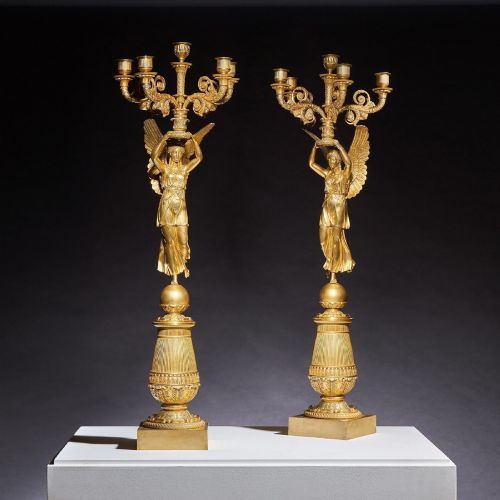
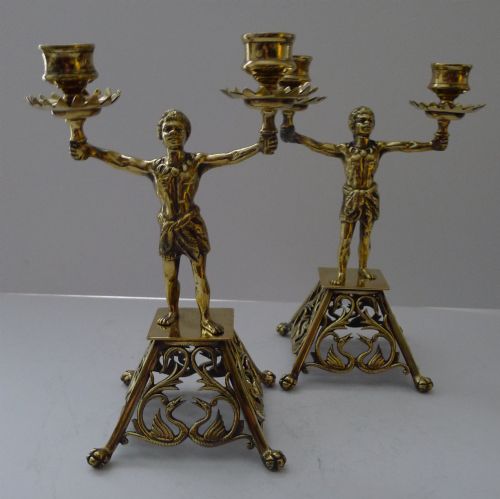
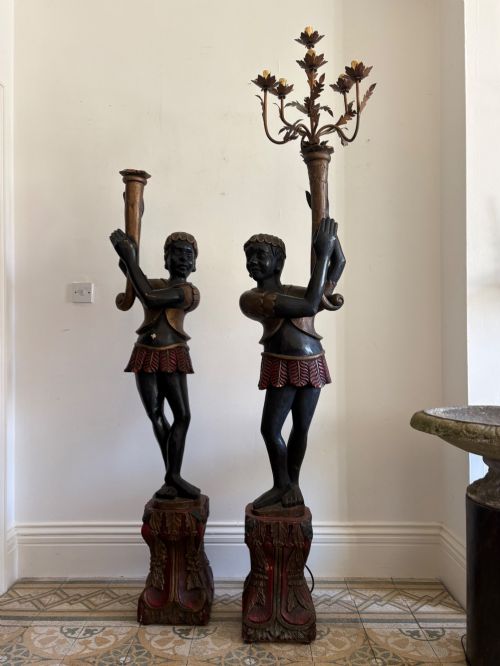
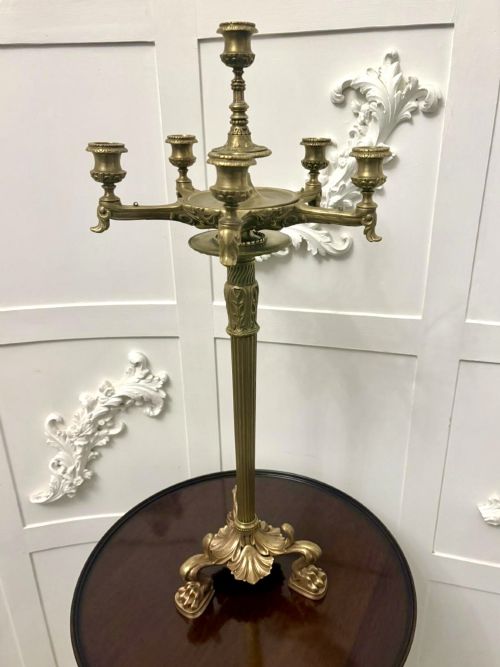
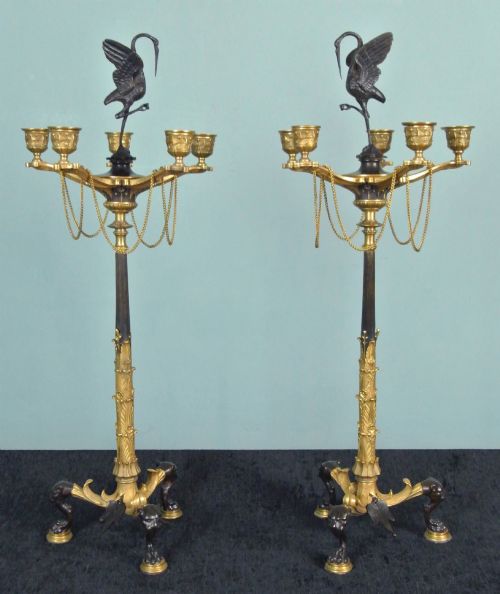
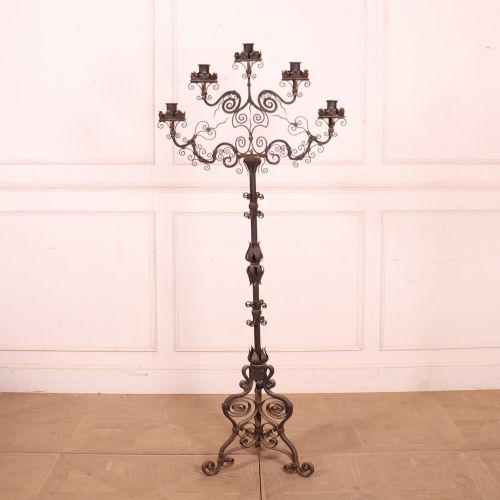
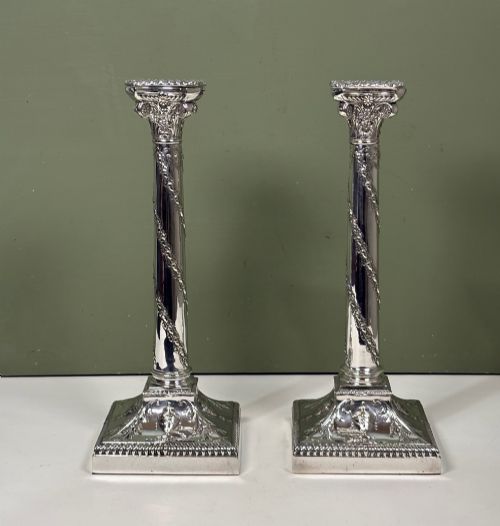
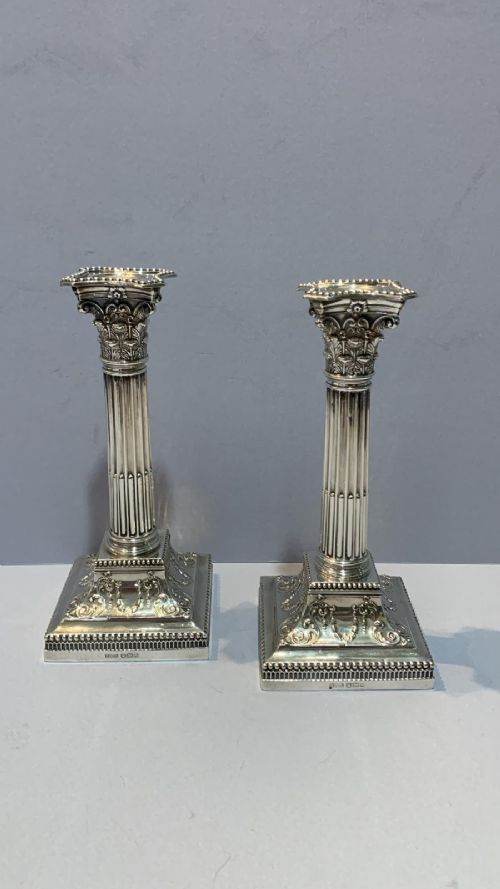
When searching for an antique candelabra stand, buyers encounter tall floor-standing torchères, monumental candelabra, and substantial table or altar pieces designed to support multiple candles. The selections span the nineteenth century into the early twentieth century, offering heavy floor lamps, architectural wrought iron standards, and ornate multi-branch candelabra.
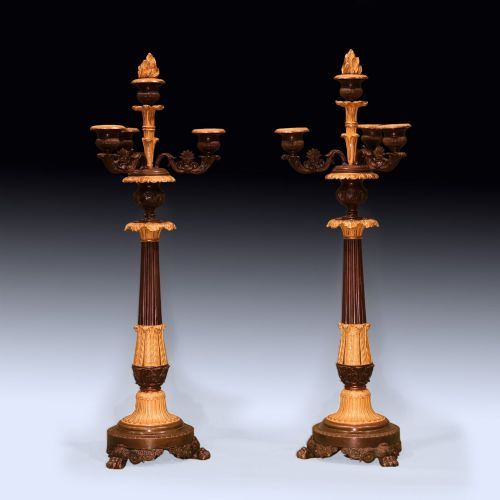
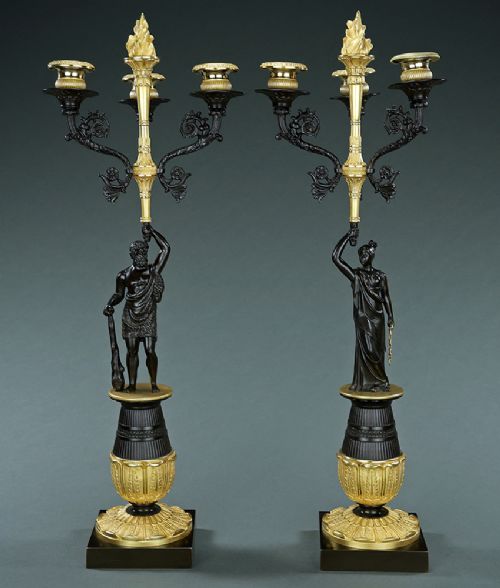
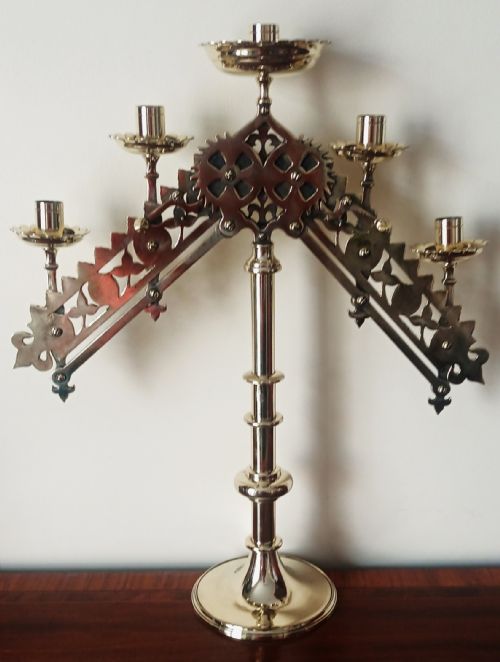
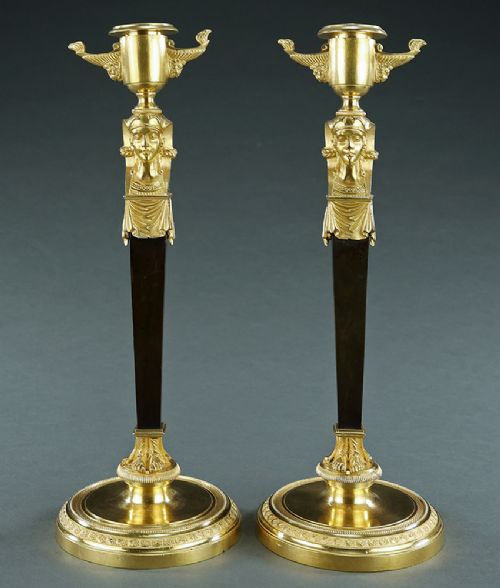
The objects derive from diverse stylistic movements, including French Empire, Regency, Gothic Revival, and Victorian design. Many pieces function as primary light sources or dramatic focal points, combining utilitarian metalwork with decorative figures, marble plinths, and classical motifs.
Materials and construction methods
Casting, chasing, and silver plating dominate the manufacturing methods recorded in the listings. Artisans assembled multi-arm branches using threaded fittings, articulated joints, and applied decorative mounts depicting figures, foliage, and classical ornamentation.
Antique Candelabra Stand Retail Price Guide 2026
Typical asking prices for candelabra stand among the pieces listed under this phrase on Sellingantiques today, from the lower quarter to the upper quarter. They describe what is for sale here now, not the wider market.
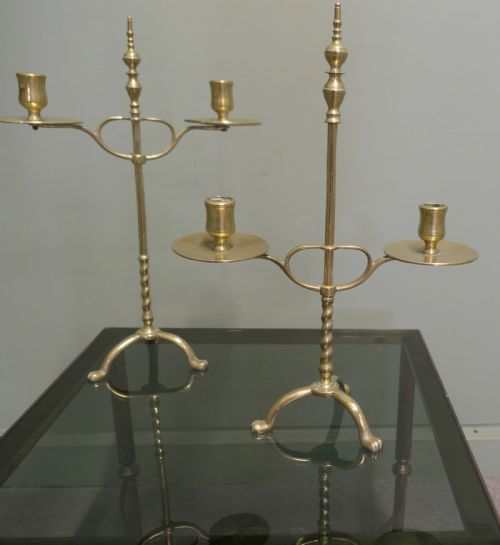
The inventory spans seventeenth-century ironwork through to Art Deco spelter figures from the nineteen-thirties.
Discerning quality in stands and candelabra
Superior examples demonstrate crisp chasing on bronze and ormolu surfaces, where intricate details remain sharp and well-defined rather than soft or muddy. The integration of contrasting materials, such as heavy marble bases supporting finely cast figures, indicates higher workshop standards.
Makers known for exceptional bronze work and signed pieces command attention through balanced proportions and substantial weight. Lesser examples rely on simpler cast iron or basic spun brass without the hand-finished chasing seen in premier French and English workshops.
Barbedienne Bronze·Pierre Philippe Thomire·Wm. Tonks & Sons·Smith & Sissons & Co·Auguste Cain
The Antique Candelabra Stand Glossary
- Ormolu
- Gilded bronze produced through a mercury amalgamation process common in decorative arts. This technique imparts a durable, rich golden lustre to metal mounts.
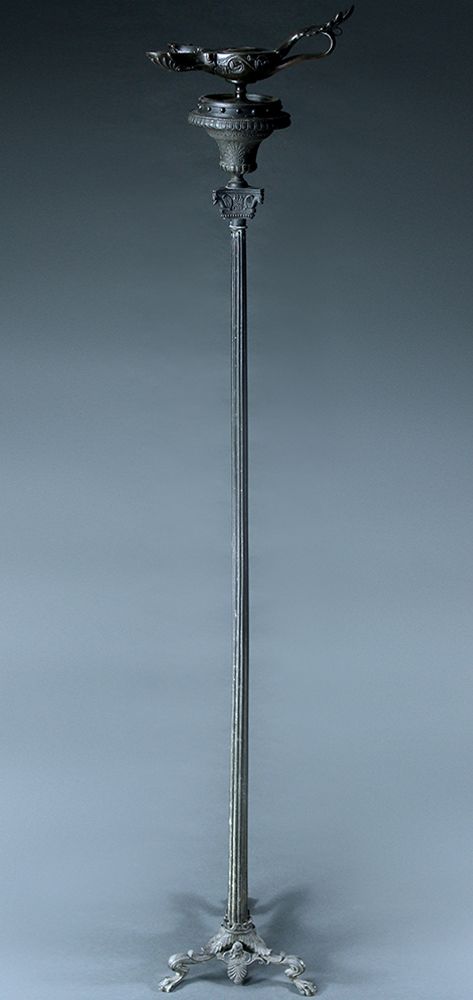
- Torchere
- A tall ornamental stand designed to support a light fixture or candle. Originating in the seventeenth century, these pieces elevate illumination within a room.
- Patinated Bronze
- Bronze treated to achieve a specific surface colour or dark finish. This process protects the metal while enhancing sculptural depth.
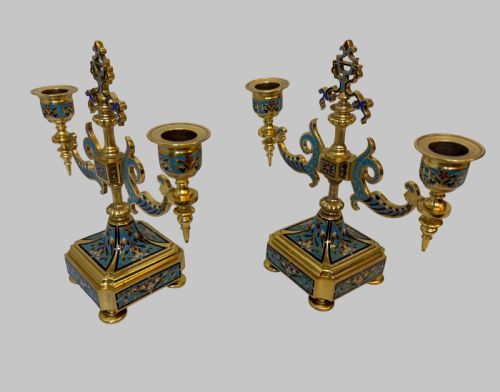
- Champleve
- An enamelling technique where troughs are dug into a metal surface and filled with vitreous enamel. The resulting patterns frame the metal outlines.
- Spelter
- A zinc alloy frequently utilised as a substitute for bronze in decorative figures. It accepts patination and plating readily.
Antique Candelabra Stand: Frequently Asked Questions
What is an antique candelabra stand used for?
These pieces provide elevated multi-point illumination and serve as sculptural focal points in large rooms or hallways.
Historically, floor-standing torchères and tall candelabra illuminated dark corners where table lamps proved insufficient.
How do I clean bronze and ormolu safely?
Dust surfaces gently with a soft brush and avoid harsh chemical polishes that strip original patination or gilding.
Professional conservation advice is recommended for pieces with delicate mercury gilding or combined marble elements.
How do I identify a Regency period piece?
Regency designs draw heavily on classical Greek, Roman, and Egyptian motifs, featuring clean architectural lines and crisp bronze casting.
Look for restrained ornamentation, patinated bronze contrasted with bright ormolu, and balanced tripartite bases.
Can these stands be converted to electricity?
Many floor standards and larger candelabra adapt easily to discreet internal wiring without damaging the original metal structure.
Consult a professional electrician experienced in handling antique lighting to preserve the structural integrity of the piece.