



Antique Canal Painting
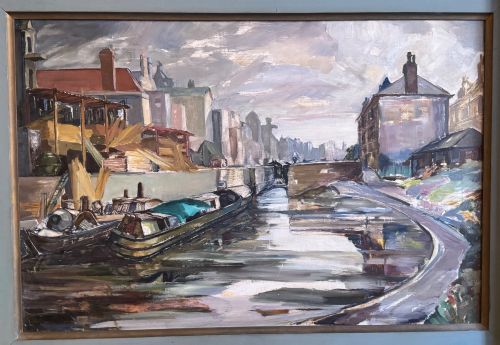
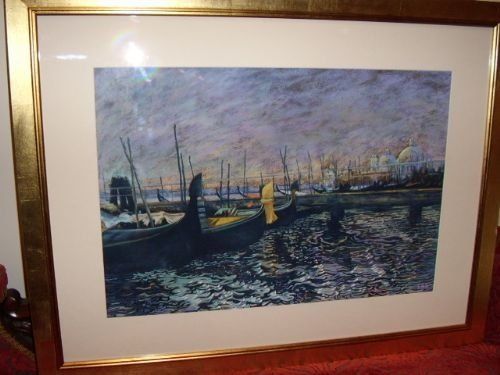
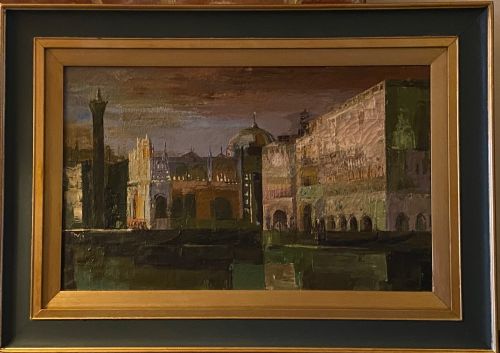
An antique canal painting captures the slow motion of water and stone, bringing Venetian waterways and English locks straight into a room.
Antique Canal Painting
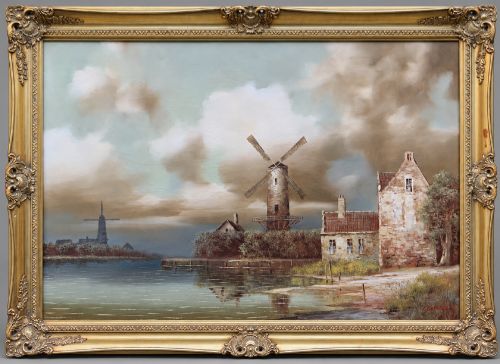
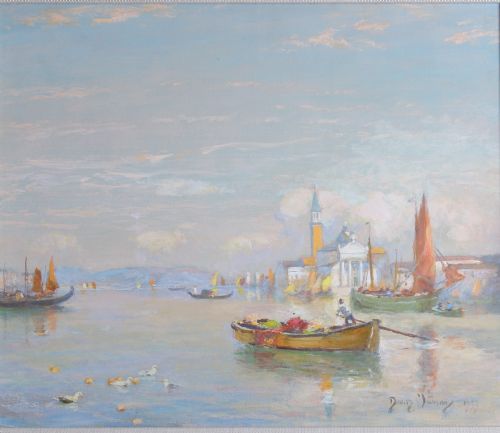
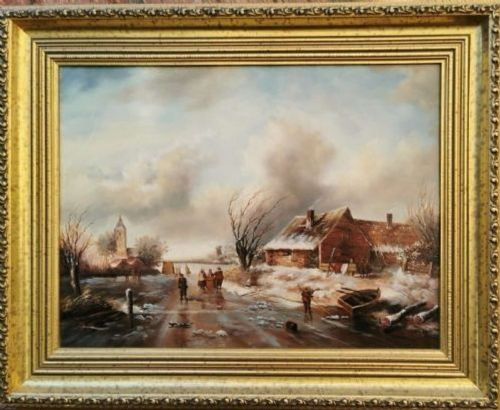
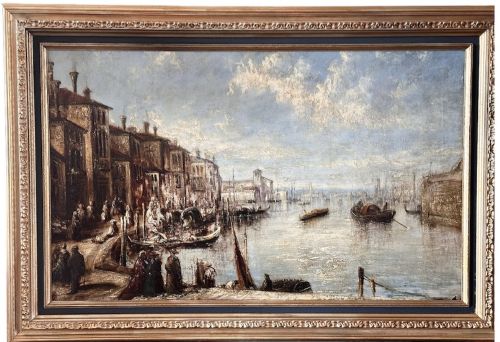
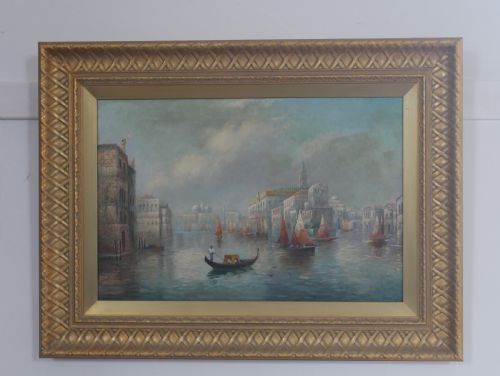
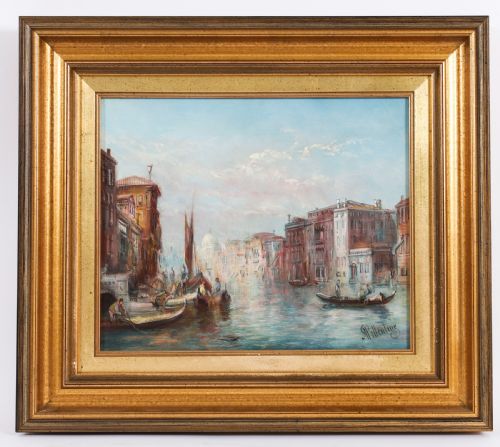
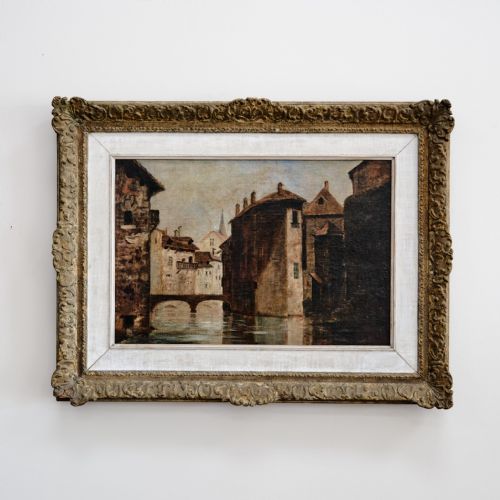
An antique canal painting focuses heavily on Venetian waterways, Dutch winter landscapes, and English lock scenes executed across the nineteenth and early twentieth centuries. The most common format meeting a buyer on this page is an oil painting on canvas or a delicate watercolour depicting the Grand Canal.
These works range from Dutch manner skating scenes and crisp townscapes to atmospheric impressions of European canals and barges. Many pieces record specific locations such as the Bridge of Sighs or the Mocenigo Palace.
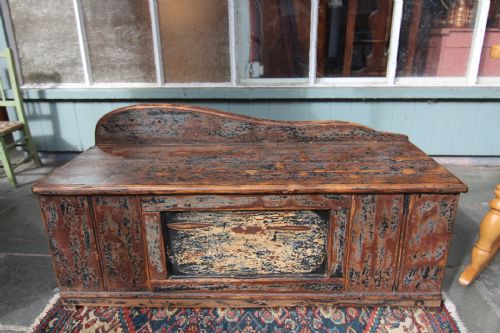
The materials span traditional oil paint and watercolour applied to canvas, wood, paper, or board, often housed in period giltwood frames. Occasional functional items like polychrome barge box seats also appear alongside framed fine art.
Materials and methods
Painters relied primarily on oil on canvas and transparent watercolour on paper, building compositions with layered brushwork or fluid washes of pigment. Support materials include timber panels, heavy canvas stretched over wooden frames, and cardboards.
Frames play a structural and aesthetic role, frequently constructed from carved wood finished with gilded metal leaf to complement the painted surface. Pigments applied by hand capture the distinct light reflecting off urban waterways and rural locks.
Antique Canal Painting Retail Price Guide 2026
Typical asking prices for canal painting among the pieces listed under this phrase on Sellingantiques today, from the lower quarter to the upper quarter. They describe what is for sale here now, not the wider market.
Listings feature works spanning the nineteenth century through the mid-twentieth century, utilising oil and watercolour.
Assessing quality
Quality rests upon the artist's command of light, reflection, and perspective, particularly in the difficult rendering of water surfaces and distant architectural facades. Skilled hands manage tonal transitions convincingly, whereas lesser works remain stiff and flat.
The integrity of the original support, the sensitivity of the framing, and the clarity of the brushwork separate standard decorative pieces from accomplished fine art by named painters of the period.
Sir David Murray RA·Alfred Pollentine·Francis Moltino·Edwin Lord Weeks·Thomas Baker of Leamington·Fred Lawson·F J Aldridge·Claude Jousset·Frederick Tully Lott·Antonietta Brandeis·Antoine Bouvard Senior·E Perez Senet·Jane Vivian·William Greaves·William Raymond Dommersen·Vittore Zanetti Zilla·Herbert Royle·Hercules Brabazon Brabazon
The Antique Canal Painting Glossary
- Giltwood
- Wood carved and coated with a thin layer of gold leaf. It provides a reflective border for nineteenth-century oil paintings.
- Oil on canvas
- Pigment suspended in drying oil applied to a woven fabric support. This combination allows for rich colour blending and texture.
- Watercolour
- Paint consisting of transparent pigment suspended in a water-soluble binder. It is typically executed on paper to achieve luminous washes.
- Impressionism
- A style of painting emphasising immediate visual impressions through unblended colour and short brush strokes. It appears frequently in continental canal scenes.
- Box seat
- A lidded container used for storage on a canal boat, often decorated with polychrome folk painting. These functional items represent vernacular craft.
Antique Canal Painting: Frequently Asked Questions
What subjects appear in these paintings?
The subjects focus primarily on Venetian canals, bridges, and palaces, alongside Dutch winter landscapes and English locks.
Artists recorded bustling cityscapes, quiet waterways, and working barges across Europe during the nineteenth and early twentieth centuries.
How should I hang an oil painting?
Hang paintings away from direct sunlight and sudden temperature changes to protect the canvas and the wooden stretcher.
Ensure the wall fixings match the weight of the work, particularly when the piece includes a heavy giltwood frame.
How do I distinguish watercolours from oils?
Watercolours utilise thin, translucent pigments on paper and require glass protection in the frame to prevent surface damage.
Oil paintings feature thicker pigment layers on canvas or wood, presenting a textured surface that remains unglazed.
Are these works signed by the artists?
Many pieces carry visible signatures or monograms applied by the painter, while others remain unsigned examples from the period.
Documentation and framing often help attribute unsigned works to specific European schools or stylistic traditions.