

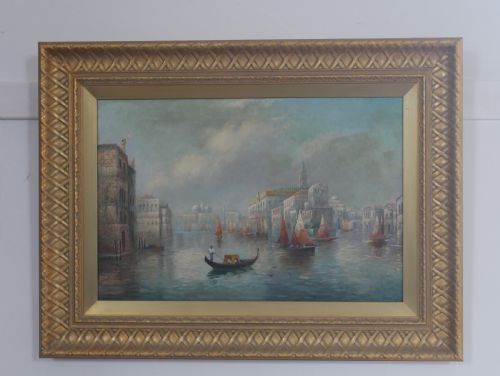


Antique Canal Landscape Painting
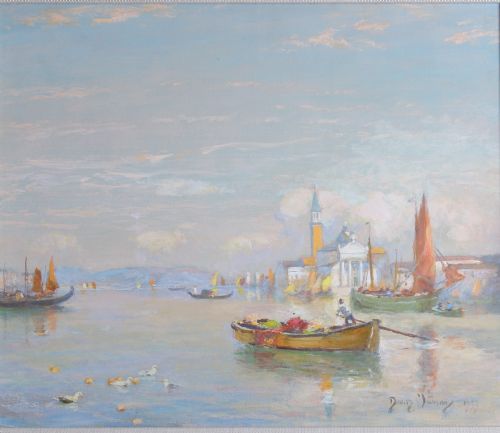
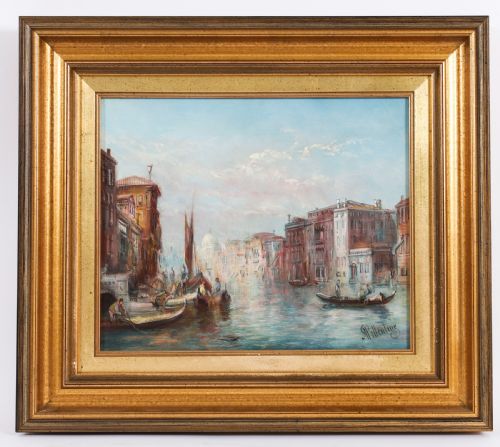
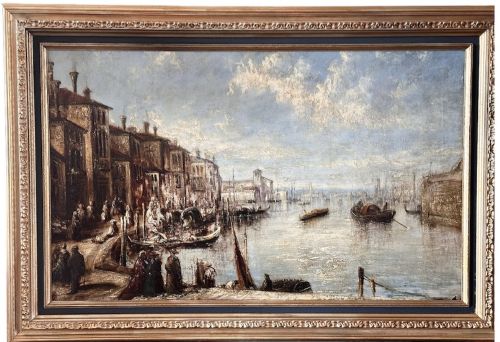
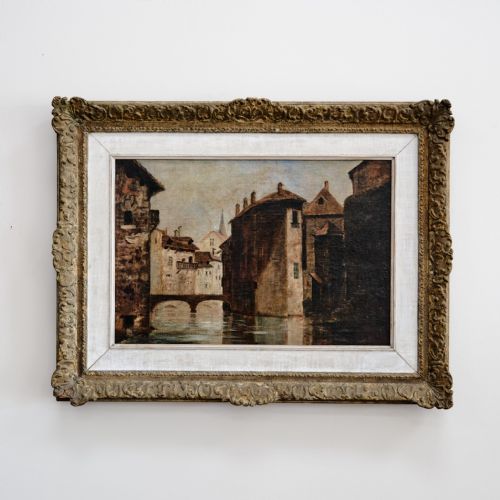
These antique canal landscape painting examples capture historic waterways and Venetian canals through the eyes of nineteenth and twentieth-century artists.
Antique Canal Landscape Painting
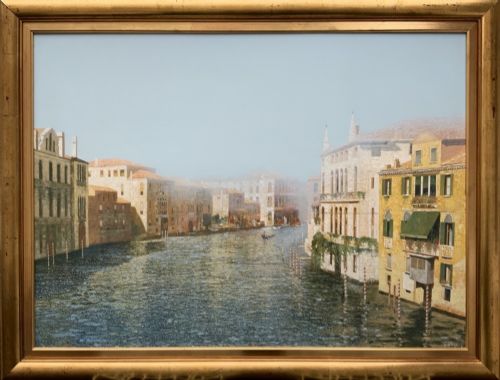
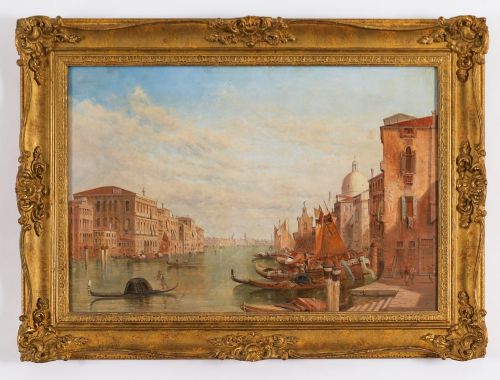
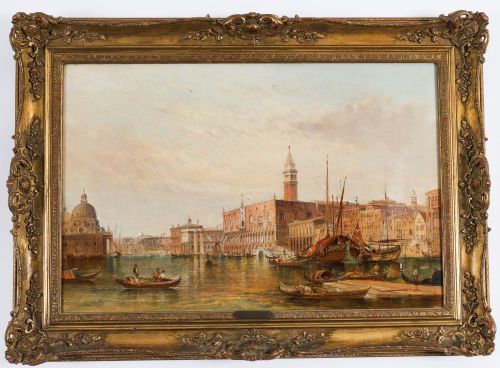
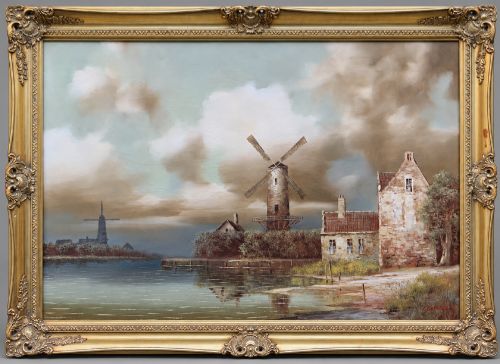
An antique canal landscape painting portrays historic waterways, locks, and urban canals, frequently featuring bustling Venetian lagoons, Dutch windmills, and quiet English navigations. Buyers exploring this selection will most often encounter nineteenth-century and early twentieth-century depictions ranging from detailed architectural views to impressionist interpretations.
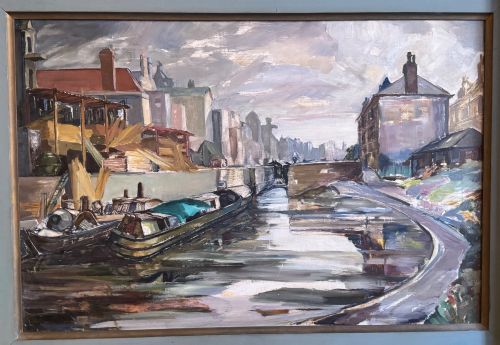
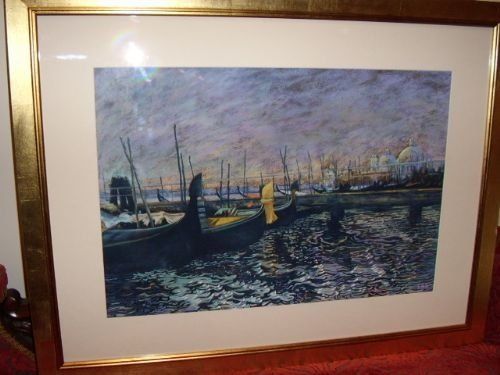
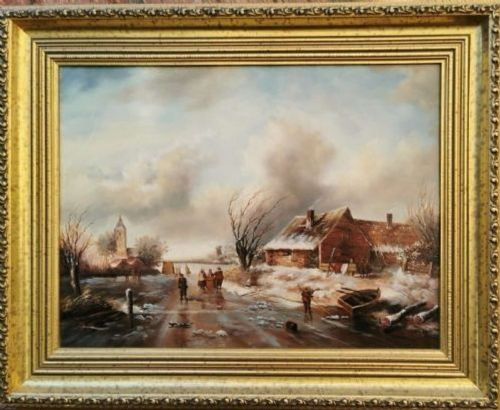
The subjects span British river scenes with barges and locks, Dutch winter waterways, and sunlit Italian canals featuring gondolas and palazzos. These artworks appear primarily as oil paintings on canvas or board, alongside delicate watercolours rendered on paper.
Makers and painters in this category include notable British, French, Dutch, and Italian artists who travelled to record famous European waterways and local industrial canals. The works reflect distinct regional painting traditions, from Victorian fine art to continental impressionism.
How They Were Made
Artists painted primarily with oil paint on canvas or wooden panels, building rich textures, or applied transparent washes of watercolour onto heavy paper sheets. Canvases were typically stretched across wooden frames and often housed within ornate giltwood or gilded wood mouldings.
The technical execution relies on direct observation or studio composition, combining brushwork and pigment to capture the shifting light on water surfaces and historic stone architecture.
Antique Canal Landscape Painting Retail Price Guide 2026
Typical asking prices for canal landscape painting among the pieces listed under this phrase on Sellingantiques today, from the lower quarter to the upper quarter. They describe what is for sale here now, not the wider market.
Listings feature works executed in oil on canvas, watercolour on paper, and oil on board across the nineteenth and twentieth centuries.
What Varies in Quality
Quality rests upon the artist's command of perspective, handling of atmospheric light upon water, and the precision with which architectural details or figures are rendered. Works by documented painters command greater interest than unsigned student copies or derivative pieces.
The preservation of the original pigment, the stability of the canvas or paper support, and the presence of period framing contribute significantly to the standing of an individual artwork.
Alfred Pollentine·Francis Moltino·Edwin Lord Weeks·Thomas Baker·Fred Lawson·Claude Jousset·Frederick Tully Lott·Antonietta Brandeis·Antoine Bouvard Senior·William Raymond Dommersen·Hercules Brabazon Brabazon·Frank Wasley·Thomas Pyne·David Law
The Antique Canal Landscape Painting Glossary
- Oil on Canvas
- Pigments bound in a drying oil applied to a woven fabric support. This combination allows for rich blending and textured impasto work.
- Watercolour
- A painting method where water-soluble pigments are suspended in a water-based solution on paper. It creates luminous and translucent effects.
- Giltwood
- Wood carved and treated with a thin layer of gold leaf or gilt finish. Frames of this material frequently accompany nineteenth-century fine art.
- Impressionism
- A nineteenth-century painting style focusing on accurate depiction of light in its changing qualities. Artists prioritized open brushstrokes and ordinary subject matter.
- Lock
- A stretch of canal enclosed by gates used to raise and lower boats between levels of water. These structures form common focal points in British topographical art.
Antique Canal Landscape Painting: Frequently Asked Questions
What periods do these paintings cover?
The available artworks predominantly date from the nineteenth century through the mid-twentieth century, capturing shifting artistic movements across Europe.
Collectors will find Victorian fine art alongside Dutch impressionist and early twentieth-century continental expressions.
Where do the canal scenes usually take place?
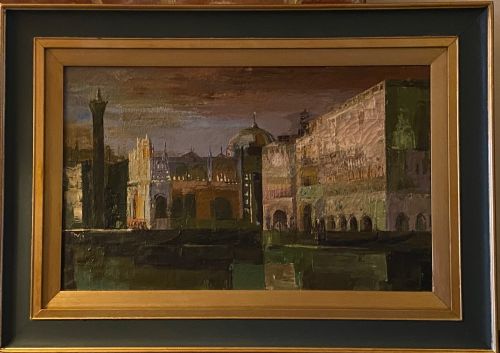
A large proportion of the catalogued scenes depict the historic canals and lagoons of Venice, featuring landmarks like the Grand Canal and the Ducal Palace.
Other works record local British navigations, Leeds waterways, Dutch windmills, and French rivers with working barges.
Are watercolours as durable as oils?
Watercolour paintings use paper supports and water-soluble pigments that require careful framing behind glass to protect them from environmental moisture and direct sunlight.
Oil paintings on canvas offer greater physical resilience, though both mediums benefit from stable indoor humidity and gentle handling.
How can I identify the artist?
Many pieces feature visible signatures, inscriptions on the reverse of the canvas, or preparatory handwriting on the underlying paper support.
Archival records and stylistic traits relative to specific regional schools help attribute unsigned works to particular followers or periods.