

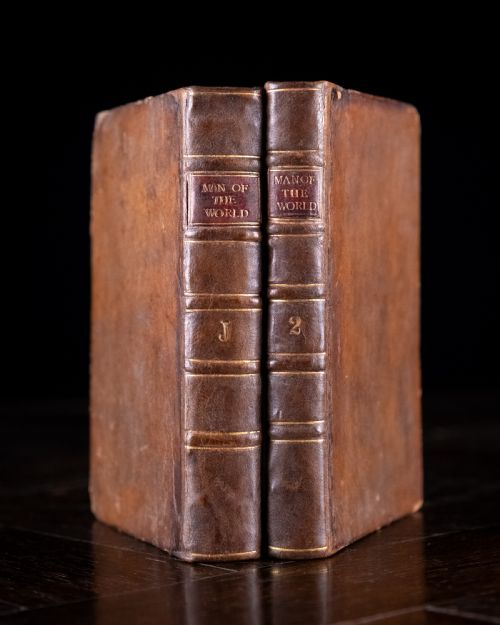


Antique Calfskin Binding
Antique calfskin binding forms the traditional outer coat for historical volumes, prized for its smooth texture and rich ageing.
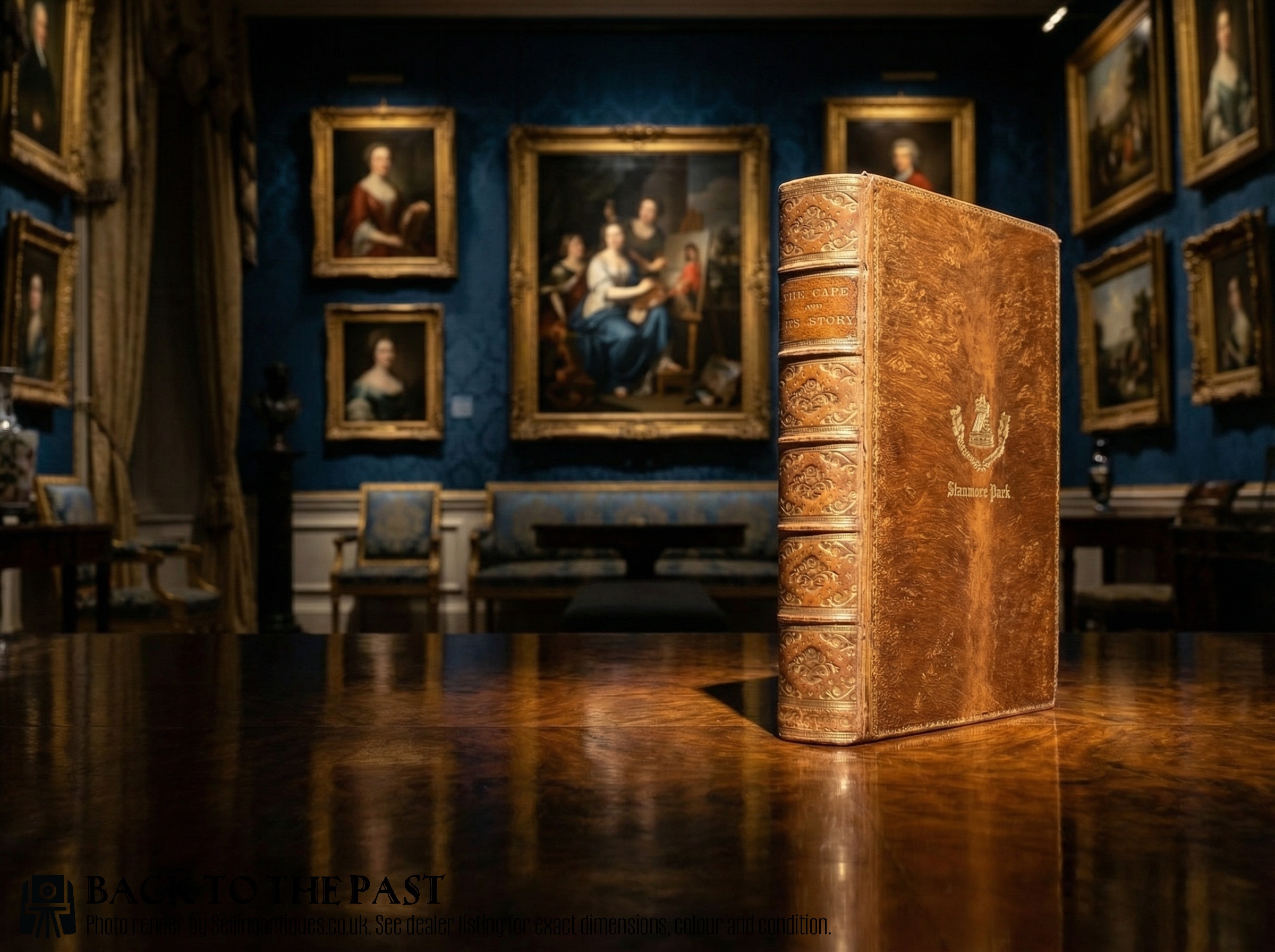
Antique Calfskin Binding
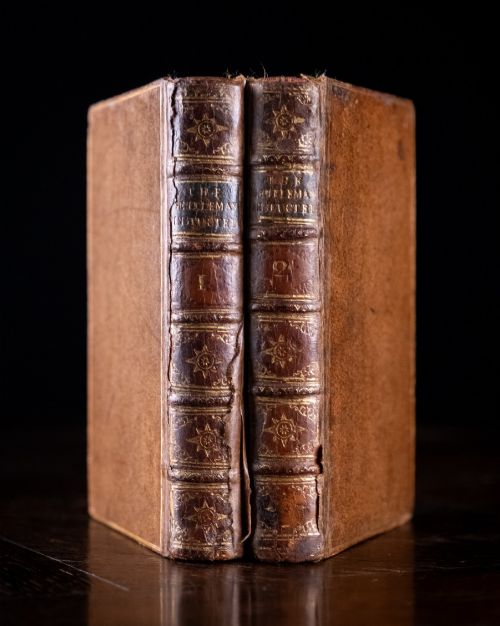
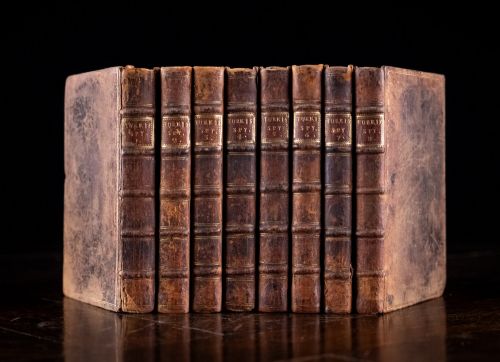
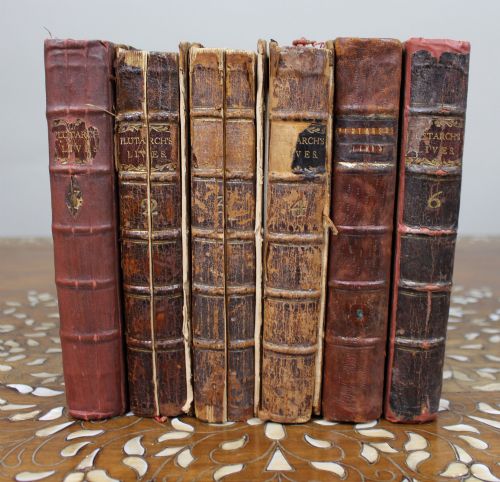
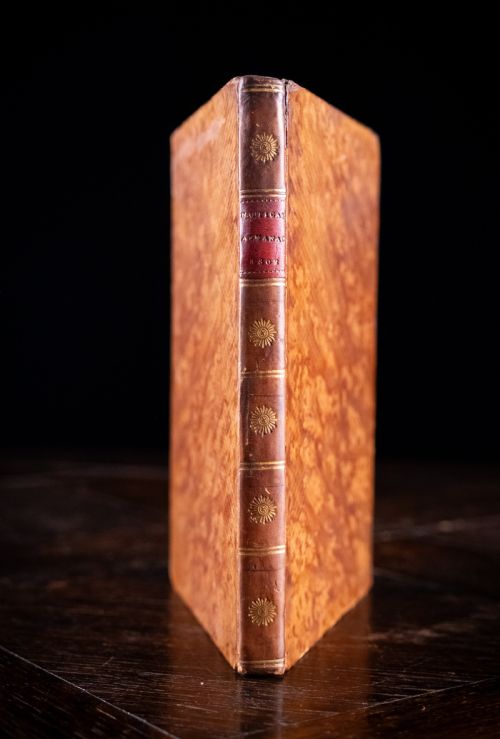
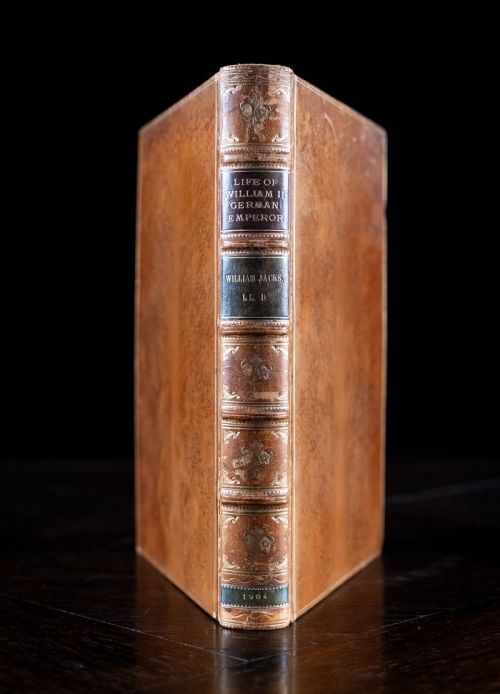
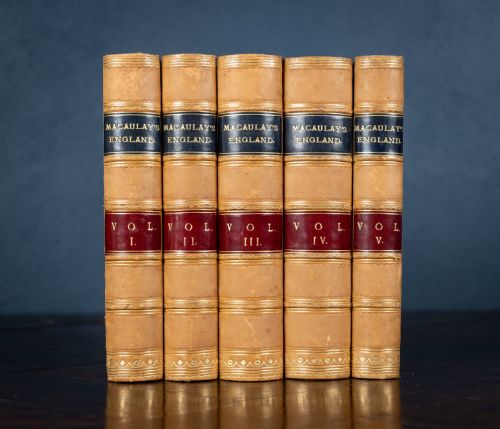
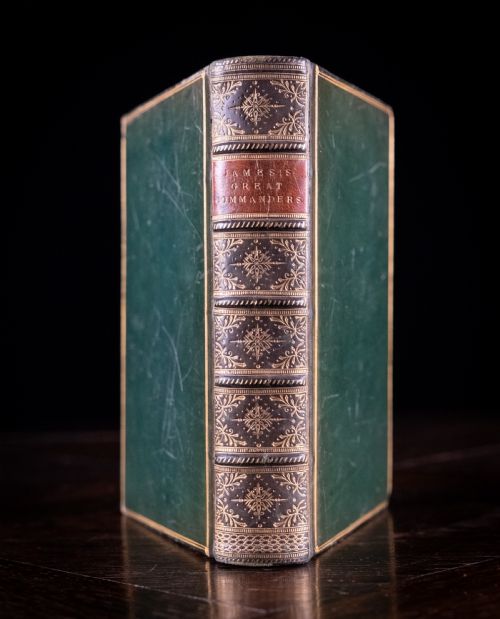
When you examine antique calfskin binding, you look at antiquarian books and multi-volume sets encased in animal hide rather than cloth. The pieces on this page span the eighteenth century, the nineteenth century, and the early twentieth century, taking the form of single leather books, long runs, and complete sets.
The texts housed within these bindings cover religious works, historical accounts, literature, and astronomical ephemerides from periods such as the Georgian, Regency, Victorian, and Edwardian eras. Buyers encounter everything from miniature books to multi-volume sets published in London.
Most examples originate from British publishing traditions, often featuring comprehensive histories, collected plays, or specialised magazines. These volumes offer a tangible link to historical libraries through their tactile leather covers.
Materials and construction methods
Binders utilised calfskin leather stretched over sturdy cardboard foundations to protect the paper pages within. This leather provided a supple surface that responded well to manipulation during the binding process.
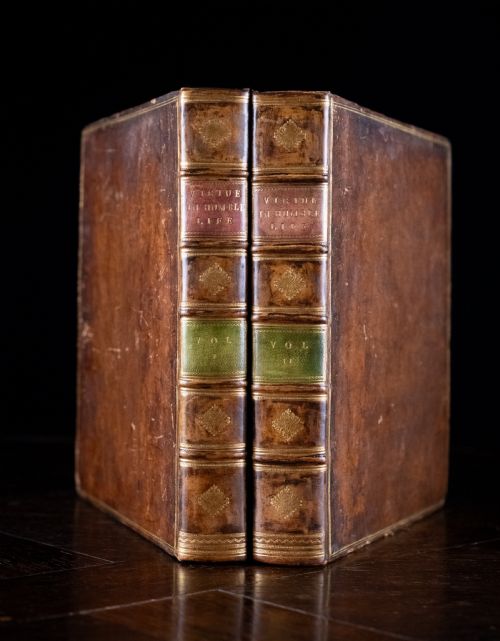
Makers applied gold leaf and gilt tooling to decorate the spines and boards, often creating intricate patterns or lettering. Marbled paper frequently appeared on the internal flyleaves and endpapers to complement the exterior leather.
Listings feature calfskin bindings combined with marbled paper, gold leaf, and cardboard across the 18th, 19th, and early 20th centuries.
Distinctions in quality and execution
The standard of an antique calfskin binding rests upon the crispness of the gold leaf tooling and the structural integrity of the leather hinges. Superior examples maintain a smooth, even texture across the calfskin without excessive cracking.
The visual appeal depends heavily on the depth of the gilt lettering and the precision with which the leather was pared and fitted to the cardboard corners. Complete multi-volume sets that retain matching bindings across every book command particular attention from collectors.
J. & R. Tonson·J. Wheble
The Antique Calfskin Binding Glossary
- Calfskin
- A fine, smooth leather derived from the hide of a calf, utilised extensively for high-grade bookbindings. It provides a receptive surface for tooling and polishing.
- Gilt
- A thin layer of gold applied to the edges of paper or impressed into the leather bindings. This technique adds decorative brilliance and protects the materials beneath.
- Marbled paper
- Paper decorated with a patterned colour design resembling marble, traditionally used for endpapers inside the cover. It offers a colourful contrast to the plain leather exterior.
- Gold leaf
- Extremely thin sheets of gold hammered out for application onto the spine and boards. It gives the lettering and decorative motifs a lasting metallic sheen.
Antique Calfskin Binding: Frequently Asked Questions
What is an antique calfskin binding?
An antique calfskin binding is a protective book cover made from treated calf leather, commonly found on volumes dating from the eighteenth and nineteenth centuries.
These bindings house various works, including historical sets, literary collections, and reference books produced during the Georgian and Victorian periods.
How should I care for leather books?
Leather books require stable environmental conditions away from direct sunlight and excessive moisture to prevent the calfskin from drying out.
Handling them carefully by the text block rather than pulling them by the top of the spine preserves the structural integrity of the binding.
How do I identify the period of a binding?
The period of a binding is often identified through a combination of the publication date printed inside, the typography, and the style of the gilt decoration.
Georgian bindings typically feature different tooling characteristics compared to later Victorian or Edwardian examples.
Why do some multi-volume sets vary slightly?
Multi-volume sets were sometimes assembled from different printings or rebound individually over time, resulting in subtle variations in the shade of the calfskin.
Complete sets issued together from the publisher maintain a uniform appearance across all volumes.