



Antique Cake Pedestal
An antique cake pedestal raises tea cakes and fruit above the table surface, offering a formal display piece shaped by centuries of changing tastes.
Antique Cake Pedestal
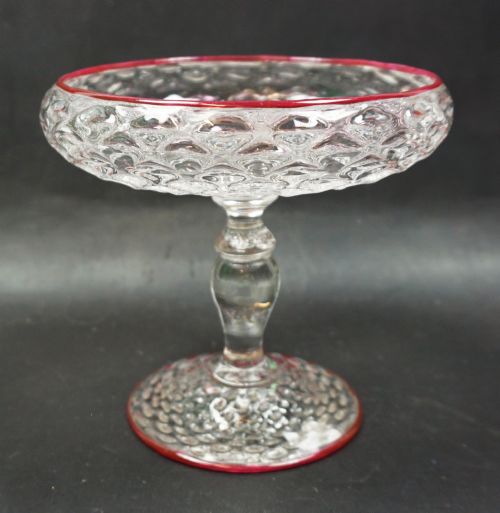
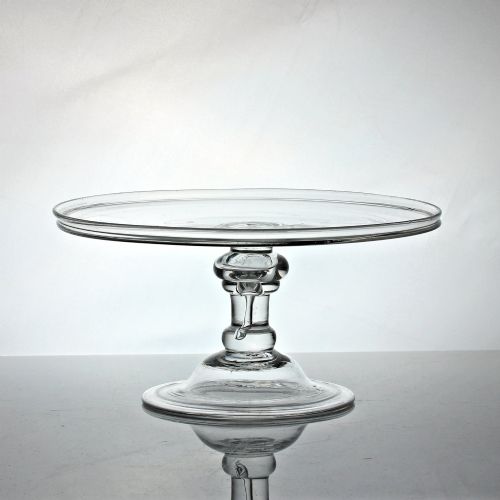
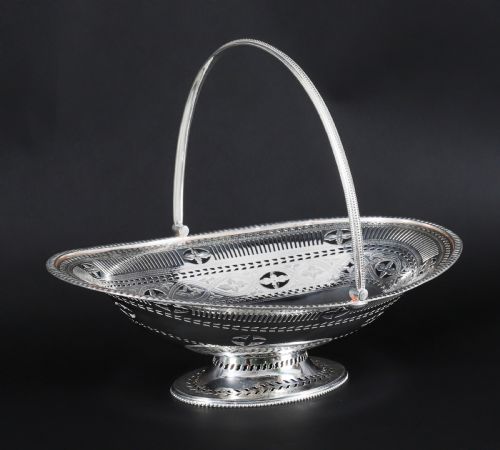
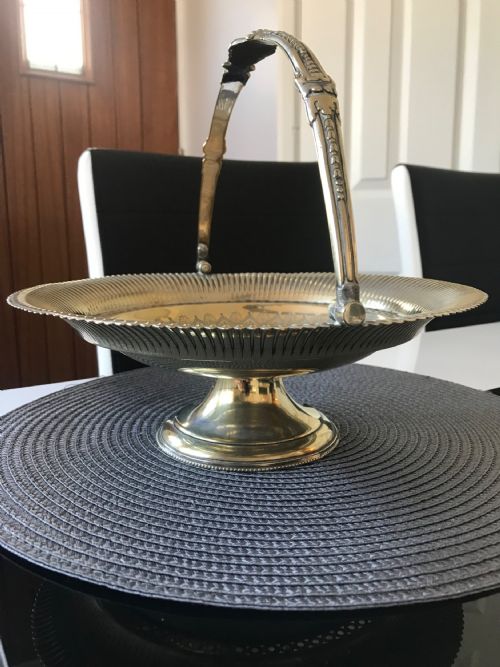
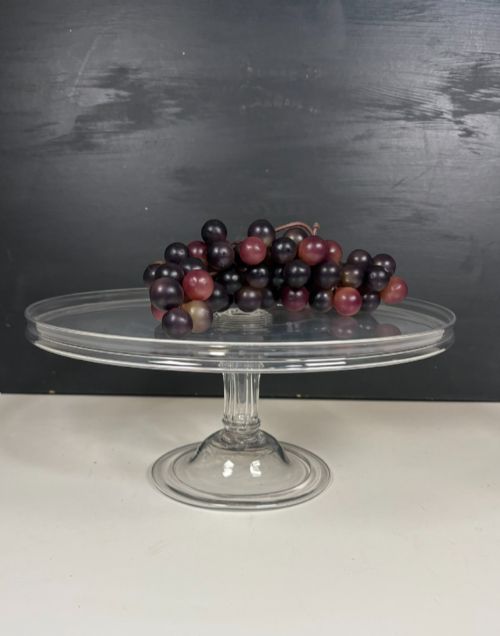
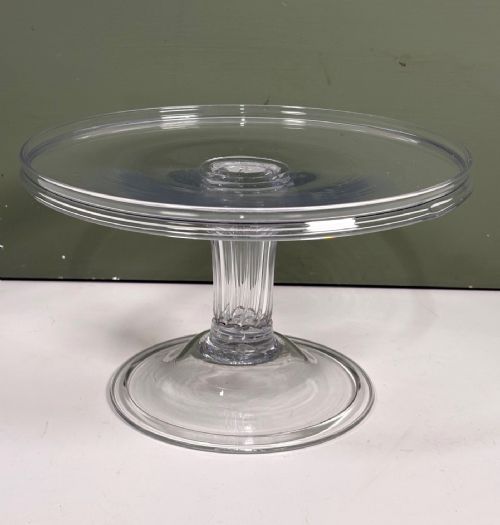
An antique cake pedestal encompasses raised serveware such as tazzas, cake stands, and handled baskets designed for display on the dining or tea table. The examples met on this page span several centuries, originating from the Georgian, Victorian, and Edwardian eras.
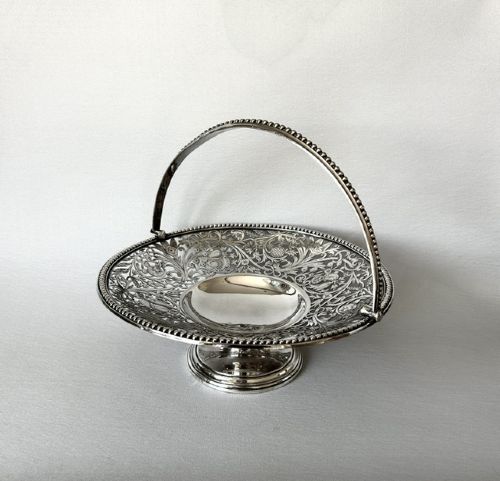
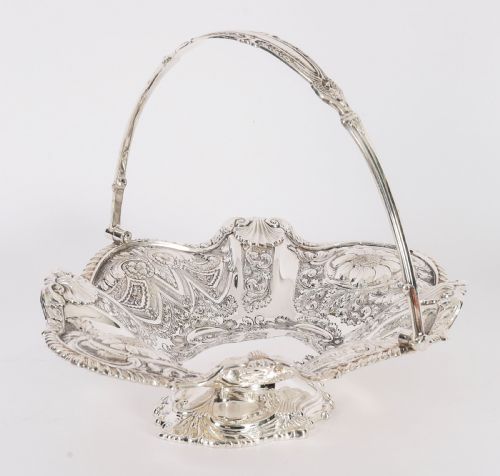
The form stretches from glass tazzas and ceramic comports to silver plated cake stands and timber tables. Lead crystal and clear glass versions sit alongside solid silver and electroplated nickel silver baskets with pierced or lattice details.
Makers and manufacturers ranging from regional potteries to major silversmith firms shaped these pieces to serve fruit, pastries, and cakes during formal gatherings. Simpler wooden trays and revolving lazy susan designs also appear among the broader selection of raised servers.
How they were made
Silversmiths utilised sterling silver and silver plate over base metals, employing piercing, fretwork, and embossed detailing to decorate basket rims and pedestals. Makers such as Mappin and Webb and James Dixon and Sons applied traditional techniques to shape metal into handles and pierced centrepieces.
Glassmakers blew and moulded lead crystal and clear glass, frequently adding honeycomb patterns, red cane decoration, or surface etching. Ceramic examples involved throwing ironstone or pottery, complemented by transfer printing or hand-painted details seen on Spode and Royal Worcester pieces.
Cabinetmakers constructed timber pedestals using mahogany and oak, turning pedestals for circular cake and cheese stands or incorporating revolving mechanisms.
Serveware forms in the inventory include tazzas, comports, handled fruit baskets, revolving lazy susans, and tiered tripod tables.
What varies in quality
The crispness of pierced or fretwork metal distinguishes standard production from finer workmanship, where intricate lattice designs remain sharp and balanced. Weight and metal gauge also separate solid silver and heavy lead crystal from thinner plated wares.
In glass and ceramics, the clarity of the material and precision of moulded or etched decoration determine the caliber of the piece. Hand-painted ceramic details and clean transfer printing indicate higher artisanal standards.
Structural integrity of joints, especially in pedestals, swing handles, and revolving timber trays, marks the difference between sturdy daily use and decorative fragility.
George W. Scott And Sons Ltd·Mappin And Webb·Hammond Creake And Co·James Deakin And Sons·W M F·Spode·Royal Worcester·James Dixon And Sons
The Antique Cake Pedestal Glossary
- Tazza
- A shallow bowl or plate mounted on a pedestal foot, used for serving fruit or small cakes. Originating in Italy, the form became popular in glass and silver during the Georgian and Victorian periods.
- Comport
- A decorative dish raised on a high foot, used for serving fruit or dessert at the table. These ceramic or glass vessels formed part of larger nineteenth-century dining services.
- Electroplated Nickel Silver
- A base metal alloy of copper, nickel, and zinc coated with a layer of silver through an electrolytic process. Introduced in the nineteenth century, it allowed manufacturers to produce affordable silver-appearance tableware.
- Lead Crystal
- Glass containing lead oxide to increase brilliance, weight, and clarity, allowing for deep cutting and etching. This material formed heavy tazzas and cake stands throughout the Victorian era.
- Piercing
- A decorative technique where metal is cut away to form openwork patterns such as lattices and scrolling motifs. Silversmiths utilised this method on Edwardian cake baskets and centrepieces.
Antique Cake Pedestal: Frequently Asked Questions
How were cake pedestals used?
These elevated stands held cakes, pastries, fruit, or cheese at the centre of the dining table or tea service. Their raised design saved table space and added visual hierarchy to formal meal presentations.
Over time, changing dining customs shifted them from practical serving dishes to decorative display pieces used during afternoon tea and dessert courses.
How do I date a silver plated cake pedestal?
Dating relies on style markers such as Neoclassical revival motifs, Art Nouveau organic lines, or Art Deco geometric forms. Maker marks and hallmarks stamped on silver plate or sterling silver bases provide specific workshop attributions.
Manufacturing techniques, such as the adoption of electroplating after the mid-nineteenth century, help narrow the production window.
Can antique glass cake pedestals be used for food?
Lead crystal and pressed glass stands are generally safe for serving dry foods, cakes, and fruit. Hand-washing in warm water protects the antique glass surface from thermal shock and preserves etched details.
Avoiding abrasive cleaners ensures the historical finish remains intact during everyday use.