




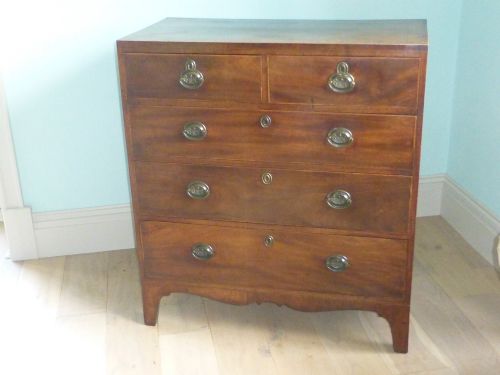


Antique Caddy Top
An antique caddy top marks a distinct shaped profile on furniture and boxes, offering a refined architectural finish that elevates chests of drawers, clocks and tea caddies.
Antique Caddy Top
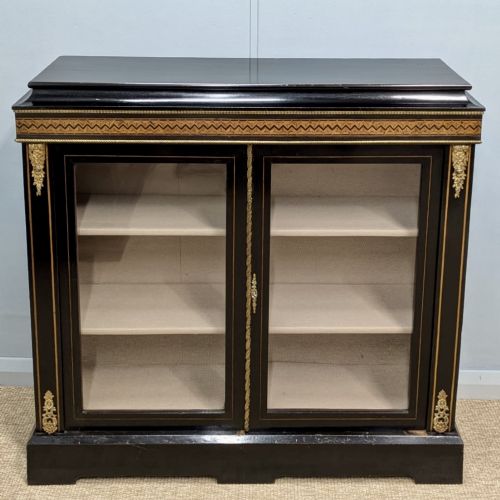
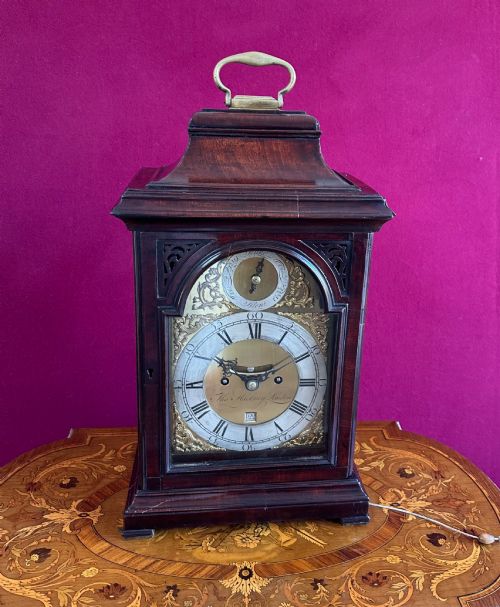
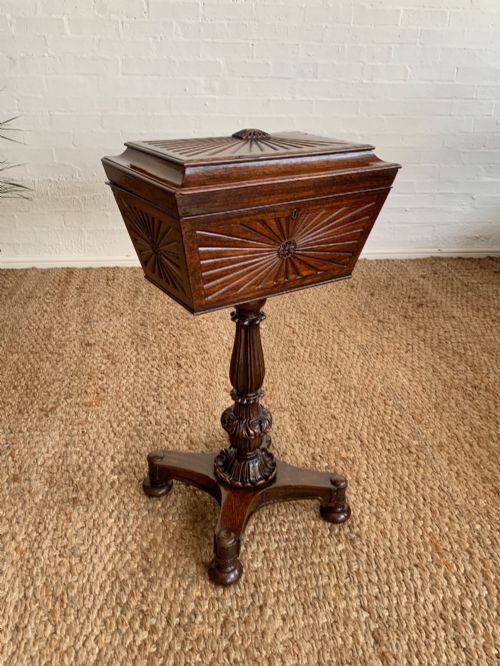
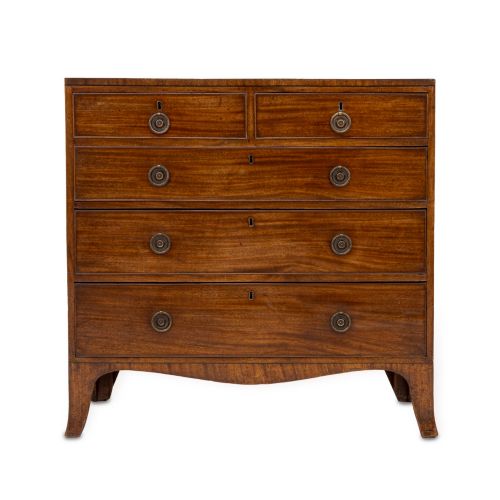
An antique caddy top describes a profiled, domed or stepped lid or upper surface found on furniture, clocks and decorative containers. The form derives its name from the shaped lids of tea caddies, translating that distinctive profile to larger case pieces such as chests of drawers and bracket clocks.
Buyers meet this design across Georgian, Victorian and Edwardian periods, most commonly on mahogany chests of drawers, rosewood work tables and timber clocks. The profile introduces subtle curves and layered mouldings to otherwise straight-sided boxes and cabinet furniture.
Examples range from solid timber domestic chests to intricately detailed bracket clocks and desktop boxes spanning the eighteenth, nineteenth and early twentieth centuries. Each item employs the characteristic shaped upper edge to create visual depth and a finished architectural silhouette.
Materials and construction methods
Cabinet makers utilised dense hardwoods including mahogany, burr walnut, rosewood and oak to form the carcases and shaped upper profiles. These timbers allowed craftsmen to plane and shape complex curves along the uppermost edges without splitting or losing structural integrity.
Inlaid stringing, boxwood banding and marquetry frequently decorate the timber surfaces of these pieces, complementing the sculptural lines of the caddy top. Brass mounts, carrying handles and glazed panels appear on specific clock and box forms to complete the construction.
Antique Caddy Top Retail Price Guide 2026
Typical asking prices for caddy top among the pieces listed under this phrase on Sellingantiques today, from the lower quarter to the upper quarter. They describe what is for sale here now, not the wider market.
Early competitive sailing presentation boxes ensure that nautical enthusiasm occasionally meets fine cabinet making.
Distinctions in construction and finish
Superior examples demonstrate precise joinery where the multi-layered mouldings of the caddy top meet seamlessly at the corners without gaps or filler. The crispness of the carved or planed profiles distinguishes skilled cabinet work from simpler domestic production.
The choice of veneer grain alignment, particularly on burr walnut and mahogany pieces, determines the visual impact of the upper surface. Finishes that retain a warm, hand-rubbed lustre rather than a heavy modern gloss indicate careful preservation of the original timber surface.
Mappin and Webb·Henry Jones·W.M.F.·Goldsmiths and Silversmiths Co.·Lenzkirch·John Taylor·Watson
The Antique Caddy Top Glossary
- Caddy top
- A shaped, domed or stepped upper moulding found on chests of drawers, clocks and decorative boxes. This profile mimics the traditional lid shape of a tea caddy.
- Bracket clock
- A portable spring-driven clock designed to sit on a bracket or table. These timepieces frequently feature structured wooden cases with architectural upper mouldings.
- Marquetry
- Decorative patterns formed by fitting small pieces of wood veneer into a prepared surface. This technique creates geometric or pictorial designs on cabinet furniture.
- Stringing
- Narrow lines of contrasting timber inlaid flush into the surface of a piece. It outlines panels, drawers and top edges to add linear definition.
- Coromandel
- A dense, heavily figured exotic hardwood imported from Asia. Cabinet makers utilised this dark timber for luxury boxes and decorative items during the Victorian period.
Antique Caddy Top: Frequently Asked Questions
What is an antique caddy top?
An antique caddy top refers to a shaped, domed or stepped profile applied to the top surface of furniture, clocks and boxes. The design draws its inspiration from the traditional lids used on tea storage vessels.
This architectural moulding adds depth and visual interest to case pieces, separating them from flat-topped designs through subtle curves and layered timber work.
Which periods feature caddy tops?
Caddy top designs appear most frequently on pieces dating from the Georgian, Victorian and Edwardian eras. Eighteenth-century examples often use solid mahogany, while later nineteenth-century items showcase burr walnut and rosewood.
Makers continued producing variations of this shaped profile into the early twentieth century on bracket clocks, chests of drawers and decorative desktop boxes.
How do I care for timber boxes?
Wooden boxes and chests with caddy tops require stable room environments away from direct sunlight and strong heat sources. Maintaining consistent indoor humidity prevents timber shrinkage and veneer lifting.
Applying a traditional beeswax polish periodically helps nourish the wood grain and preserves the historic lustre of the surface finish.
Are caddy top chests Georgian?
Many caddy top chests of drawers date from the Georgian period, often associated with fine mahogany construction and subtle inlaid stringing. Makers during this era refined the proportions of the upper moulding.
Similar profiles also appear on later nineteenth-century revival pieces and Victorian walnut boxes, meaning period verification relies on examining secondary timbers and construction methods.