
Antique Caddy Table
An antique caddy table or teapoy brings functional surface space together with enclosed storage for tea and precious dry goods.
Antique Caddy Table
When buyers search for an antique caddy table, they encounter forms that evolved from portable tea storage into dedicated pieces of furniture during the Georgian and Regency periods. These furnishings typically stand on pedestal bases or slender legs, incorporating lidded compartments designed to hold tea leaves and sugar.
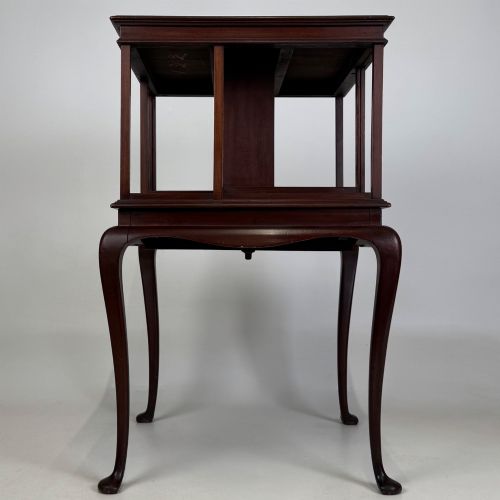
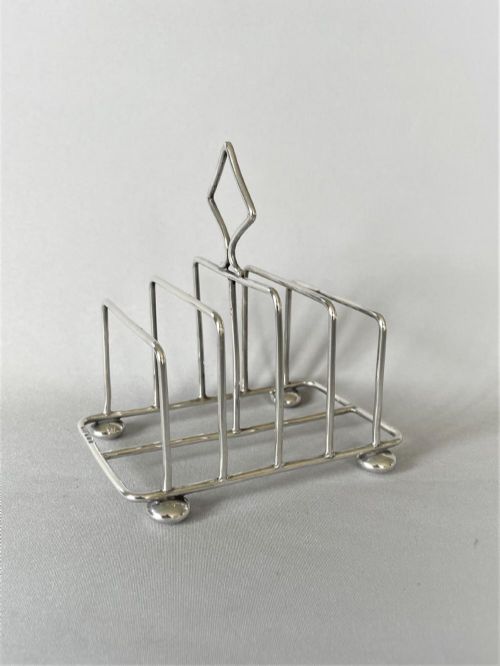
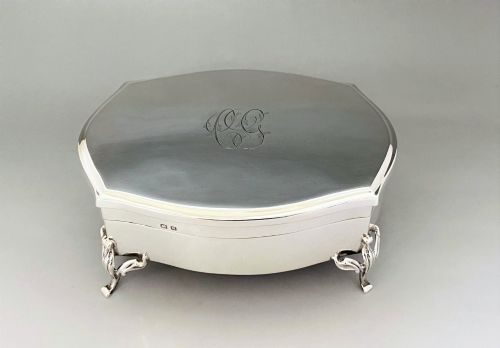
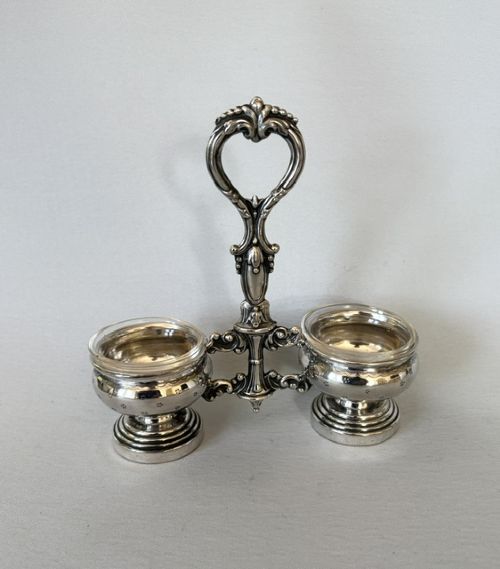
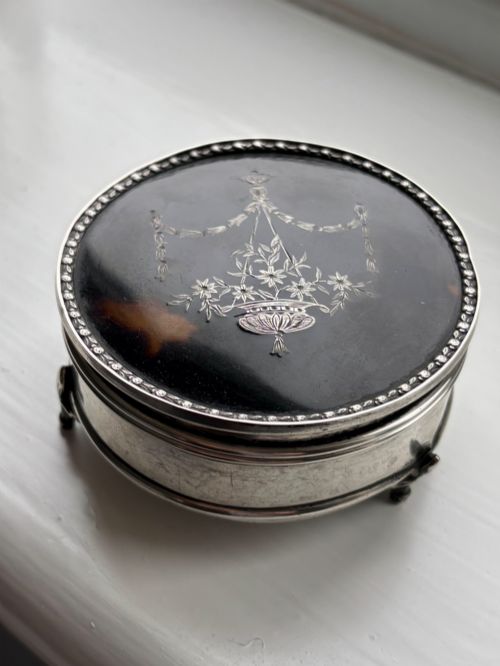
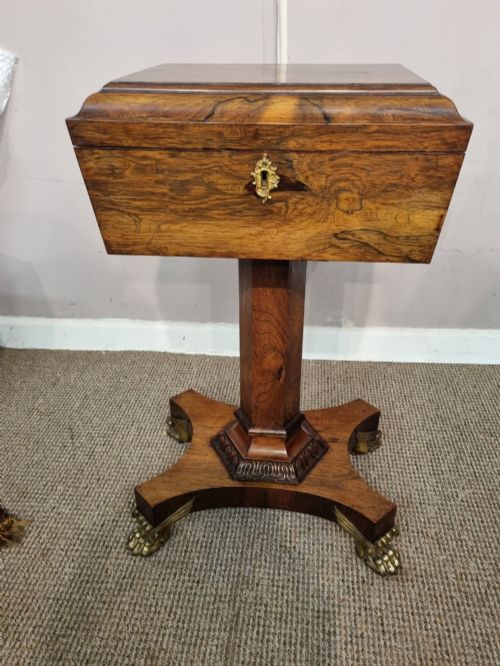
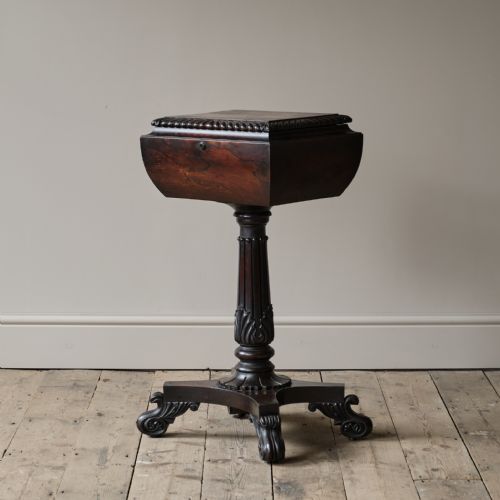
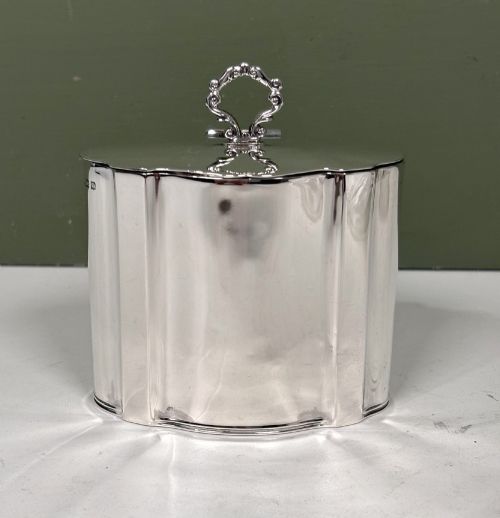
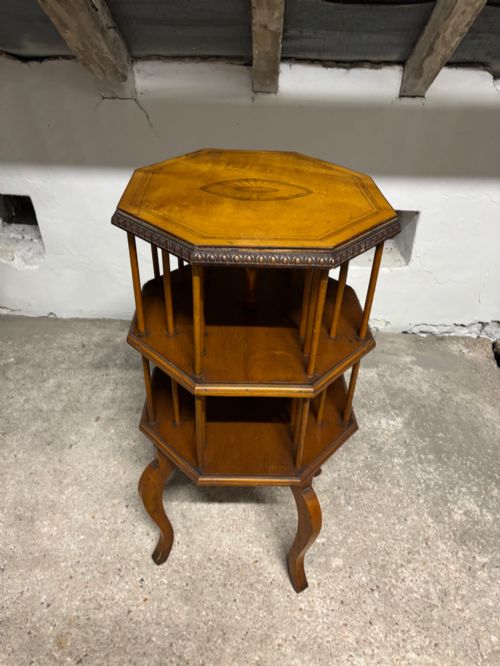
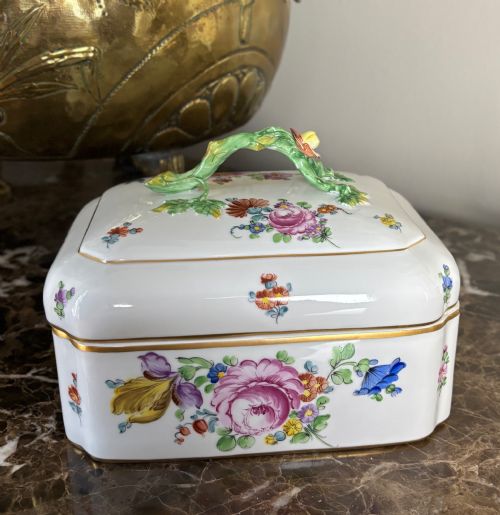
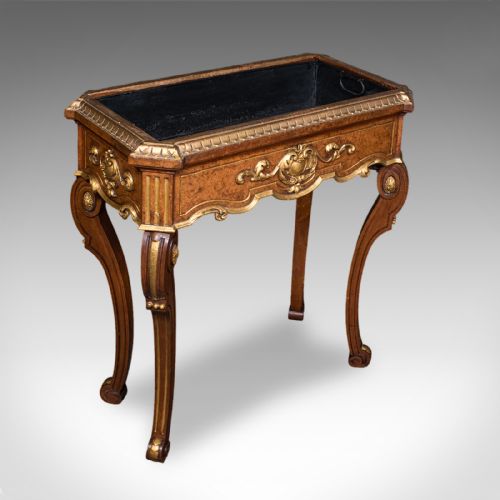
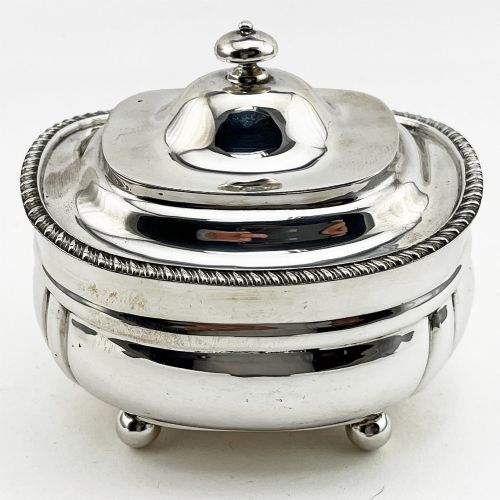
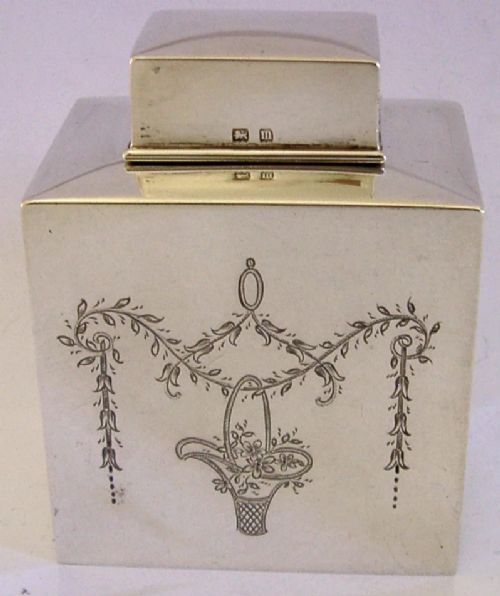
The variations on this page include rosewood teapoys and work tables featuring caddy tops alongside related decorative boxes, cruet sets, and revolving bookcases. Rosewood and mahogany dominate the timber forms, while smaller silver boxes and caddies appear frequently among the listings.
Examples span from the early nineteenth century through the Edwardian era, showing how the form shifted from pillar tables with sarcophagus boxes to lighter occasional furniture. Buyers find both standing teapoys with fitted interior canisters and table-mounted storage boxes serving similar domestic roles.
How they were made
Cabinetmakers utilised dense timbers such as mahogany and rosewood for the structural bodies of teapoys and tables, often selecting figured veneers to catch the light on top surfaces. Interior compartments frequently include fitted wooden lids or foil linings designed to preserve the aroma of loose tea.
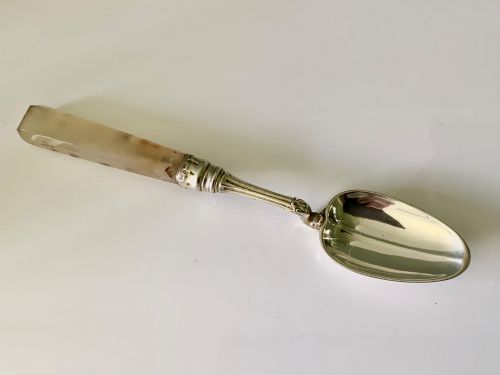
Metalwork forms an integral part of the construction, ranging from cast brass paw feet and hinges to solid sterling silver and silver-plate mounts. Silversmiths shaped boxes from sterling sheet, employing piercing and embossing techniques visible on Edwardian dressing table boxes and cruet stands.
Listings span from Georgian and Regency forms through Victorian to Edwardian and Art Deco pieces, employing mahogany, rosewood, silver, and cut glass.
What varies in quality
The standard of timber selection and cabinet joinery dictates the distinction between ordinary and superior examples, particularly in how rosewood or mahogany veneers align across lid surfaces. Fine pieces retain their original interior fittings, including mixing bowls and individual tea canisters.
In silver and plated examples, the crispness of chased decoration and the weight of the metal indicate the maker's investment in the piece. Hallmarks from established workshops provide reliable evidence of origin and silver grade.
Mappin and Webb·Ollivant and Botsford·Zimmermann
The Antique Caddy Table Glossary
- Teapoy
- A small stand or table with a lidded box on top, historically used for storing tea. These pieces often feature interior compartments and mixing bowls.
- Sarcophagus
- A box shape with a domed or sloping lid resembling a stone coffin, popular on Regency tea caddies and furniture. This silhouette adds visual weight and presence to smaller tables.
- Cellarette
- A lockable container used for holding bottles or decanters beneath a table or on the floor. Georgian examples show fine cabinet work similar to contemporary tea caddies.
- Cruet set
- A matched group of glass bottles for oil, vinegar, and condiments held in a silver or plated frame. Edwardian dining rooms relied on these stands for table service.
- Tunbridge ware
- Small wooden decorative items covered in tiny mosaic tesserae forming geometric or pictorial patterns. This technique originates from Kent and appears on specialty boxes and tea caddies.
Antique Caddy Table: Frequently Asked Questions
What is a teapoy?
A teapoy is a freestanding table or stand equipped with a lidded box compartment on top, designed to hold tea canisters and sugar.
During the Georgian and Regency periods, tea was an expensive commodity kept under lock and key in the parlour or drawing room.
How were tea caddy tables used?
They served as both decorative furniture and secure storage units for dry tea leaves, which were blended by the host before brewing.
The fitted interior compartments kept different varieties separated, while the table surface provided a convenient place to rest mixing bowls.
What timbers were used?
Cabinetmakers primarily employed dense, richly grained hardwoods such as rosewood and mahogany for standing teapoys and occasional tables.
Satinwood and walnut also appear on later pieces, frequently highlighted with inlaid veneers or carved pedestal supports.
How do I date a caddy table?
Dating relies on stylistic clues such as the silhouette of the pedestal, the presence of sarcophagus shaping, and the timber choices typical of Regency or Victorian design.
Metal mounts, locking mechanisms, and interior fittings offer further chronological markers when compared against documented pieces.