

Antique Caddy Scoop
An antique caddy scoop is a small utensil designed for measuring loose tea leaves, appearing here primarily in sterling silver across Georgian, Victorian, and Edwardian periods.
Antique Caddy Scoop
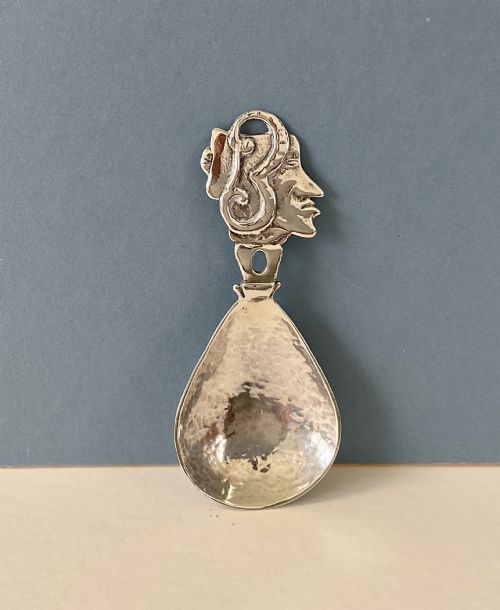
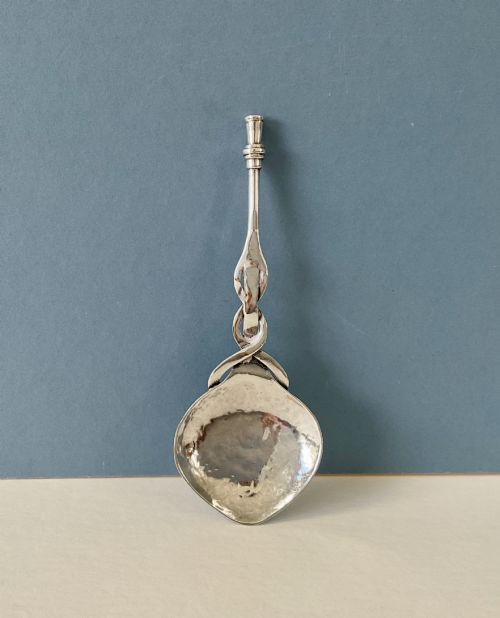
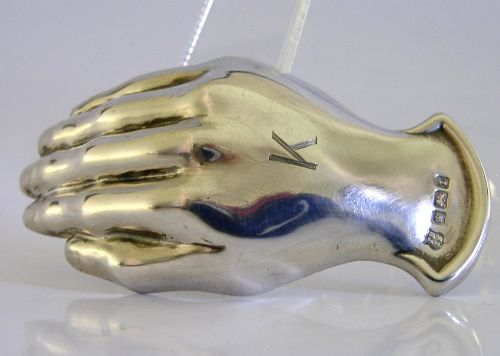
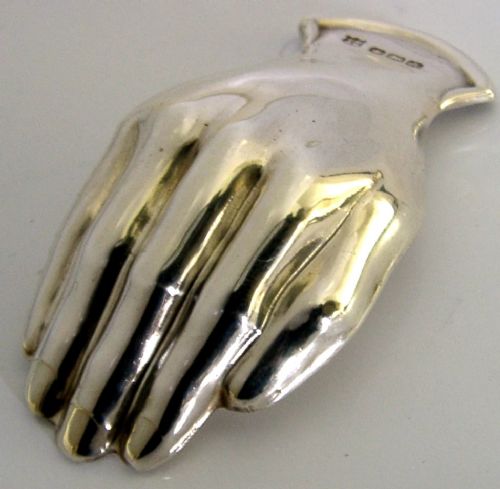
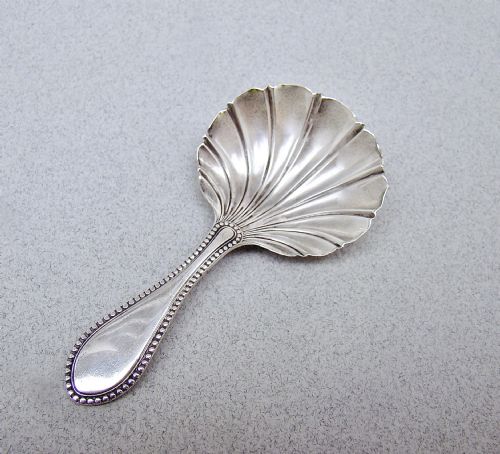
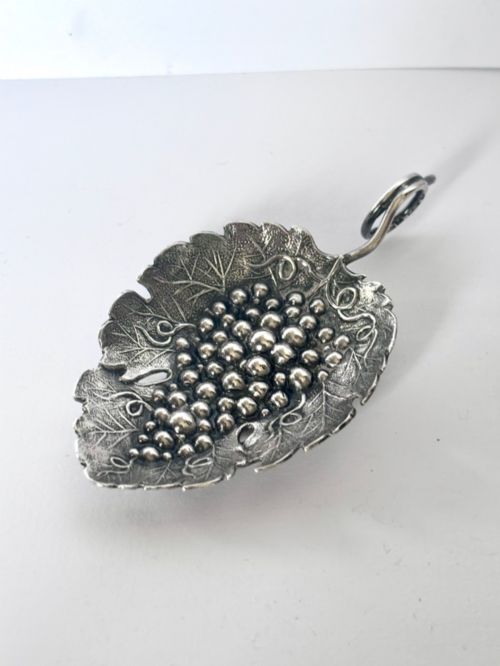
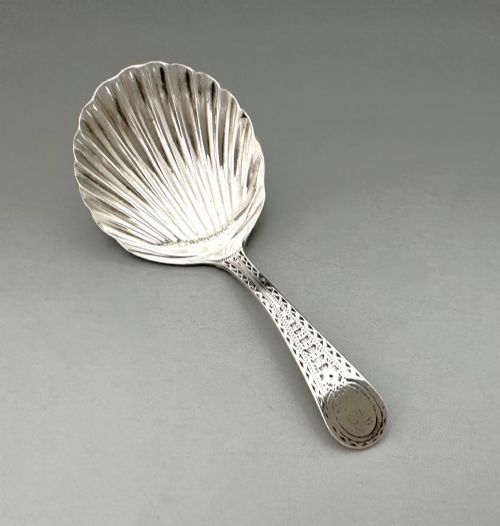
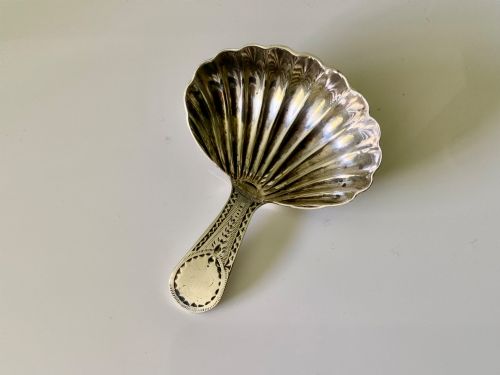
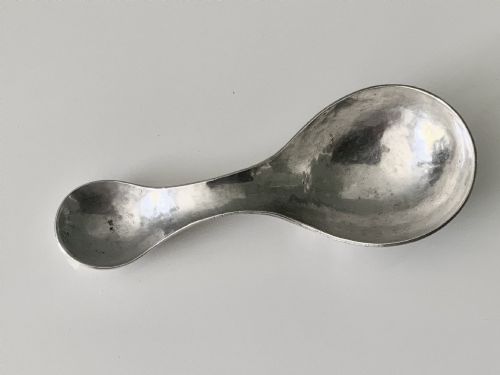
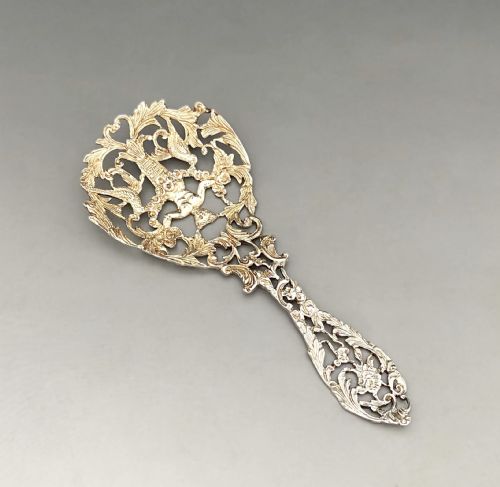
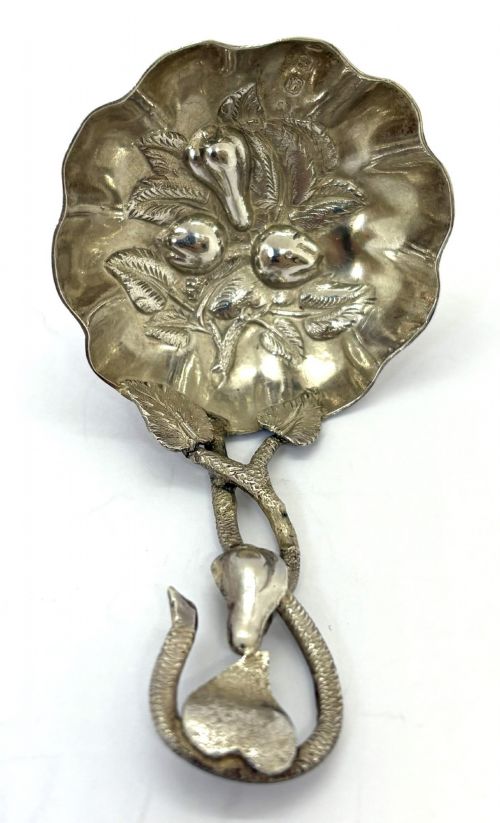
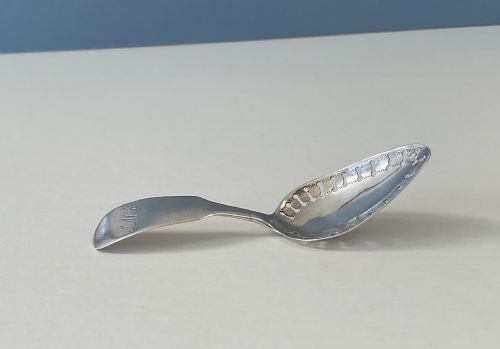
The antique caddy scoop category comprises small silver spoons and shovels designed to measure loose tea from a caddy into a pot. These pieces range from simple utilitarian designs to ornate novelty forms shaped like hands, leaves, and jockey caps.
Most examples encountered on this page originate in the Georgian, Victorian, and Edwardian periods, typically fashioned from sterling silver. Makers applied various regional hallmarks from London, Birmingham, Sheffield, Newcastle, and Glasgow, along with international silverwork.
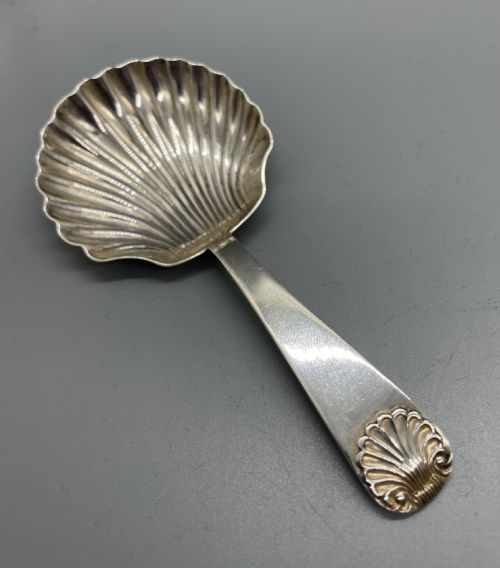
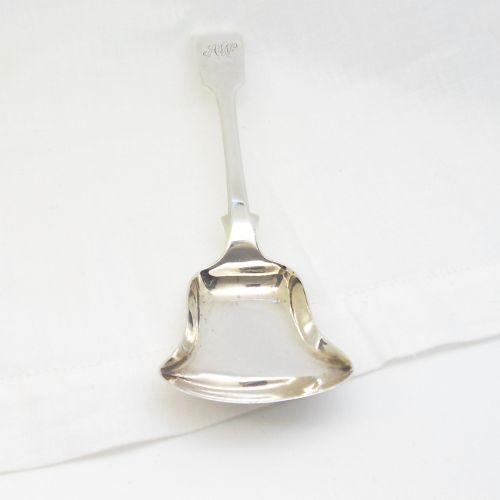
Forms extend beyond standard bowls to include specialised sugar shovels and shell motifs. Collectors also find occasional hardwood and enamel variants representing later styles such as Arts and Crafts, Art Nouveau, and Danish Modern.
How they were made
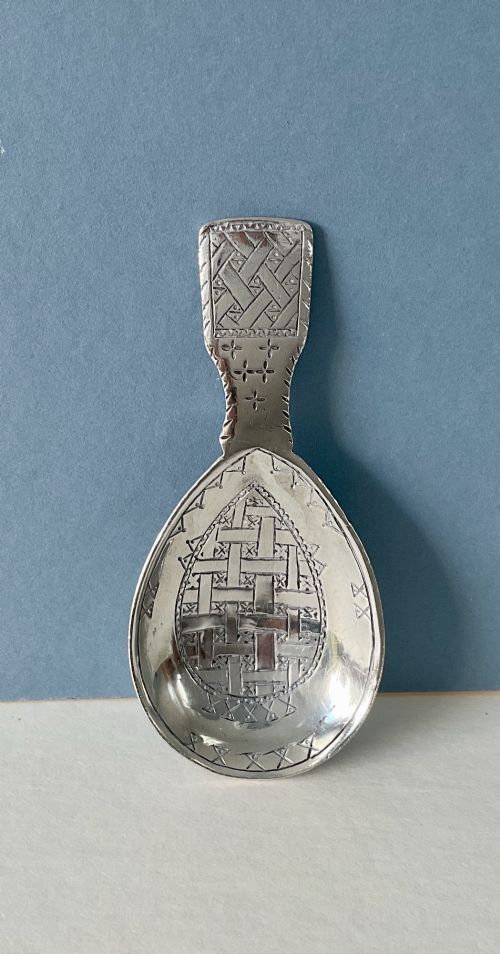
Silversmiths constructed these pieces primarily in sterling silver using techniques of stamping, casting, and hand hammering. Handles and bowls were frequently fabricated separately before being soldered together, allowing for intricate pierced or engraved decoration.
Surface finish varied through parcel-gilt and silver-gilt applications, where a layer of gold was applied to the silver interior of the bowl. Specialised forms incorporated applied enamel or carved hardwood elements.
Maker marks, standard sterling marks, and date letters were punched directly into the metal using steel dies, providing a precise record of the assay office and year of creation.
Tea drinkers of the past relied on miniature silver hands and caps to dole out their daily leaves.
What varies in quality
Quality in an antique caddy scoop is determined by the crispness of the chasing, engraving, and casting detail. Pieces featuring complex figural elements like hands, vine leaves, or jockey caps demand higher technical skill from the silversmith than plain bowls.
The clarity and completeness of the hallmarks significantly affect the standing of a piece. Well-struck stamps from recognised makers or specific assay offices demonstrate greater original care.
The integrity of the form over time, including the retention of original gilding and minimal wear to engraved handles, separates superior examples from heavily used pieces.
Martin Hall And Co·Joseph Willmore·John Walton·William Comyns·William Neale·David Andersen·Georg Jensen·Mappin And Webb·George Unite
The Antique Caddy Scoop Glossary
- Hallmark
- A series of official marks stamped on precious metals to indicate the standard of purity, the assay office, the maker, and the year of production.
- Parcel-gilt
- Silver objects that are partially gilt, meaning parts of the surface are covered in a thin layer of gold while other areas remain bare silver.
- Silver-gilt
- Sterling silver that has been entirely coated with a thin layer of gold, sometimes referred to as vermeil.
- Assay office
- A designated body that tested the purity of precious metals and stamped official marks onto items.
- Casting
- A manufacturing process where liquid metal is poured into a mould to produce a specific shape, utilised for handles and figural bowls.
Antique Caddy Scoop: Frequently Asked Questions
What is a caddy scoop used for?
These utensils were created to measure loose tea leaves from a storage caddy into a teapot during the eighteenth and nineteenth centuries.
Their compact size allowed them to fit inside standard tea caddies of the period alongside the leaves.
How do I identify a Georgian caddy scoop?
Georgian examples are identified through their distinct silver hallmarks, often featuring king's heads and date letters corresponding to the reigns of Georges III and IV.
Stylistically, they frequently display hand-engraved handles and traditional shell or leaf bowl shapes.
Why are some scoops shaped like hands?
Novelty caddy spoons shaped like human hands or jockey caps became popular during the late Georgian and Victorian eras as decorative conversation pieces.
Silversmiths utilised casting techniques to render detailed fingers, cuffs, and caps to showcase their craftsmanship.
How should I display a collection?
Collectors often house these small spoons in shallow display cabinets or specialised shadow boxes to protect the delicate metalwork.
Because of their miniature scale, they can also be arranged flat on velvet backing within tabletop display trays.