

Antique Cabriole Sofa
An antique cabriole sofa brings curved, scrolling legs and traditional upholstery into a room.
Antique Cabriole Sofa
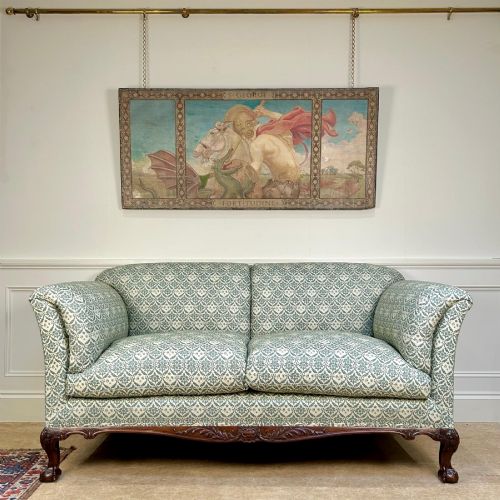
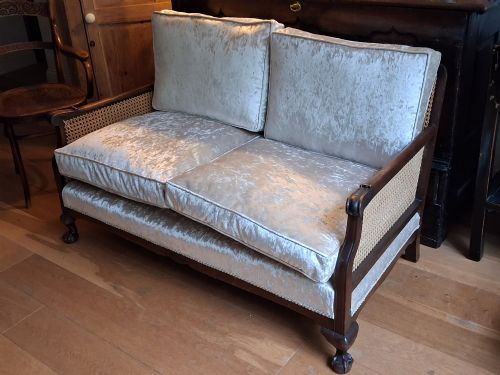
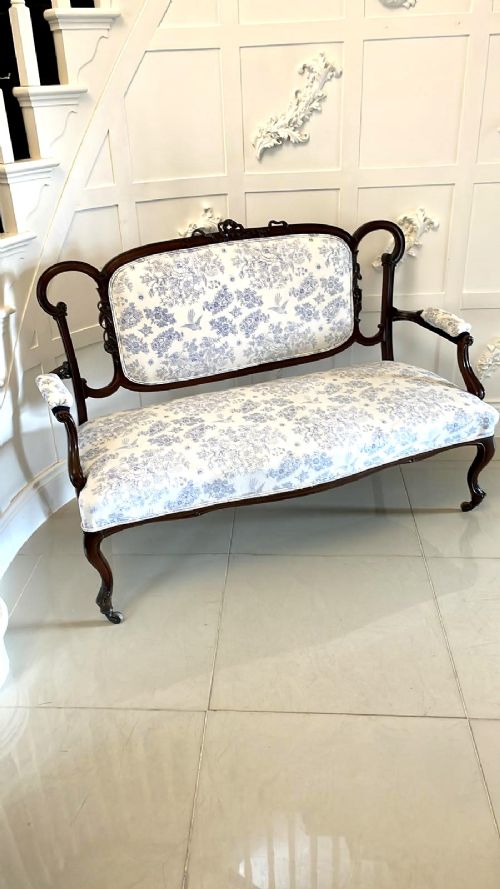
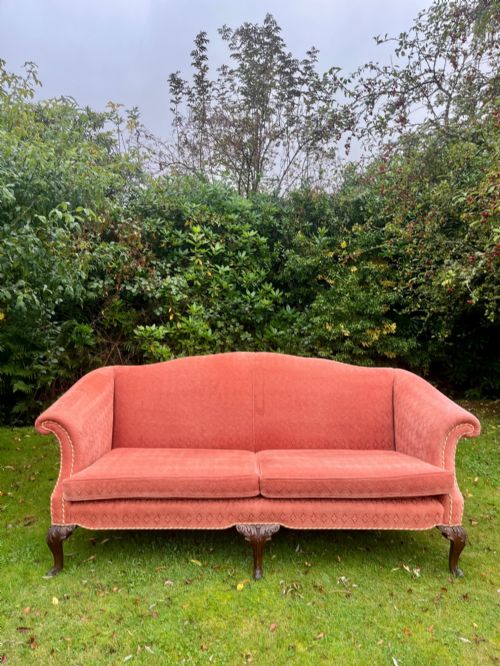
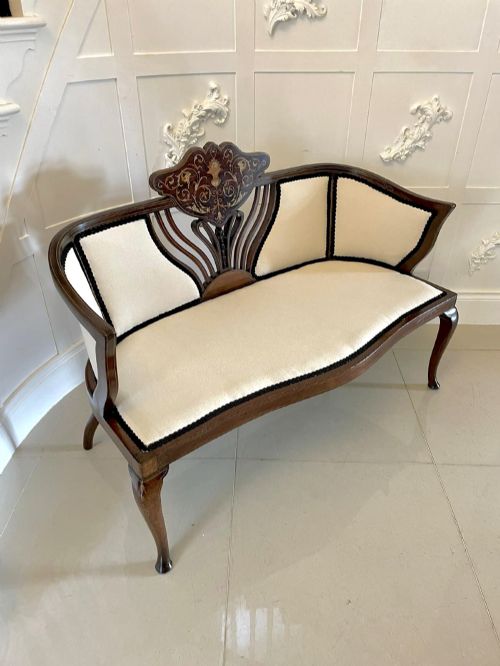
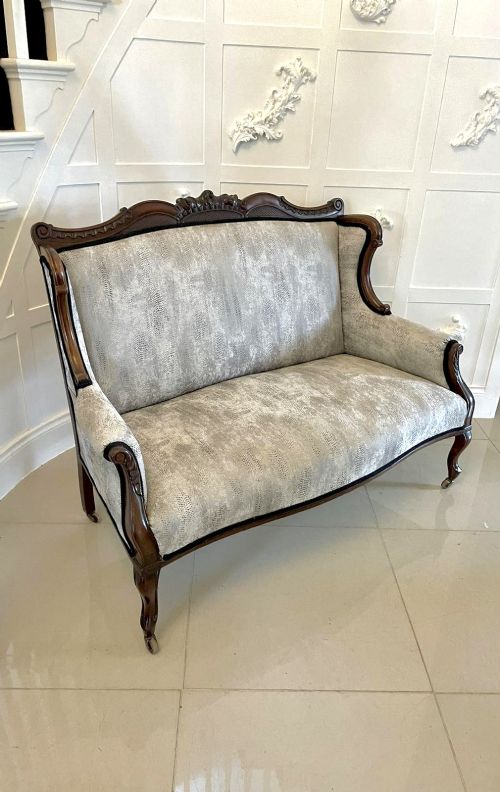
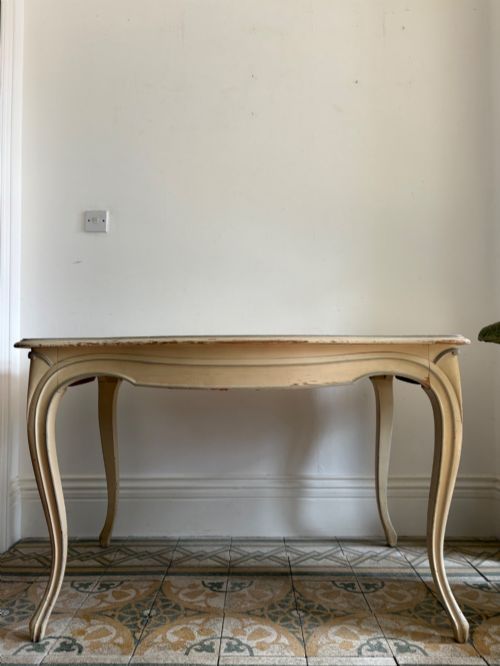
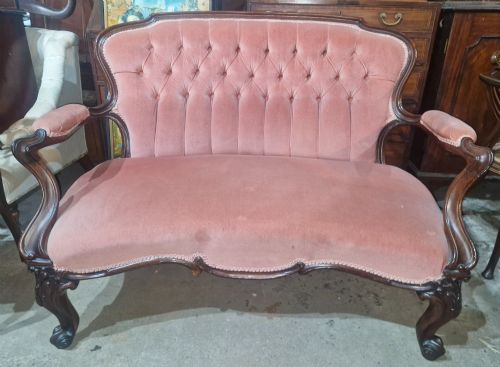
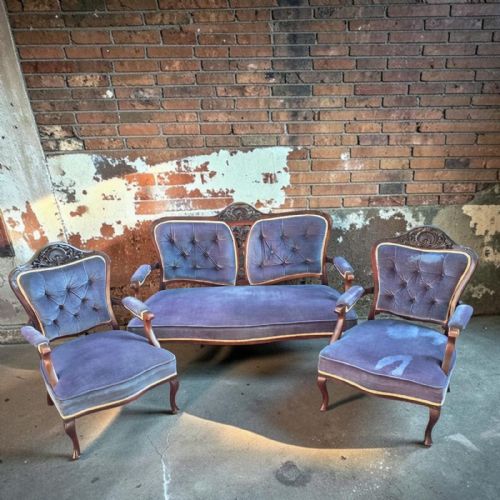
An antique cabriole sofa combines wooden frames with upholstered seating, distinguished primarily by legs that curve outward at the knee and inward at the ankle. Pieces matching this description appear across multiple periods, including the Victorian era, the Edwardian period, and the twentieth century, alongside revivals of earlier eighteenth-century designs. Forms range from two-seater settees and camel back sofas to larger walnut and mahogany frames.
Buyers encountering this furniture will find various revival styles, such as Queen Anne, Chippendale, and Rococo, sitting alongside French provincial pieces and drop-in window seats. Construction varies from carved mahogany and walnut frames to painted French models and pieces featuring cane work. Many options incorporate traditional upholstery in velvet, fabric, or specialised materials.
Assessing build and design
The sophistication of the woodcarving separates standard production from superior examples, particularly on the knees and feet of the cabriole legs. Crisp lines in mahogany, walnut, or giltwood indicate careful hand execution by skilled cabinetmakers.
Frame rigidity and the integration of upholstery materials determine structural integrity over time. Higher-grade seating utilises dense timbers and precise joinery that maintain stability across decades of use.
Several sofas hide clever drop-leaf attachments and subtle inlaid surfaces, proving that past owners loved a hidden foldaway drink tray.
Howard and Sons·Giles Grendey·W. Turner Lord and Co
The Antique Cabriole Sofa Glossary
- Cabriole leg
- A furniture leg that curves outward at the knee and tapers inward to the foot, mimicking animal limbs. This form became prominent during the eighteenth century and returned in later revival pieces.
- Camel back
- A sofa back featuring a continuous, undulating curve resembling the hump of a camel. This profile provides tailored support and appears frequently on formal upholstery.
- Settee
- A long upholstered seat with a back and arms, designed for multiple occupants. The term often interchanges with sofa in historical listings.
- Bergère
- An enclosed armchair or small sofa with upholstered sides and a exposed wooden frame. Cane work frequently forms the back or sides of these French-influenced pieces.
Antique Cabriole Sofa: Frequently Asked Questions
Where should I place a settee?
Settees suit drawing rooms, bedrooms as end-of-bed seating, or hallways where space is moderate. Their compact scale compared to large modern couches allows placement beneath windows or against panelled walls.
Freestanding models with finished backs work well positioned away from walls to anchor conversational groupings.
How do I date an antique sofa?
Dating relies on timber selection, structural joinery, and stylistic revival markers such as Victorian button backs or Edwardian inlay. Examining the secondary woods beneath the upholstery reveals older construction methods.
Comparing the carving style to documented periods helps narrow down the decade of manufacture, distinguishing nineteenth-century production from twentieth-century revivals.
Are these sofas comfortable for daily use?
Historical sofas feature firmer internal padding and more upright postures than contemporary lounge furniture. Traditional construction methods prioritise structured support over deep, soft cushioning.
Many buyers use scatter cushions to adjust the seating depth and back angle for everyday lounging.