

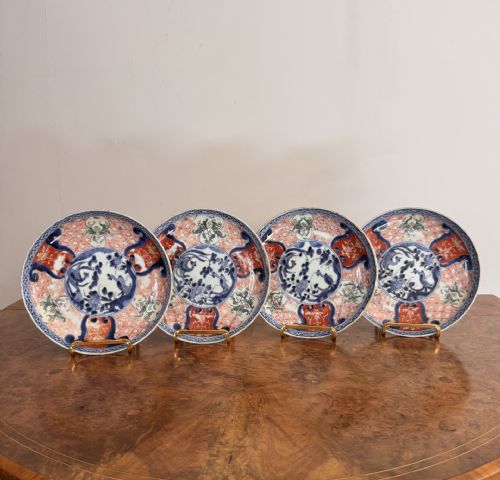
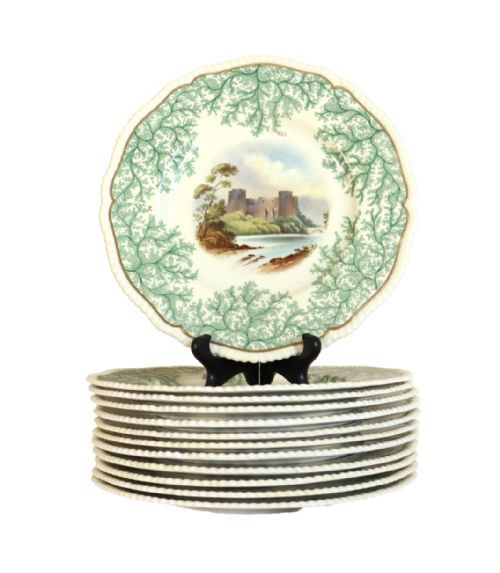

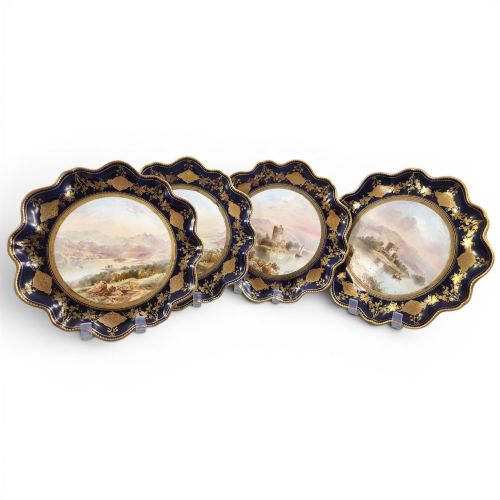


Antique Cabinet Plates Set
These antique cabinet plates set selections bring together finely decorated porcelain and ironstone designed for display rather than everyday dining.
Antique Cabinet Plates Set
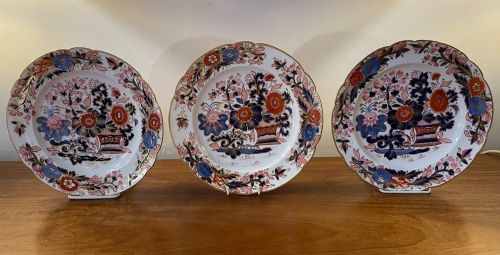
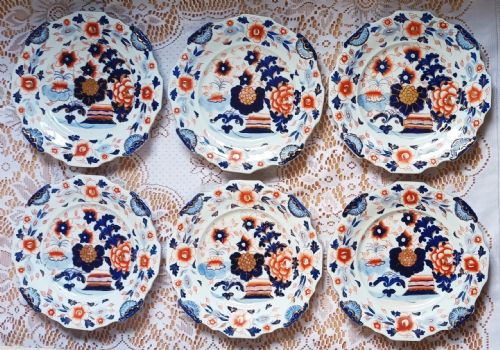
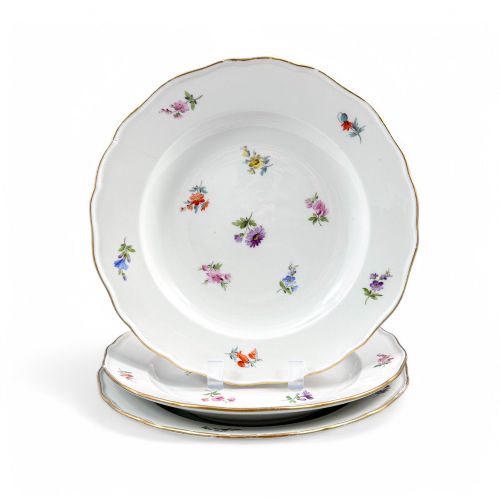
An antique cabinet plates set comprises matching ceramic pieces created primarily for visual presentation in dining rooms and drawing rooms. The listings show groups spanning the eighteenth, nineteenth, and early twentieth centuries, reflecting varied European and Asian origins.
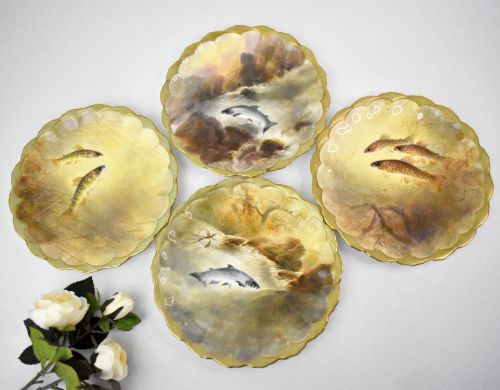
Buyers encounter multiple forms within an antique cabinet plates set, ranging from dessert services and dinner plates to specialised fish and game bird presentations. Many surviving examples feature hand-painted floral, armorial, or landscape decoration designed to showcase wealth and taste.
Materials and production methods
Potters utilised porcelain and ironstone as the primary ceramic bodies, shaping them into durable tableware before applying detailed hand-painted designs. Enamel colours and underglaze pigments provided the vibrant palettes seen across English, French, and Asian examples.
Gilding and gold leaf were frequently applied to rims and borders to enhance the decorative impact of each piece. Firing techniques fixed these metallic accents and glazes permanently to the ceramic surface.
Antique Cabinet Plates Set Retail Price Guide 2026
Typical asking prices for cabinet plates set among the pieces listed under this phrase on Sellingantiques today, from the lower quarter to the upper quarter. They describe what is for sale here now, not the wider market.
The listings feature porcelain and ironstone ceramics decorated with enamel, glaze, and gold leaf across multiple historic periods.
Factors determining quality
Superior sets demonstrate exceptional skill in the brushwork of hand-painted motifs, such as detailed birds, botanical studies, or armorial crests. The precision of the gilding and the uniformity of the porcelain body further separate standard wares from exceptional examples.
The renown of the producing factory or decorator heavily influences the standing of a set. Provenance linking the ceramics to notable historical commissions or named artists elevates the status of the surviving pieces.
Royal Doulton·John Ridgway·Kornilov Brothers·Kerr and Binns·Royal Worcester
The Antique Cabinet Plates Set Glossary
- Cabinet plate
- A decorative ceramic plate intended for display in a cabinet or on a wall rather than for practical table use. These pieces often feature elaborate painted scenes and gilded borders.
- Ironstone
- A heavy, durable type of earthenware patented in the nineteenth century to imitate Chinese porcelain. It provides a sturdy base for colourful enamel decoration.
- Imari
- A style of ceramic decoration originating in Japan, characterised by a palette of underglaze blue, iron red, and gold. European factories frequently copied these distinct patterns.
- Armorial
- A ceramic design incorporating a family coat of arms or crest. Commissioned sets often featured these heraldic devices for wealthy patrons.
- Gilding
- The application of gold leaf or powdered gold to ceramic surfaces. It highlights rims and decorative borders on fine tableware.
Antique Cabinet Plates Set: Frequently Asked Questions
What is an antique cabinet plates set used for?
These sets were traditionally displayed in glass-fronted cabinets, on sideboards, or mounted on walls to demonstrate the refined taste and wealth of the owner. They served as ornamental centerpieces in formal rooms rather than functional tableware for meals.
Today, collectors continue to display them in similar settings to appreciate the hand-painted artistry and historical significance of the ceramics.
How do I care for antique plates?
Display these delicate ceramics securely in stable cabinets or use specialised plate hangers designed for antique porcelain. Keep them away from direct sunlight and areas subject to sudden temperature changes to protect the glazes and gold leaf.
When cleaning is necessary, dust gently with a soft, dry cloth. Avoid soaking or using modern dishwashers, as moisture and strong detergents can damage fragile enamels and historic gilding.
How are different periods identified?
Stylistic clues such as floral motifs, border designs, and colour palettes help narrow down the production era. For example, Regency and Georgian pieces often feature distinct neoclassical or Imari-inspired patterns.
Factory marks stamped or painted on the underside provide the most reliable evidence for dating. Comparing these marks with maker archives confirms the specific period of manufacture.
Why do some sets include fewer than twelve pieces?
Antique ceramic sets frequently lost members over centuries through breakage, accidental damage, or division among heirs. Surviving groups often represent only a portion of the original service.
Despite incomplete numbers, these remaining groups retain significant decorative value and historical interest for collectors of fine ceramics.