
Antique Button Back Seat
An antique button back seat offers deep upholstery and tailored tufting, making it a comfortable and stylish choice for any traditional room.
Antique Button Back Seat
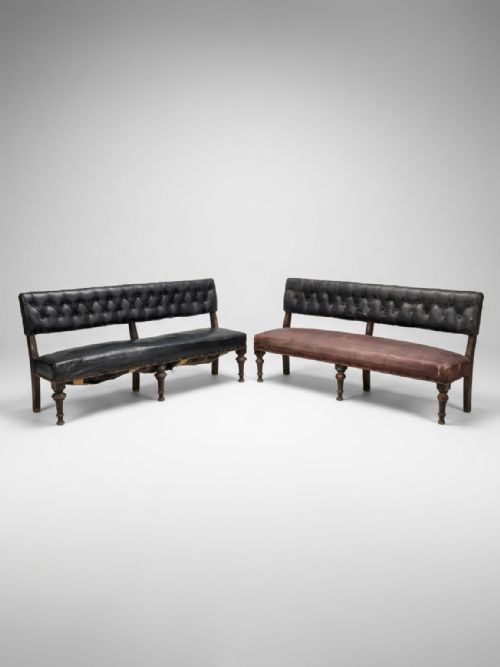
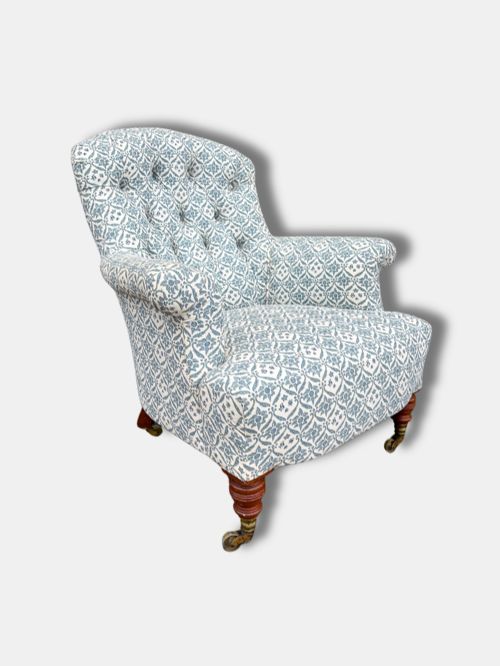
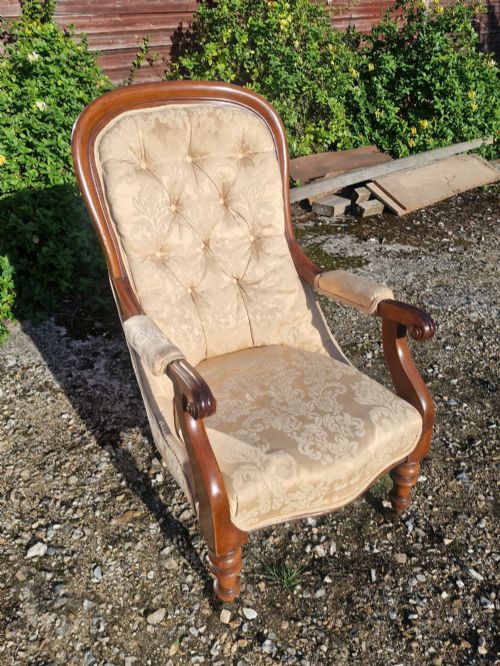
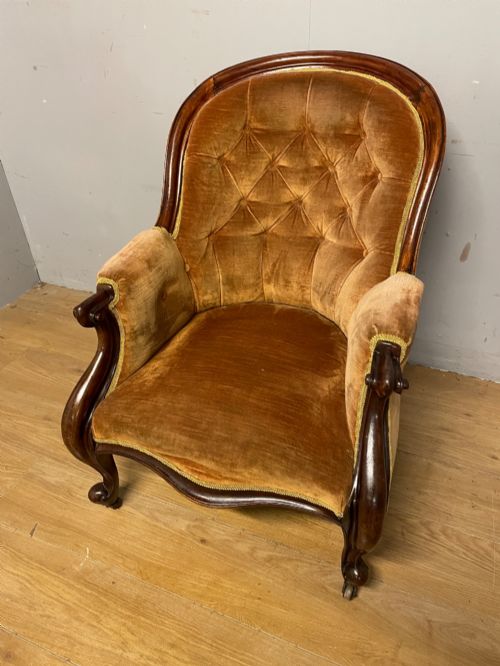
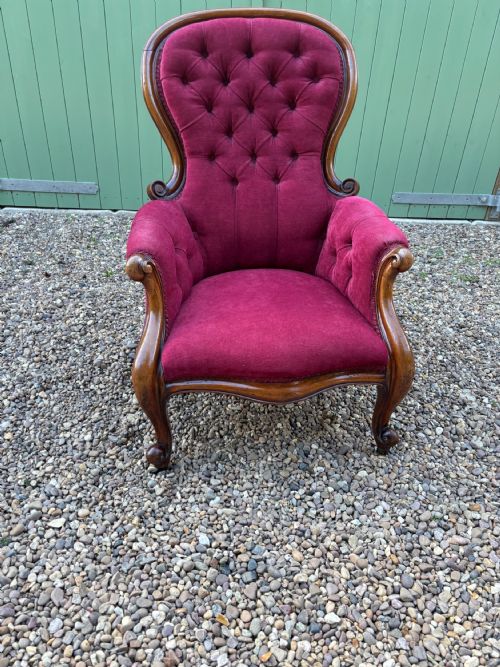
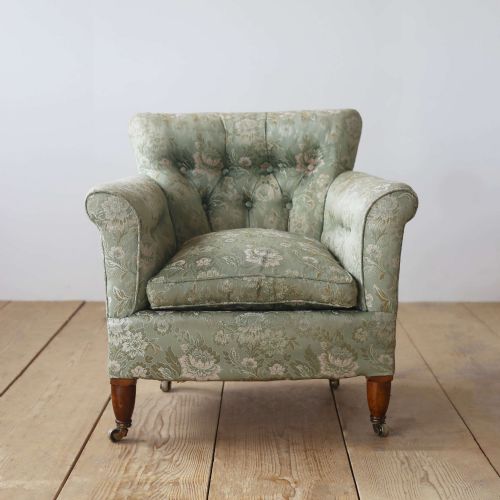
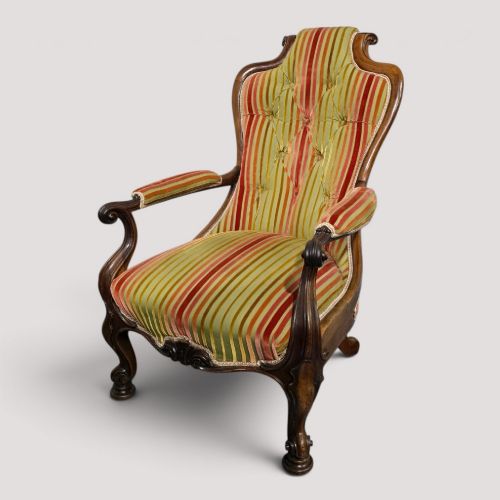
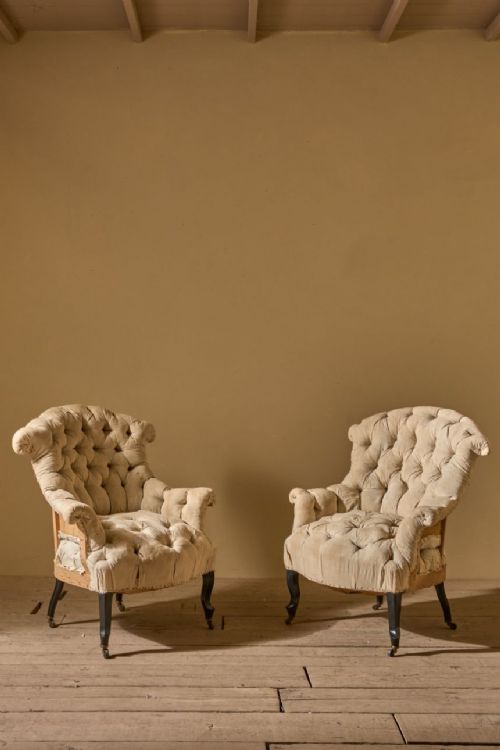
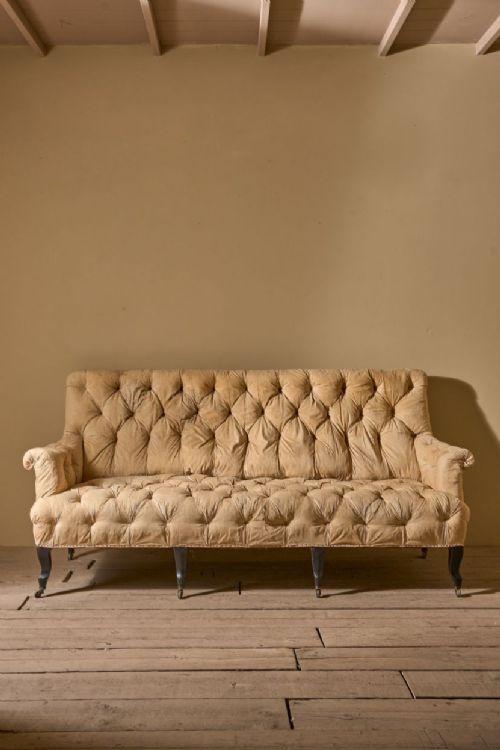
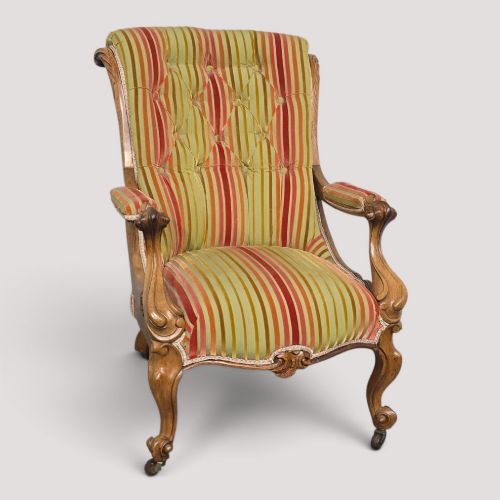
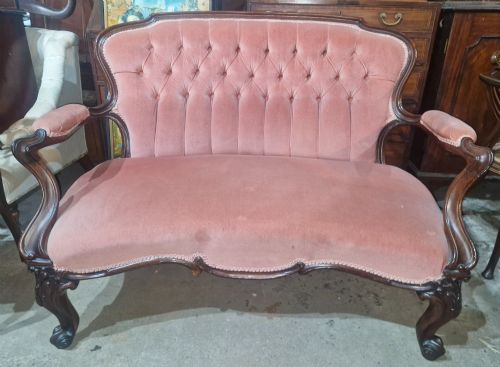
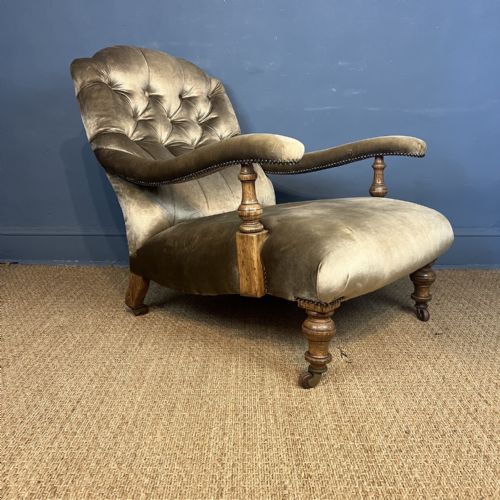
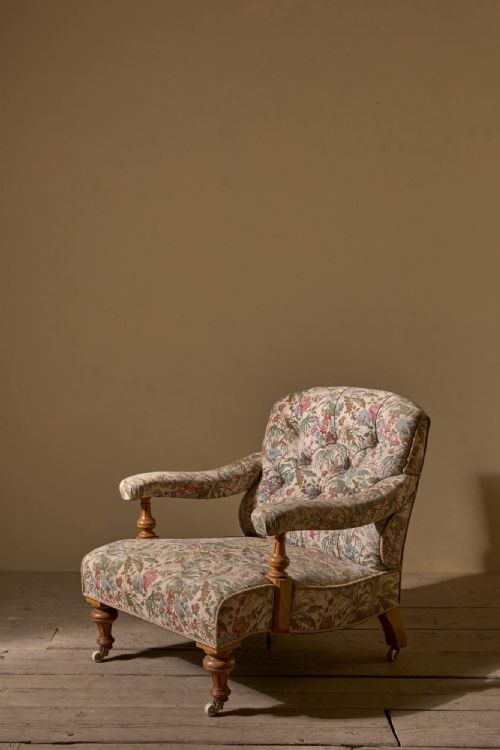
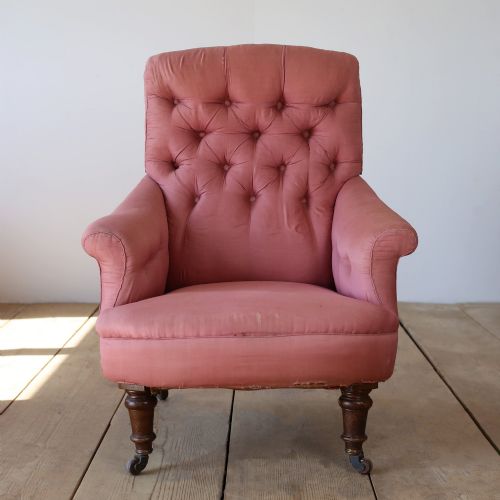
An antique button back seat brings traditional upholstered seating into a room, incorporating distinct tufting across the backrest. Buyers searching for an antique button back seat will encounter various forms, most commonly armchairs, nursing chairs, and larger sofas from the nineteenth century onwards.
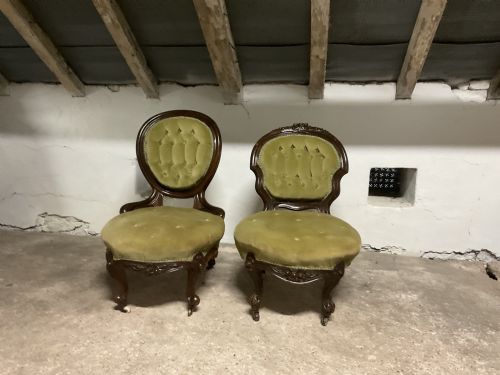
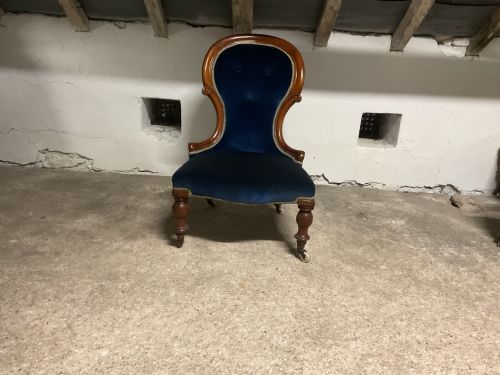
The selection ranges from compact nursing and slipper chairs to larger Chesterfields, settees, and library armchairs. These pieces emerge from periods spanning the Regency era through the Victorian years and into the Edwardian decades.
Frameworks appear in timbers such as mahogany, walnut, rosewood, and oak, often paired with brass castors. Upholstery choices include leather, velvet, and various traditional fabrics.
Materials and construction methods
Frames rely on sturdy timbers like mahogany, walnut, oak, and rosewood, shaped into styles ranging from Regency curves to Victorian carved frames. Artisans built these structures to support heavy internal stuffing and deep springing.
Upholstery relies on traditional textiles, velvet, and leather pulled tight over padding and secured with deep tufting. Brass elements such as castors and nails frequently complete the lower framework and upholstery borders.
Some nineteenth century conversation sofas allowed two people to sit facing opposite directions while maintaining a polite distance.
Factors determining quality
Quality rests in the precision of the timber carving and the integrity of the frame construction, particularly in heavier pieces like library armchairs and Chesterfield sofas. Higher standard pieces show careful selection of woods such as figured walnut or rosewood.
The execution of the button tufting and the symmetry of the upholstery work separate standard examples from finer outputs. Pieces retaining original leather or period appropriate fabric show superior preservation of their original character.
Howard and Sons·Gillows
The Antique Button Back Seat Glossary
- Button back
- An upholstery style where buttons are pulled deep into the padding in a diamond pattern to secure the filling and create tufting. This technique provides both structural support and decorative texture.
- Nursing chair
- A low-seated Victorian chair designed originally for comfort near a nursery hearth. These chairs often feature upholstered button backs and turned wooden legs.
- Slipper chair
- A low-sprung upholstered chair without arms, designed for dressing rooms. They typically sit close to the floor on short legs.
- Settee
- A medium-sized wooden or upholstered seat for two or more people. These pieces often feature carved wooden frames and buttoned backrests.
Antique Button Back Seat: Frequently Asked Questions
What periods do these seats date from?
The available pieces primarily span the nineteenth century, encompassing Regency, William IV, and Victorian eras. Later examples extend into the Edwardian period and the early twentieth century.
Craftsmanship evolves across these decades, shifting from earlier Regency rosewood frameworks to heavier Victorian carved walnut and later leather club styles.
How do I choose between leather and fabric upholstery?
Leather options, frequently seen on Chesterfield sofas and club armchairs, offer a durable surface that develops a rich patina over time. Fabric and velvet choices provide softer textures suited for bedroom and drawing room chairs.
Both materials utilise traditional button tufting to secure the internal padding and shape the backrest.
Where should I place a nursing chair?
Nursing chairs feature low seats that suit bedrooms, dressing rooms, or quieter corners of a living space. Their compact dimensions allow them to fit into spaces where a full-sized armchair might overwhelm the room.
They pair well with low tables and often feature supportive buttoned backrests for relaxed seating.