



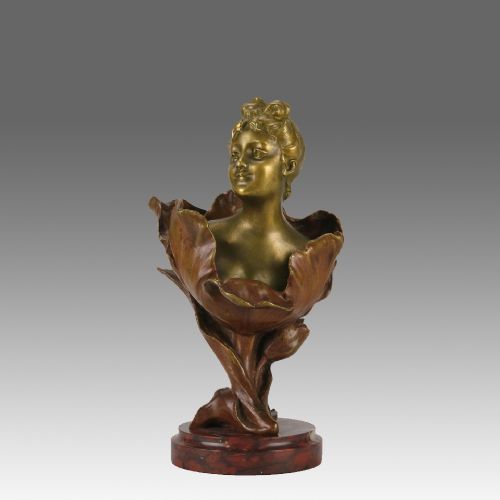

Antique Bust Figurine
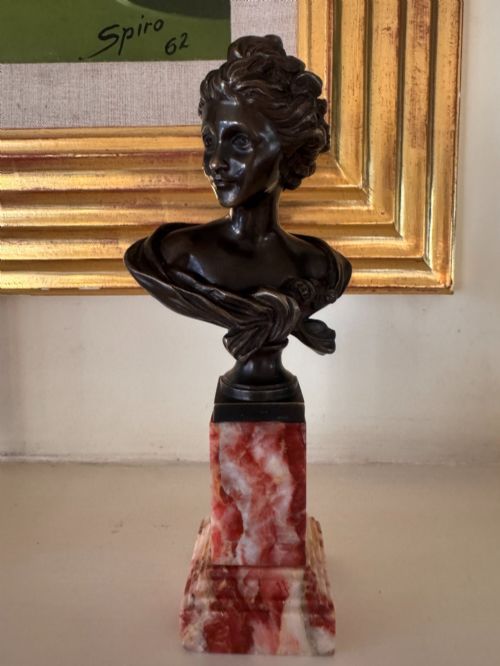
An antique bust figurine brings classical form and character into a room, offering sculpted portraits cast in bronze or carved from fine marble.
Antique Bust Figurine
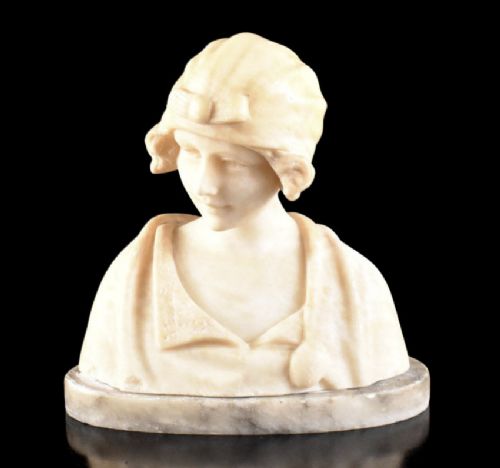
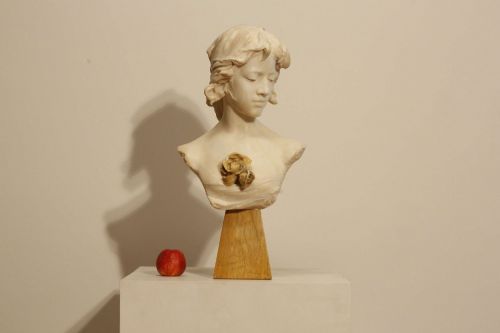
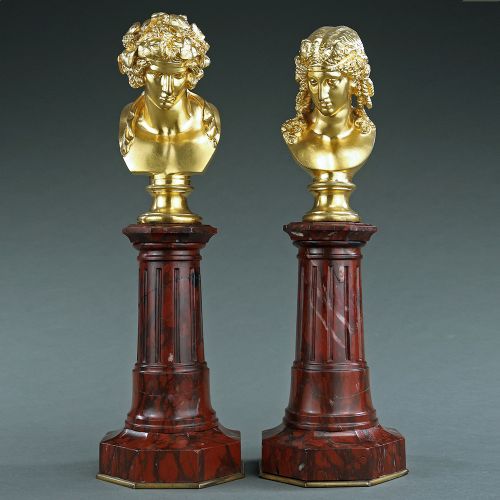
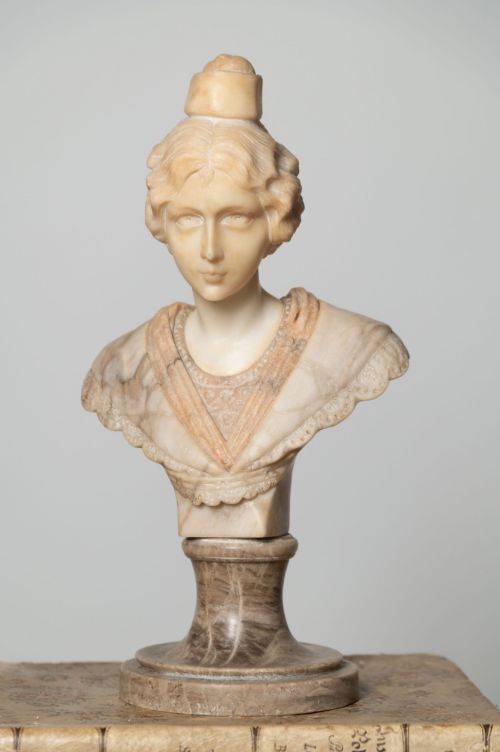
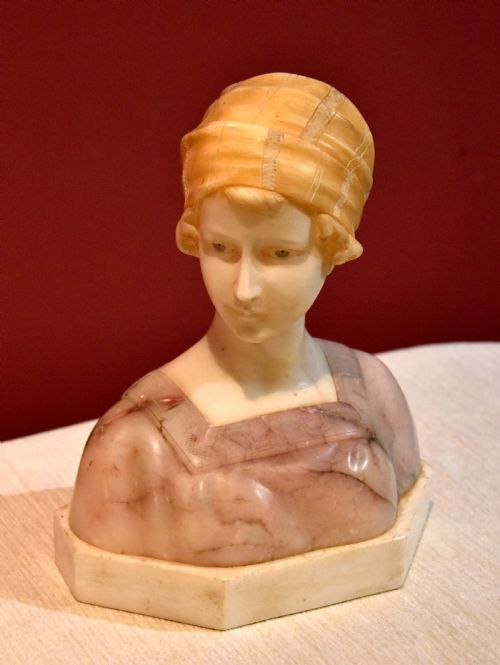
An antique bust figurine presents a sculptural portrait of the head and shoulders, taking the form of library busts, mythological studies, and portrait figures. These pieces capture historical personalities, literary figures, and idealized female allegories cast in metal or carved from stone.
The selections span the Victorian era, the late nineteenth century, and the early twentieth century, incorporating Art Nouveau, Art Deco, and Neoclassical styles. French, Italian, and British workshops produced these sculptural objects in materials ranging from patinated bronze to terracotta and carved alabaster.
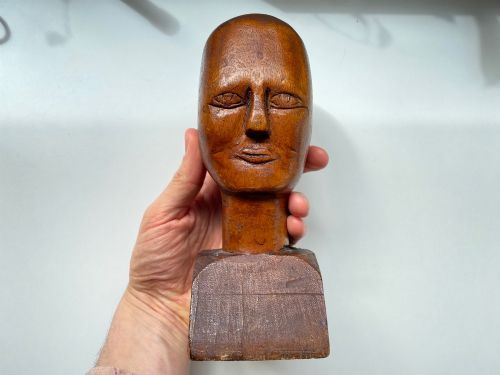
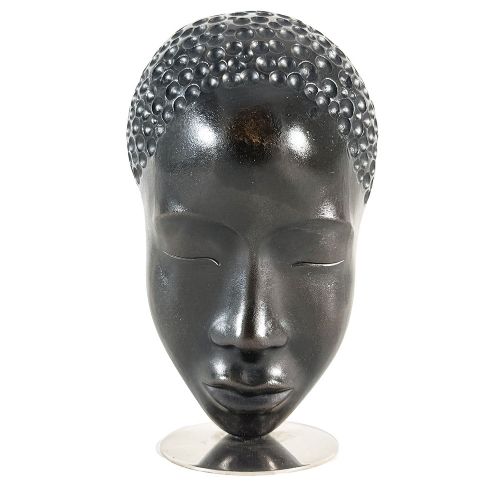
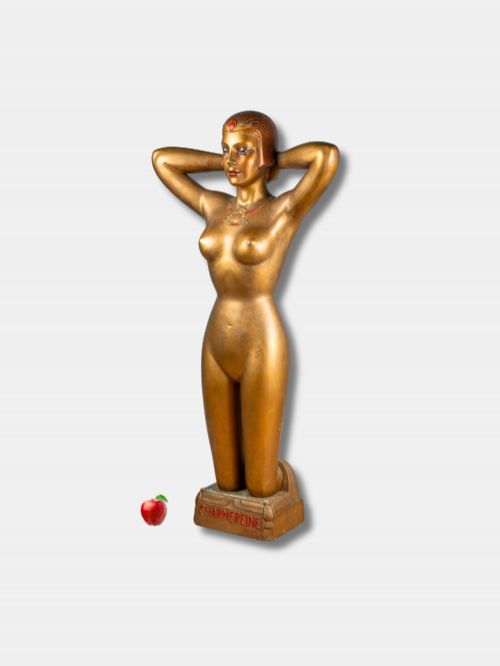
Buyers will encounter grand tour bronzes alongside decorative pottery figures and advertising mannequins. Each piece reflects the sculptural tastes of its period, utilising classical revival motifs and portraiture to furnish domestic interiors.
How they were made
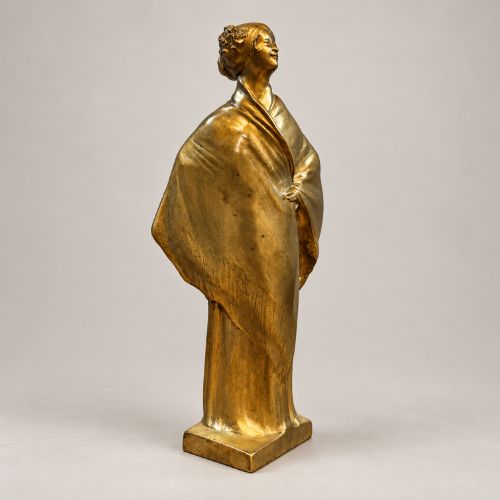
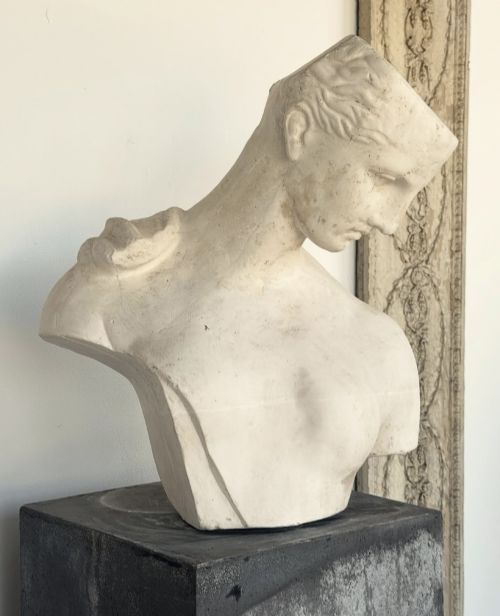
Foundry workers cast metal pieces in bronze, gilt bronze, and spelter, often applying patination to achieve dark brown or metallic finishes. Sculptors carved stone items from Carrara marble, statuary marble, and alabaster, frequently mounting them on contrasting plinths.
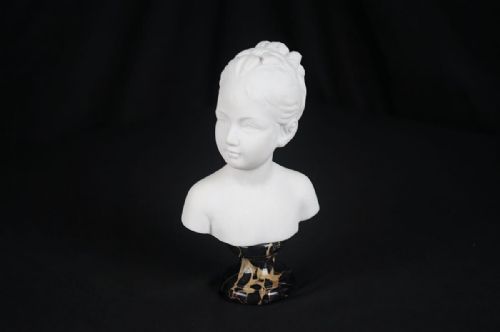
Ceramic pieces utilise porcelain, parian porcelain, terracotta, and glazed earthenware, sometimes decorated with painted details or bisque finishes. Wood carvers shaped pear wood into detailed likenesses using traditional hand tools.
Antique Bust Figurine Retail Price Guide 2026
Typical asking prices for bust figurine among the pieces listed under this phrase on Sellingantiques today, from the lower quarter to the upper quarter. They describe what is for sale here now, not the wider market.
The selection includes works from the Victorian period, Art Nouveau, Art Deco, and Neoclassical revivals.
What varies in quality
Materials dictate the standing of a piece, with solid statuary marble and heavy cast bronze commanding greater presence than plaster or spelter. Signed works by documented sculptors carry distinct artistic authority over unsigned studio pieces.
Hagenauer·Henri Godet·Johann Heinrich Dannecker·Auguste Henri Carli·E. Villanis·Sir Thomas Brock·Hans Müller·Mieczyslaw Leon Zawiejski·Pietro Calvi·Ernst Whaliss·Ernest Eugene Hiolle·Achille Mollica
The Antique Bust Figurine Glossary
- Patinated bronze
- Bronze metal treated with chemical solutions to produce a specific surface colour, commonly deep brown or green.
- Parian porcelain
- A fine-grained white porcelain developed in the nineteenth century to imitate carved marble for portrait figures.
- Socle
- A short rectangular or cylindrical plinth upon which a sculptural bust rests.
- Spelter
- A zinc alloy used as an economical substitute for bronze in decorative figures, often given a metallic paint finish.
- Terracotta
- Baked red clay utilised for sculptural modelling and left unglazed or painted.
Antique Bust Figurine: Frequently Asked Questions
What is an antique bust figurine?
An antique bust figurine is a sculptural representation of a human head and shoulders, created from materials such as bronze, marble, terracotta, and porcelain.
These pieces served as library ornaments, Grand Tour souvenirs, and decorative portraits throughout the nineteenth and early twentieth centuries.
Where were these busts displayed?
Victorian and Edwardian households placed these sculptures on library bookshelves, mantelpieces, and dedicated pedestals within studies and drawing rooms.
They demonstrated the owner's appreciation for classical history, literature, and fine art.
How do I distinguish bronze from spelter?
Bronze is a heavy, durable copper alloy that holds sharp chisel and casting details and develops a rich patination over time.
Spelter is a lighter zinc-based metal that feels softer to the touch and often shows flakey paint or metallic finishes where the surface has aged.
What is a Grand Tour bust?
Grand Tour busts are small-scale replicas of classical antiquities collected by wealthy travellers during their journeys through Italy and France.
These bronze or marble souvenirs allowed collectors to bring classical sculpture into their home interiors.