


Antique Bureau with Doors
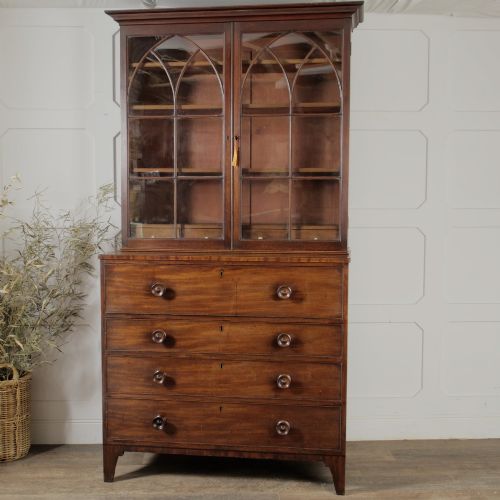
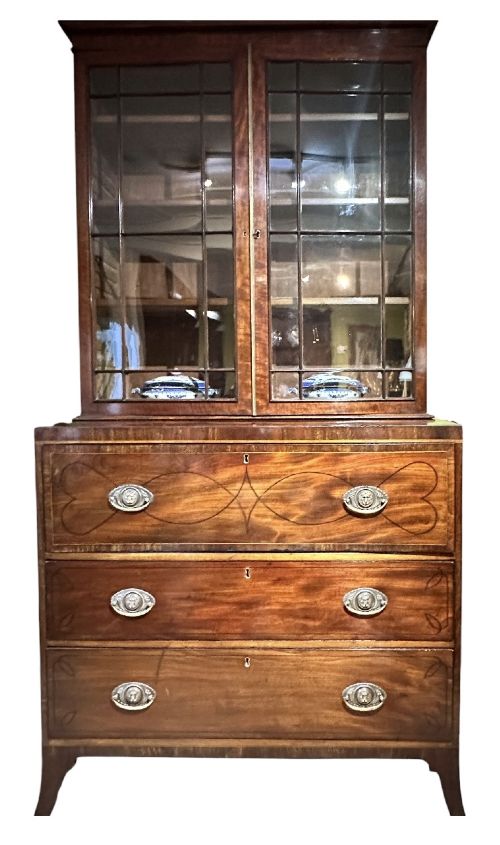
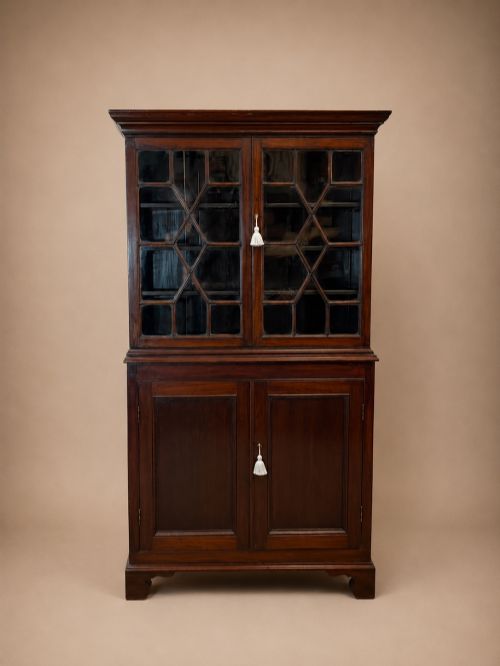
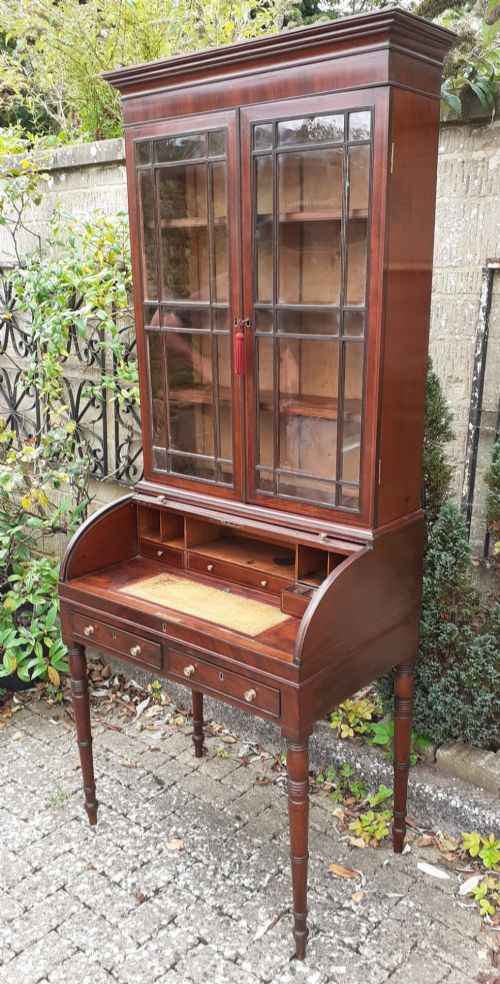
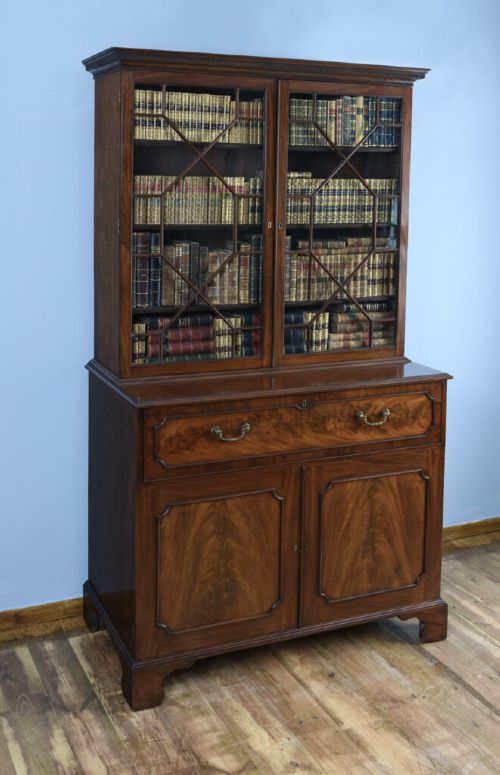
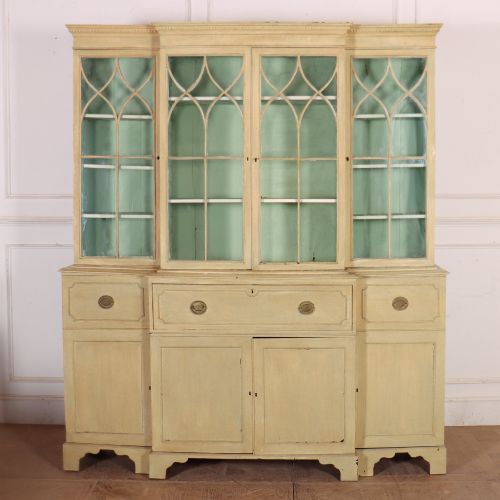
An antique bureau with doors combines a fall-front writing surface with enclosed upper shelving, offering both a hidden desk and a display cabinet.
Antique Bureau with Doors
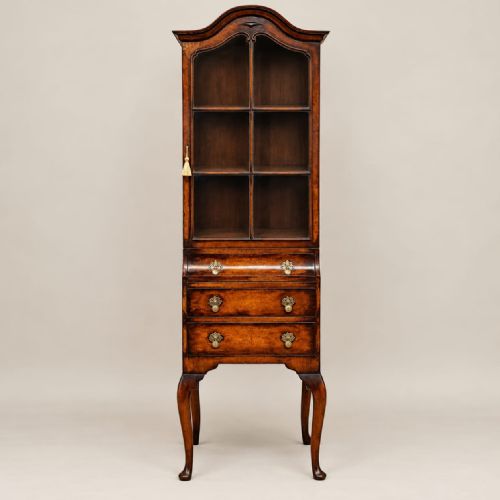
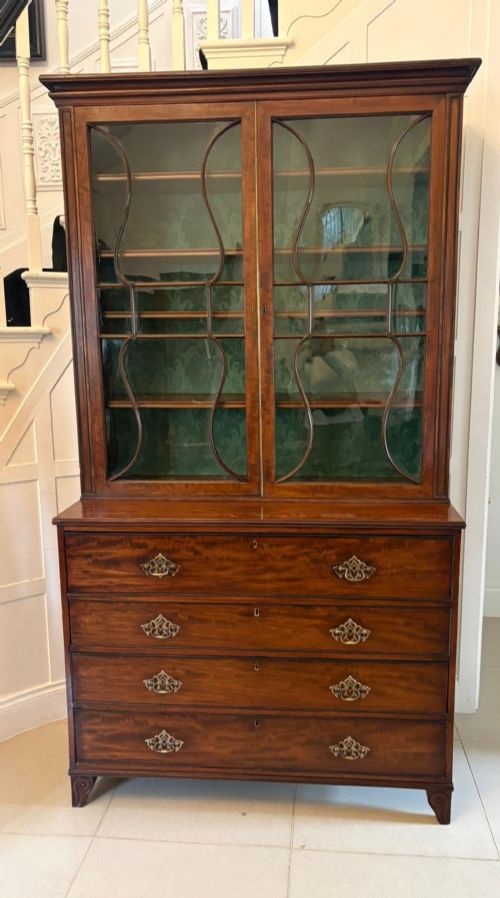
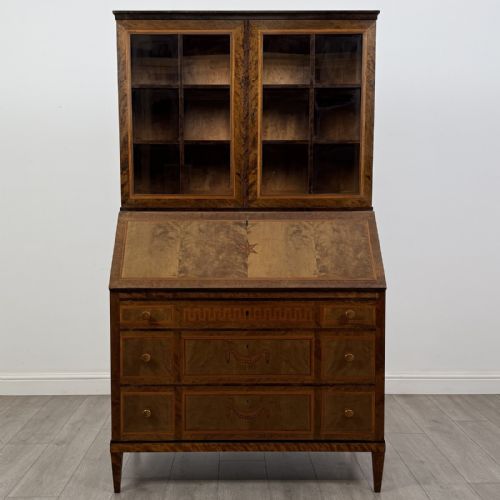
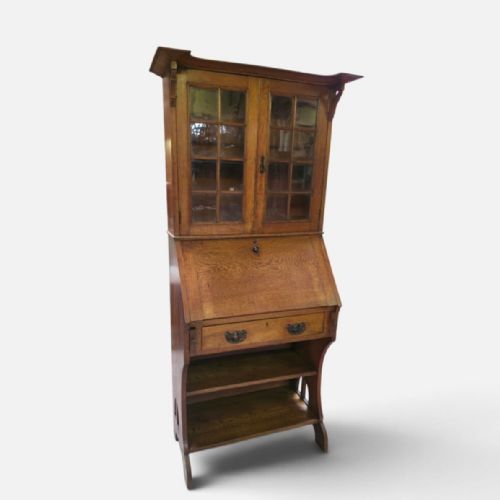
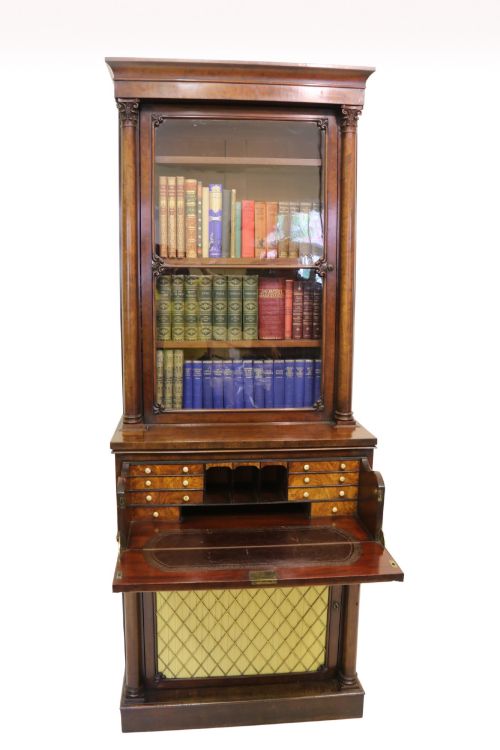
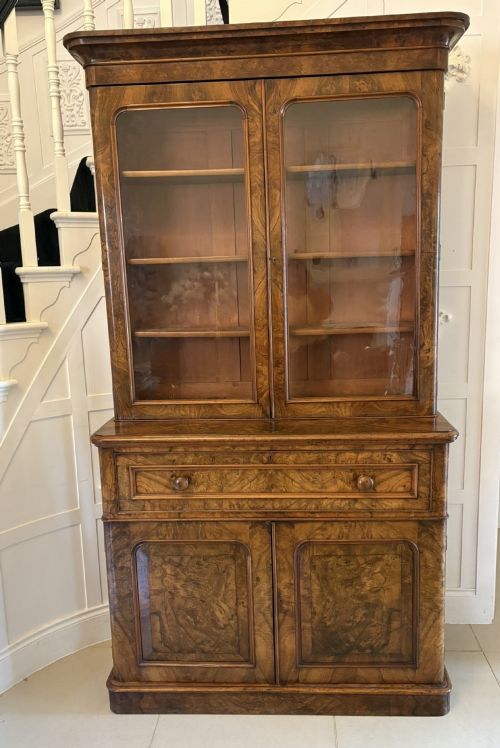
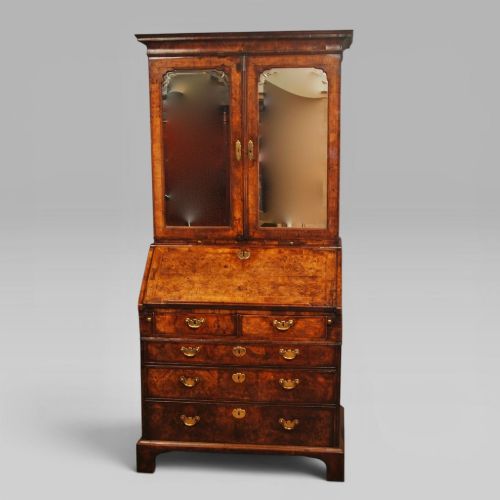
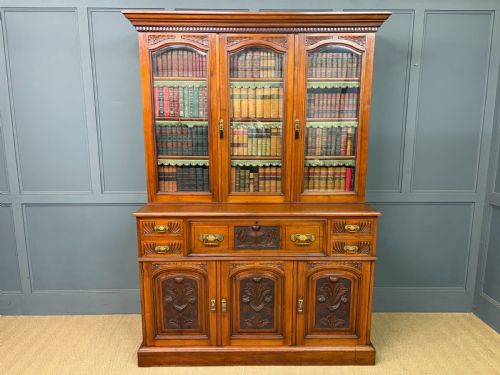
An antique bureau with doors marries a sloping writing flap or pull-out secretaire drawer with upper bookcase storage, creating a dual-purpose piece for study and display. These items appear across multiple eras, ranging from early eighteenth-century Queen Anne and George I walnut examples to Georgian mahogany designs and later Edwardian and revival pieces.
Materials and Construction
Cabinet makers utilised dense hardwoods such as mahogany, walnut and oak, often applying burr walnut veneers or decorative inlays to create striking surface grain patterns. Brass hardware, including handles and escutcheons, complements the timber construction.
Upper enclosures incorporate glazed panels or mirror glass, while the internal desk compartments feature small drawers, pigeonholes and writing surfaces lined in leather.
Antique Bureau with Doors Retail Price Guide 2026
Typical asking prices for bureau with doors among the pieces listed under this phrase on Sellingantiques today, from the lower quarter to the upper quarter. They describe what is for sale here now, not the wider market.
Listings feature pieces spanning from the early eighteenth century through the Georgian, Regency, Victorian and Edwardian periods, constructed in mahogany, walnut, oak and burr walnut.
Evaluating the Pieces
Distinctions in quality rest upon the selection of timber figures, such as highly figured mahogany or burr walnut, and the precision of the cabinet work in the internal pigeonholes and small drawers. The integration of original mirrored or glazed door panels and matched veneers elevates the standard of the piece.
Proportion and scale dictate the visual weight of the item, where restrained architectural cornices and well-figured timber distinguish superior examples from simpler utilitarian constructions.
Tudor and Burrey
The Antique Bureau with Doors Glossary
- Secretaire
- A piece of furniture incorporating a writing drawer or compartment with a drop-front panel. It often contains a fitted interior of small drawers and pigeonholes.
- Bureau bookcase
- A combination of a sloping-front desk and an upper bookcase enclosed by doors. This form provides both writing space and shelved storage.
- Burr walnut
- A prized veneer taken from the wart-like growths on walnut trees. It yields complex, swirling grain patterns highly sought after by cabinet makers.
- Escutcheon
- A protective plate surrounding a keyhole. It is traditionally cast in brass and fitted to drawer fronts and cabinet doors.
- Cylinder top
- A desk variant featuring a curving quarter-circle shutter that rolls back to reveal the writing surface.
Antique Bureau with Doors: Frequently Asked Questions
What is an antique bureau with doors?
An antique bureau with doors is a dual-function furniture form that combines a lower writing desk with an upper shelving cabinet enclosed by glazed, mirrored or wooden doors. These items served as combined workspaces and libraries in traditional homes.
They allow owners to conceal writing materials and correspondence behind the fall-front flap while displaying books or decorative objects behind the upper doors.
How do I use one in a modern room?
These pieces function well as compact home workstations, providing a concealed desk surface that shuts away paperwork at the end of the day. The upper shelving offers practical storage for books or display items.
Position the cabinet against a sturdy wall with adequate clearance for the drop-front writing flap or pull-out secretaire drawer to open fully.
How do I distinguish between Georgian and Edwardian examples?
Georgian pieces from the eighteenth and early nineteenth centuries typically feature solid timber construction, hand-cut dovetails and understated architectural proportions. Edwardian interpretations often incorporate lighter inlay work and revival styling influenced by earlier eras.
Examining the interior drawer construction and timber grain helps clarify the period of manufacture.
What timbers were used for these cabinets?
Cabinet makers predominantly used mahogany, walnut and oak, frequently selecting figured veneers or burr walnut for the primary display surfaces. Secondary timbers were often employed for internal drawer linings.
Brass fittings and glass panels complete the primary materials found across the available selection.