


Antique Bucket Stand
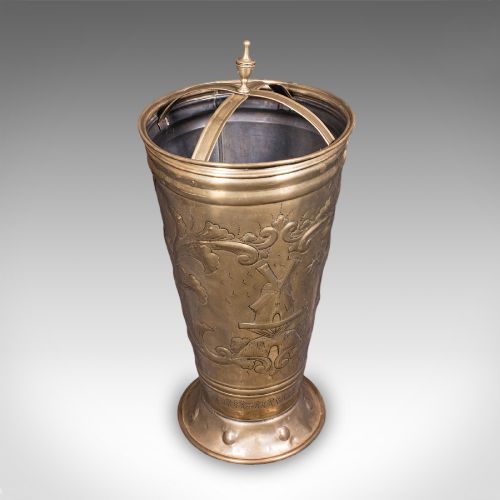
An antique bucket stand serves utility and elegance in equal measure, holding wine, logs or umbrellas with traditional craftsmanship.
Antique Bucket Stand
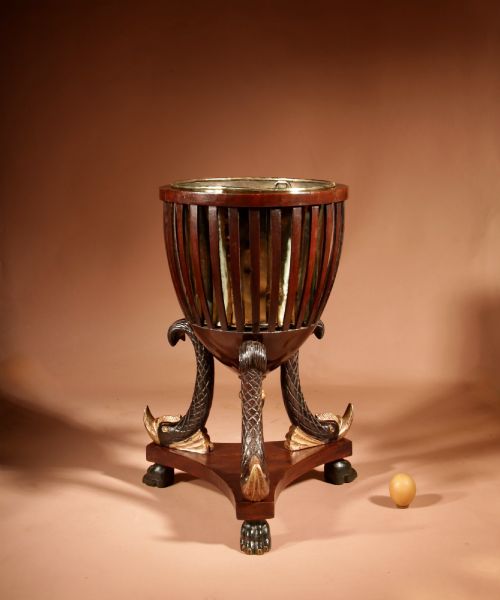
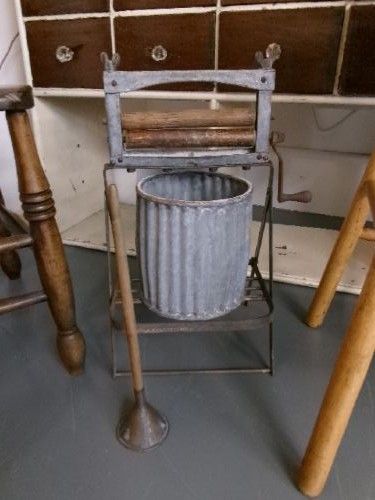
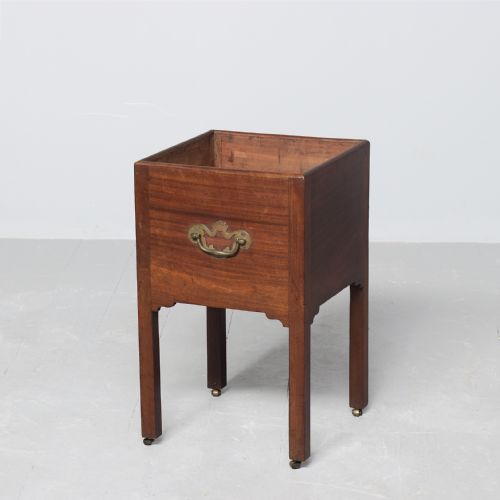
When you search for an antique bucket stand, you encounter a versatile group of vessels designed for wine cooling, log storage, umbrella holding or plant display. These pieces bridge domestic utility and formal display, originating primarily from the Georgian, Victorian and Edwardian periods.
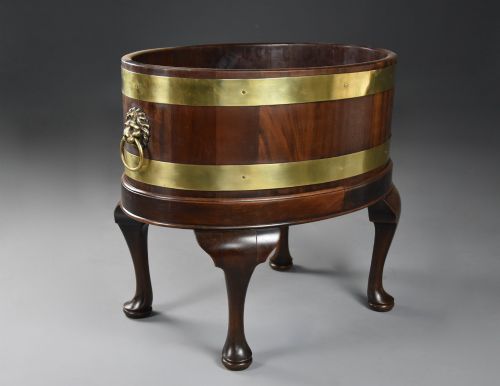
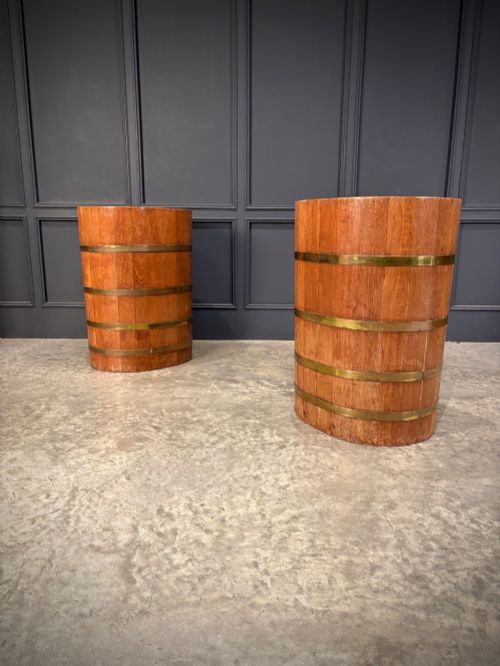
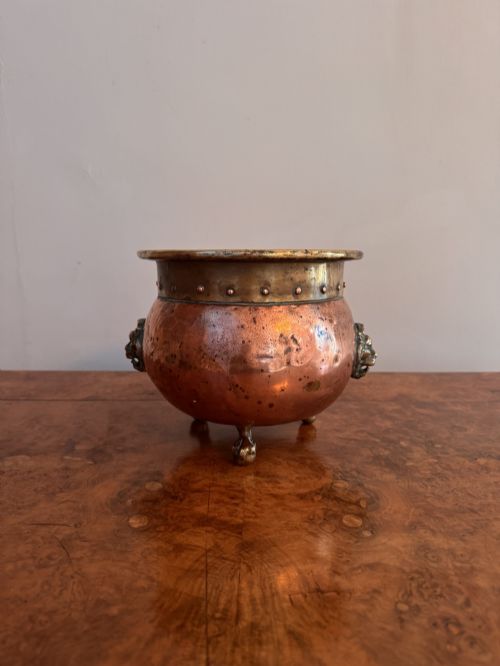
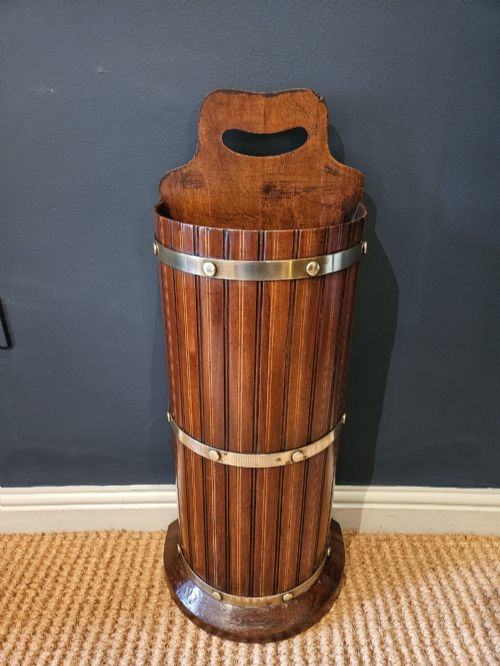
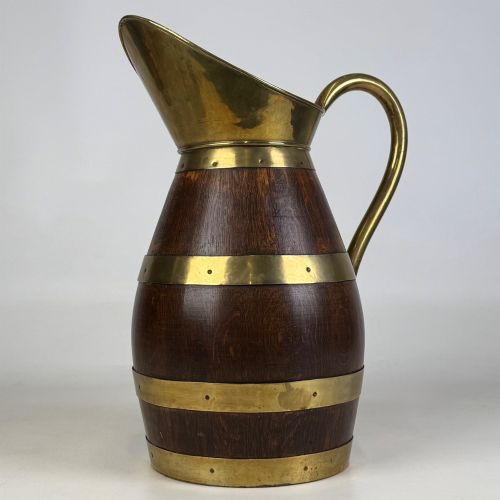
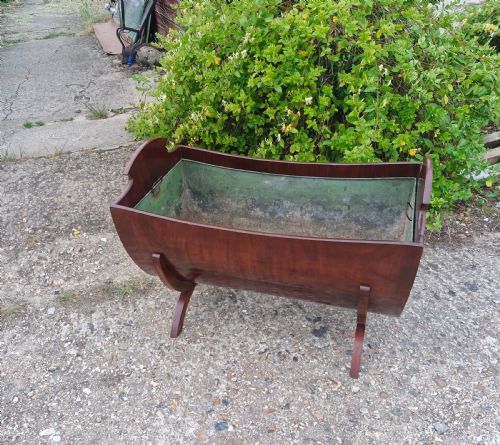
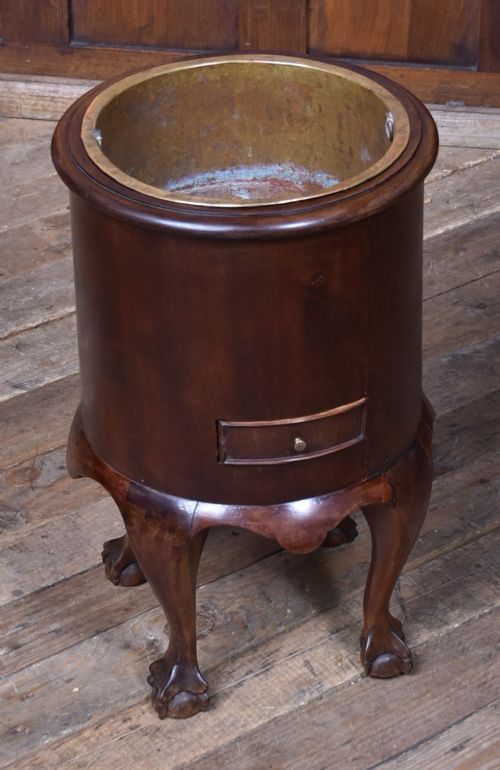
Mahogany wine coolers and cellarettes represent the formal end of the category, often raised on dedicated stands and bound in brass. By contrast, oak and copper examples lean towards country house practicality, functioning as log bins, peat buckets or umbrella stands.
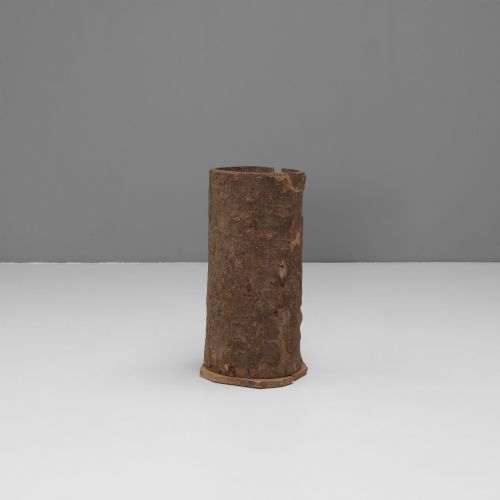
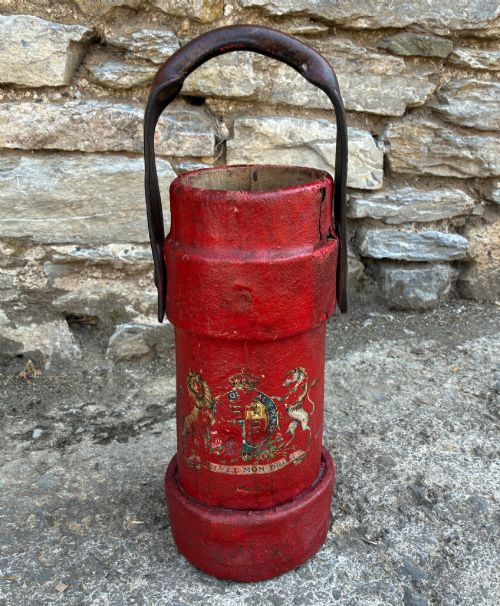
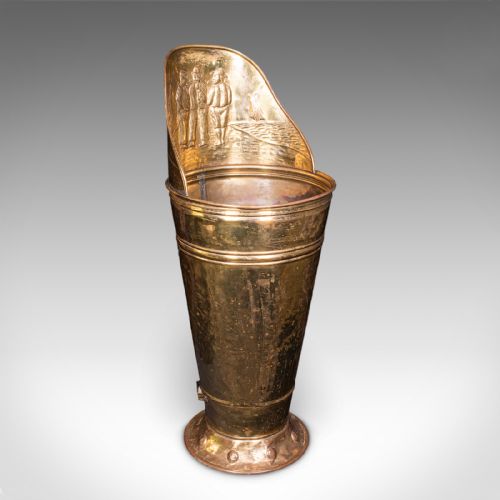
Many items in this category adapt over time, with former artillery shell carriers or leather fire buckets finding new life as stick stands. The core of the selection relies on coopered construction and durable materials suited to heavy daily use.
Materials and construction methods
Coopering forms the structural heart of these vessels, using shaped wooden staves of mahogany, oak or pine bound tightly together with metal hoops. Blacksmiths and metalworkers hammered brass, copper, iron and zinc to create these securing bands and inner linings.
Cabinetmakers applied fine veneers, inlay and polishing to formal mahogany pieces, while utilitarian items relied on robust boiled leather, heavy iron frameworks and plain timber. Zinc and copper linings protected the wooden staves from moisture when used for ice, wine or plants.
Antique Bucket Stand Retail Price Guide 2026
Typical asking prices for bucket stand among the pieces listed under this phrase on Sellingantiques today, from the lower quarter to the upper quarter. They describe what is for sale here now, not the wider market.
Listings feature robust materials including brass, copper, oak, mahogany, leather, zinc and iron across Georgian, Victorian and Edwardian eras.
Judging quality and craftsmanship
The precision of the cooper's jointing dictates the structural integrity of a wooden bucket, separating masterwork vessels from simpler utilitarian barrels. Superior examples retain their original matching stands, untouched brass bands and period liners rather than later replacements.
The choice of timber grain, particularly figured mahogany or quarter-sawn oak, distinguishes high-status country house pieces from standard workshop output. Subtle details such as hand-dovetailed joints, quality brass carrying rings and crisp inlaid motifs elevate a piece above ordinary utility.
The Antique Bucket Stand Glossary
- Coopered
- Built from curved wooden staves joined edge-to-edge and bound by metal hoops, much like a traditional barrel. This method provides the essential structural strength for liquid-holding vessels.
- Cellarette
- A lockable container used to store wine bottles securely in the dining room. They often sit on low stands and feature internal wooden dividers.
- Jardiniere
- An ornamental pot or stand designed to hold indoor plants or flowers. These frequently employ metal liners to prevent water damage to the surrounding wood.
- Brass bound
- Fitted with structural or decorative metal bands around the body of a wooden vessel. The technique stabilises the staves against humidity changes.
Antique Bucket Stand: Frequently Asked Questions
What is the difference between a wine cooler and a log bin?
Wine coolers usually feature fine timber veneers, fitted interiors and dedicated stands intended for formal dining rooms. Log bins prioritize robust construction in copper, brass or heavy oak to withstand rough usage by the fireplace.
While both share coopered manufacturing techniques, wine coolers often include lead or zinc liners to hold ice and bottles. Log bins remain unlined to handle dry firewood and peat.
How were bucket stands used originally?
Wealthy households employed these vessels in dining rooms to chill wine and champagne during lengthy meals. Others served in hallways to catch rainwater from wet umbrellas and walking sticks.
Utility versions also functioned as fire buckets near hearths or as planters in conservatories. Their mobility allowed servants to move heavy loads of fuel or water across large country houses.
Can I use an antique bucket stand for plants?
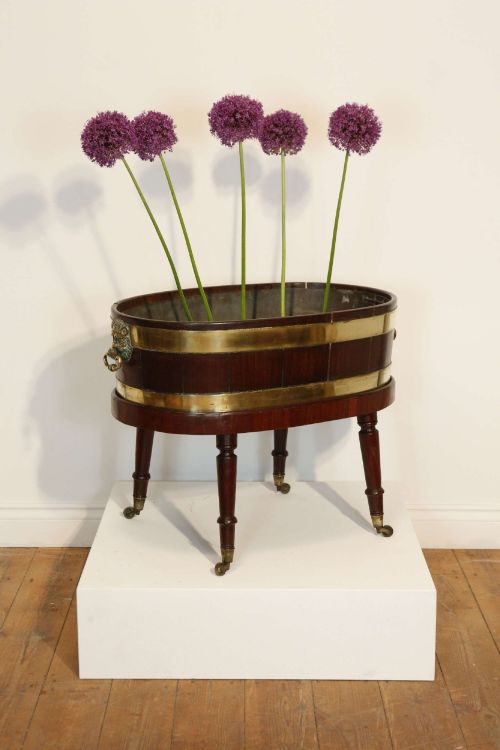
Many surviving pieces function effectively as plant stands or indoor jardinieres today. The waterproof metal linings originally designed for ice or wine protect the timber from damp soil.
Checking the condition of the internal zinc or copper liner helps ensure safe usage for live foliage. Adding a protective saucer inside prevents standing water from rusting old iron bands.
How do I date a mahogany bucket stand?
Georgian examples often display rich mahogany patination, fine inlay and distinct architectural proportions on original bracket feet or stands. Victorian and Edwardian pieces tend to feature heavier brass bands and simpler joinery suited to broader domestic production.
Examining the underside, screw types and the wear patterns on the base reveals clues about manufacturing eras. Original hardware provides the most reliable indicator of age.