
Antique Bucket Planter
An antique bucket planter brings practical heft and rich metal or timber grain to a room, serving plant or hearth with quiet utility.
Antique Bucket Planter
An antique bucket planter bridges utilitarian roots and domestic display, often adapting vessels originally made for wine, coal, peat, or washing into homes for foliage. The selection on this page leans heavily into nineteenth-century British and continental forms, where sturdy vessels find new life holding plants and logs.
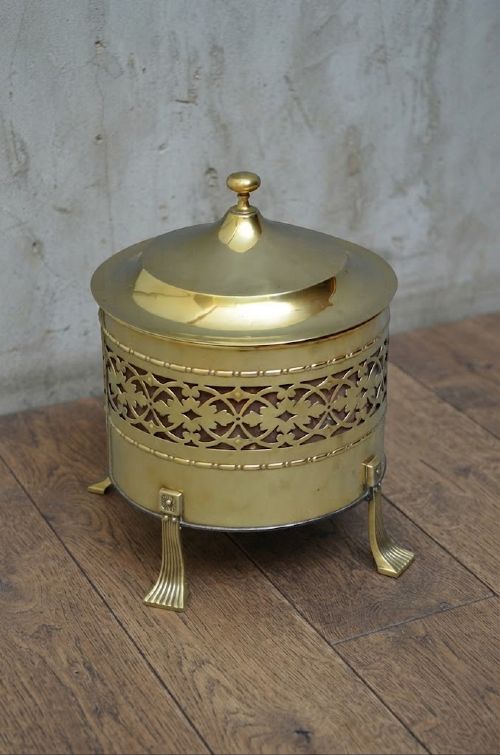
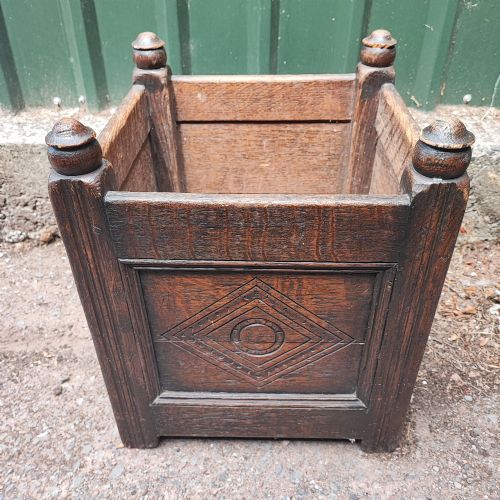
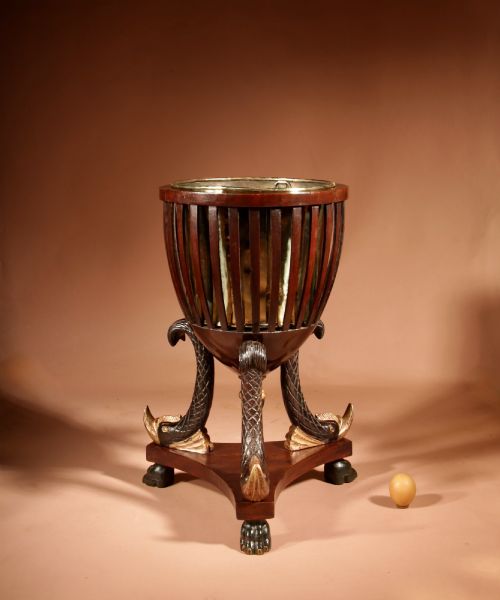
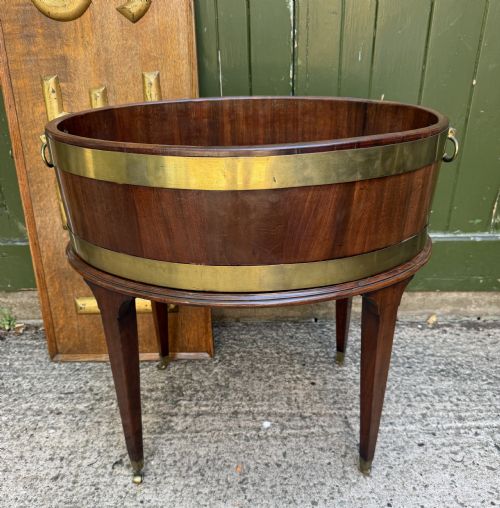
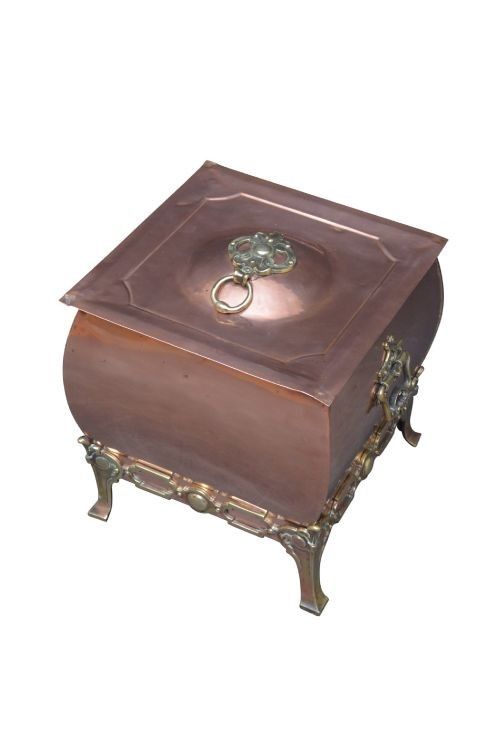
Georgian and Victorian examples dominate the listings, ranging from plain country oak boxes to elegant brass-bound mahogany wine coolers on stands. Buyers encounter everything from simple grain measures to fretwork-decorated Edwardian coal buckets fitted with metal liners.
How They Were Made
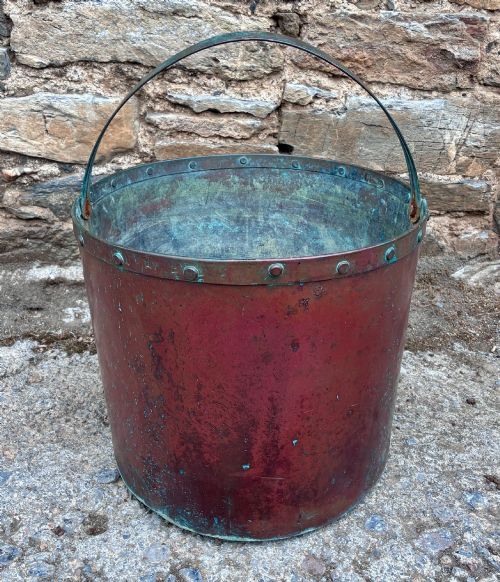
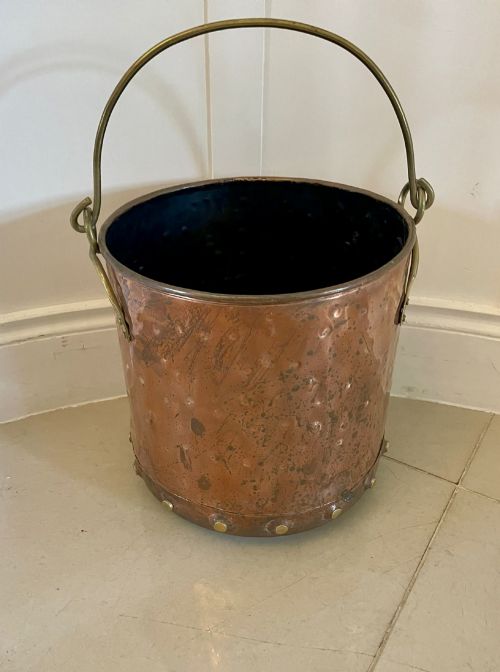
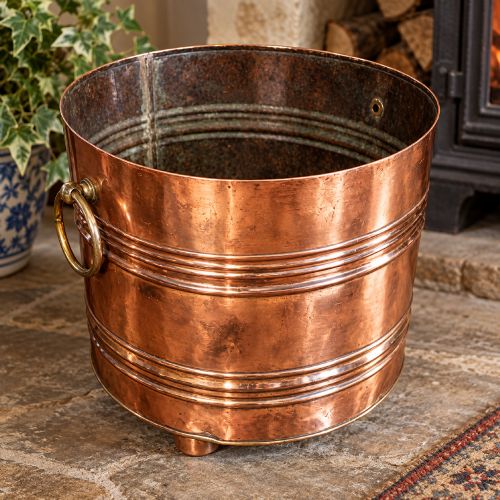
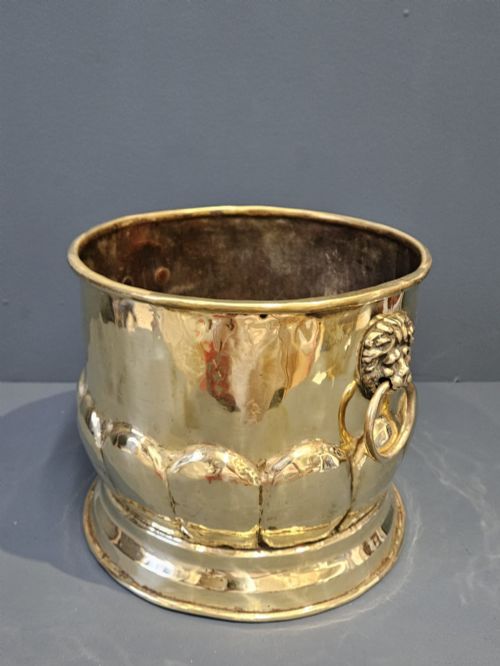
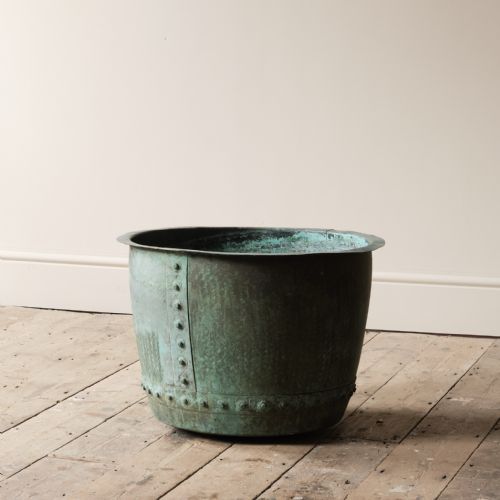
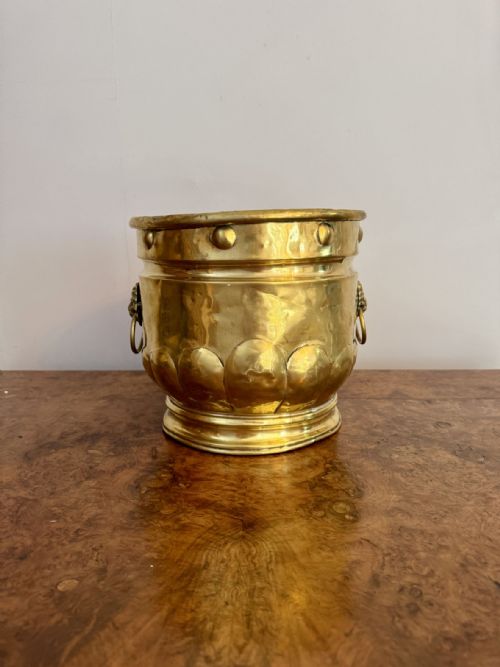
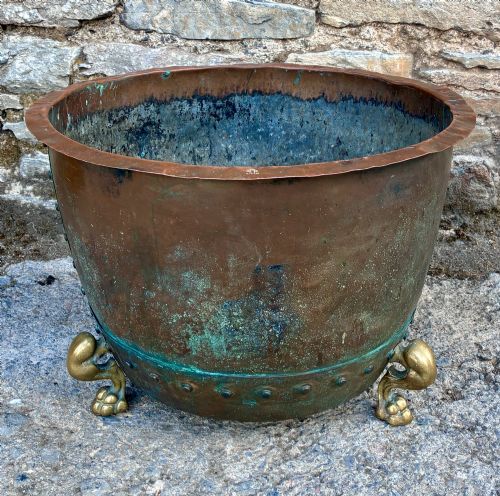
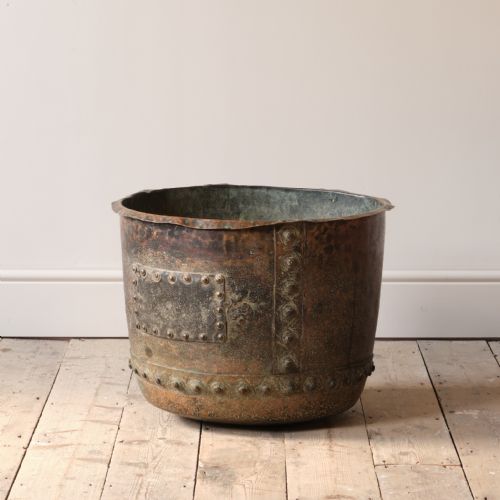
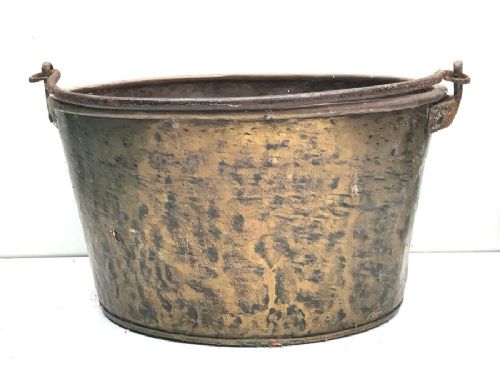
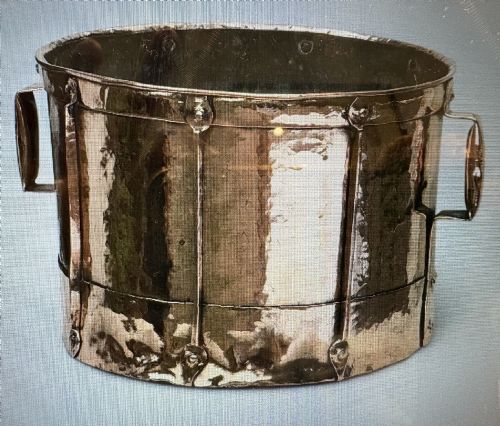
Makers shaped these pieces using traditional metalworking and coopering techniques suited to holding weight and moisture. Copper and brass bodies feature hand-beaten hammering, riveted seams, and securely joined swing handles made of wrought iron or brass.
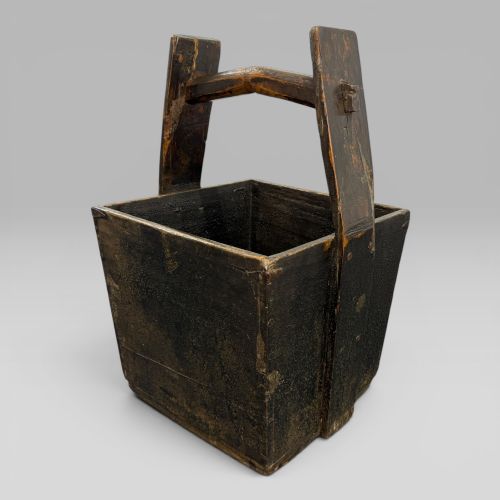
Timber versions rely on skilled coopering, binding staves of mahogany, oak, or Chinese elm with tight bands of brass or iron. Many vessels incorporate soldered or drop-in metal liners to protect the wooden staves from damp soil and water.
A French grain measure occasionally finds a second career holding umbrellas in a hallway.
What Varies in Quality
The standard of a piece rests on the integrity of its construction, from the tightness of the wooden staves to the weight of the hand-beaten metal. Superior examples retain their original swing handles, secure rivets, and well-fitted interior liners without undue patching.
Design detail also separates standard utility items from finer parlour pieces, evident in crisp brass banding, decorative crests, fretwork galleries, or dedicated wooden stands. Patina plays a central role, where honest surface wear and warm oxidation elevate the presence of the material.
The Antique Bucket Planter Glossary
- Coopered
- Built from curved wooden staves joined side by side and bound with metal hoops, much like a barrel. This technique ensured watertight strength for washing tubs and wine coolers.
- Jardinière
- An ornamental pot or stand for holding plants and flowers, often manufactured in polished brass or copper during the Victorian period. These vessels brought outdoor greenery into formal reception rooms.
- Cellarette
- A lockable container used to store bottles of wine or spirits near the dining table. Many surviving examples share the bucket form and brass-bound timber construction.
- Teestoof
- A traditional Dutch foot warmer or peat bucket containing a small earthen or metal pot for hot embers. They frequently feature pierced wooden lids and brass liners.
- Schuitje
- A boat-shaped vessel, often coopered in mahogany with brass banding, used historically for peat or tea heating. The distinctive hull form sits low on the hearth.
Antique Bucket Planter: Frequently Asked Questions
How were antique bucket planters originally used?
Many of these vessels started life hauling coal, cooling wine, measuring grain, or holding peat for hearth fires. Their durable construction made them ideal for heavy daily tasks around country houses and domestic kitchens.
Over time, owners repurposed these sturdy containers to hold potted plants, dried stems, or logs by the fireplace. This functional crossover means modern buyers inherit items designed to withstand moisture and weight.
How do I tell a Georgian piece from a Victorian one?
Georgian pieces, particularly those from the late eighteenth century, often feature refined mahogany staves with delicate brass banding and fitted stands. They were typically built as wine coolers or cellarettes for formal dining rooms.
Victorian and later examples tend toward heavier hammered copper, brass jardinières with stamped crests, and utilitarian coal buckets. The manufacturing methods shifted from bespoke cabinetwork to more robust industrial metalworking.
What is the best way to clean copper and brass?
Polishing antique metal depends entirely on the finish and the level of historical oxidation you prefer to keep. Many collectors avoid harsh chemical cleaners to preserve the dark, warm patina accumulated over generations.
A gentle wipe with a soft dry cloth removes dust without disturbing the surface character. If polishing is necessary, use a mild cream and buff lightly by hand.