
Antique Brown Server
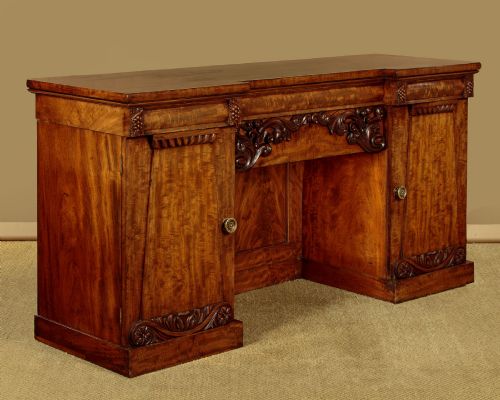
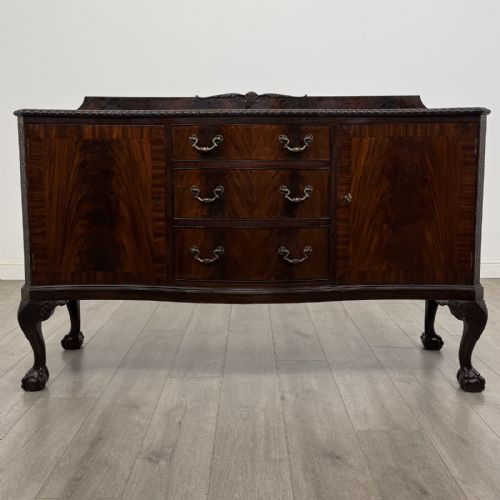
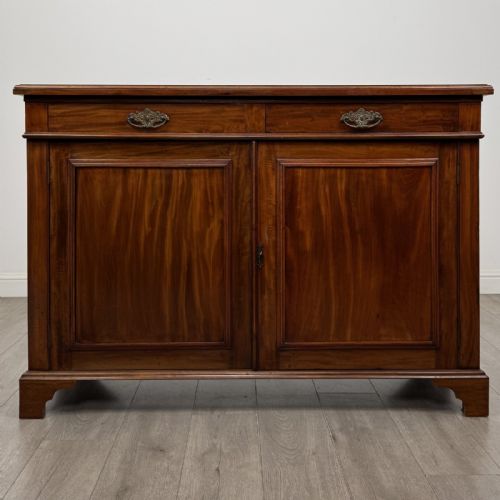
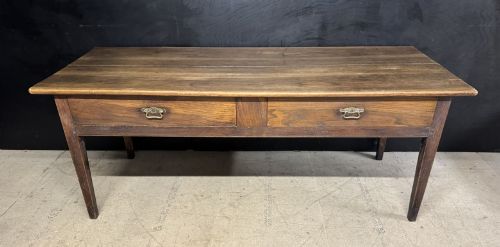
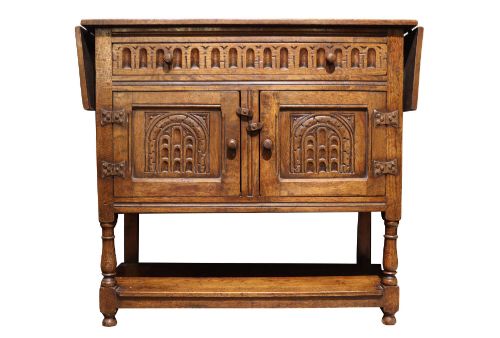
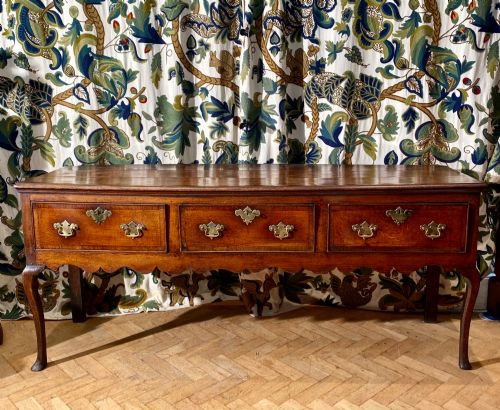
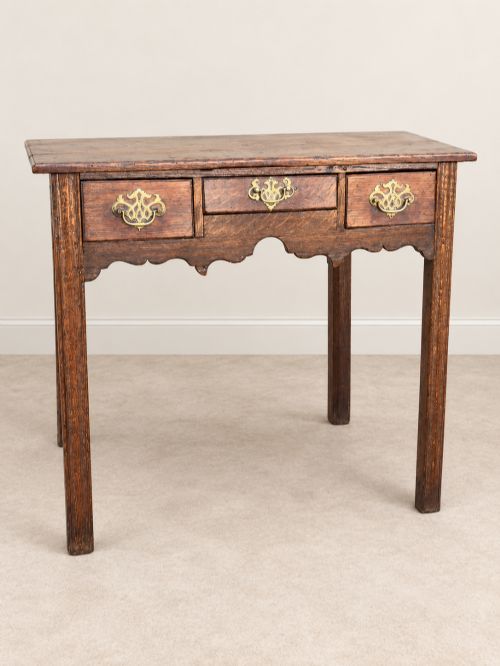
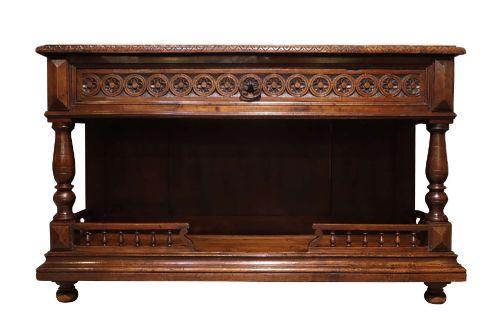
An antique brown server stands ready for the dining room, offering sturdy wood surfaces and practical drawers for hosting meals.
Antique Brown Server
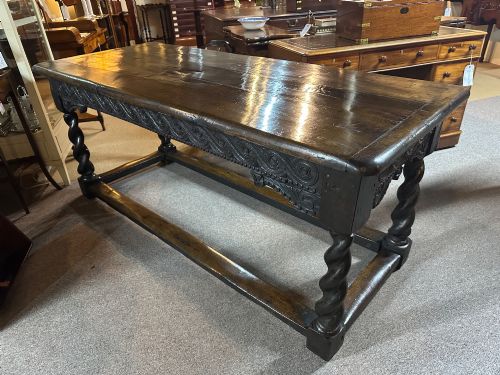
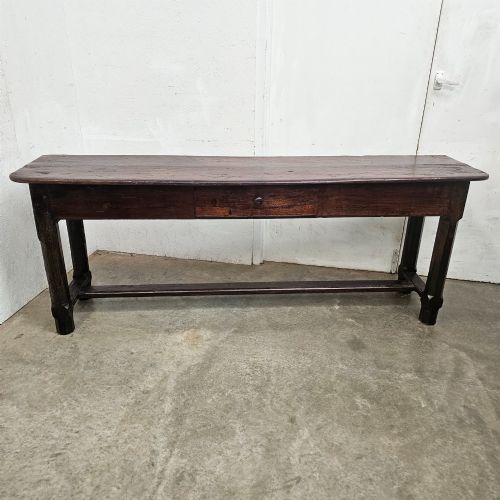
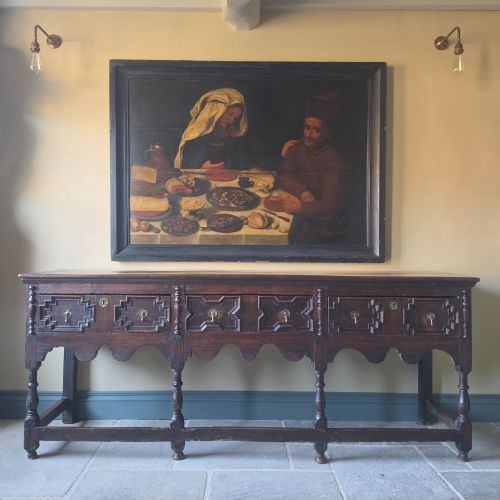
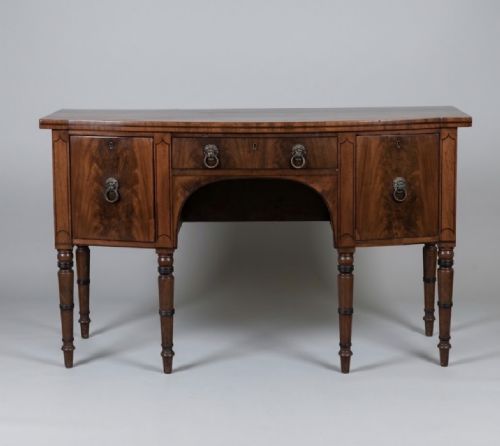
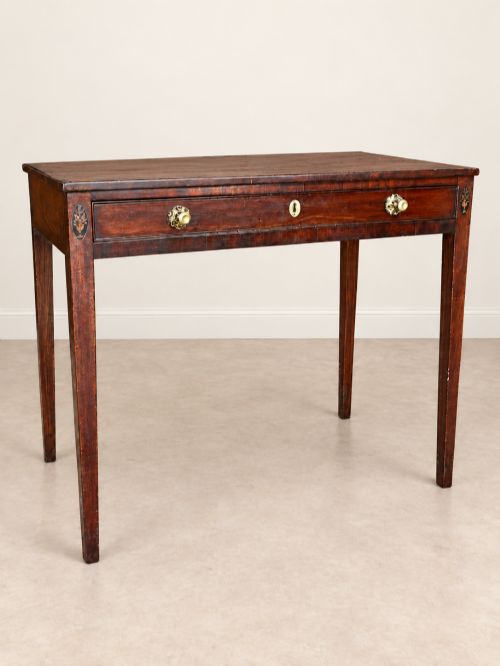
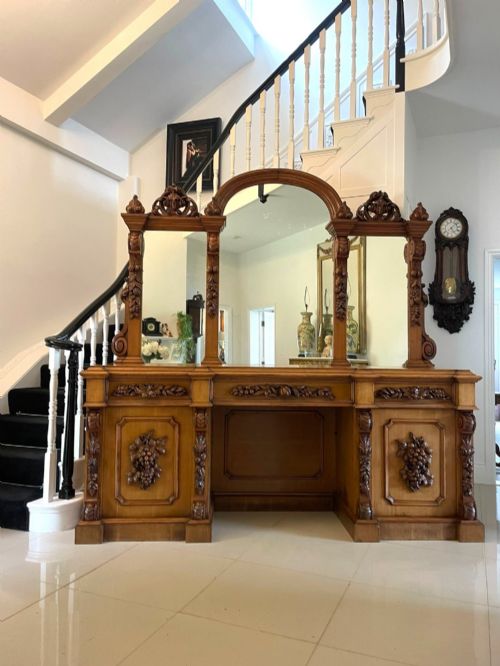
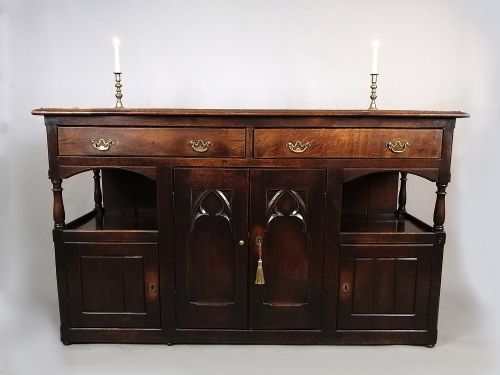
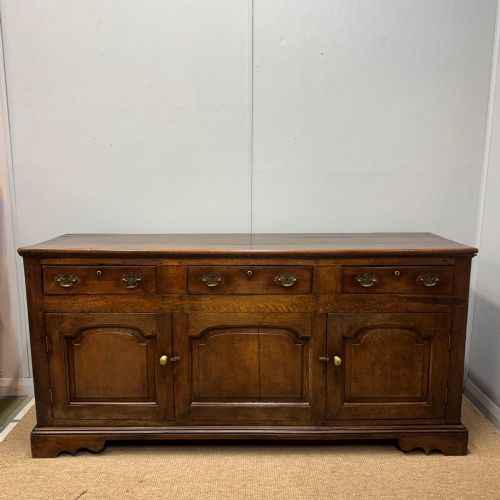
The antique brown server encompasses a variety of serving furniture, most commonly appearing on this page as sideboards, side tables, dressers, buffets, and console tables.
These pieces emerge across several periods, spanning from the eighteenth century through the Georgian and Victorian eras into Edwardian and later twentieth-century styles.
Makers utilised rich timbers to construct functional pieces designed to hold dining ware and serve food during gatherings.
Materials and Technique
Carpenters constructed these items primarily from solid and veneered timbers, selecting oak, mahogany, and walnut for their durability and grain patterns.
Craftsmen enhanced surfaces with boxwood, satinwood, and marquetry inlay, adding decorative detail to drawer fronts and tabletops.
Carved embellishments and brass fittings appear frequently, demonstrating traditional cabinet-making methods of the respective periods.
Listings span multiple eras, featuring eighteenth-century pieces alongside Georgian, Victorian, Edwardian, and 1930s examples.
Craftsmanship and Proportion
The refinement of the timber selection dictates the distinction between standard examples and finer pieces, with figured veneers and rich grain patterns commanding attention.
Joinery execution and the subtlety of carved or inlaid decoration reveal the skill of the original workshop.
Proportion and the preservation of original hardware separate exceptional items from later alterations.
Hewetsons London·Maurice Adams·Ambrose Heal for Heal Son
The Antique Brown Server Glossary
- Dresser base
- A lower cabinet structure originally used in kitchens or dining rooms for food preparation and storage. It often incorporates open potboards or shelves.
- Dumbwaiter
- A tiered serving table fitted with revolving or stationary shelves. It held dishes near the dining table without requiring servants.
- Marquetry
- Decorative veneer work formed by fitting together small pieces of wood or other materials to create pictorial patterns. It appears frequently on cabinet fronts.
- Potboard
- An open lower shelf built into early dressers and side tables. It provided storage for pots and heavy kitchen utensils.
Antique Brown Server: Frequently Asked Questions
What is an antique brown server used for?
These items serve primarily as dining room furniture for holding serving dishes, cutlery, and linens during meals. They provide expansive surface areas alongside functional drawer and cupboard storage.
Historically, they supported the organisation of grand dining spaces and remain practical additions for contemporary homes needing surface and storage capacity.
How do I identify a Georgian server?
Georgian pieces generally exhibit classic proportions, refined mahogany or oak timbers, and restrained decorative carving or inlay. Look for straight or bow-front profiles.
Details such as bracket feet, brass drop handles, and fine cockbeading around drawers further indicate eighteenth or early nineteenth-century origins.
Where should I place a sideboard?
Dining rooms remain the traditional location, positioned against a wall to facilitate serving food and storing tableware close to the dining table.
Alternatively, larger hallways and living spaces accommodate these long cabinets well, providing surface space for lamps and decorative objects.
What is the difference between a sideboard and a buffet?
Sideboards and buffets share similar functions as dining room server units, though terminology varies by period and regional style. Buffets historically leaned towards simpler, robust serving furniture.
In modern cataloguing, the terms often overlap, describing low wooden cabinets equipped with a combination of drawers and cupboards.