



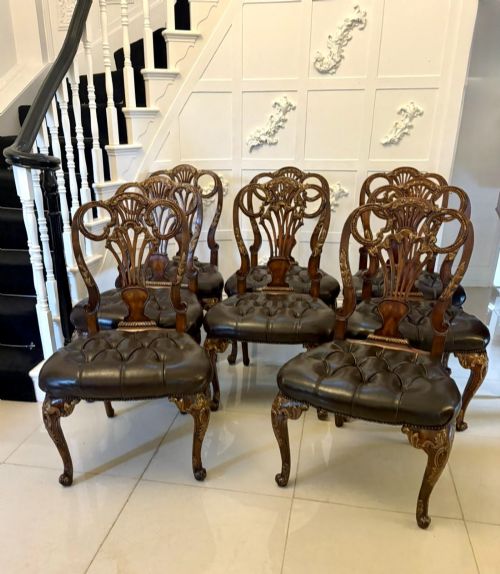
Antique Brown Dining Seats
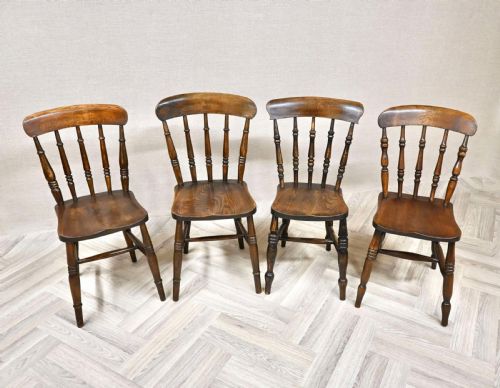
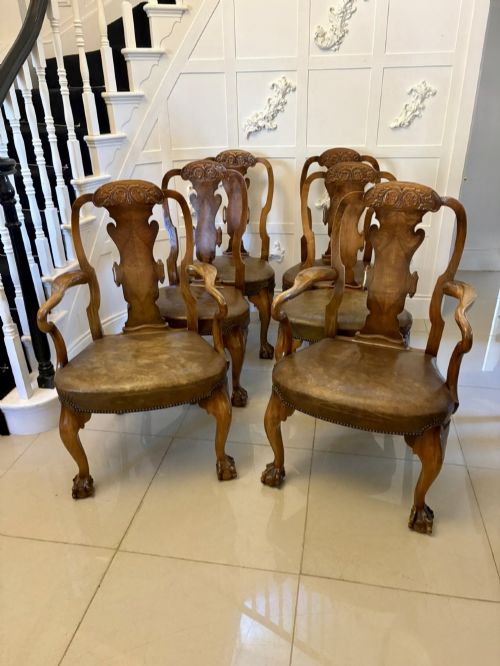
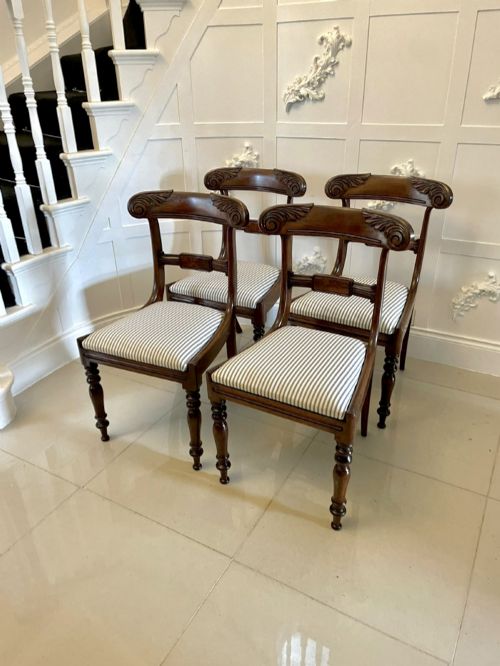
These antique brown dining seats span robust elm country Windsors and formal mahogany Georgian sets, offering rich wood tones that anchor a room.
Antique Brown Dining Seats
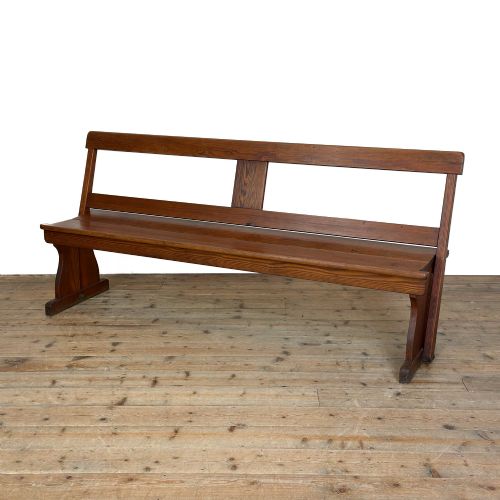
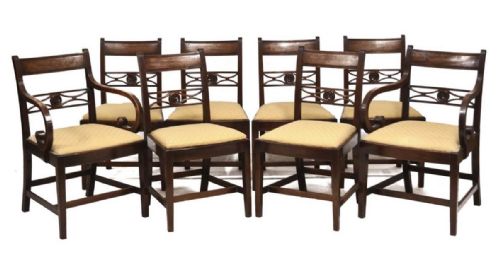
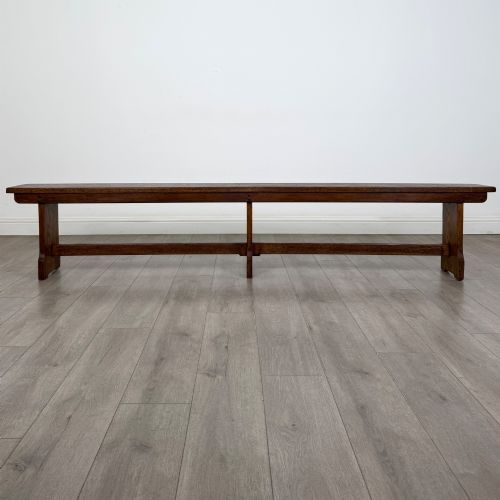
When you examine antique brown dining seats, you encounter diverse forms ranging from single side chairs and carvers to large matched sets and sturdy tavern benches. These pieces emerge from periods including the Georgian, Regency, and Victorian eras, reflecting shifting domestic habits over centuries.
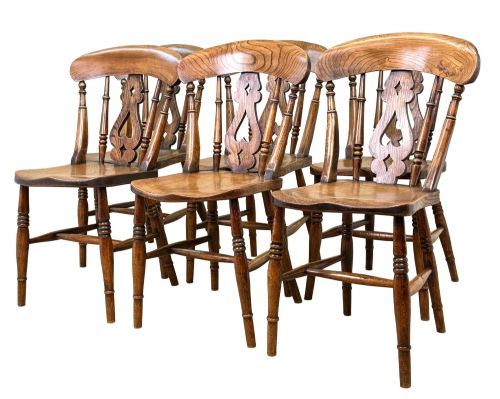
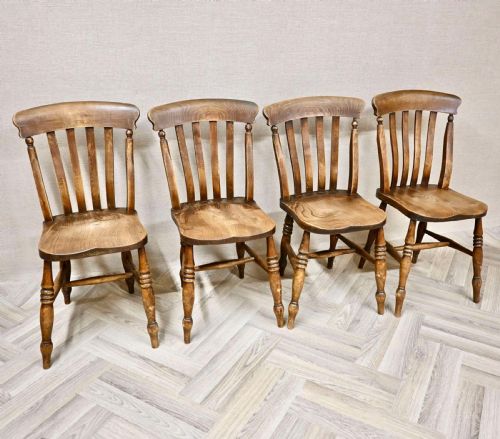
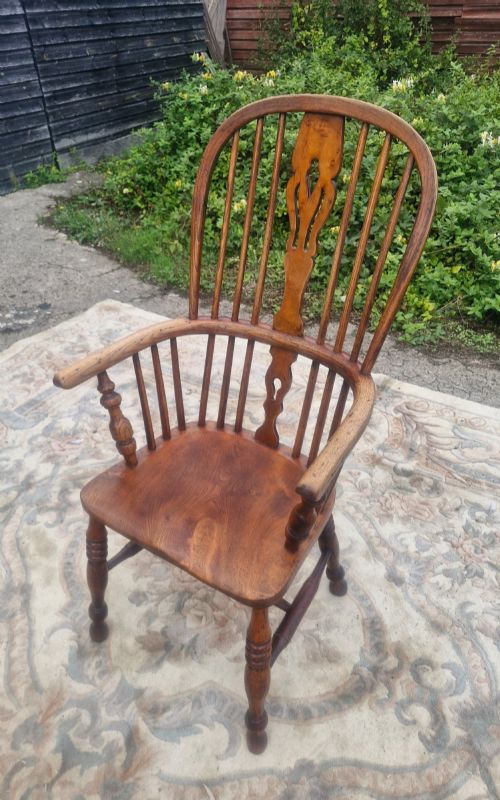
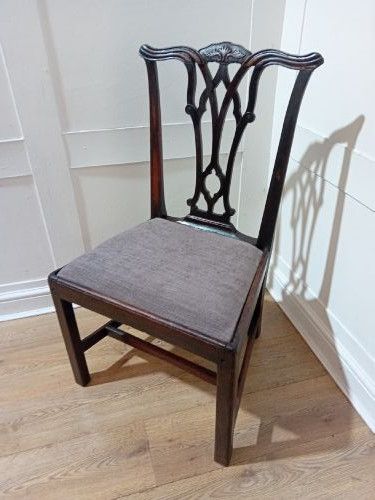
The most frequent variations on this page combine traditional timber frames with functional seating formats like Windsor wheelbacks, balloon backs, and bar backs. Dining chairs and armchairs dominate the selection, shaped by makers working in English country, Chippendale, and Queen Anne styles.
Materials and Construction
Makers utilised dense hardwoods such as mahogany, oak, walnut, and ash for structural durability, often pairing elm or beech seats within country kitchen designs. These timbers were selected for grain pattern and strength, then joined using traditional methods that allow frames to withstand daily use.
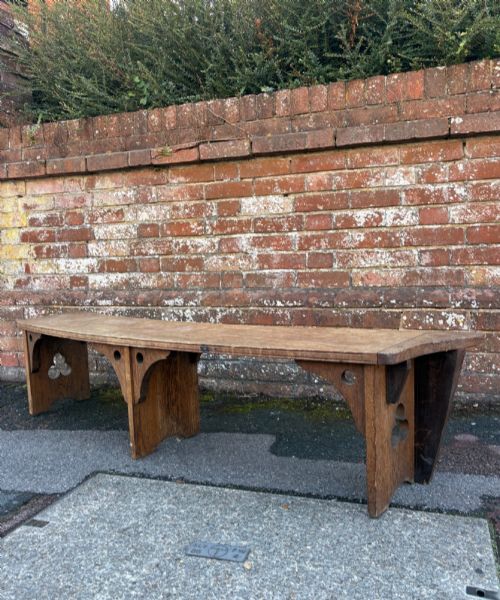
Surface finishes rely on natural patination developed over generations, complemented occasionally by brass hardware or upholstery in leather, fabric, and tapestry. The application of carving, such as trefoil details or gothic arches, demonstrates the handwork involved in shaping the solid wood.
Listings feature 19th-century pieces alongside 18th-century examples, constructed primarily from mahogany, elm, and oak.
Distinction in Craft
The distinction between standard examples and superior ones rests on the crispness of the timber carving and the integrity of the original construction. Pieces with deep, rich patination and cohesive grain structures show greater refinement than those assembled from mismatched parts.
Complete sets maintain higher consistency in proportion and timber selection across every chair, whereas smaller pairs or assembled groups display wider variations in hue and wear. The depth of historical surface character separates everyday utility items from more ambitious parlour and dining room pieces.
Warings
The Antique Brown Dining Seats Glossary
- Carver
- An armchair designed with elbow supports, typically placed at the head of a dining table to match surrounding single chairs.
- Wheelback
- A Windsor chair style featuring a pierced central splat shaped like the spokes and rim of a cartwheel.
- Bar back
- A chair design incorporating a horizontal wooden crossrail across the upper backrest, often curved for lumbar support.
- Patina
- The deep, lustrous surface sheen developed on timber through decades of handling, polishing, and exposure to light.
- Spindle back
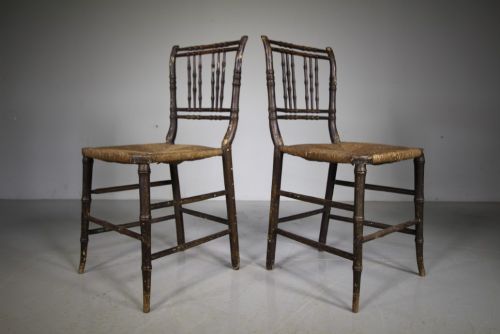
- A chair back constructed from multiple slender turned vertical wooden rods set between horizontal rails.
Antique Brown Dining Seats: Frequently Asked Questions
How do I date antique brown dining seats?
Dating relies on examining the timber species, construction joinery, and stylistic motifs present in the frame. Early pieces often display hand-cut joinery and native hardwoods like elm and oak, while later Victorian examples utilise machine assistance and darker walnut finishes.
Comparing the specific chair back design, such as a balloon back or a Chippendale-style splat, against established period timelines helps narrow the decade of manufacture. Consulting the listed period alongside the timber characteristics provides the clearest guide.
Can I mix different styles of antique dining chairs?
Combining different chair styles around a single table is a traditional approach that adds visual depth to a dining room. Pairing country elm Windsors with formal mahogany side chairs creates a collected, historical interior rather than a uniform showroom look.
To maintain balance when mixing styles, keep the wood tones or seat heights similar so the seating arrangement feels intentional. Armchairs work particularly well placed at opposite ends of the table to anchor contrasting side chairs.
What is the difference between a side chair and an armchair?
A side chair is built without armrests, designed to slide neatly beneath a dining table and save space. These make up the majority of standard dining sets.
An armchair, sometimes called a carver or elbow chair, includes wooden supports for the arms and sits wider than a side chair. These were traditionally reserved for the head of the household and provide a more enclosed seating position.