

Antique Bronze Table Ornament
An antique bronze table ornament brings character to a surface through cast metal sculpture, animal figures, and decorative vessels.
Antique Bronze Table Ornament
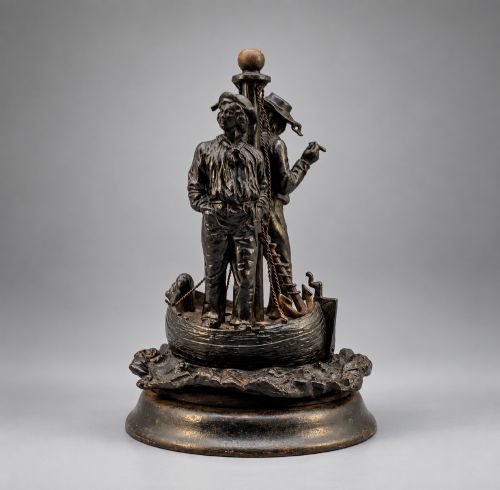
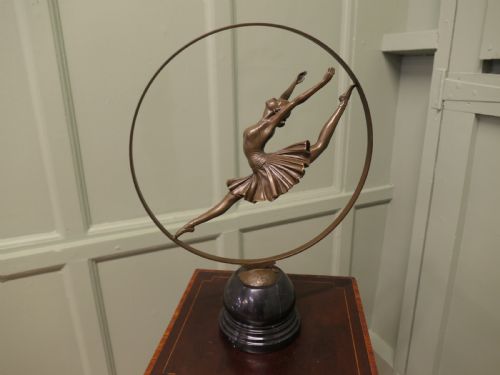
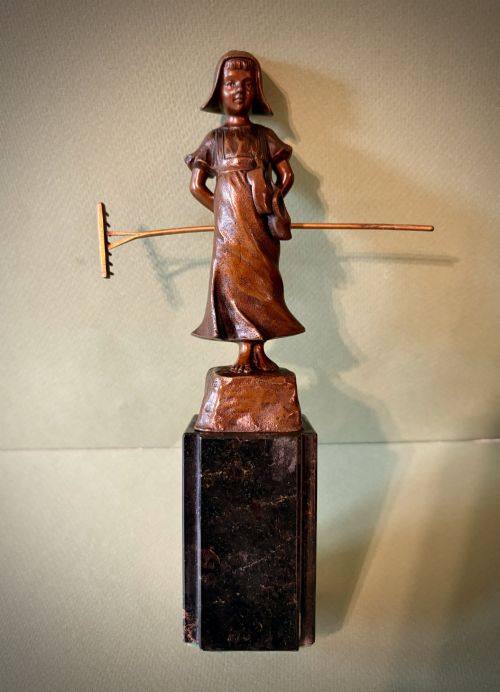
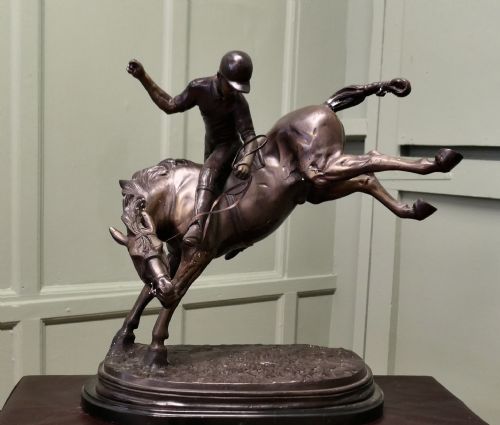
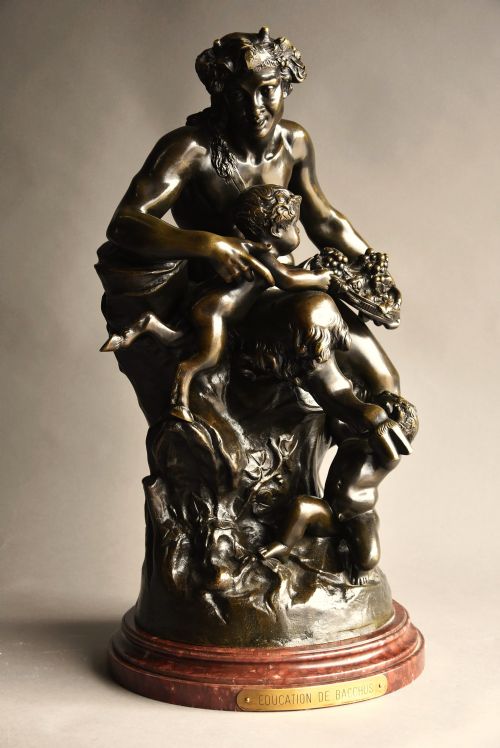
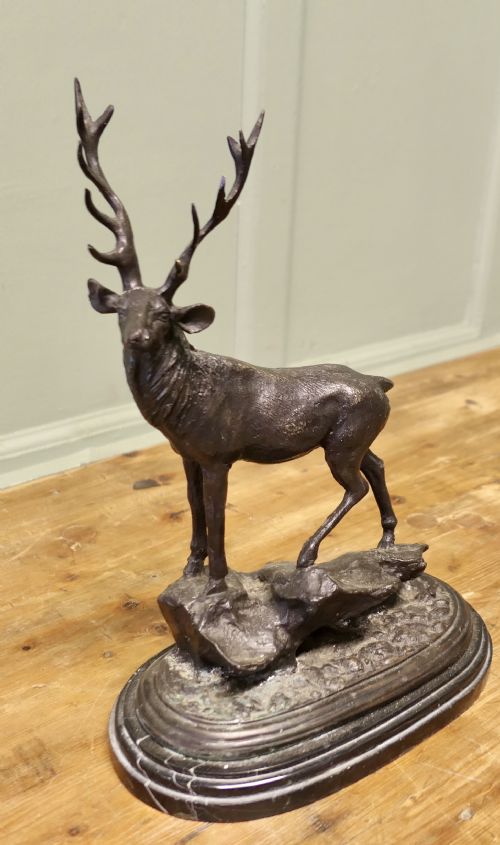
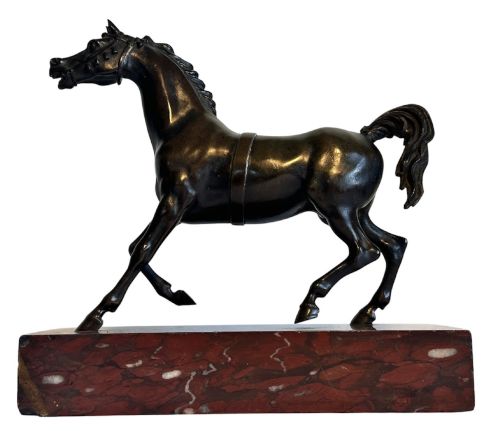
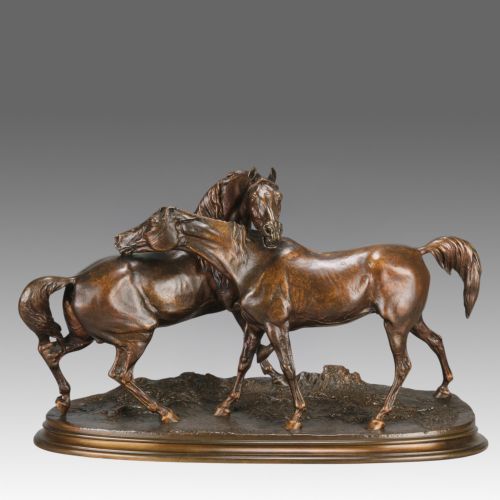
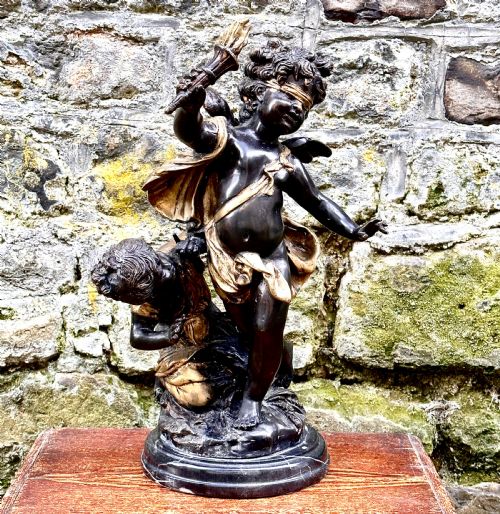
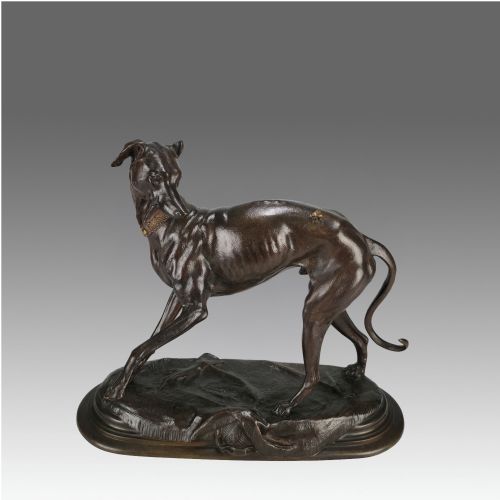
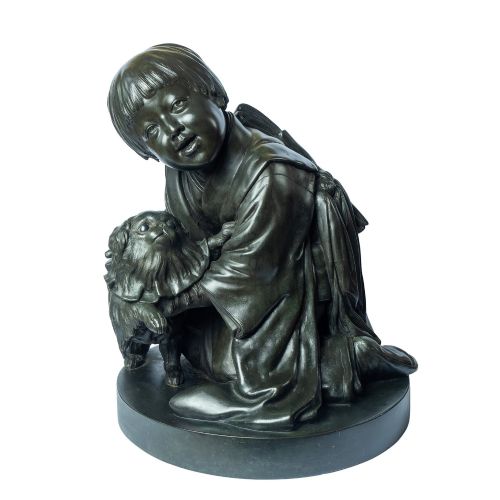
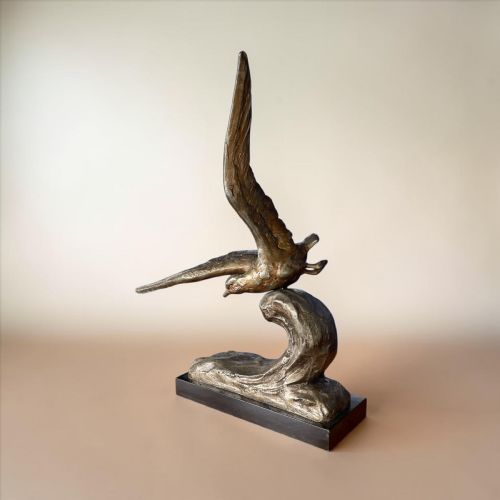
An antique bronze table ornament spans figural sculptures, animalier studies of dogs and horses, and decorative vessels placed upon furniture surfaces. These pieces emerge predominantly from nineteenth-century France and Austria alongside twentieth-century Art Deco studios, capturing subjects from classical mythology to sporting dogs.
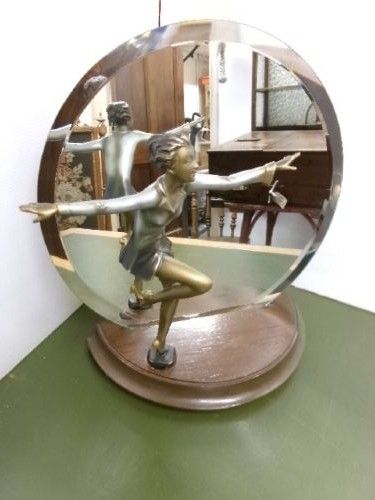
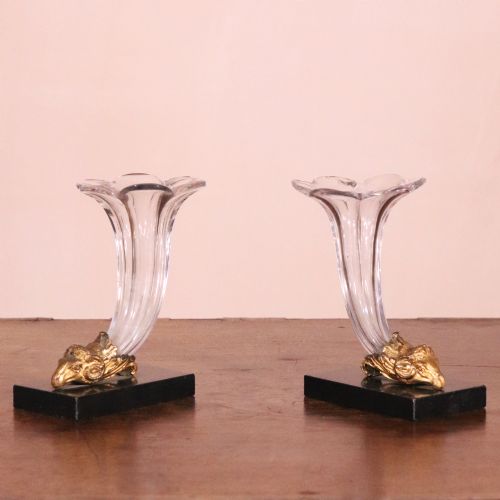
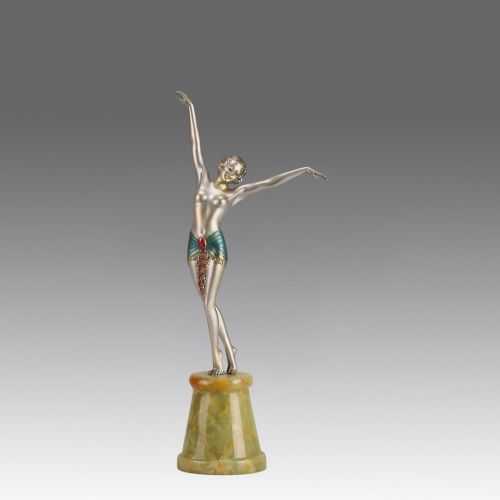
The version most commonly met on this page is a cabinet bronze or spelter figure set upon a marble or onyx base, often depicting dancers, birds, or hounds. Alongside these stand pairs of ewers, cornucopias, and small architectural casts suited for a desk or mantelpiece.
Materials and Techniques
The primary metal is cast bronze, alongside substitute alloys such as spelter which received cold-painted or patinated finishes. Makers often mounted these metal figures onto heavy bases of marble, onyx, alabaster, or wood to provide stability.
Details were achieved through lost-wax casting, cold-painting, and champlevé enamel work. Secondary materials like glass, mahogany, and gilt bronze appear in pairs of decorative vases and novelty desk clocks.
Listings feature periods from the nineteenth century through the Art Deco era, utilising bronze, spelter, marble, and champlevé enamel.
Standards of Execution
The choice of base material and the integration between figure and plinth signal the workshop's ambition. Dense marble and multi-metal inlay distinguish high-grade productions from simpler cast ornaments.
Josef Lorenzl·P J Mêne·Alfred Barye·Franz Bergman·Edith Parsons·Masaaki
The Antique Bronze Table Ornament Glossary
- Animalier
- A nineteenth-century artistic movement focused on the realistic depiction of animals, particularly horses, hounds, and wild beasts. Figures in this style capture musculature and movement with precision.
- Spelter
- A zinc alloy used as a less costly alternative to bronze for decorative figures. It is frequently patinated to resemble bronze and mounted on stone bases.
- Cold-painted
- A method where paint is applied to a bronze object without being fired in a kiln. This technique is characteristic of Austrian cabinet bronzes and delicate figural ornaments.
- Champlevé
- An enamelling technique where troughs are carved into the metal surface and filled with vitreous enamel powder before firing. This process creates rich coloured decoration on clock cases and decorative items.
- Grand Tour
- Souvenirs collected by travellers visiting classical sites in Italy and Europe during the nineteenth century. These small bronzes replicate ancient sculptures and architectural monuments.
Antique Bronze Table Ornament: Frequently Asked Questions
What is an antique bronze table ornament?
An antique bronze table ornament is a small-scale sculpture, animal figure, or decorative vessel designed for display on a desk, mantelpiece, or centre table. These pieces range from nineteenth-century animalier hounds to Art Deco dancers mounted on marble.
They reflect the prevailing artistic tastes of their period, combining metal casting with materials like marble, onyx, and glass to adorn domestic interiors.
How do I clean antique bronze?
Antique bronze should be dusted gently with a soft brush and left unwashed to preserve the original patination built up over decades. Avoid harsh chemical cleaners, polishes, or water which can strip the aged surface finish.
If the metal requires attention, consult a specialist conservator rather than attempting to restore the patina yourself.
How do I tell bronze from spelter?
Bronze is heavier, denser, and generally cooler to the touch than spelter, with a durable patinated surface that resists flaking. Spelter is a softer zinc alloy that often shows grey metal beneath worn paint or chips.
Looking underneath the base or examining areas of wear will usually reveal the underlying metal composition.
Where were these ornaments placed?
These decorative objects were traditionally displayed on centre tables, writing desks, mantelpieces, and sideboards in nineteenth and early twentieth-century homes. Their scale allowed them to sit comfortably among books, clocks, and writing implements.
Pair arrangements often stood symmetrically on either side of a fireplace or at opposite ends of a long sideboard.