

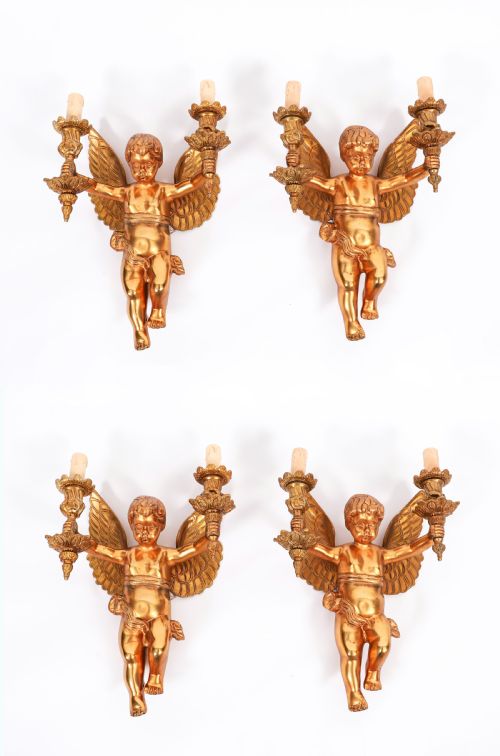

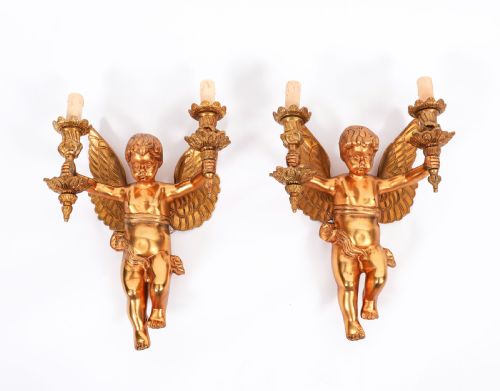


Antique Bronze Putti Light
These antique bronze putti light fixtures combine figural charm with functional illumination, bringing nineteenth-century French and Italian craftsmanship into domestic spaces.
Antique Bronze Putti Light
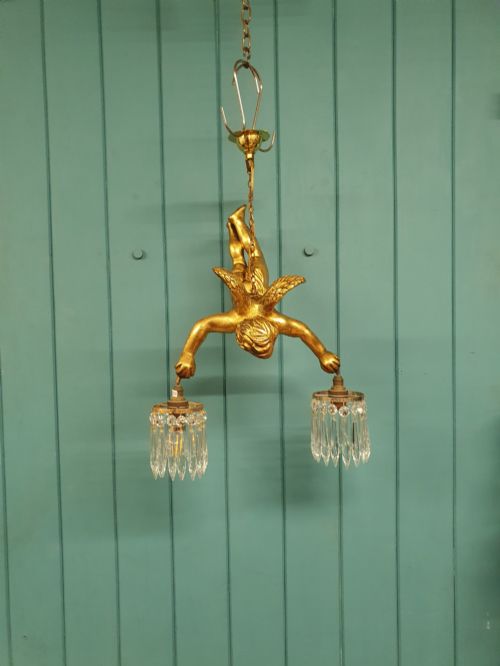
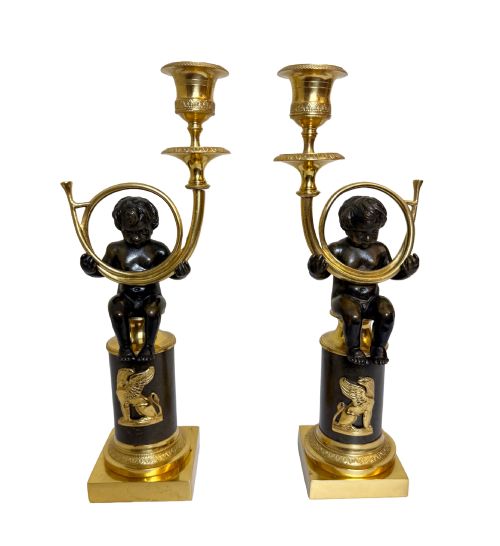
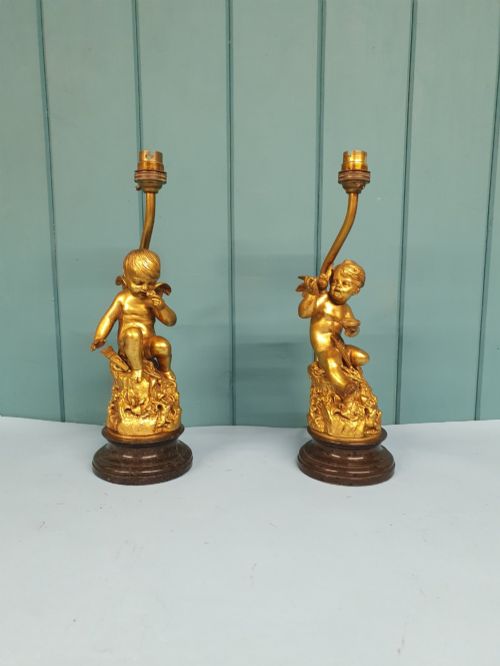
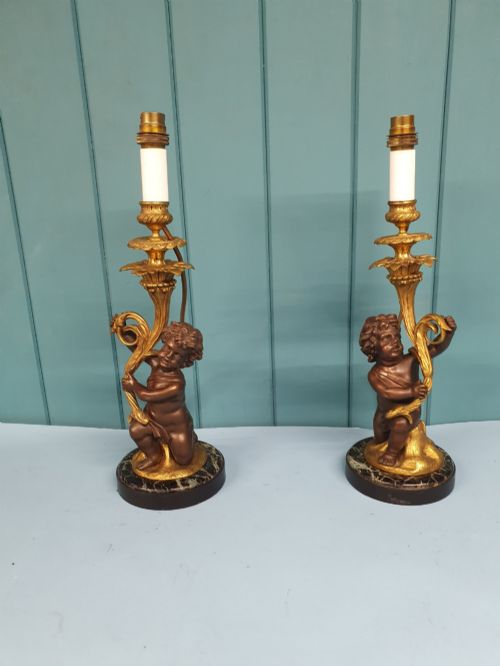
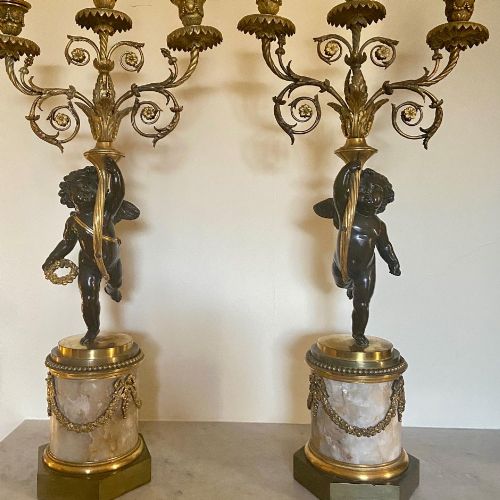
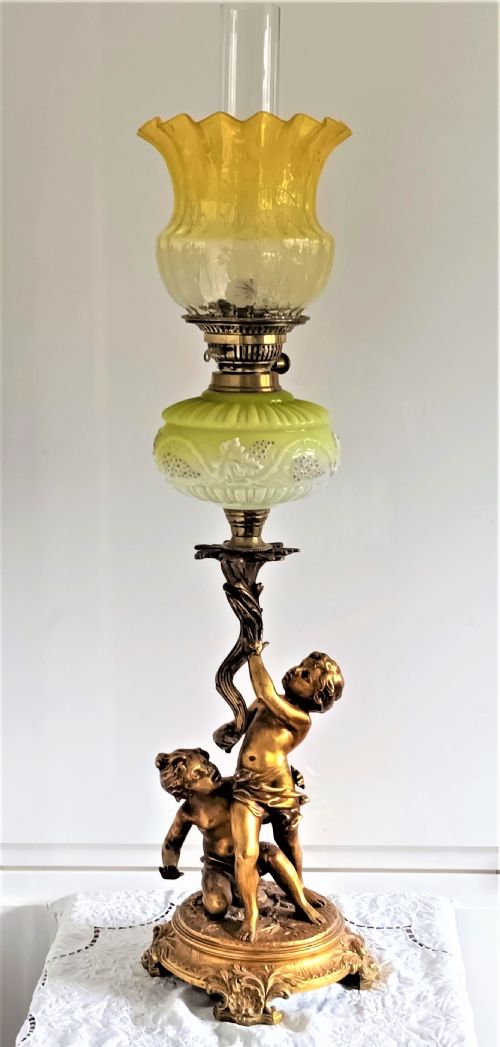
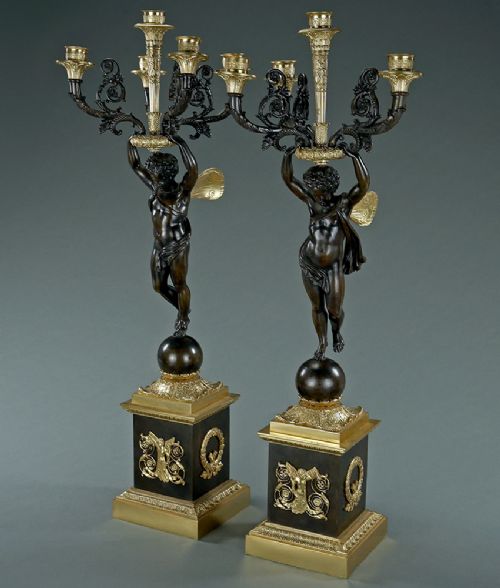
When you search for an antique bronze putti light, you encounter figural lighting fixtures dominated by winged cherubs, cupids, and putti in various configurations. The selection spans paired candelabra, table lamps, wall sconces, and chandeliers originating primarily from nineteenth-century France and Italy.
You are most likely to meet paired gilt bronze or ormolu candlesticks and table lamps mounted on marble bases. These pieces frequently reflect Rococo Revival, Louis XVI, and Empire styles, capturing theatrical nineteenth-century design through cast metal figures holding branches, horns, or torchères.
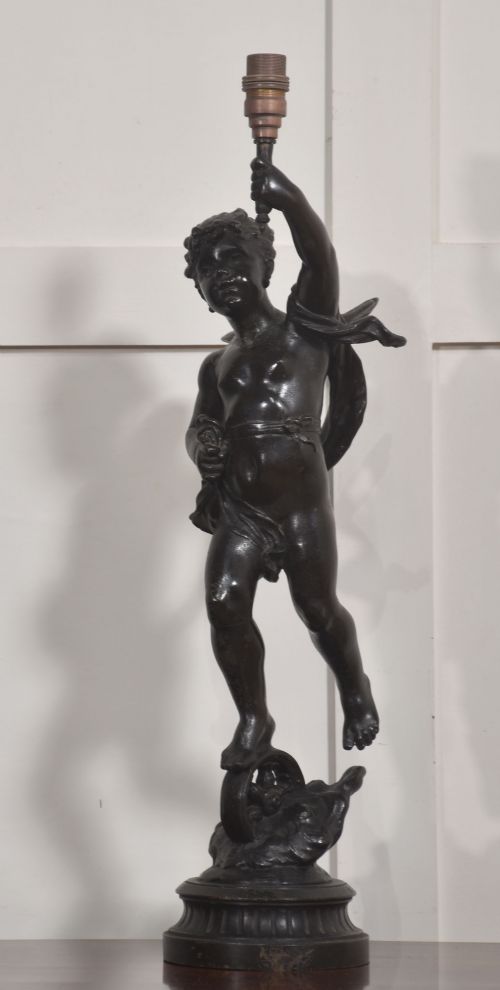
The objects encompass both dedicated lighting and converted statuettes or vases adapted for electricity during later decades. Smaller wall lights and larger multi-branched chandeliers also appear, showing how versatile the cherub motif proved for domestic illumination across the Victorian and Edwardian eras.
How they were made
Maker's workshops cast these figures using traditional bronze and brass techniques, frequently applying a fine layer of ormolu or surface gilding to highlight the metallic contours. Patinated bronze variants provide a darker, more tactile finish that contrasts with polished gilt elements.
Many heavy figural bases incorporate natural marble plinths, which anchor the metal components and provide structural stability. Secondary materials such as cut glass crystals, porcelain flowers, enamel details, and fabric elements appear on specific candelabra and chandelier variations.
Cherubs occasionally sport porcelain flowers behind their wings.
What varies in quality
The refinement of the metal-chasing separates standard production from exceptional examples, as skilled artisans spent hours hand-finishing feather details on wings and facial expressions on the putti. Crisp casting lines and deeply defined musculature indicate superior workshop standards.
The integration of materials dictates the overall harmony of the piece, particularly where bronze meets marble bases or where multi-branch arms attach to the central column. Substantial weight, balanced proportions, and integrated mounting hardware distinguish finer nineteenth-century commissions from lighter subsequent adaptations.
Francois Redmond·Claude Clodion·Aug. Moreau
The Antique Bronze Putti Light Glossary
- Putti
- Plural of putto, representing plump, winged male infants derived from classical art. They populate French and Italian revival lighting as decorative figural supports.
- Ormolu
- Gilt bronze produced by applying a finely ground high-carat gold mercury amalgam to a bronze object. This historic technique creates a warm, enduring golden surface finish.
- Candelabra
- Branched lighting fixtures designed to hold multiple candles simultaneously. Many examples in this category feature removable candle nozzles.
- Torchère
- A freestanding or wall-mounted stand designed to carry a light source. In this context, they describe lamps where the putto figure holds aloft the main lighting stem.
- Spelter
- An alloy of zinc and lead used as a cost-effective substitute for bronze. Spelter figures are lighter than bronze and often bear painted patination.
Antique Bronze Putti Light: Frequently Asked Questions
Were these always electric lamps?
Most of these fixtures began life as candle holders or oil lamps before being converted to electricity during the twentieth century. Some items started as bronze statuettes and were subsequently adapted into lamp bases.
Original candelabra retain their socket nozzles, while converted pieces often feature wiring threaded through the original central column or figure.
How do I clean gilt bronze?
Gilt bronze and ormolu require gentle dusting with a soft, dry cloth to prevent accumulation in the crevices of the cast figures. Avoid harsh chemical cleaners or abrasive polishes, which strip the thin gold surface layer.
Professional conservation advice is recommended for pieces showing tarnish or structural grime, particularly where marble or fabric elements join the metal.
How do I date these pieces?
Dating relies on stylistic clues, casting quality, and the materials used in the base construction, such as specific types of marble and turned mounts. Nineteenth-century pieces frequently display French Rococo Revival or Louis XVI revival characteristics.
Examining the wiring, fixings, and screw threads provides additional evidence regarding whether a piece dates to the mid-nineteenth century or a later revival period.