




Antique Bronze Panel
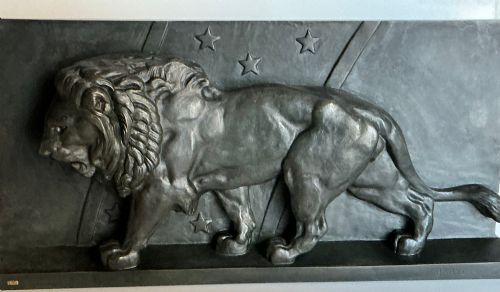
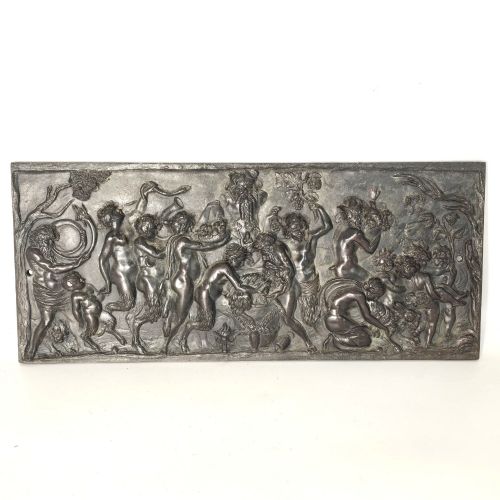
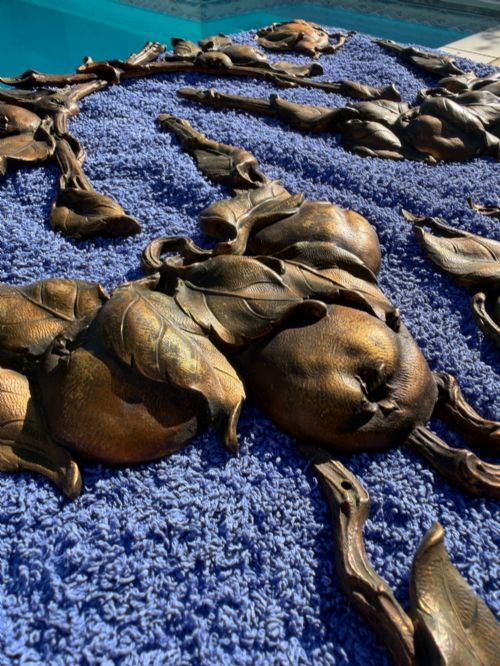
An antique bronze panel brings tactile metallic depth to a wall or furniture face, turning plain surfaces into intricate sculptural displays.
Antique Bronze Panel
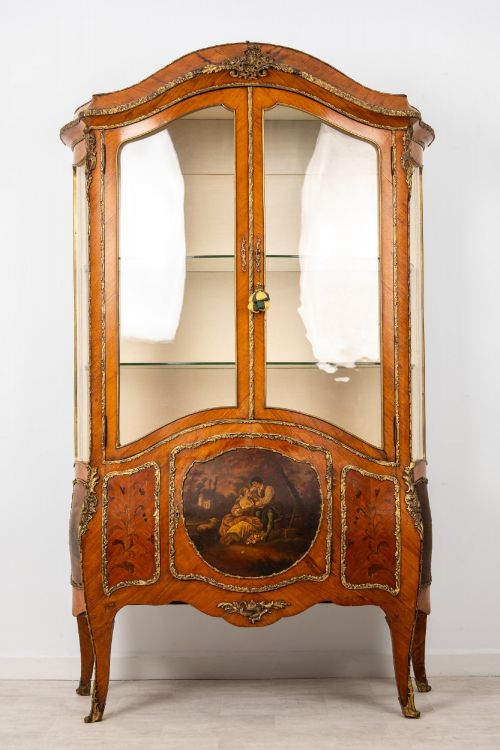
When you search for an antique bronze panel, you encounter cast and chased metalwork originating predominantly from the nineteenth century, alongside earlier Ming dynasty vessels and twentieth-century modernist architectural screens. These pieces frequently manifest as architectural salvage, wall art, or decorative plaques integrated into French clocks, vitrines, and display cabinets.
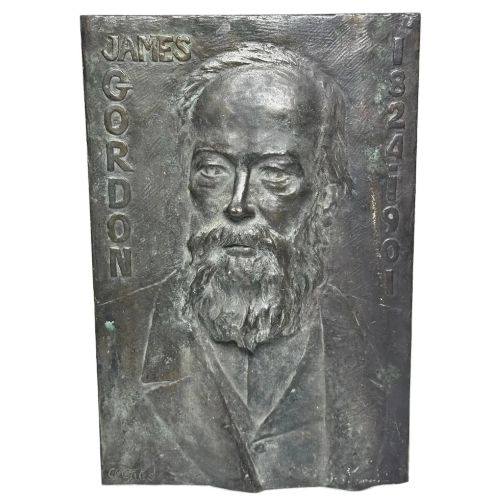
The nineteenth-century French pieces dominate the selection, heavily influenced by Rococo revival tastes and Second Empire grandeur. You also find portrait reliefs, heraldic markers, and specialised plaques depicting classical figures or armorial bearings.
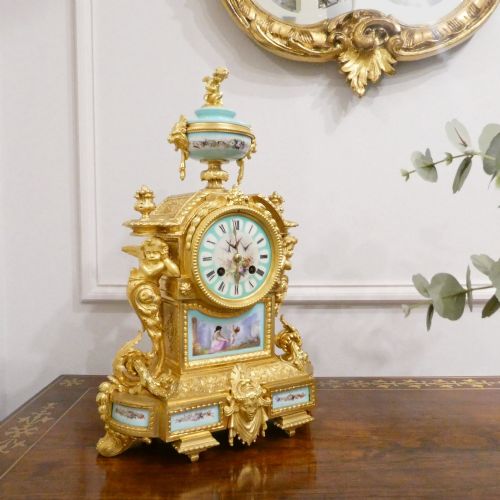
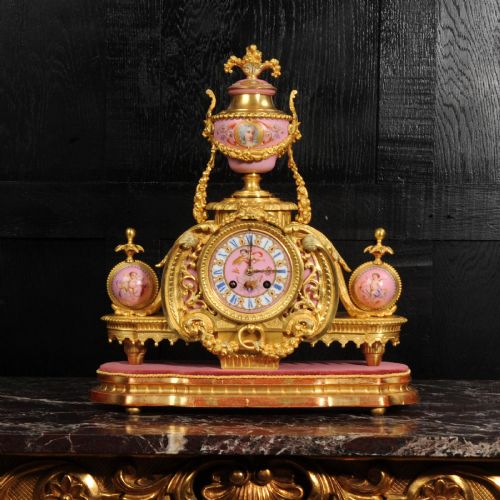
On this page, the form often appears as a furniture mount, a clock panel, or a standalone relief plaque designed for wall hanging. Each iteration demonstrates how metalworkers embedded sculptural relief into domestic and architectural spaces.
What varies in quality
The crispness of the chasing separates standard castings from exceptional examples, as sharper toolwork preserves the subtle expressions on portrait plaques and the fine edges of foliate scrolls. Finer pieces retain their original mercury gilding or patination without heavy rubbing or inappropriate cleaning.
Integration defines the merit of mounted pieces, where high-tier cabinets and clocks feature cast mounts that align precisely with the contours of the timber or marble beneath. Lesser examples display awkward alignment or crude secondary fixings that disrupt the harmony of the design.
Antique Bronze Panel Retail Price Guide 2026
Typical asking prices for bronze panel among the pieces listed under this phrase on Sellingantiques today, from the lower quarter to the upper quarter. They describe what is for sale here now, not the wider market.
Diana the huntress occasionally pauses her chase to adorn nineteenth-century copper walls.
Poix Blin·Achille Brocot·Raymond Subes·Eugene Canneel·Japy Frères·Henri Jacot·JP Delettrez
The Antique Bronze Panel Glossary
- Ormolu
- Gilt bronze produced by applying a mercury and gold amalgam to a bronze base and heating it until the mercury evaporates. This technique creates a durable, luminous golden finish common on nineteenth-century French clocks and furniture mounts.
- Chasing
- The hand-tooling of metal surfaces with punches and hammers after casting to sharpen details and add texture. Master chasers defined the depth of relief panels.
- Vernis Martin
- A simulated Japanese lacquer developed in France, often seen on the painted panels of cabinets framing gilt bronze mounts. It allowed eighteenth- and nineteenth-century cabinetmakers to produce glossy, colourful decorative surfaces.
- Relief
- Sculpture where figures or designs project from a flat background. These panels utilise high, low, or sunken relief to create perspective and depth within the metal.
- Vitrine
- A glass-fronted display cabinet designed to showcase porcelain, silver, and smaller decorative objects. These often incorporate bronze panels and ormolu mounts along their glazed doors and bases.
Antique Bronze Panel: Frequently Asked Questions
How do I hang a bronze panel safely?
Heavy cast metal panels require secure wall anchors fixed directly into masonry or sturdy timber studs rather than standard plasterboard hooks. Ensure the mounting brackets match the weight and rear fixing points of the specific piece.
Position the panel at eye level where natural or directional lighting can catch the cast details and patination of the bronze surface.
How should I clean antique bronze?
Dust the surface gently with a soft, dry brush to remove particulate matter that settles into recessed areas of the relief. Avoid chemical dips, metal polishes, and abrasive cloths that strip away the historical patination or original gilding.
Leave established oxidation undisturbed, as this dark layer highlights the depth and age of the cast design.
Were these panels made for walls or furniture?
Makers produced bronze panels for both purposes, creating standalone plaques intended for wall display alongside furniture mounts designed specifically for cabinets and clocks. Many architectural fragments originated as exterior or interior metalwork salvaged from buildings.
Examine the reverse side and mounting holes to determine whether a panel was meant to be viewed from all angles or attached flush to a wooden carcass.
How do I distinguish nineteenth-century bronze from older work?
Nineteenth-century revival pieces often display machine-assisted finishing beneath the hand-chasing, combined with standardised screw threads and mounting fixtures. Earlier works, such as Ming dynasty censers or eighteenth-century castings, reveal different foundry practices and alloy compositions.
Compare the style of the relief figures and lettering against documented period examples to establish a reliable timeframe for the casting.