


Antique Bronze Hand
An antique bronze hand brings tangible human presence into a room, taking the form of finely cast door knockers, desk items and sculptural models.
Antique Bronze Hand
When searching for an antique bronze hand, buyers encounter tactile objects ranging from architectural door knockers to Grand Tour anatomical models and personal accessories.
The version most commonly met on this page is the 19th-century cast bronze hand utilised as a functional door knocker or incorporated into decorative mirrors and picture frames.
These pieces emerge from diverse traditions, including English utilitarian door hardware and Italian Grand Tour bronze models depicting a child's hand or forearm.
Materials and methods
Craftsmen produced these pieces primarily through traditional metal casting techniques, utilising bronze, brass and gilt metal to achieve durable and expressive results.
Surface finishes vary from natural patinated bronze to bright fire-gilded ormolu, depending on the intended decorative function of the item.
Antique Bronze Hand Retail Price Guide 2026
Typical asking prices for bronze hand among the pieces listed under this phrase on Sellingantiques today, from the lower quarter to the upper quarter. They describe what is for sale here now, not the wider market.
A solitary cast hand lingers ready to knock upon a door or hold a mirror, bridging centuries of human touch.
Assessing the craftsmanship
Quality rests upon the crispness of the initial cast, where superior examples retain subtle anatomical details in the knuckles, fingernails and skin creases.
The weight of the metal and the precision of any finishing chisel work separate utilitarian hardware from finer decorative bronzes.
Japy Freres
The Antique Bronze Hand Glossary
- Ormolu
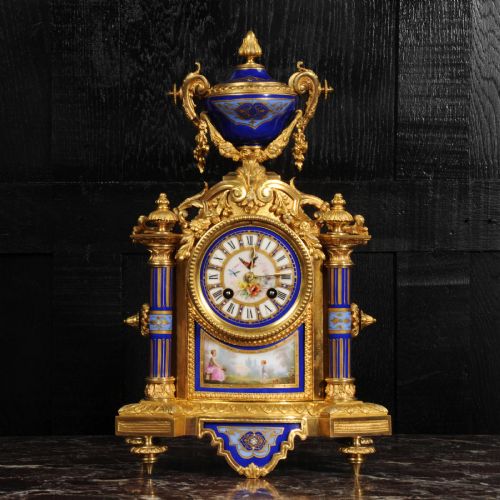
- Gilt bronze, where a finely ground gold-mercury amalgam is applied to a bronze base and heated to drive off the mercury.
- Grand Tour
- A cultural journey undertaken by wealthy young Europeans in the 18th and 19th centuries, bringing home souvenirs such as small bronzes.
- Patina
- The natural surface sheen developed on bronze over time through oxidation, handling and exposure to the environment.
- Champlevé
- An enamelling technique where troughs are dug into the metal surface and filled with vitreous enamel before firing.
Antique Bronze Hand: Frequently Asked Questions
What were antique bronze hands used for?
These objects served various practical and decorative roles in historic interiors, functioning as heavy door knockers, mirror frames or desk ornaments.
Some pieces also derived from educational or souvenir contexts, reflecting the 19th-century fascination with anatomical study and classical sculpture.
How do I style an antique hand at home?
A bronze hand works effectively as a striking focal point when mounted directly onto a wooden door or displayed on a desk as a paperweight.
Smaller examples pair well with other cabinet curiosities, allowing the metallic texture to contrast against wood or fabric surfaces.
Are these pieces solid bronze?
Most items described in the evidence are cast in solid bronze or brass, though some incorporate related metals like gilt copper alloys or iron.
Substantial weight is typically a reliable indicator of solid metal construction rather than hollow plating.
How do I identify the age of a bronze hand?
Dating relies on the casting method, surface wear and stylistic cues connecting the piece to 19th-century revival aesthetics or earlier traditions.
Examining the attachment points, fixing screws and the depth of the metal patina helps distinguish Victorian items from later reproductions.