






Antique Bronze Candle Sticks
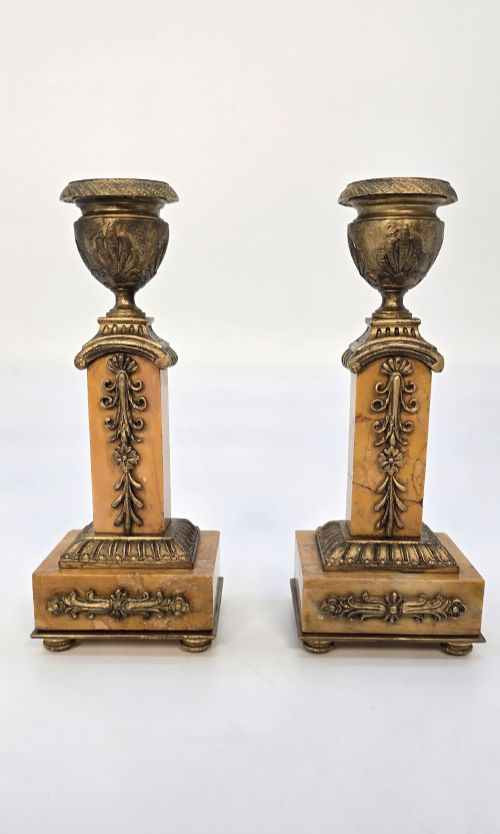
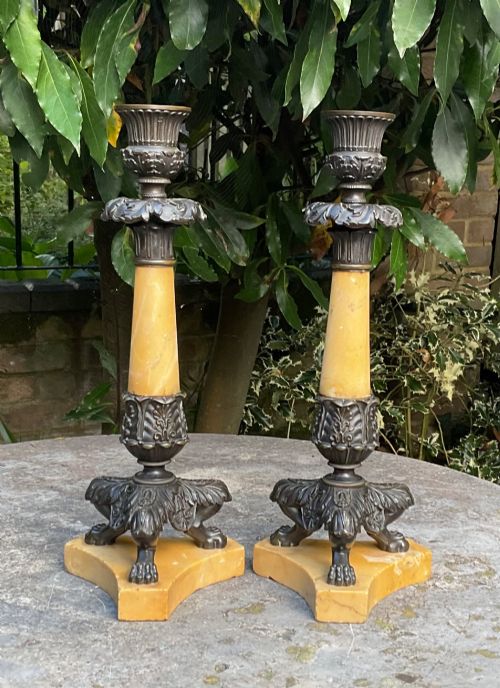
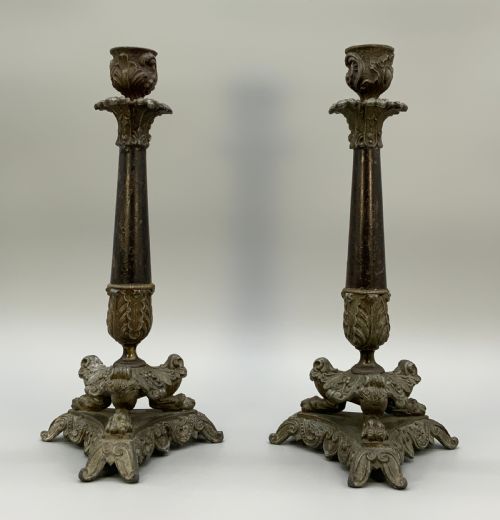
Antique bronze candle sticks illuminate rooms with heavy metal weight and patinated surfaces from the eighteenth, nineteenth, and early twentieth centuries.
Antique Bronze Candle Sticks
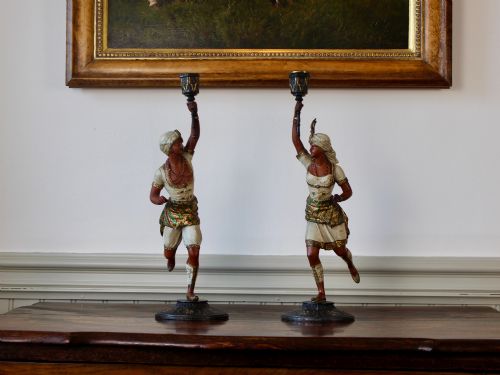
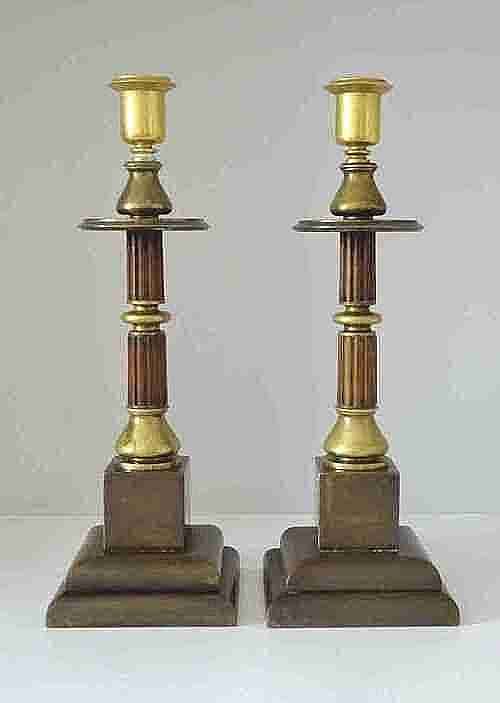
When you search for antique bronze candle sticks, you encounter varied lighting fixtures spanning the eighteenth, nineteenth, and early twentieth centuries. The selection includes paired candlesticks, larger multi-light candelabras, garniture sets, chamber sticks, and cylindrical drum candleholders.
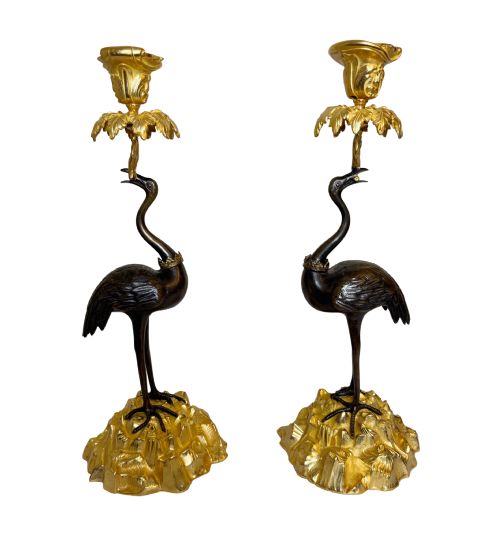
Most pieces appearing here originate from French workshops, British Regency makers, and Italian centres, alongside Japanese metalwork. These items served both practical domestic illumination and decorative display upon mantelpieces and tables.
How they were made
Foundry workers cast these objects using bronze, brass, or spelter, often applying gilt finishes, ormolu, or cold-painted details to the metal surfaces. Many examples incorporate contrasting materials such as white or green marble bases, cloisonné enamel, micro mosaics, and glass eyes.
Manufacturers employed techniques like chasing and fire-gilding to create crisp surface ornament, ranging from classical motifs and cherubs to orientalist dragon designs and flamingo figures.
Antique Bronze Candle Sticks Retail Price Guide 2026
Typical asking prices for bronze candle sticks among the pieces listed under this phrase on Sellingantiques today, from the lower quarter to the upper quarter. They describe what is for sale here now, not the wider market.
Several bronze dogs stare back with glass eyes, guarding the dining table against wandering ghosts of the Victorian parlour.
What varies in quality
The degree of crispness in the metal chasing separates standard production from finer work, as sharper cast details indicate superior initial workmanship. Heavier gauge metal and the integration of substantial marble plinths or genuine ormolu rather than simple paint contribute to overall solidity.
Artistic cohesion within matched pairs, alongside the complexity of decorative motifs like figural animals or intricate micro mosaic inlays, dictates the standing of individual examples.
Ferdinand Barbedienne
The Antique Bronze Candle Sticks Glossary
- Ormolu
- Gilded bronze produced by applying a mercury and gold amalgam to the metal surface before firing. This technique creates a rich golden finish characteristic of French decorative objects.
- Patinated bronze
- Metal treated to develop a darkened or coloured surface finish through chemical processes. It offers a muted tone distinct from bright polished metal.
- Candelabra
- A branched lighting fixture designed to hold multiple candles simultaneously. These pieces often match smaller single candlesticks within larger garniture sets.
- Chamber stick
- A low candlestick fitted with a handle and a shallow pan to catch dripping wax. People utilised these portable designs for carrying light through dark corridors.
- Pricket candlestick
- A metal spike design that holds a candle by impaling the base of the wax. This form appears frequently in ecclesiastical and Japanese export items.
Antique Bronze Candle Sticks: Frequently Asked Questions
How do I clean antique bronze candle sticks?
Dust surfaces gently with a soft dry brush to remove everyday accumulation without disturbing the historic patination. Avoid harsh metal polishes that strip away original gilding or older bronze finishes.
Keep pieces away from direct moisture and chemical sprays to preserve vulnerable elements like marble bases, enamel sections, and micro mosaic inlays.
Were these candle sticks used daily?
Many examples served practical lighting needs in homes before the widespread adoption of gas and electric illumination. Chamber sticks specifically travelled from room to room with their owners.
Other grander gilt pieces functioned primarily as decorative garniture set items on formal mantelpieces rather than active light sources.
How can I tell the period?
Examine the stylistic vocabulary, such as Regency classical lines, French Empire motifs, or later Art Deco geometric shapes. Manufacturing techniques and material combinations also shift noticeably between eighteenth-century Venetian work and late nineteenth-century French output.
Weight, casting methods, and the presence of specific decorative details like enamel or glass eyes help narrow down the decade of production.
What is the difference between bronze and spelter?
Bronze is a heavy alloy of copper and tin that takes fine detail during casting and develops a stable historic patina. Spelter is a cheaper zinc-based white metal alloy used as a substitute.
Spelter feels lighter in the hand and requires surface paint or bronzing finishes to simulate genuine bronze metalwork.