




Antique Broad Armchair
An antique broad armchair offers substantial comfort and vernacular presence, making it a robust seating choice for a country interior.
Antique Broad Armchair
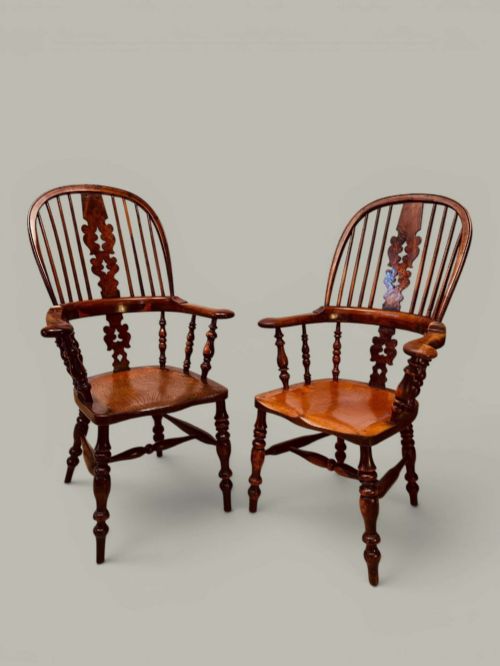
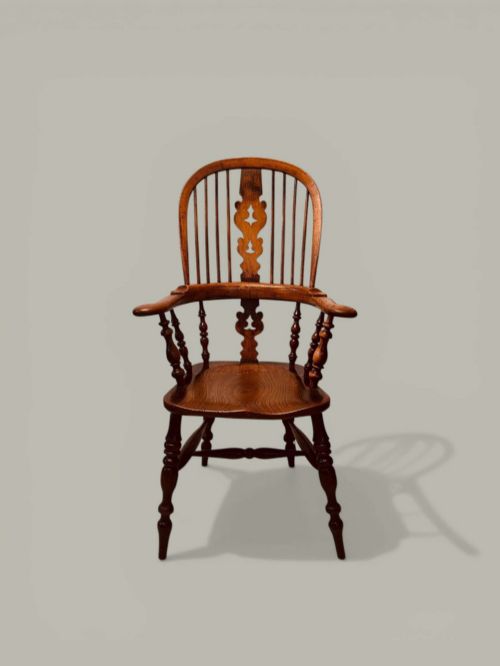
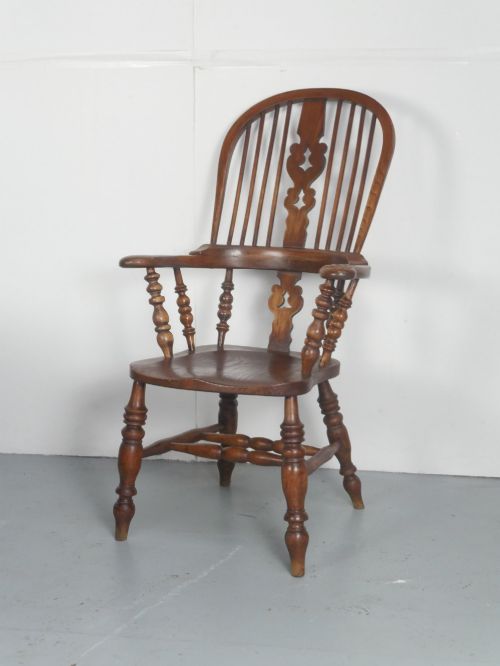
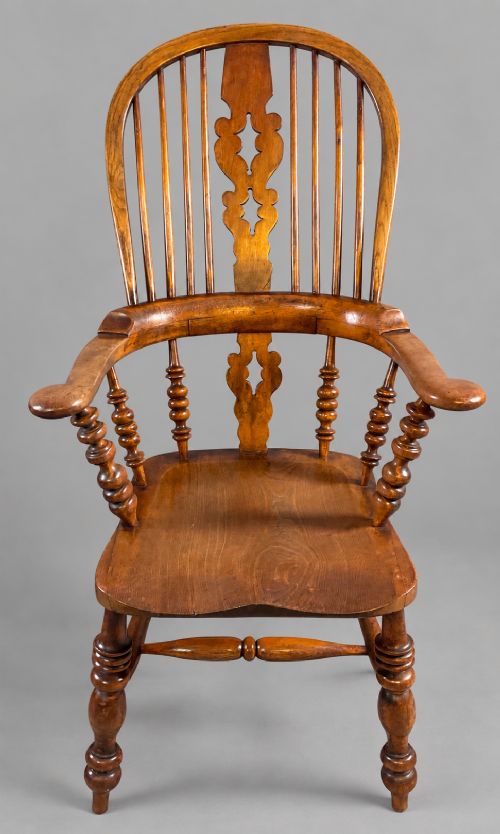
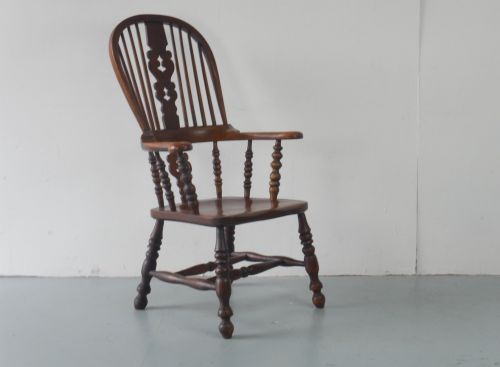
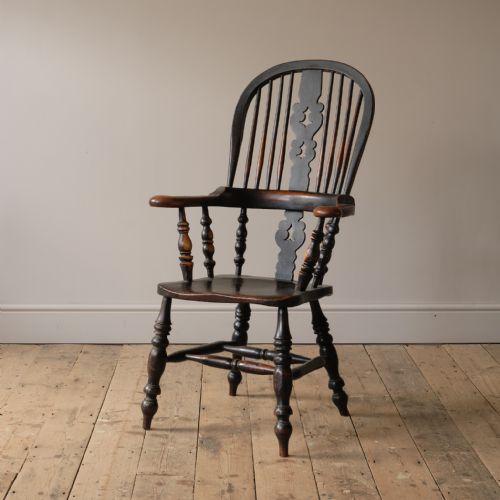
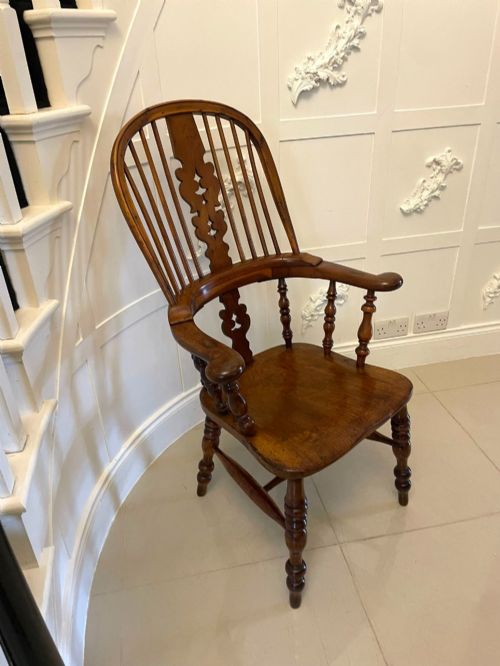
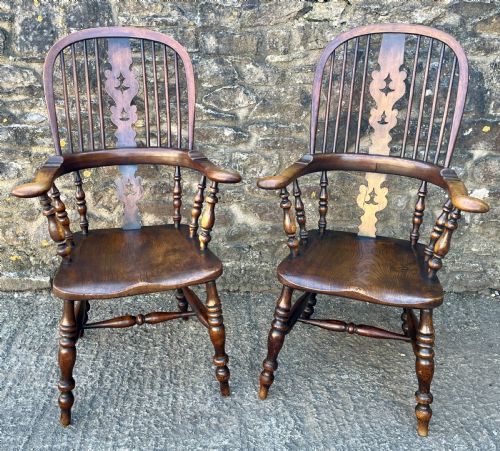
When you search for an antique broad armchair, you encounter sturdy seating designed with generous proportions for domestic use. The most common form on this page is the Windsor chair featuring a wide, flat armrest extension, often built from a combination of native timbers.
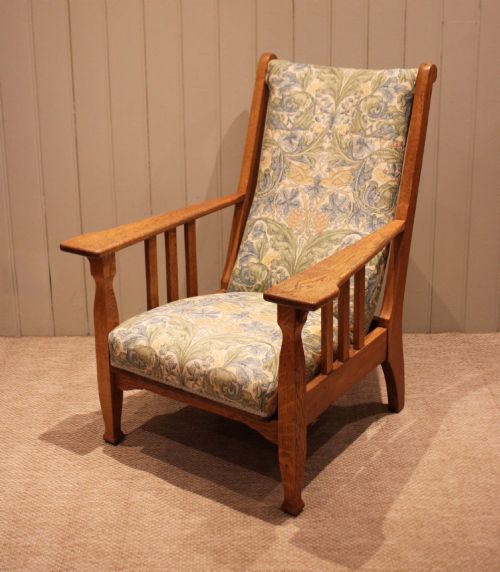
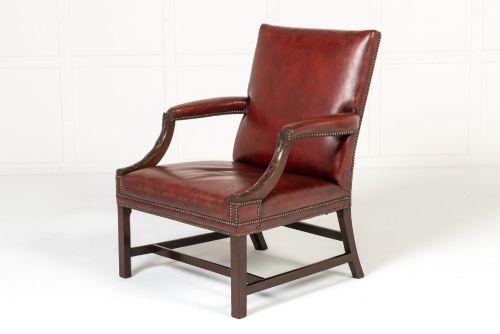
These chairs emerge from English vernacular and formal traditions spanning the eighteenth and nineteenth centuries. You find rustic farmhouse Windsor chairs alongside refined mahogany Gainsborough chairs upholstered in fabric or leather.
Regional variations appear across the selection, with Yorkshire and Welsh workshops contributing distinct regional characteristics. Makers utilised local resources, pairing elm seats with yew, ash or oak components to achieve lasting structural integrity.
Materials and construction
Construction relies heavily on traditional timber combinations, pairing resilient elm for carved solid seats with flexible ash, yew or oak for spindles, bentwood hoops and legs. Woodturners shaped the uprights and stretchers on a lathe before assembling the frame with wedged tenon joints.
Formal variants employ mahogany frames secured with brass fittings to support upholstered leather or fabric panels. Vernacular Windsor models use stick-back or comb-back formations where turned spindles tenon directly into the thick wooden seat slab.
Antique Broad Armchair Retail Price Guide 2026
Typical asking prices for broad armchair among the pieces listed under this phrase on Sellingantiques today, from the lower quarter to the upper quarter. They describe what is for sale here now, not the wider market.
Drunkards chairs appear in the record, designed with specially widened arms to accommodate eighteenth century gentleman refreshments.
Assessing quality in construction and timber
Quality rests upon the selection of timber figures and the integrity of the joinery. Yew wood examples with intense figuring and rich natural grain patterns command attention for their visual depth and density.
Proportion and execution define the distinction between standard utilitarian seating and exceptional vernacular craft. A well-balanced hoop, crisply turned spindles and an undisturbed elm seat reflect superior workshop execution.
Allsop Worksop·Worksop Made
The Antique Broad Armchair Glossary
- Windsor chair
- A chair built with a solid wooden seat into which the legs and back spindles are independently inserted. This form evolved through various regional styles across Britain.
- Gainsborough chair
- A wide, upholstered armchair with open padded arms, straight legs and an open frame. These formal seats date from the eighteenth century onwards.
- Comb-back
- A Windsor chair back that resembles the shape of a traditional hair comb, featuring a horizontal crest rail topping the vertical spindles. This configuration provides sturdy shoulder support.
- Stick chair
- A primitive seating form where legs and back sticks fit directly into a plank seat without complex undercarriage bracing. Welsh and English country makers produced these robust designs.
- Stretcher
- A horizontal wooden rod connecting the legs of a chair to provide rigidity and support. Turned stretchers reinforce the underframe against daily use.
Antique Broad Armchair: Frequently Asked Questions
How do I distinguish regional chair styles?
Regional attribution relies on timber selection, spindle arrangement and structural underbracing. Yorkshire examples often display specific turning patterns and construction details rooted in northern English traditions.
Comparing back heights and arm profiles helps identify whether a piece originates from an urban cabinet maker or a rural vernacular workshop. Local timber availability guided the choice of yew, ash or elm in each district.
Where should I place an antique broad armchair?
These armchairs suit studies, living rooms or hallways where their architectural presence anchors the room. Their generous wooden arms require adequate clearance to appreciate their form fully.
Pairing a Windsor chair with a wooden desk or placing a Gainsborough model near a fireplace highlights historical function. Ensure the chair rests on a level surface to protect the historic leg joints.
How do I care for antique wood finishes?
Maintain timber surfaces by applying a microcrystalline wax polish sparingly to nourish the grain. Avoid placing chairs near direct heat sources or strong sunlight, which causes timber to dry and split.
Dust carved spindles and shaped seats regularly with a soft dry cloth. Inspect the undercarriage connections periodically to ensure the wedged joints remain secure.