


Antique Brass Wine Caddy
An antique brass wine caddy brings proper weight and gleaming metal bands to the dining room, holding bottles with genuine period character.

Antique Brass Wine Caddy
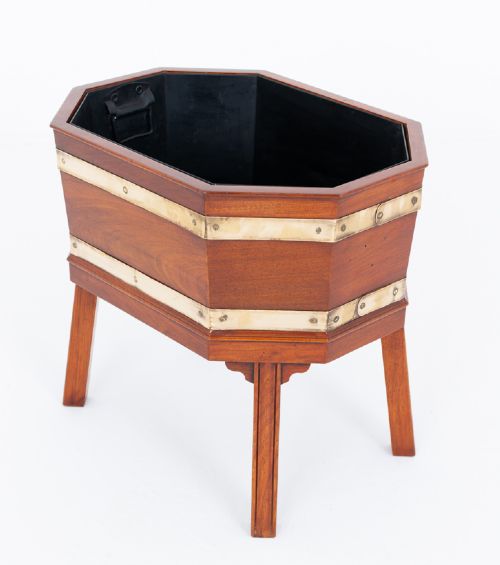
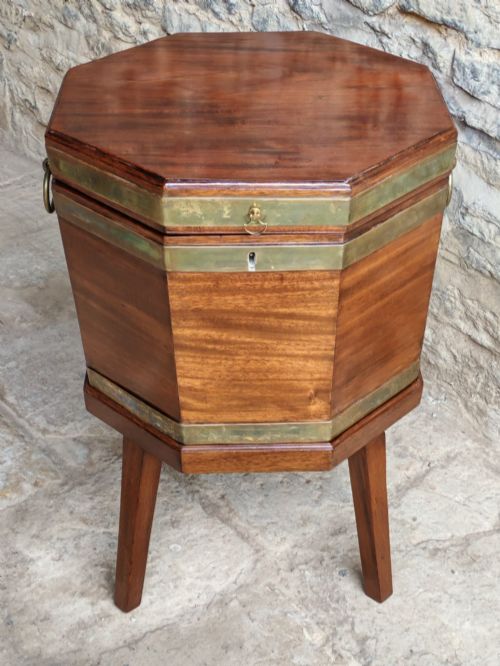
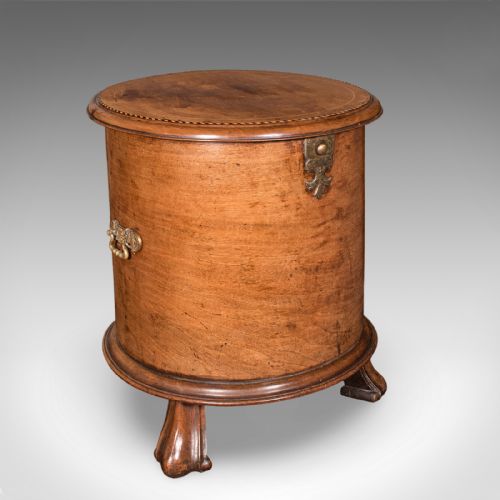
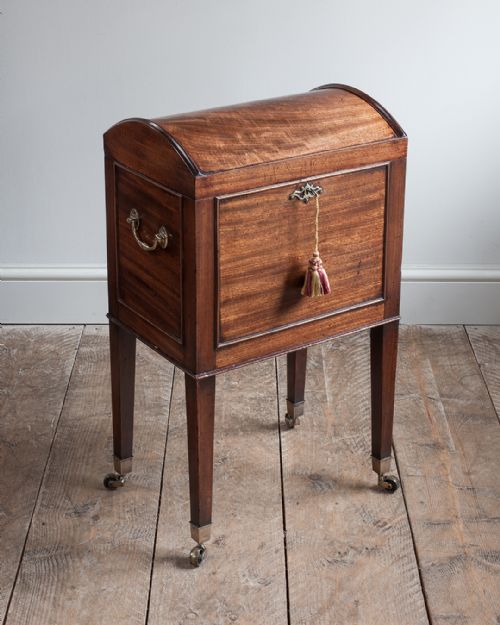
An antique brass wine caddy encompasses cellarettes, wine coolers, bottle carriers, and jardinieres from the Georgian, Regency, and later revival periods. Buyers seeking an antique brass wine caddy encounter sturdy containers designed to manage and present wine bottles at the table.
The forms span octagonal boxes, oval vessels, and sarcophagus shapes, alongside open carriers and multi-section holders. Most examples rely on rich timber bodies secured by robust metal work.
Origins stretch from eighteenth-century English workshops to Anglo-Indian colonial production and nineteen-twenties revivals. The pieces combine practical bottle storage with formal decorative presence.
Materials and construction methods
Cabinetmakers built these vessels primarily from dense hardwoods like mahogany, walnut, and padouk, often incorporating decorative wood inlay. Timber sections were joined carefully to withstand the heavy weight of wet ice and glass bottles.
Brass bands, handles, and feet provide both structural reinforcement and sharp visual contrast against the dark timber. These metal elements were hand-cast and secured with traditional fastenings to the wooden bodies.
Listings feature items spanning the eighteenth century, the Regency period, and nineteen-twenties revivals in mahogany, walnut, padouk, and brass.
Distinctions in quality and execution
Finer examples display superior timber selection with rich grain patterns and deep patination accumulated over centuries. The integration of the brass fittings reflects the precision of the initial assembly.
Proportion and decorative restraint separate standard production from masterworks. The crispness of carved details and the weight of the brass components dictate the standing of each piece.
The Antique Brass Wine Caddy Glossary
- Cellarette
- A lockable container used for storing wine bottles near the dining table. They frequently include internal dividers and metal linings.
- Jardiniere
- An ornamental pot or stand designed to hold plants or flowers. In this context, certain wine vessels double in function.
- Padouk
- A heavy, durable tropical hardwood with reddish tones utilised in colonial furniture. It provides exceptional stability for large containers.
- Sarcophagus
- A coffin-like shape with a domed lid popular during the Regency period. This profile gives wine coolers a monumental appearance.
- Teapoy
- A small stand or caddy originally intended for holding tea. Some examples share the box and stand construction of bottle carriers.
Antique Brass Wine Caddy: Frequently Asked Questions
What is an antique brass wine caddy used for?
These vessels originally held wine bottles and ice near the dining table during formal meals.
Today, owners utilise them to display bottles, hold firewood, or serve as planters in reception rooms.
How do I distinguish Georgian pieces from later revivals?
Eighteenth-century examples display hand-cut joinery, period timber selection, and authentic patination accumulated through actual use.
Nineteen-twenties revivals and later pieces often exhibit different interior construction methods and cleaner, less worn metal surfaces.
Are the brass bands original to the wood bodies?
On quality items, the metal bands follow the exact contours of the timber shrinkage and show matching oxidation.
Replacements or later additions often appear overly bright and fit less snugly against the wood panels.
Where should I place a wine cooler in my home?
Their substantial size and strong presence make them suitable as standalone floor pieces beside sideboards or heavy tables.
Smaller carriers function well on top of low furniture or serving surfaces.