


Antique Brass Weapon
These antique brass weapon pieces combine martial history and metalwork, offering collectors tactile links to centuries of military and civilian defence.
Antique Brass Weapon
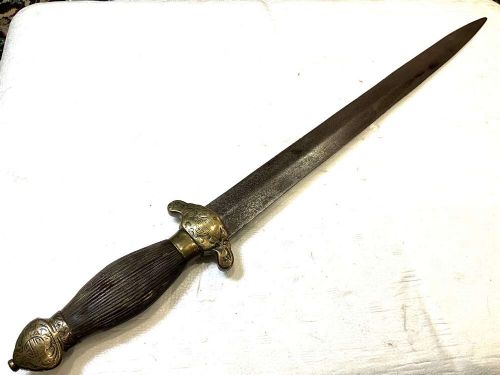
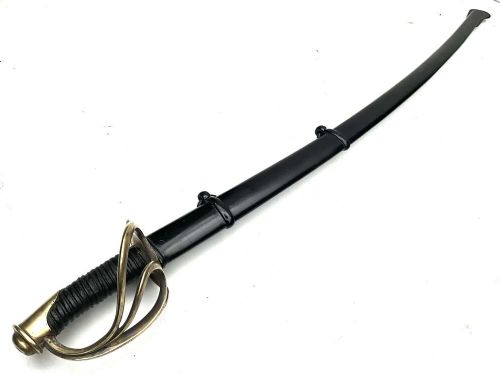
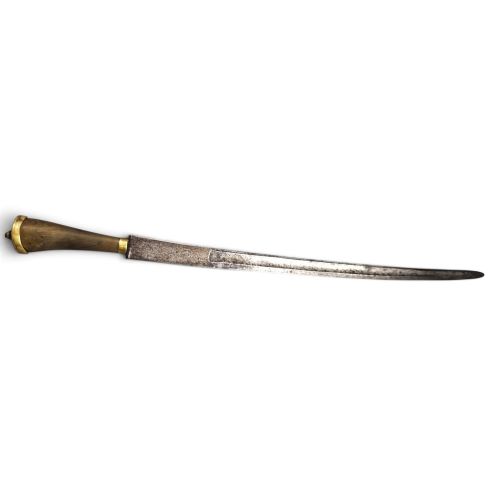
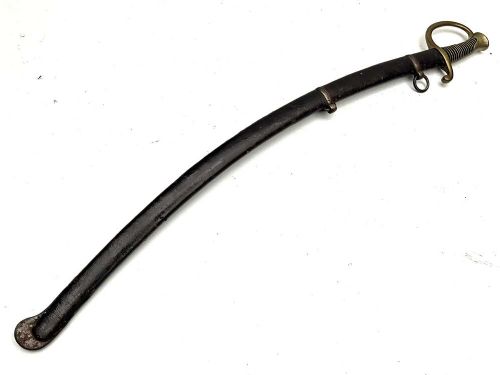
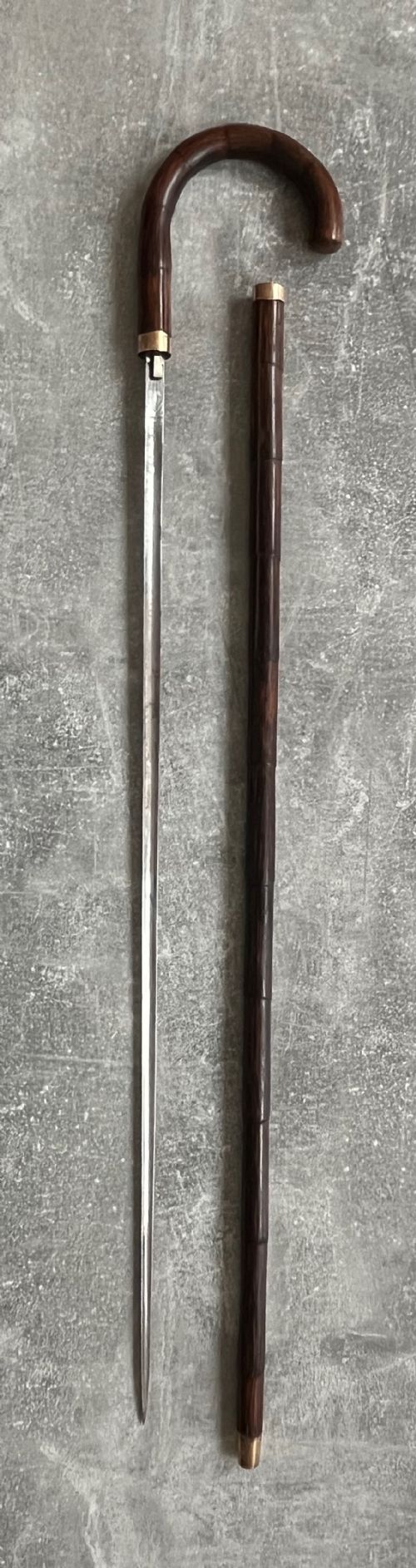
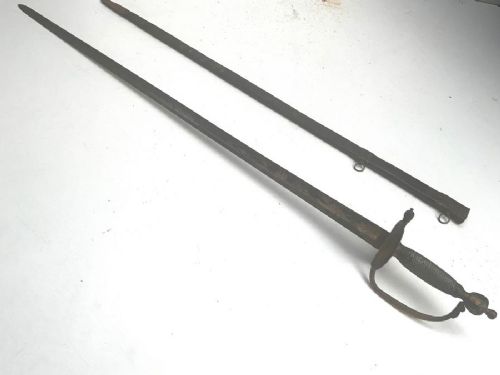
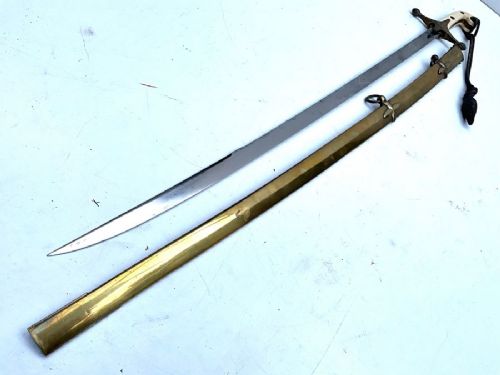
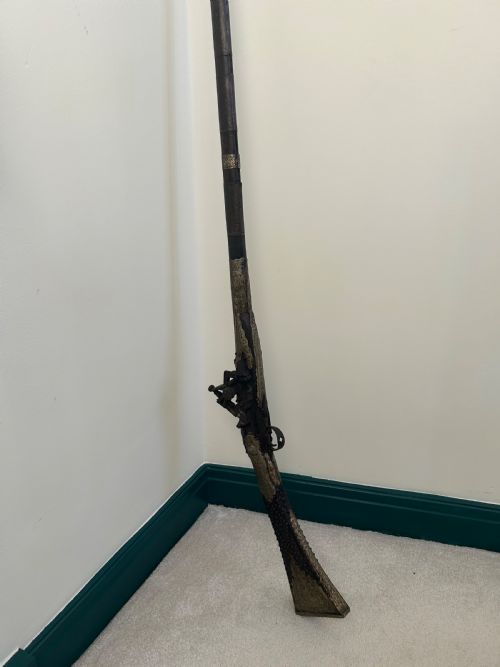
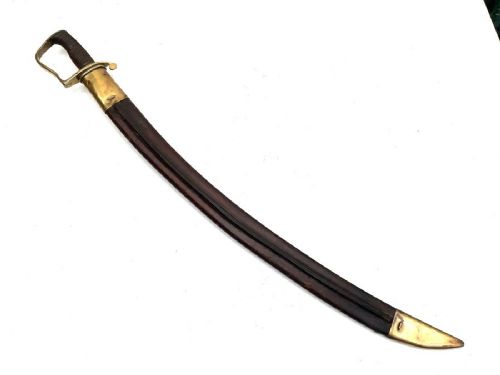
An antique brass weapon spans functional firearms, edged blades, and civilian defence items incorporating brass mountings, guards, or barrels. You encounter items ranging from Georgian flintlock muskets and blunderbusses to Victorian cavalry sabres and walking stick swords.
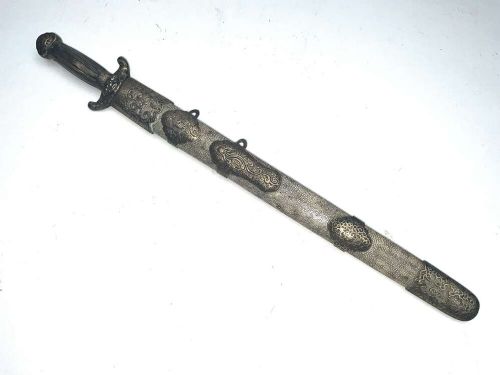
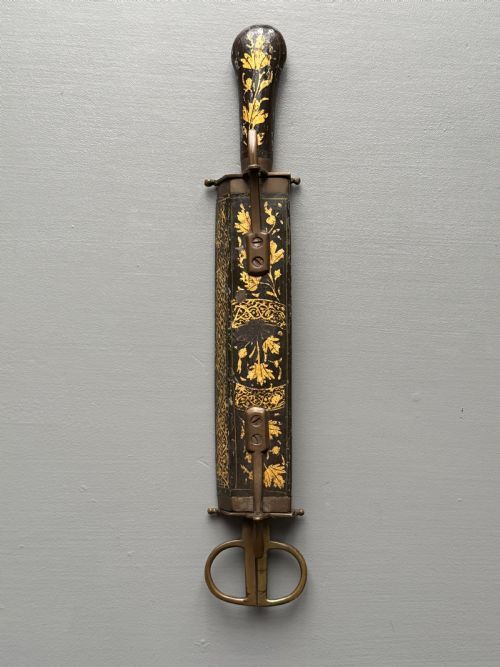
The material appears on hilt furniture, trigger guards, lock plates, and scabbard throats, often contrasting with steel blades and wooden stocks. Regional forms include European military patterns alongside Asian and Middle Eastern daggers and matchlock muskets.
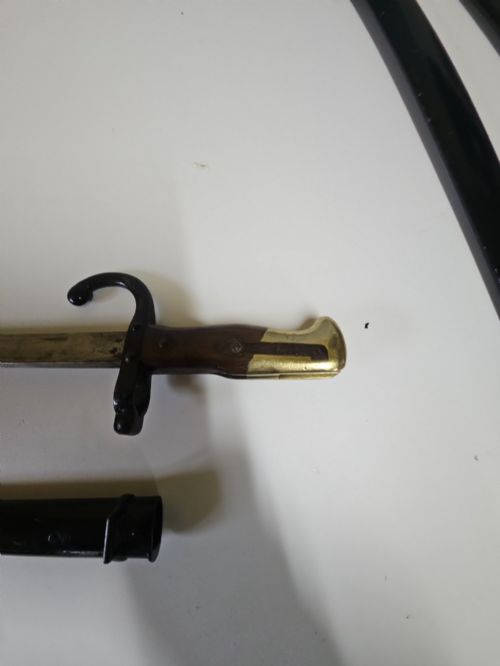
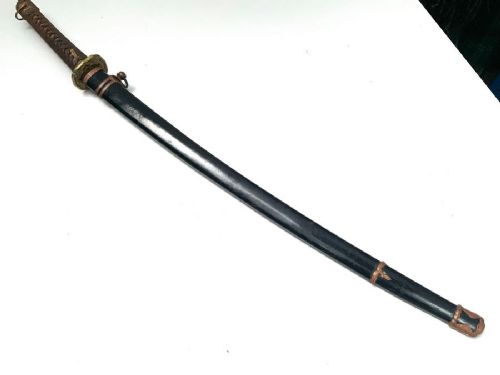
Most entries belong to the nineteenth century, with representative pieces from French, British, German, and Japanese contexts. The selection unites sidearms, polearms, and concealed weapons shaped by military regulation or local craftsmanship.
Materials and construction methods
Makers combined forged steel and iron for barrels and blades with cast or hammered brass for structural mountings and decorative details. Hardwood, walnut, leather, bone, and horn completed grips, stocks, and scabbards.
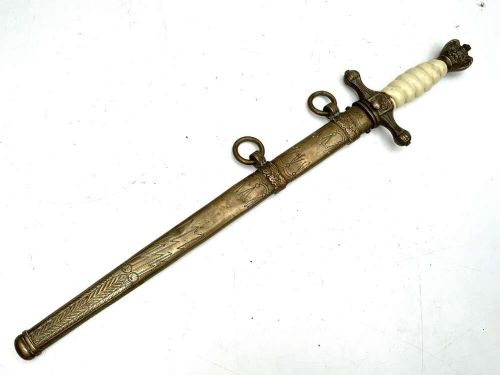
Firearms utilised flintlock and percussion mechanisms housed in brass lock plates, paired with wooden stocks secured by metal bands. Edged weapons integrated brass hilts, crossguards, and pombels cast or chased with regional motifs.
Antique Brass Weapon Retail Price Guide 2026
Typical asking prices for brass weapon among the pieces listed under this phrase on Sellingantiques today, from the lower quarter to the upper quarter. They describe what is for sale here now, not the wider market.
Listings feature brass alongside steel, leather, walnut, and horn across 18th, 19th, and 20th-century items.
Distinctions in quality and execution
Superior examples display crisp casting and chasing on brass mounts, alongside high-grade steel blades retaining blue and gilt officer finishes. Engraved maker signatures and regiment markings elevate individual pieces above standard ordnance.
Condition of integrated organic materials like leather, horn, and wood alongside metal preservation determines historical integrity. Standard military issue items differ from private purchase officer pieces through ornamentation and bespoke finishing.
E Thurkle of Soho·Sargant and Son Birmingham
The Antique Brass Weapon Glossary
- Flintlock
- An ignition mechanism utilising a flint struck against a steel frizzen to create sparks that ignite gunpowder. This system dominated firearms from the seventeenth through to the early nineteenth century.
- Mameluke sword
- A sabre characterised by a curved blade and a distinct crossguard with ear-shaped grips. Popular among British and French officers following Middle Eastern campaigns.
- Blunderbuss
- A muzzle-loading firearm with a flared barrel designed to scatter lead shot at close range. It saw widespread use for coach defence and naval boarding actions.
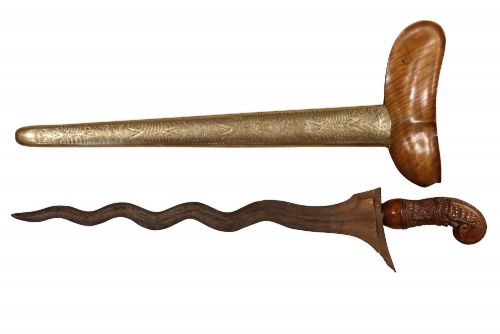
- Kris
- An asymmetric dagger originating from Southeast Asia, featuring a distinctive wavy blade profile and wooden or horn hilt. The form holds deep cultural significance alongside its utility as a sidearm.
- Spadroon
- A lightweight, straight-bladed edged weapon designed for both cutting and thrusting used by military officers. It bridges the design gap between smallswords and heavy cavalry sabres.
Antique Brass Weapon: Frequently Asked Questions
How do I clean brass mounts safely?
Maintain the natural oxidation and patina by avoiding harsh chemical polishes that remove historical surface age. Soft microfibre dusting preserves the metal without stripping original character.
Consult a conservator if corrosion threatens structural stability.
Were these weapons carried into battle?
Many items served standard military roles during conflicts across the Napoleonic and Victorian eras. Others functioned as civilian self-defence tools or private purchase officer sidearms.
Regimental markings and engraved details often verify active service deployment.
How are sword sticks constructed?
A concealed blade sits safely inside a wooden walking cane or porcelain shaft, secured by a locking mechanism. The exterior mimics a standard gentleman's accessory for discreet personal protection.
Materials range from simple faux bamboo to decorated French porcelain handles.
What defines a flintlock pistol?
These handguns use a flint and steel ignition system to fire lead balls from smoothbore barrels. They served as primary personal firearms before the adoption of percussion caps.
Examples include holster pistols, pocket pieces, and coach guard arms.