




Antique Brass Trivet
An antique brass trivet is a hearth accessory that lifts a kettle or plate near the fire, bringing warmth and character to a room.
Antique Brass Trivet
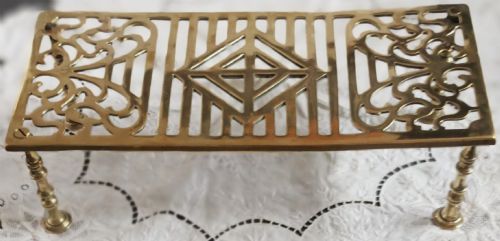
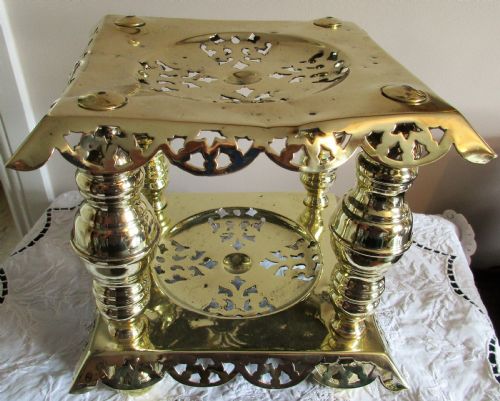
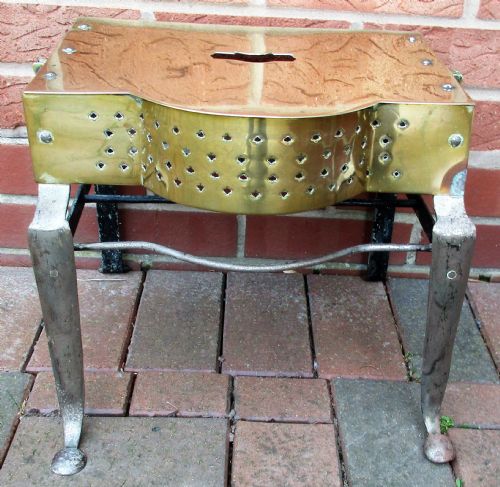
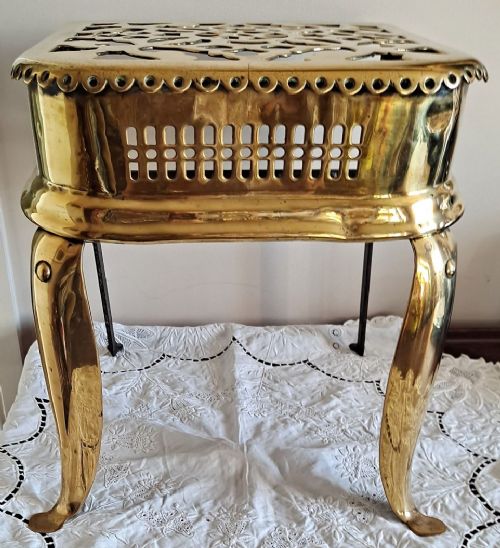
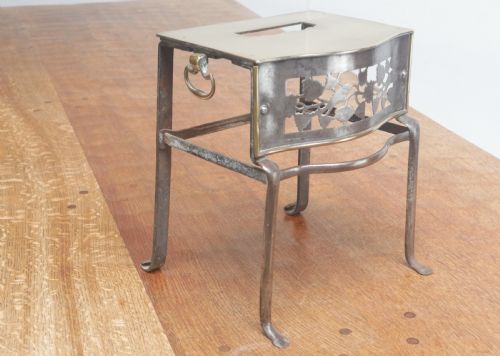
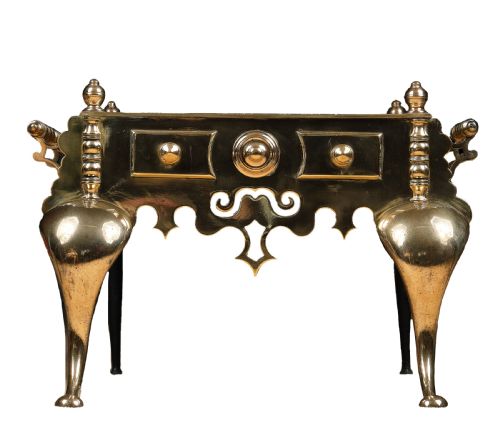
An antique brass trivet serves as a fireside accessory designed for the hearth, holding kettles or warming plates near the coal fire. These pieces include low trivets, larger footmen, and two-tier kettle stands intended for daily domestic use by the fireside.
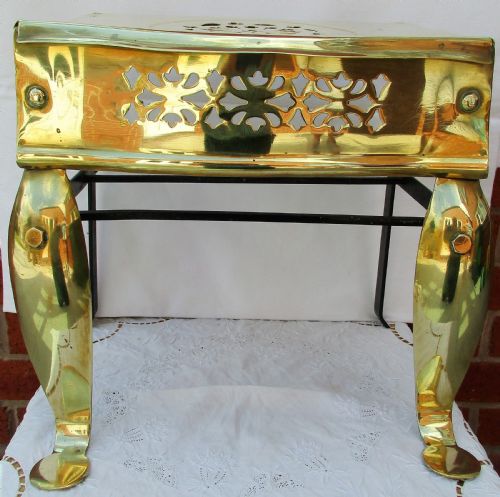
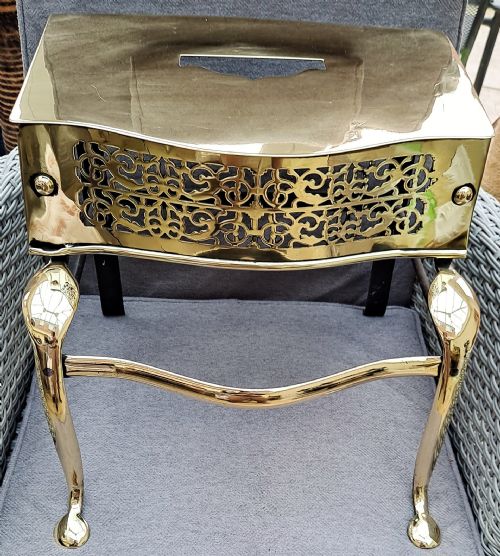
The versions most commonly met on this page span the Georgian, Victorian, and Edwardian periods. Buyers encounter traditional footmen with steel legs, circular or square plate warmers, and distinctive shapes like the Dutch pear-shaped kettle stand.
Originating predominantly from English and Welsh hearths, these items reflect the practical needs of past centuries. They sit comfortably in modern living rooms as decorative stands for plants or ornaments, retaining their original utility.
How they were made
Makers combined cast brass for the tops and pierced plates with iron or steel for the legs and frames. This construction provided the rigidity needed to support heavy iron kettles directly over hot coals.
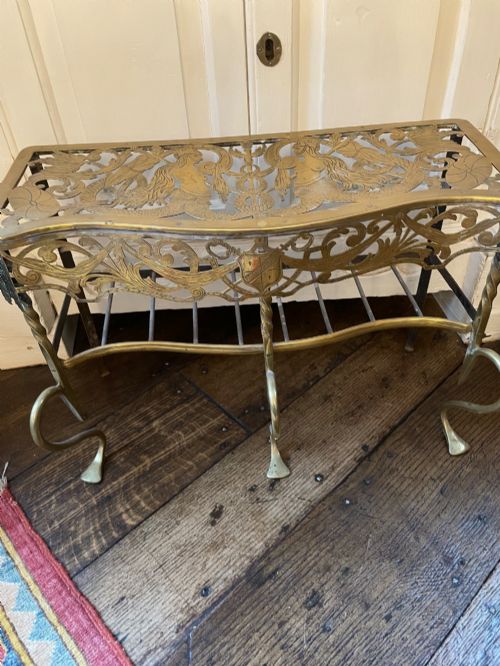
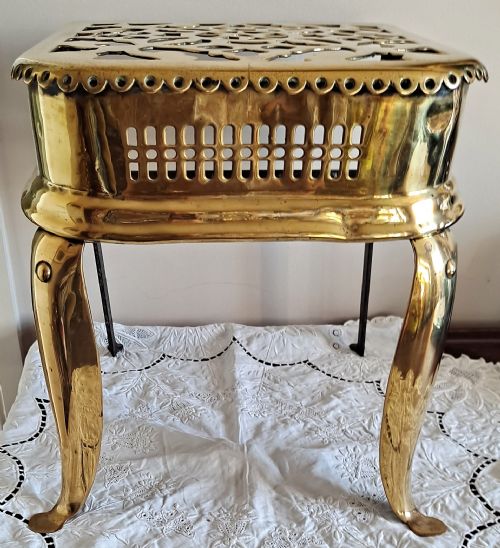
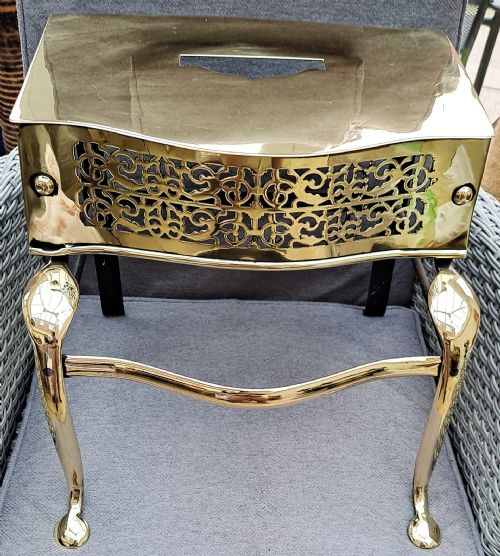
Decoration relied on piercing, engraving, and casting, producing geometric patterns or pierced scrollwork on the brass surfaces. Handles and cabriole legs were shaped to allow easy movement around the hearth.
Materials such as wood occasionally appeared in handles to insulate against the heat, while iron components provided structural strength alongside the polished brass plates.
Antique Brass Trivet Retail Price Guide 2026
Typical asking prices for brass trivet among the pieces listed under this phrase on Sellingantiques today, from the lower quarter to the upper quarter. They describe what is for sale here now, not the wider market.
Listings feature items spanning the eighteenth, nineteenth, and early twentieth centuries, utilising combinations of brass, steel, iron, and wood.
What varies in quality
The distinction between standard examples and superior pieces rests on the weight of the metal and the crispness of the pierced brass work. Finer items display thicker brass tops and well-finished cabriole legs or steel supports.
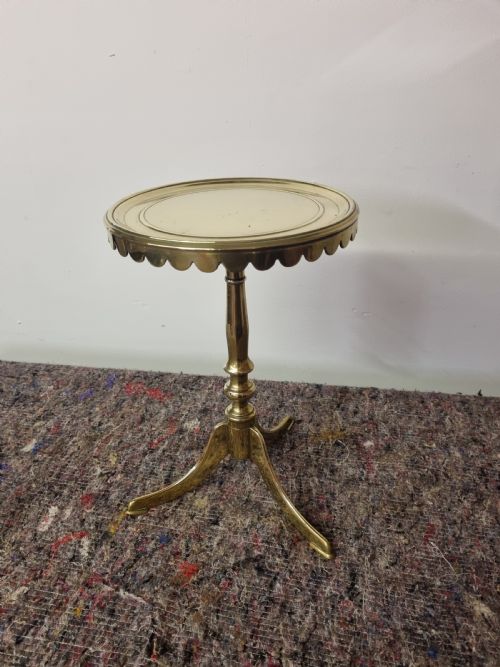
Proportion and design complexity set better pieces apart, particularly those incorporating multiple tiers or miniature furniture forms like tripod tables. The integration of brass and steel requires precise assembly to ensure stability on uneven hearth stones.
The Antique Brass Trivet Glossary
- Trivet
- A small three-legged support raised above the hearth. It holds kettles or pots near the fire.
- Kettle stand
- A dedicated platform designed specifically to hold a boiling kettle. These often include multiple tiers.
- Piercing
- A technique where patterns are cut out of the brass plate. This decoration allows heat to rise while remaining ornamental.
- Cabriole leg
- A furniture leg that curves outward and then inward. It appears on certain Georgian footman stools.
Antique Brass Trivet: Frequently Asked Questions
How were antique brass trivets used?
These items stood by the fireplace to hold kettles, teapots, or plates near the heat. They kept food warm and water hot without placing vessels directly into the coals.
In modern homes, they function as decorative stands for plants or as standalone fireside ornaments.
What is a footman?
A footman is a larger type of trivet, usually rectangular, with a brass top and steel legs. It sat in front of the hearth to support heavy cookware.
These pieces often include handles for moving them away from the fire when loaded.
How do I tell Victorian trivets apart from Georgian ones?
Georgian pieces often display robust cast brass tops with distinct cabriole legs or fine steel framing. They tend to exhibit heavier construction and simpler, functional pierced patterns.
Victorian and Edwardian examples frequently feature lighter circular or square tops with more ornate, machine-finished decorative piercing.
Can I use an antique trivet by an active fireplace?
While originally built for active coal and wood fires, modern usage usually treats them as decorative items. The historical brass and iron can handle gentle warmth, but heavy use near intense heat may alter the patina.
Many owners prefer to display them on hearths or tables without direct exposure to flames.