





Antique Brass Tin
These antique brass tin examples span utilitarian kitchenware and refined boxes, offering collectors a tangible piece of domestic and military history.
Antique Brass Tin
When you examine an antique brass tin, you find yourself looking at a diverse group of metal containers and household objects spanning the Georgian, Victorian, and Edwardian eras. The selection here leans heavily towards tobacco boxes, snuff boxes, military hat boxes, and decorative kitchen metalware.
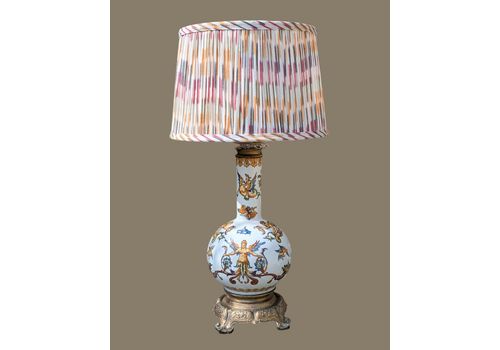
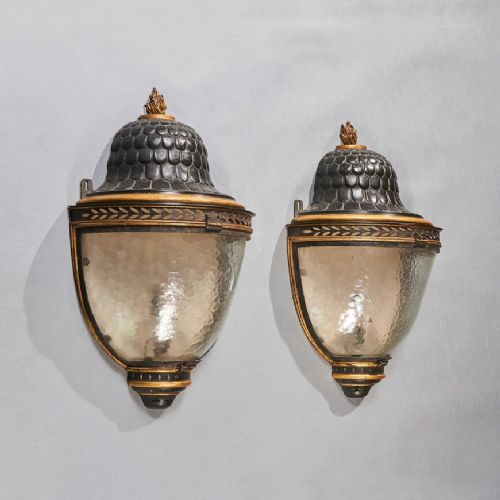
You are most likely to meet pieces originating from Britain and continental Europe, including 18th century Dutch and German tobacco boxes alongside French tole peinte lamps and wall lanterns. These items served practical domestic or personal functions before transitioning into decorative collectibles.
Materials and Construction
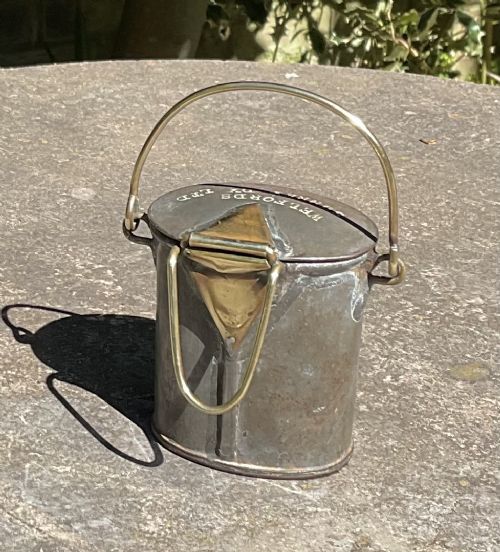
The construction of these pieces relies primarily on brass, copper, tin, and toleware, often combined with painted or parcel gilt surfaces. Makers utilised sheet metals, folding and soldering the seams to create rigid containers like cream cans and grocery hoppers.
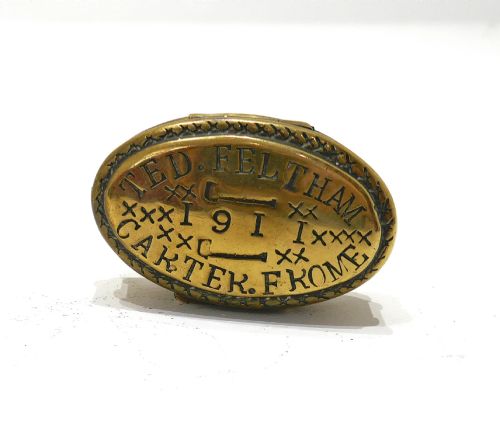
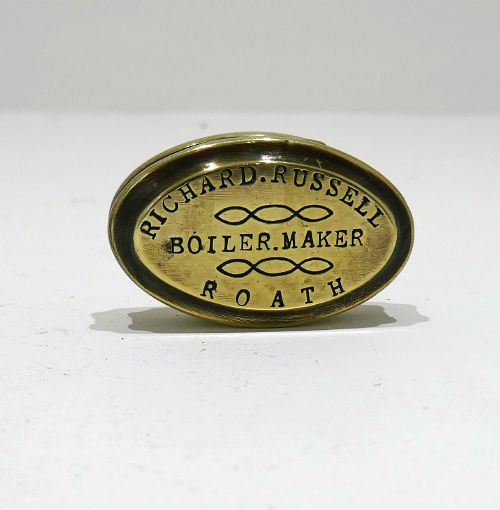
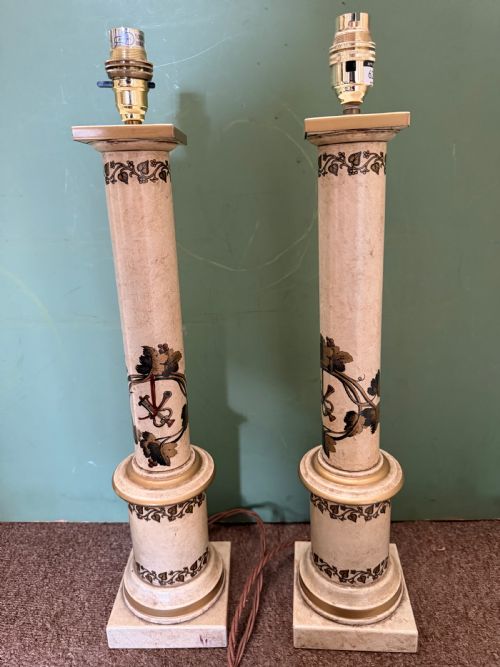
Surface ornamentation involved hand engraving, as seen on personal snuff boxes bearing names and dates, alongside decorative paintwork on tole peinte lamps and hat boxes. Some items incorporate mixed metals, pairing brass rims with tin or pewter bodies.
Antique Brass Tin Retail Price Guide 2026
Typical asking prices for brass tin among the pieces listed under this phrase on Sellingantiques today, from the lower quarter to the upper quarter. They describe what is for sale here now, not the wider market.
A military hat box disguises itself so convincingly as luggage that it might just trick your modern visitors into packing for Waterloo.
Evaluating Craftsmanship
Quality in these metal objects rests upon the crispness of the hand engraving and the preservation of original painted surfaces. Pieces featuring deeply cut inscriptions or well-maintained tole peinte decoration stand apart from plain or heavily worn examples.
Structural integrity also defines the tier of a piece, with securely joined seams and original hardware marking superior manufacture. The presence of maker details or historical provenance elevates the standing of boxes and tobacco tins.
The Antique Brass Tin Glossary
- Toleware
- Painted or lacquered sheet metal items, often associated with decorative trays, boxes, and lighting fixtures from the eighteenth and nineteenth centuries. This technique provided a durable and colourful finish.
- Snuff box
- A small pocket-sized container designed to hold powdered tobacco. These examples frequently feature hinged lids and detailed personal engravings.
- Tole peinte
- Painted tinplate, particularly French decorative metalwork featuring fine brushwork and often finished with gilt accents. It appears frequently on nineteenth-century lamps and lanterns.
- Tobacco box
- A lidded container utilised for storing loose leaf tobacco. Eighteenth-century German and Dutch brass variants often display commemorative historical scenes.
- Kitchen metalware
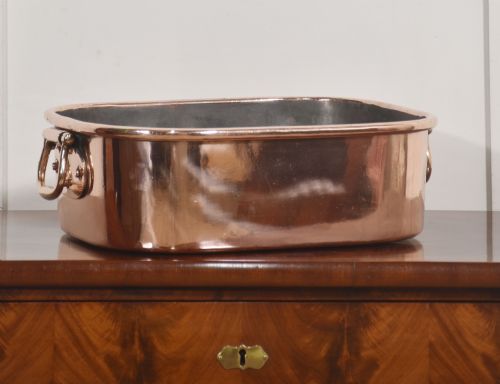
- Utilitarian domestic equipment fashioned from copper, brass, tin, or bronze. These items include kettles, roasting pans, and preserving dishes.
Antique Brass Tin: Frequently Asked Questions
What were tobacco boxes used for?
Tobacco boxes served the daily purpose of storing loose leaf tobacco safely and securely. They were carried by individuals or kept on tabletops for easy access.
Many period examples feature commemorative engravings or dates, marking significant battles or personal ownership.
How do I identify toleware?
Toleware is identified by its painted or lacquered sheet metal construction, often displaying floral motifs or dark backgrounds with gilt details. It was commonly shaped into lamps, hat boxes, and decorative household items.
The technique protected the underlying metal while offering an ornamental domestic finish.
Are these metal boxes waterproof?
These metal boxes were designed for dry storage of items like tobacco, snuff, and dry goods, rather than for holding liquids. Their hinged lids and fitted covers kept out dust and moisture during daily use.
Over time, seals can degrade, so modern owners generally keep them in dry indoor environments.
How should I clean antique brass?
Antique brass benefits from gentle dusting with a soft cloth to preserve its aged surface and historical patina. Heavy chemical cleaning or aggressive polishing removes the dark oxidation that accumulates over centuries.
Maintaining the natural surface helps retain the visual depth valued by collectors.